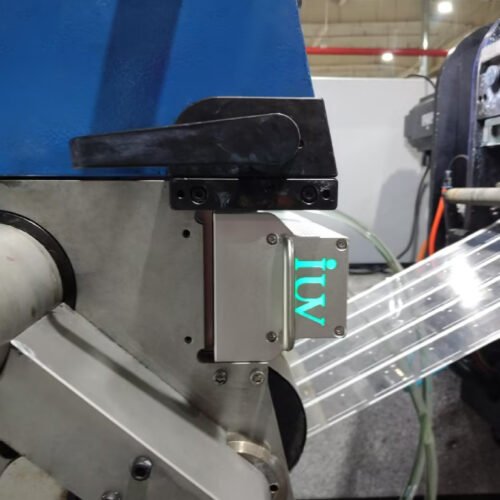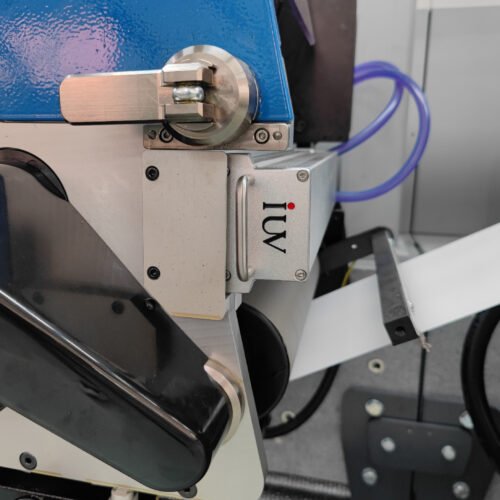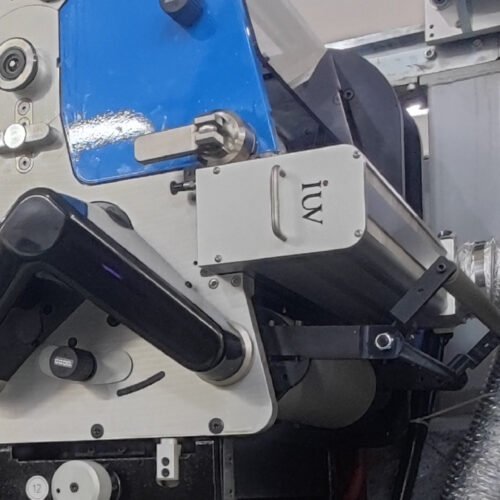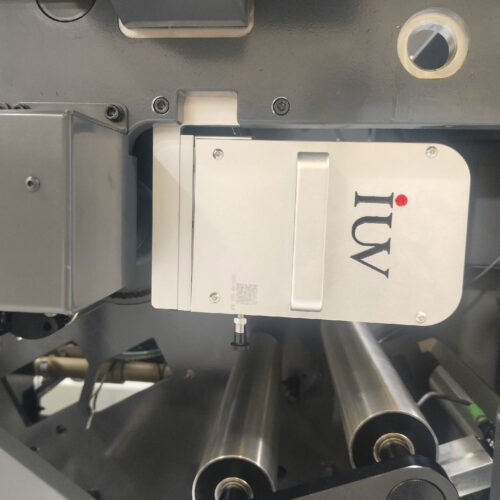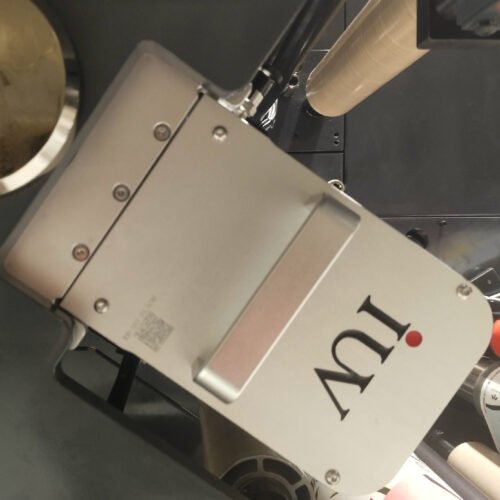
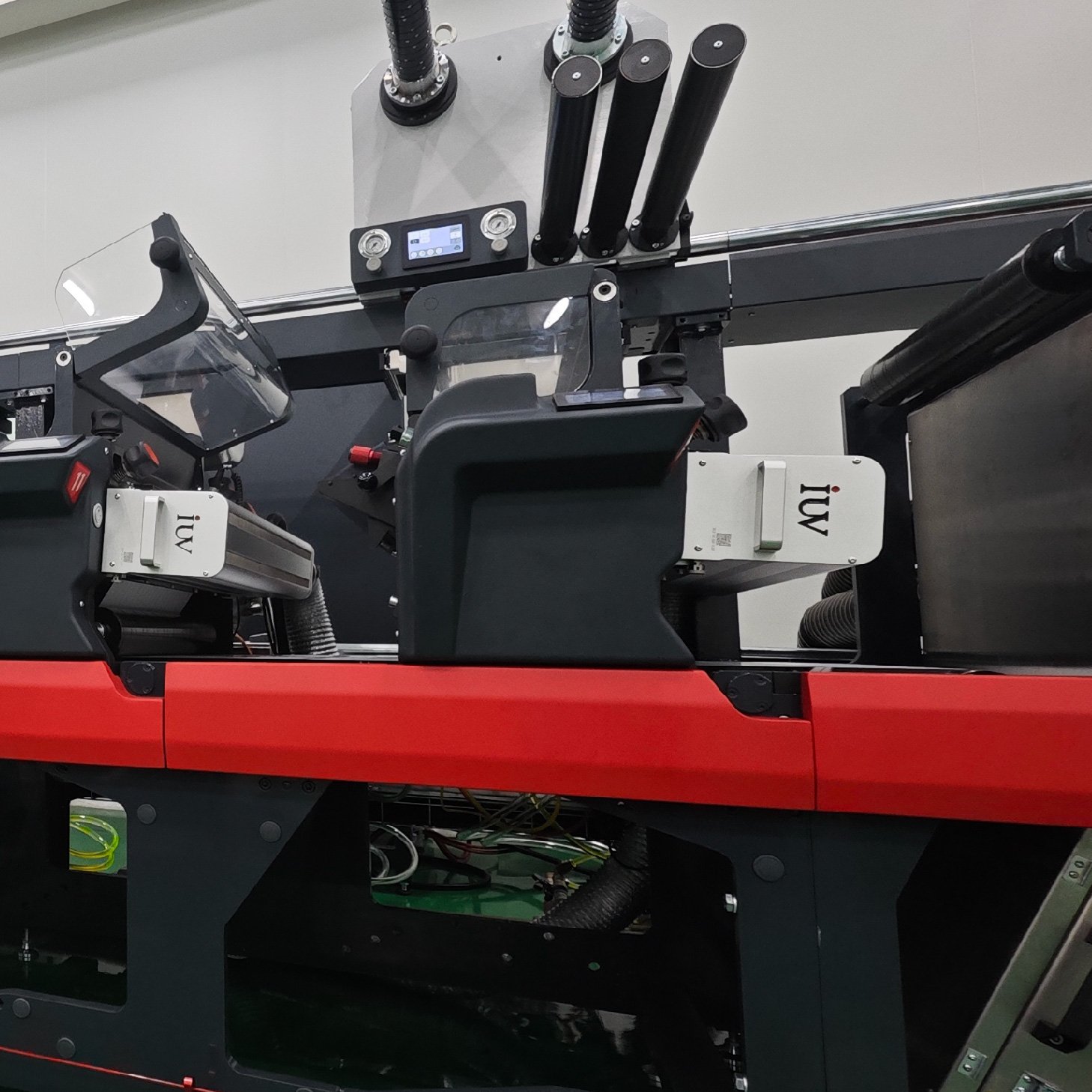
Digital inkjet printing has transformed short-run and customized production across labels, packaging, and commercial print. Yet, a persistent technical gap remains between digital output and the crisp, vibrant quality of traditional offset or flexographic printing. The core challenge lies in the physics of a UV-curable ink droplet the moment it hits the substrate. Applying a single, high-intensity burst of UV energy often freezes imperfections in place, leading to poor dot formation, color blending issues, and fuzzy edges. IUV’s Multi-Stage Curing Strategy represents a fundamental shift in approach. It moves curing from a simple “on/off” event to a meticulously timed sequence of energy application. This overview explains the engineering behind this strategy and its critical role in achieving unparalleled color accuracy and razor-sharp definition for premium digital print quality.
The Fundamental Dilemma: Instant Fixation vs. Controlled Flow
In high-resolution digital printing, piezoelectric or thermal inkjet heads deposit picoliter-sized droplets onto moving webs or sheets. Upon impact, these droplets need a critical few milliseconds to spread, coalesce with neighbors, and form a smooth, continuous film. This process is essential for producing solid fills without pinholes, smooth gradients without banding, and sharp edges without feathering. A conventional single-lamp UV system, often placed immediately after the printhead, delivers full curing energy too soon. It “pins” the ink in its initial, irregular state, locking in high dot gain and poor edge acuity. The result is a loss of fine detail and color fidelity that fails to meet brand standards for labels and flexible packaging. The industry required a curing methodology that respected the ink’s rheology before final polymerization.
Deconstructing the Three-Stage Process: Pin, Set, and Lock
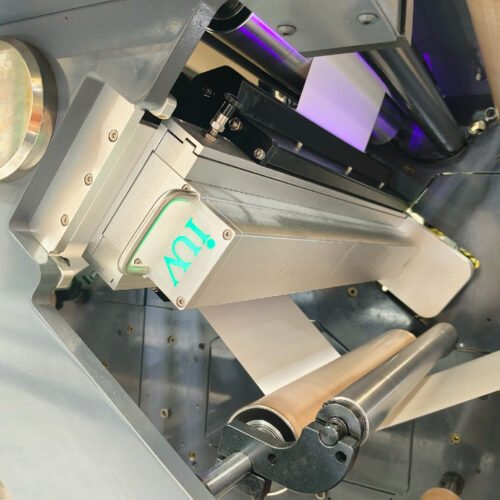
IUV‘s strategy typically orchestrates three distinct curing events, each with a specific purpose, intensity, and often wavelength. The first stage is Pin or Pre-Cure. Here, a low-dose UV exposure, frequently using a 395nm or 405nm LED array, applies minimal energy. This initiates surface polymerization, creating a viscous “skin” on the droplet. This skin prevents splatter and uncontrolled spreading while keeping the core fluid, effectively anchoring the dot without full hardening.
The second stage is Intermediate or Set Cure. Occurring milliseconds after pinning, this phase allows the still-fluid core of the ink droplet to flow. Controlled by precise timing and sometimes a slightly higher energy dose, this flow eliminates voids and enables optimal merging with adjacent droplets. This stage is crucial for achieving uniform film formation, which directly translates to smooth tonal transitions and the full chromatic strength of pigments, especially critical for high-opacity white inks.
The final stage is Complete or Full Cure. This is where a high-intensity UV source, such as a powerful 385nm LED array or a mercury lamp module in a hybrid system, delivers the decisive energy dose. The ink film, now perfectly positioned and spread, undergoes thorough through-cure and cross-linking. This ensures maximum adhesion, chemical resistance, scratch hardness, and low migration properties, meeting the stringent demands of food and pharmaceutical packaging.
System Implementation: Synchronization, Wavelength Strategy, and Smart Control
Executing this strategy demands deep integration with the digital press’s core systems. IUV’s curing controllers communicate directly with the press PLC via industrial protocols like CAN bus. They receive real-time data on print speed, firing patterns, and even image data. The intelligent controller dynamically adjusts the power output and timing for each curing stage in response.
Strategic wavelength selection is key. Longer wavelengths (e.g., 395nm, 405nm) used in the pinning stage offer gentler surface energy with sufficient penetration for initial gelling. Switching to a more potent, shorter wavelength (e.g., 385nm) for the final cure provides higher photon energy to drive complete cross-linking of challenging chemistries. This intelligent spectral management is a distinct advantage over the fixed, broad spectrum of traditional mercury lamps.
Furthermore, the system’s modular power supply architecture supports online maintenance and hot-swapping of components. This design philosophy ensures that the sophisticated multi-stage process does not become a single point of failure, maintaining high uptime for continuous production runs.
Measurable Benefits Across Printing Applications
The adoption of IUV’s multi-stage curing delivers quantifiable improvements across critical performance indicators for various digital printing applications:
- Unmatched Image Quality: Reduction in dot gain by over 20%, elimination of halo effects, and production of razor-sharp text down to 4pt. Smooth vignettes and gradients become routine, closing the quality gap with analog processes.
- Expanded Color Gamut & Opacity: Optimal ink film formation allows pigments to express their full chromatic intensity. White inks achieve higher opacity with fewer passes, enabling vibrant graphics on transparent films or dark substrates, a key advantage in label and sleeve printing.
- Increased Production Throughput: Decoupling pinning from final cure allows the print carriage or web to move faster. Subsequent colors or varnish layers can be applied sooner without wet-on-wet issues, significantly boosting overall line speed and efficiency.
- Superior Substrate Compatibility: The gentle pinning stage minimizes heat stress on sensitive films like polyethylene (PE) and PVC shrink sleeves. It also promotes better wetting and adhesion on low-surface-energy plastics (e.g., PP, PE) by allowing the ink to flow before being locked in.
- Significant Waste Reduction: Consistent, high-quality output from the very first sheet dramatically reduces setup waste and rejects caused by curing-related defects like bleeding, mottling, or poor definition, directly improving profitability.
Conclusion: The Definitive Enabler for Premium Digital Print
In the competitive arena of digital printing, where quality is the ultimate differentiator, curing can no longer be treated as a peripheral utility. IUV’s Multi-Stage Curing Strategy repositions it as a central, intelligent component of the imaging process itself. By mastering the chronology of UV energy delivery, printers gain unprecedented command over the final printed result. This technology is not merely an accessory for digital presses; it is the essential enabler for achieving the precision color, impeccable edge definition, and consistent high quality that brand owners increasingly demand. For any printer aiming to compete in premium labels, packaging, or commercial applications, implementing a sophisticated, multi-stage curing strategy is no longer an option—it is the prerequisite for success and growth in the modern print landscape.