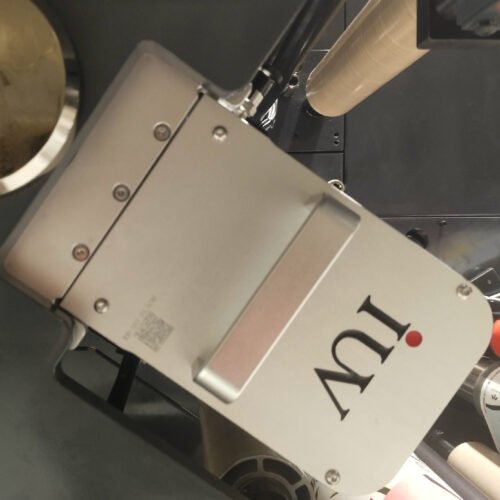
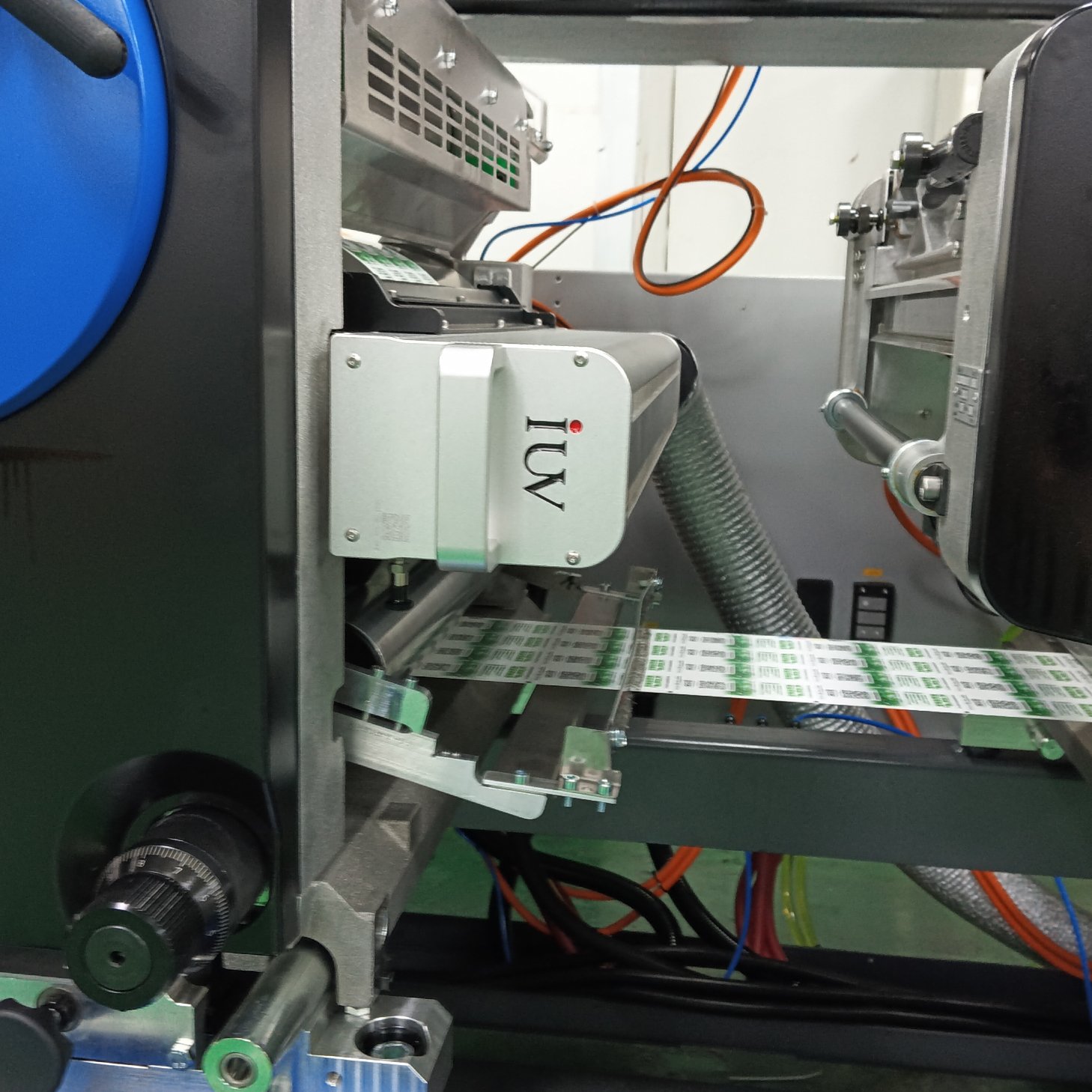
Proper UV curing directly affects label performance from press to end use. In label production, flexo, gravure and narrow-web processes demand consistent cure to secure adhesion and long-term durability. This article explains how UV and LED curing influence print quality, adhesion to substrates, and resistance to abrasion, solvents and environmental aging.
Fundamentals of UV Curing in Label Printing
UV curing uses photoinitiators in inks and coatings to trigger rapid polymerization when exposed to UV energy. That rapid conversion turns liquid monomers and oligomers into a solid crosslinked network. The degree of conversion, often called cure level, determines surface hardness, chemical resistance and bond strength. For labels, curing must balance surface cure with through-cure to avoid tacky films or brittle layers.
LED vs. Mercury UV Sources
Traditional mercury lamps emit a broad UV spectrum, including short wavelengths that activate many photoinitiators. LED UV systems provide narrow-band output, typically centered at 385–405 nm. LEDs offer instant on/off control, lower heat load and longer lamp life. However, LED curing requires ink and coating chemistries tailored to its specific wavelengths. Proper selection of photoinitiators and formulation adjustments is necessary when switching lamp types.
Adhesion Mechanisms and Substrate Interaction
Adhesion depends on mechanical interlocking, chemical bonding and surface energy compatibility. Paper, films and metallized substrates each present unique challenges. Low surface energy films need pretreatment such as corona discharge to raise dyne levels. For metallized or coated substrates, primers or adhesion promoters often improve wetting and bonding. A fully crosslinked UV film contributes to cohesive strength and prevents interlayer failure.
How Proper Curing Improves Adhesion
Complete polymerization reduces the presence of residual monomers and tacky regions that can compromise adhesive bonds. A properly cured ink film resists displacement during label converting and application. Curing that achieves adequate through-cure minimizes migration of plasticizers and solvents that can weaken adhesive interfaces. Consistent energy delivery across the web prevents weak zones that might delaminate under stress.
Enhancing Durability Through Crosslink Density
Durability arises from a dense, well-formed polymer network. Higher crosslink density increases abrasion and chemical resistance, and improves resistance to solvents encountered in packaging environments. Controlled curing parameters yield films with balanced flexibility and hardness. Over-curing can induce brittleness and micro-cracking, especially on flexible films. Optimizing crosslink density keeps labels resilient during contraction, expansion and flexing.
Key Parameters in UV Curing
Three parameters control cure: irradiance (mW/cm²), dose or energy (mJ/cm²), and exposure time. Web speed and lamp power determine the delivered dose. Uniform lamp alignment and stable electrical supply ensure repeatable results. For LED systems, peak wavelength matching and module cooling influence output stability. Monitoring real-time irradiance with calibrated sensors helps maintain target cure levels.
Addressing Oxygen Inhibition
Oxygen can quench radical polymerization at the surface, creating a tacky skin on acrylate-based formulations. Strategies to minimize oxygen inhibition include using higher lamp power, slower web speeds, formulation with less oxygen-sensitive photoinitiators, or employing nitrogen inerting. Surface-cure additives and post-flash treatments can also improve surface cure without affecting bulk properties.
Process Challenges in Flexo, Gravure and Narrow-Web Printing
Flexo and gravure processes apply thin films at high speeds, which requires precise control over ink film thickness and cure dose. Narrow-web presses operate with tight web handling and close register demands. LED arrays must be configured to achieve uniform exposure across the machine width. Heat management is critical; too much heat can distort films or adhesives, while insufficient cure produces tack and adhesion failure. Calibration between press speed, lamp settings and ink formulation is therefore essential.
Ink Formulation and Photoinitiator Selection
Formulators optimize monomer/oligomer chemistry for flexibility, adhesion and cure speed. Pigment load, filler content and rheology all influence cureability. Photoinitiator systems must absorb the lamp’s emission and generate radicals efficiently. For LED curing, photoinitiators with strong absorption at 385–405 nm improve conversion. Co-initiators and synergists can boost surface cure and lower required energy.
Common Defects and Root-Cause Remedies
- Tacky films: increase dose, adjust photoinitiator, or employ nitrogen inerting.
- Delamination: improve surface pretreatment or primers, ensure uniform cure through film.
- Cracking or brittleness: reduce crosslink density, lower dose, or modify oligomer flexibility.
- Whitening or haze on films: reduce heat exposure, optimize ink/film compatibility.
Systematic root-cause analysis combining process logs, visual inspection and laboratory testing pinpoints corrective actions.
Quality Control and Test Methods
Routine QC verifies adhesion and durability using standardized tests. Cross-hatch adhesion and tape pull tests detect intercoat failure. Solvent rubs, such as MEK double rub, assess chemical resistance. Abrasion testing, including Taber cycles, quantifies wear resistance. Accelerated weathering chambers evaluate UV and ozone exposure effects. Logging cure meter readings and correlating them with QC results maintains process control.
Best Practices for Pressrooms
- Match ink and coating chemistry to the chosen UV source.
- Validate cure across production speeds and substrate types.
- Maintain lamp modules and cooling systems for consistent output.
- Use surface pretreatments when necessary and test primer performance.
- Keep detailed records of irradiance, web speed and process changes.
Training press operators on cure fundamentals reduces variability and rejects.
Transitioning to LED: Practical Considerations
Converting to LED often reduces energy consumption and setup time. Review ink and coating specs for LED compatibility before conversion. Conduct trial runs to determine required irradiance and assess adhesion on all substrates. Plan for potential photoinitiator reformulation and coordinate with ink suppliers. Properly executed transitions yield improved uptime, less waste and better thermal control for heat-sensitive materials.
Conclusion
Correct UV curing practice strengthens adhesion and extends label durability across flexo, gravure and narrow-web production. Control of irradiance, dose, formulation and substrate pretreatment yields robust, reliable labels. Implementing targeted testing and systematic process controls prevents common defects and stabilizes long-term performance. For operations aiming to improve label quality, a combined focus on chemistry, equipment and measurement delivers measurable gains.