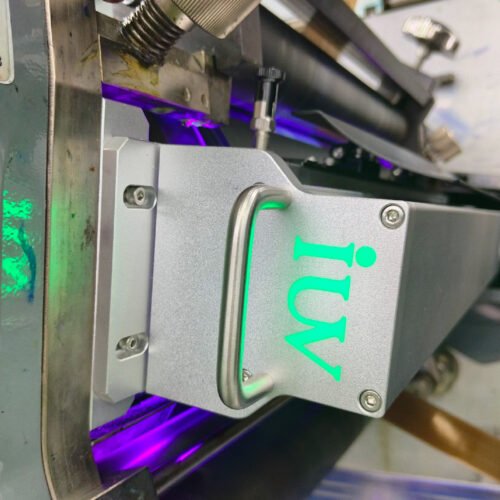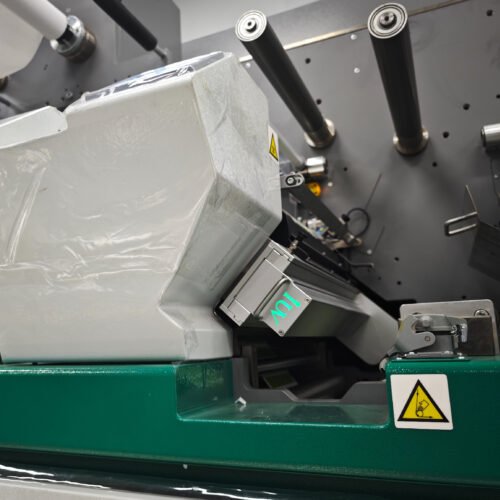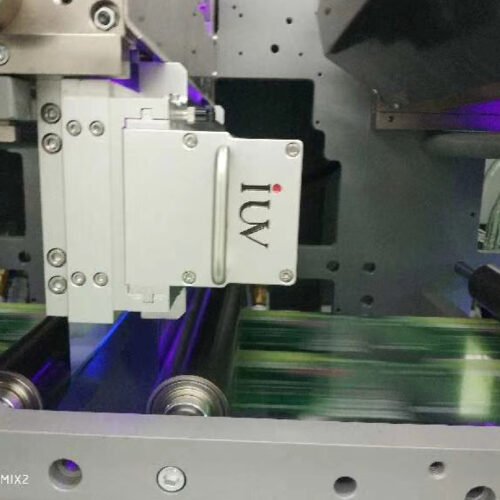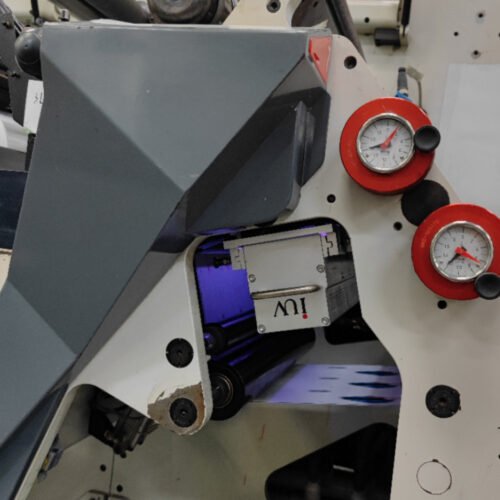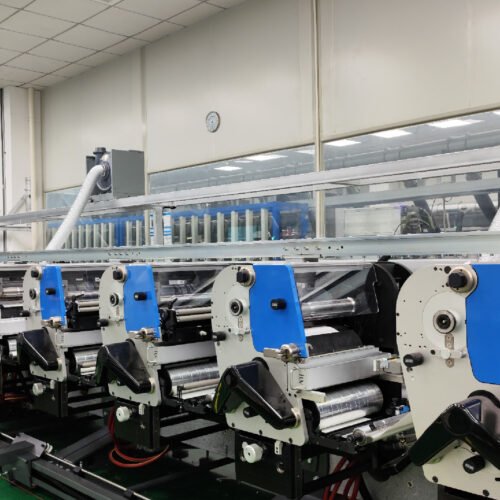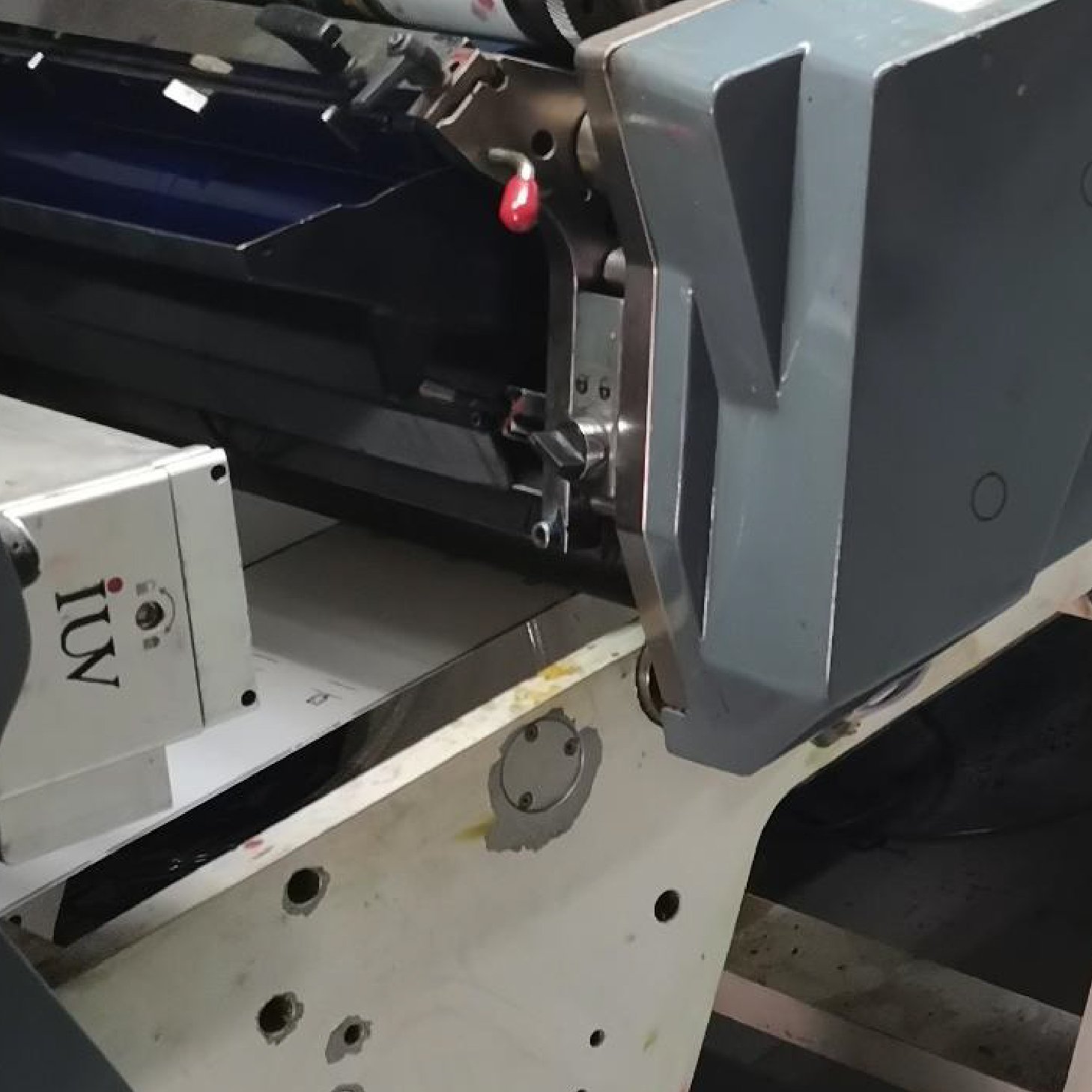
Balancing UV curing speed and print quality is a routine challenge for label converters. Rapid curing boosts throughput but can impact adhesion, gloss, and tactile properties. Slower cure cycles may improve finish but reduce line efficiency. This article outlines practical approaches for narrow web, flexographic, and gravure label presses that use LED and conventional UV systems.
Fundamentals of UV Curing for Labels
UV curing uses photoinitiators in inks and coatings that polymerize under ultraviolet light. The process converts liquid formulation into a solid film instantly. Two main lamp types are in use: medium-pressure mercury lamps and LED lamps. Each lamp type delivers different spectral energy and heat characteristics. Ink chemistry, substrate, and lamp settings together determine cure performance.
LED vs. Mercury UV: Key Differences
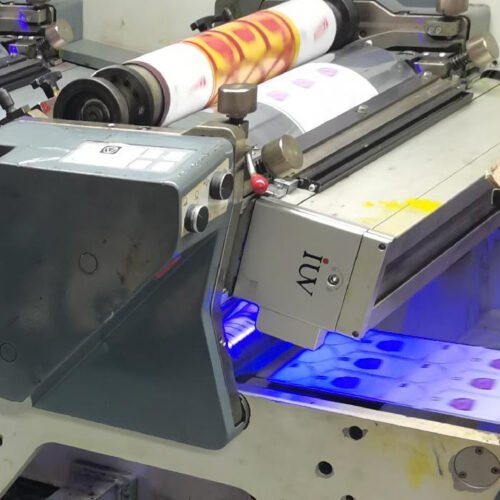
LED lamps emit a narrow UV spectrum, usually around 385–405 nm. They run cooler and have instant on/off capability. Mercury lamps offer broader spectra, including UVA and UVB, which suit a wider range of photoinitiators. Mercury lamps generate more heat and require warm-up. Choose lamp type that matches ink photoinitiator absorption for best cure response.
Flexo Printing: Speed and Quality Considerations
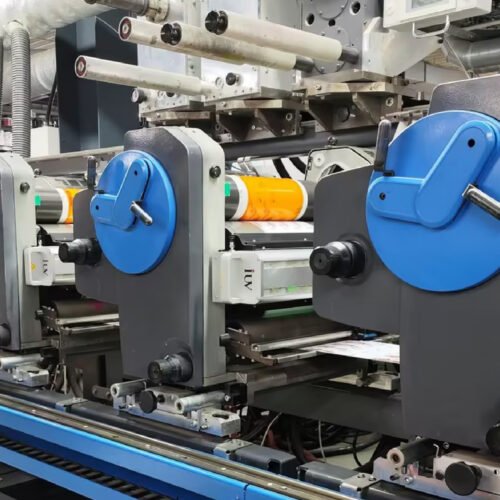
Flexographic label printing often uses quick cycles and thin ink film weights. High line speeds can lead to undercure or tacky surfaces. To prevent these defects, optimize anilox selection, ink viscosity, and lamp power. Increase lamp intensity in measured steps and perform tack tests after any change. Use chill rollers or air cooling to manage web temperature when using mercury lamps.
Gravure (Rotogravure): Curing at High Ink Loads
Gravure presses deposit thicker ink films and require deeper UV penetration. Thicker films need higher dose or two-stage curing strategies. A combination of pre-exposure with LED and final pass under a mercury source can yield full cure without surface over-baking. Adjust ink formulations to include photoinitiators that absorb at the lamp wavelengths used on press.
Narrow Web Presses: Constraints and Strategies
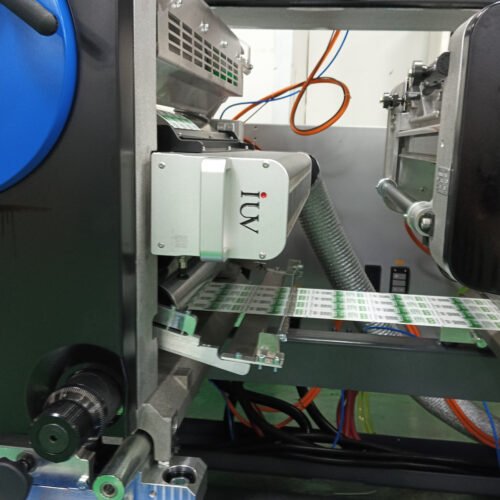
Narrow web label presses have compact footprints and often integrate multiple processes. Limited dwell time between print stations reduces cure window. Use high-efficiency LED arrays positioned close to the web to increase dose. Consider inline corona or plasma treatments to enhance adhesion on challenging substrates. Also monitor web tension to prevent misregistration when temperatures change.
Ink and Coating Formulation
Ink rheology and photoinitiator selection control cure response. Low-viscosity inks spread thinly, aiding faster cure but may alter gloss. Choose photoinitiators with peak absorption matching lamp emission. For LED systems, shift to alpha-cleavage or acylphosphine oxide initiators that absorb at 395 nm. For mixed lamp systems, use a blend of initiators to ensure both surface and through cure.
Substrate Effects on Cure
Paper, film, and metallized facestocks have different thermal and optical properties. Opaque or pigmented substrates can reflect or absorb UV, influencing cure. Films like BOPP and PET may require primer layers for adhesion. Metallized stocks conduct heat and alter reflectance, which can cause local overcure or print defects. Test each substrate-printer-ink combination before scaling production.
Measuring Cure: Practical Tests
Simple tactile tests provide quick field feedback. Rub with isopropyl alcohol and assess for ink transfer. Perform cross-hatch adhesion tests and tack measurements with a looping tester. For quantitative assessment, use pendulum hardness, FTIR to measure double bond conversion, or photo-DSC in a lab. Regular testing prevents costly rejects and ensures consistent product.
Balancing Line Speed and UV Dose
Curing energy is a function of intensity and exposure time. At a fixed lamp power, increasing line speed reduces dose and can undercure. To maintain cure at higher speeds, raise lamp intensity or add additional lamp heads. Avoid overcompensating with excessive temperature, which can warp thin liners or degrade adhesives. Use gradual adjustments and document effects on print output.
Thermal Management and Web Handling
Excess heat can soften adhesives and distort films. Implement cooling strategies such as chilled rollers, forced air cooling, or heat-sink backing. Monitor web path to minimize dwell at heated zones. Tension control helps maintain registration as temperatures change. Consider UV LED systems when thermal sensitivity is a concern.
Optical and Mechanical Effects of Curing
Cure level affects gloss, rub resistance, and tactile feel. Overcured films often become brittle and lose elongation. Undercured films remain tacky and attract contaminants. UV coatings can enhance gloss and scuff resistance but may alter color or opacity. Balance coating weight and cure to achieve desired surface properties without sacrificing mechanical performance.
Process Controls and Automation
Modern presses allow closed-loop control of lamp power and web speed. Use integrated sensors to log dose and detect lamp aging. Implement recipe management to recall settings for specific jobs. Train operators to understand trade-offs between speed and cure, and to perform rapid checks during press runs. Consistent records simplify troubleshooting and reduce waste.
Common Defects and Remedies
- Tacky surface: increase dose, change photoinitiator, reduce film thickness, or add post-cure.
- Surface cracking: reduce peak intensity, lower ink film thickness, or adjust polymer matrix.
- Adhesion failure: add primer, increase corona treatment, or switch to a compatible ink.
- Yellowing: use lower-energy lamps or select photoinitiators with less visible coloration.
Safety and Environmental Considerations
UV systems require safeguards for operators. Install interlocks and shields to prevent exposure. LED systems reduce ozone generation compared to mercury lamps. Proper lamp disposal and ventilation remain necessary. Consider lifecycle implications when selecting lamp types and ink chemistries.
Testing and Validation Before Scale-Up
Run press trials that mirror production speed and environmental conditions. Test samples after artificial aging and adhesive application. Validate that labels meet peel strength, tumble resistance, and ink migration criteria. Keep a database of validated recipes for each substrate and lamp combination.
Conclusion
Optimizing curing speed and print quality requires a systems approach. Match ink chemistry to lamp output, control web handling, and use objective cure tests. Small incremental changes often produce the best balance between throughput and finish. With proper testing and process control, converters can raise productivity without compromising label performance.