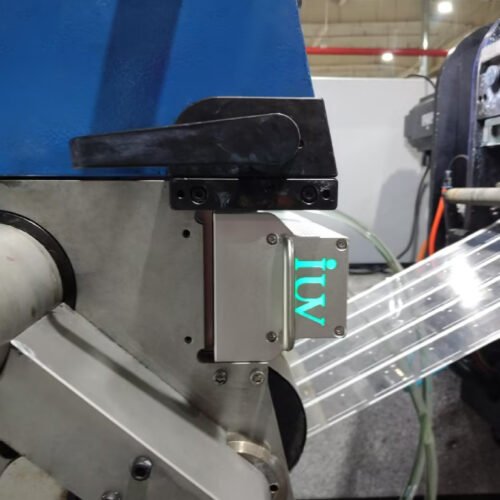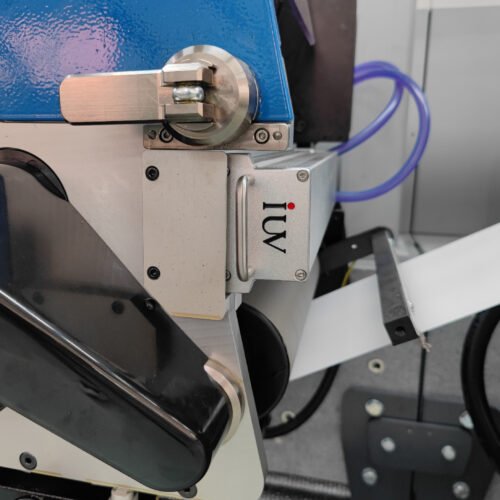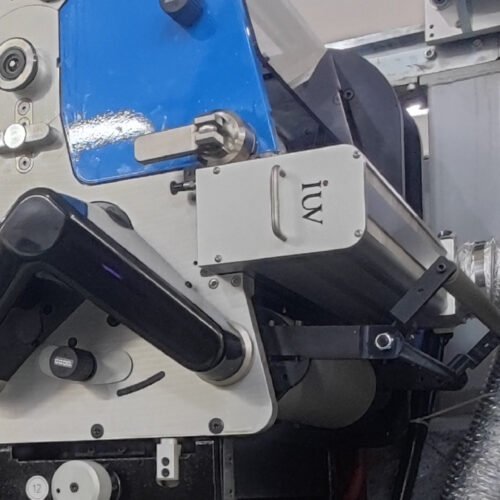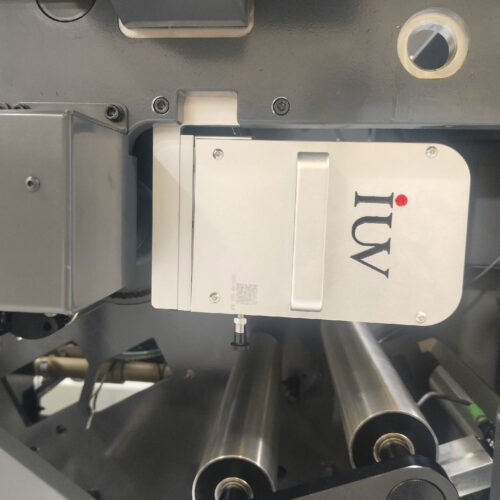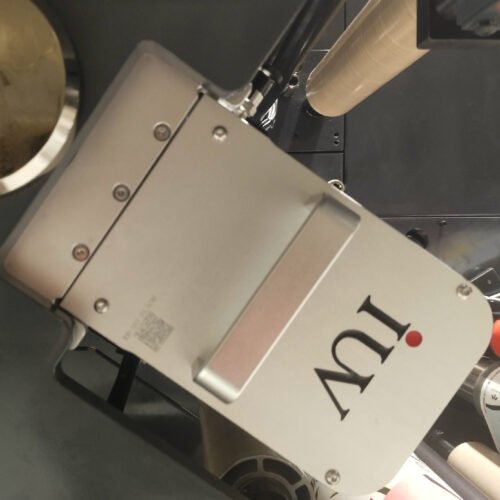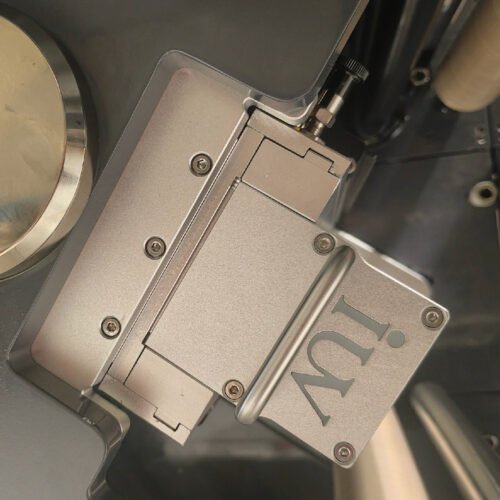
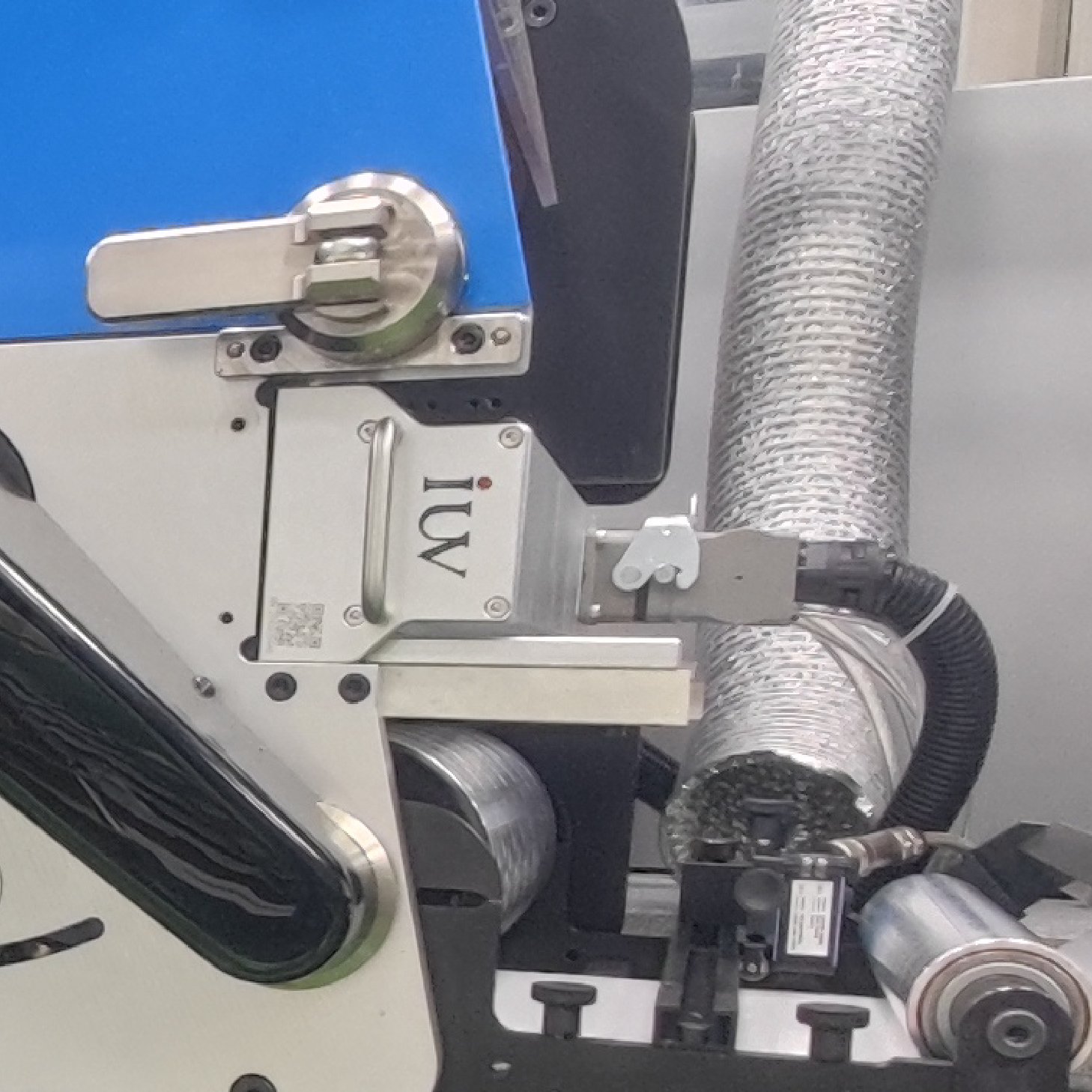
The printing industry is in constant evolution, seeking more efficient and sustainable solutions. For thin film and pressure-sensitive label printing, a significant advancement has been the integration of LED UV curing technology within flexographic printing processes. This innovative approach offers a compelling alternative to traditional methods, promising enhanced quality, speed, and environmental benefits.
Understanding the Challenges of Thin Film and Pressure-Sensitive Label Printing
Printing on thin films presents unique hurdles. These materials, often less than 50 microns thick, can be prone to stretching, distortion, and heat damage. Maintaining precise registration and achieving consistent ink laydown are critical. Similarly, pressure-sensitive labels require specific ink adhesion properties and often involve complex multi-layer constructions. Traditional curing methods, like mercury vapor lamps, can generate substantial heat, exacerbating these challenges. This heat can cause substrate shrinkage, affecting label dimensions and die-cutting accuracy. Furthermore, mercury lamps have a shorter lifespan and require more frequent maintenance.
The Rise of LED UV Curing in Flexography
Flexographic printing, with its inherent flexibility and adaptability, has proven to be an ideal platform for integrating LED UV curing. Unlike conventional mercury lamps that emit a broad spectrum of UV light, LED UV systems utilize specific wavelengths tailored for efficient ink curing. This targeted approach offers several advantages.
Key Benefits of LED Flexo for Label Printing
1. Reduced Heat Input: This is perhaps the most significant advantage for thin film applications. LED UV lamps generate far less heat than mercury lamps. This drastically minimizes the risk of substrate deformation, shrinkage, and stretching. Printers can maintain tighter tolerances and achieve better registration, which is paramount for high-quality label production, especially for intricate designs and small text.
2. Energy Efficiency: LED UV systems consume considerably less energy compared to their mercury counterparts. This translates directly into lower operational costs for printing facilities. The energy saved not only benefits the bottom line but also contributes to a more sustainable printing operation.
3. Longer Lamp Lifespan and Lower Maintenance: LED UV lamps boast an impressively long operational life, often exceeding 20,000 hours. This significantly reduces downtime associated with lamp replacement and maintenance. The consistent performance of LEDs also means less variation in curing output over time, leading to more predictable print quality.
4. Instant On/Off and Precise Control: LEDs can be switched on and off instantaneously. This allows for precise control over the curing process, especially important when running at high speeds or when dealing with sensitive inks and substrates. It also eliminates the warm-up and cool-down periods associated with mercury lamps, further improving productivity.
5. Environmental Advantages: Beyond energy efficiency, LED UV curing eliminates mercury from the printing process, addressing environmental concerns associated with the disposal of mercury-containing lamps. Many LED UV curable inks and coatings are also formulated with lower VOCs (Volatile Organic Compounds), contributing to a healthier working environment and reduced emissions.
6. Improved Ink Performance and Adhesion: LED UV curable inks are specifically formulated to cure under the specific wavelengths emitted by LED lamps. This results in excellent ink hardness, scratch resistance, and chemical resistance. For pressure-sensitive labels, robust ink performance is vital for product durability and brand integrity. The controlled curing process ensures that inks bond effectively to various filmic substrates, preventing delamination and ensuring vibrant, long-lasting graphics.
Optimizing Thin Film Substrates with LED Flexo
Printing on substrates like PET, BOPP, and PVC requires meticulous control. The low-heat nature of LED UV curing allows these films to remain stable throughout the printing process. This stability is crucial for maintaining the integrity of the printed image and for ensuring accurate die-cutting and slitting operations downstream. Registration issues, a common problem with heat-sensitive films, are significantly reduced, leading to fewer production errors and less waste. The ability to run at higher speeds without compromising substrate integrity is a major productivity gain.
Enhancing Pressure-Sensitive Label Quality
For pressure-sensitive labels, the demands on ink and substrate interaction are high. LED flexo printing enables printers to achieve superior print quality with enhanced durability. The rapid and efficient curing ensures that inks are fully cross-linked, providing excellent adhesion to the label face stock and resistance to environmental factors such as moisture, oils, and abrasion. This is particularly important for labels used on consumer goods, food and beverage products, and industrial applications where longevity and visual appeal are critical.
Narrow Web Printing and LED Flexo Integration
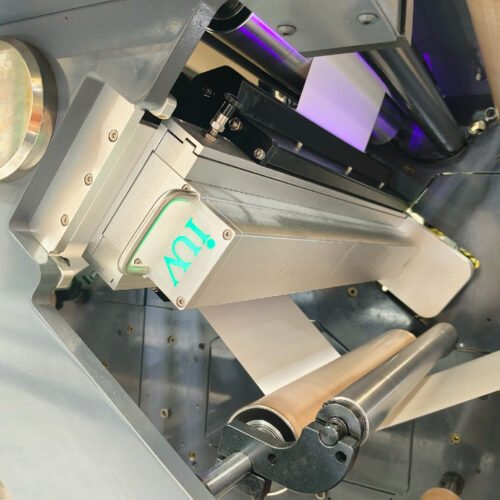
Narrow web printing, the predominant method for label and flexible packaging production, is a natural fit for LED flexo technology. Most narrow web presses can be retrofitted with LED UV curing units, offering a relatively straightforward path to adopting this advanced technology. The compact nature of LED lamps also allows for easier integration into existing press configurations, often requiring less physical space than traditional UV systems.
Considerations for Implementing LED Flexo Technology
While the benefits are substantial, successful implementation requires careful planning.
1. Ink Compatibility: Not all traditional UV inks are suitable for LED curing. It is essential to use inks specifically formulated for LED UV systems. These inks are designed to cure efficiently at the specific wavelengths (typically 365nm, 385nm, 395nm, or 405nm) emitted by the LED lamps.
2. Substrate Preparation: While LED UV reduces heat, proper substrate preparation remains important for optimal ink adhesion. Surface tension and cleanliness play a role in achieving the best results.
3. Press Modifications: While many presses can accommodate LED UV units, some modifications might be necessary depending on the existing setup and the desired curing intensity and placement. This includes considerations for ventilation and power supply.
4. Investment Costs: The initial investment in LED UV curing systems can be higher than for traditional mercury systems. However, the long-term savings in energy, maintenance, and reduced waste often provide a strong return on investment.
The Future of Label Printing with LED Flexo
LED flexo technology is no longer a niche solution; it is rapidly becoming a mainstream technology for label and flexible packaging converters. Its ability to address the specific demands of thin film and pressure-sensitive label printing, coupled with its environmental and economic advantages, positions it as a key driver of innovation in the printing industry. As the technology continues to mature and become more accessible, its adoption is expected to accelerate, further solidifying its role in creating high-quality, sustainable printed labels. The precision, efficiency, and environmental responsibility offered by LED flexo make it an indispensable tool for printers looking to stay competitive in today’s market.