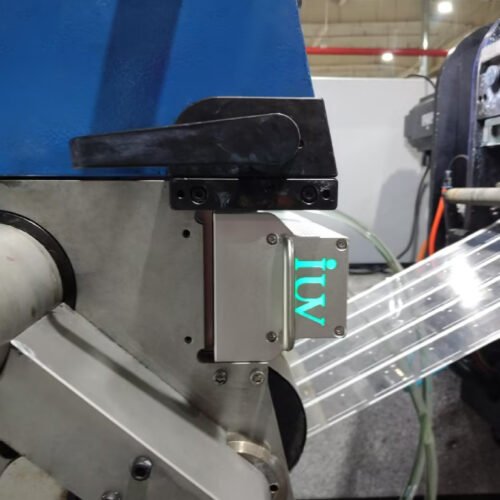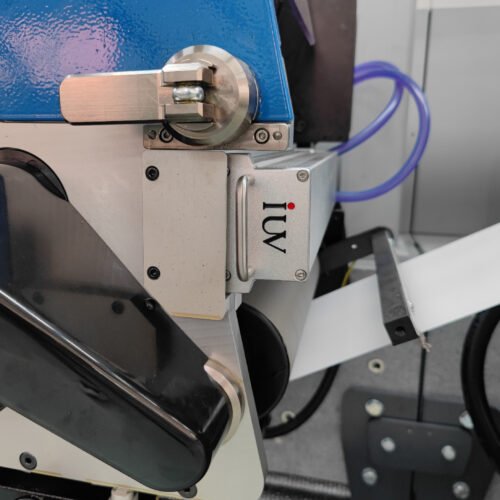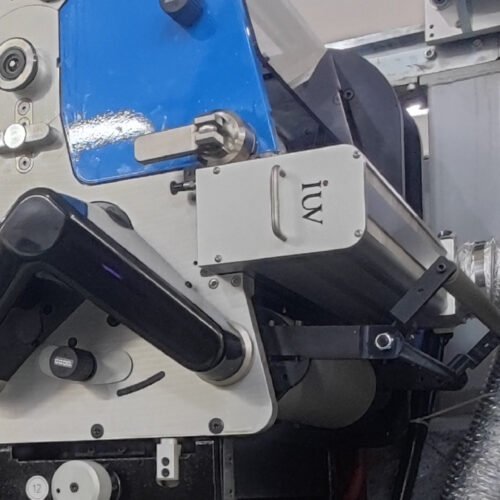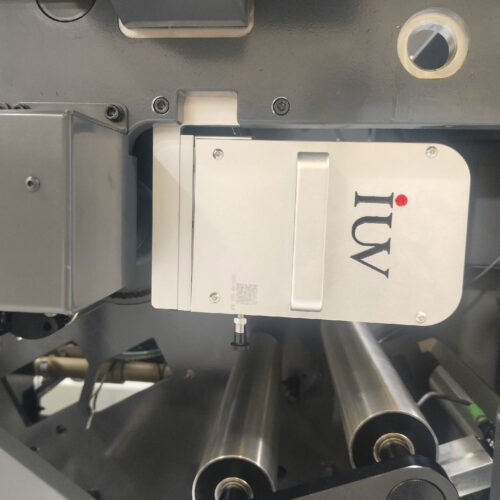
The world of narrow-web flexographic printing is constantly seeking ways to boost efficiency and output. For decades, traditional UV curing systems have been the go-to technology for achieving fast drying times and durable prints. However, a significant shift is underway, driven by the advent and refinement of LED UV curing technology. This innovation is not just an incremental improvement; it’s a transformative force reshaping productivity on the narrow-web flexo press.
The Limitations of Traditional UV Curing
Before diving into the advantages of LED curing, it’s helpful to understand the challenges presented by conventional mercury-vapor UV lamps. These lamps operate at high temperatures, requiring substantial energy input. This heat can be a significant issue in narrow-web printing, where sensitive substrates like thin films and certain papers are common. The excessive heat can lead to substrate distortion, delamination, and even scorch marks, necessitating costly waste and slower production speeds to manage heat buildup.
Furthermore, mercury lamps have a finite lifespan and their UV output degrades over time. This means that maintaining consistent curing performance requires frequent lamp replacements and adjustments to press settings. The mercury content also presents environmental concerns and disposal challenges, adding another layer of complexity to operations. The immediate on/off capability, a hallmark of modern printing, is also not a characteristic of mercury lamps, which require a warm-up period and cool-down time, impacting job setup and changeovers.
The Rise of LED UV Curing Technology
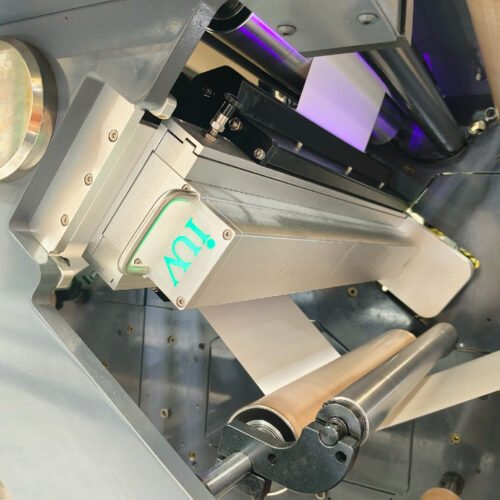
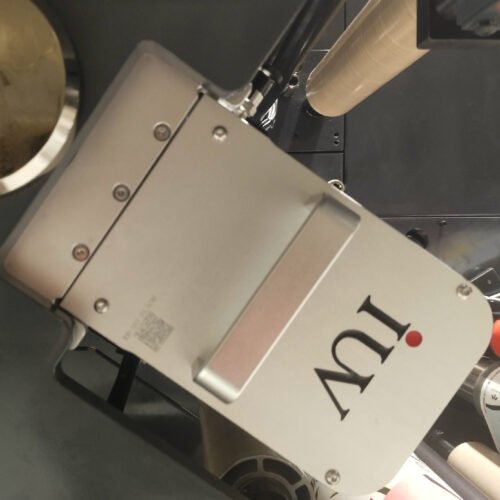
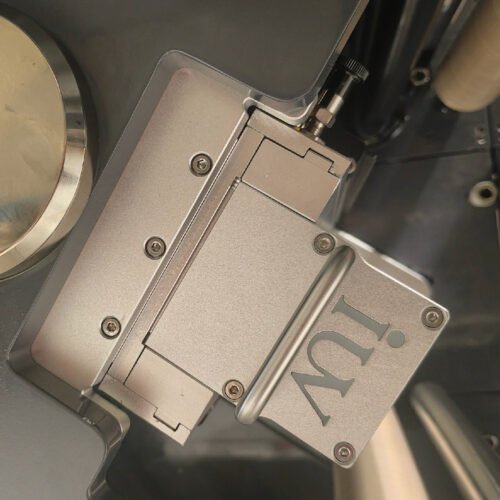
LED UV curing technology utilizes light-emitting diodes to generate UV light. Unlike mercury lamps, LEDs emit a specific wavelength of UV light, typically in the UVA spectrum. This targeted emission is highly efficient in initiating the photo-initiators within UV inks and coatings. The result is rapid and thorough curing, achieving the same or even better print quality as traditional systems but with several key advantages.
One of the most significant benefits of LED curing is its drastically lower heat output. This is a game-changer for narrow-web applications. Printers can now run sensitive substrates at higher speeds without the risk of thermal damage. This opens up new possibilities for material selection and expands the range of labels and packaging that can be produced on flexo presses. The reduced heat also means less strain on the press itself, potentially extending the life of mechanical components.
Enhanced Productivity Through Speed and Efficiency
The primary driver for adopting LED curing in narrow-web flexographic printing is the substantial increase in productivity it enables. Because LED systems deliver high-intensity UV light precisely when and where it’s needed, curing is almost instantaneous. This allows presses to run at their maximum mechanical speeds without the bottleneck of ink drying. Slower press speeds due to heat management or inadequate traditional UV curing are eliminated.
Job changeovers are also streamlined. LED lamps reach their full curing power immediately upon activation. There is no warm-up or cool-down period. This means less downtime between print runs, which is critical for short-run, high-mix label printing common in the narrow-web sector. The ability to switch on and off instantly also contributes to energy savings, as power is only consumed during actual printing.
Energy Savings and Environmental Benefits
The energy efficiency of LED UV curing is another compelling reason for its adoption. LEDs consume significantly less energy compared to mercury vapor lamps for the same UV output. This translates directly into lower electricity bills for printing operations. The reduced energy consumption also contributes to a smaller carbon footprint, aligning with the growing demand for sustainable printing practices.
From an environmental perspective, LEDs do not contain mercury, eliminating the hazards associated with its handling and disposal. This simplifies compliance with environmental regulations and makes operations safer for personnel. The longer lifespan of LED modules also means fewer replacements and less waste generated over time.
Improved Curing Performance and Ink Compatibility
Modern LED UV curing systems offer precise control over the UV output, including wavelength and intensity. This allows for optimized curing of specialized UV inks, coatings, and varnishes. The targeted wavelengths ensure that photo-initiators are activated efficiently, leading to excellent cure depth and surface hardness. This results in prints that are more resistant to scratching, chemicals, and abrasion, meeting the stringent demands of many label and packaging applications.
The development of new ink formulations specifically designed for LED curing has further enhanced performance. These inks often offer vibrant color reproduction, excellent adhesion, and superior durability, allowing printers to achieve premium results. The consistency of LED output ensures predictable curing results, batch after batch, reducing the need for constant monitoring and adjustments.
Reduced Maintenance and Operational Costs
The longevity of LED UV curing modules is a significant operational advantage. While mercury lamps typically need replacement every 1,000-3,000 hours, LED modules can last 10,000-20,000 hours or more. This drastically reduces the frequency of lamp replacements, leading to substantial savings on consumables and labor.
Furthermore, LED systems generate less heat, which means less burden on the press’s cooling systems. This can lead to fewer mechanical issues and a more stable operating environment. The absence of warm-up and cool-down cycles also reduces wear and tear on related press components, contributing to overall lower maintenance costs.
Applications in Narrow-Web Flexography
The impact of LED curing is particularly profound in the narrow-web flexographic printing segment. This sector often handles short runs, rapid changeovers, and a wide variety of substrates. LED technology directly addresses these needs:
- Label Printing: From durable industrial labels requiring high chemical resistance to eye-catching prime labels for consumer goods, LED curing ensures consistent quality and high throughput for all types of labels.
- Flexible Packaging: The ability to print on heat-sensitive films without warping or damage is crucial for flexible packaging. LED curing allows for faster processing of these materials, improving competitiveness.
- Specialty Printing: Applications like shrink sleeves, in-mold labels, and security printing benefit from the precise curing and enhanced durability that LED technology provides.
Addressing the Transition and Future Outlook
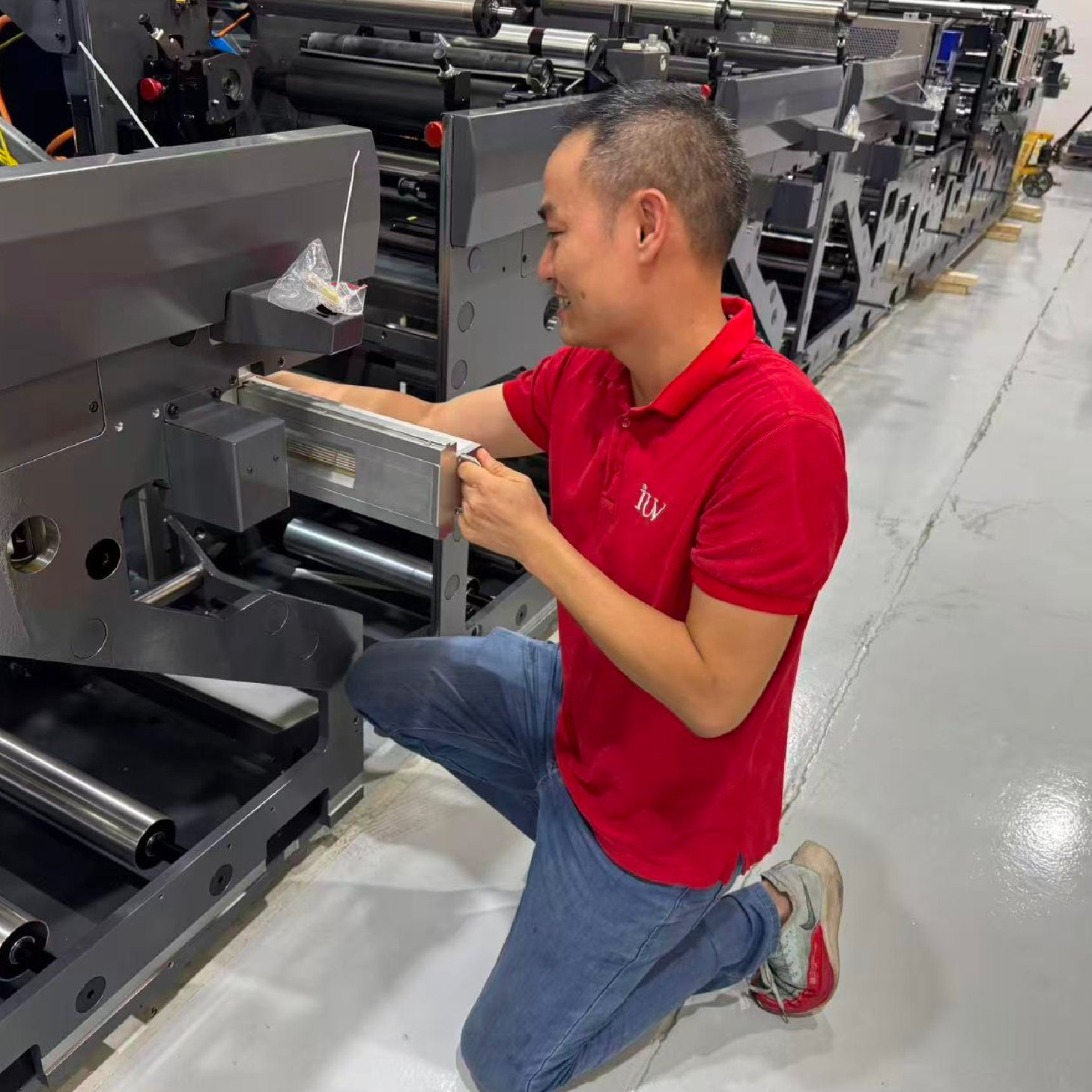
While the benefits are clear, some printers may hesitate due to the initial investment in LED curing systems. However, when considering the total cost of ownership, including energy savings, reduced waste, lower maintenance, and increased productivity, the return on investment (ROI) is often compelling. Many press manufacturers now offer narrow-web flexo presses pre-equipped with LED UV curing, or provide straightforward retrofit options for existing machines.
The trend towards more sustainable and efficient printing processes will only accelerate the adoption of LED UV curing. As technology continues to evolve, we can expect even more advanced LED systems with higher power output and greater spectral control. For narrow-web flexographic printers looking to stay competitive, embracing LED curing is not just an option, it’s a strategic imperative for transforming productivity and unlocking new levels of performance.