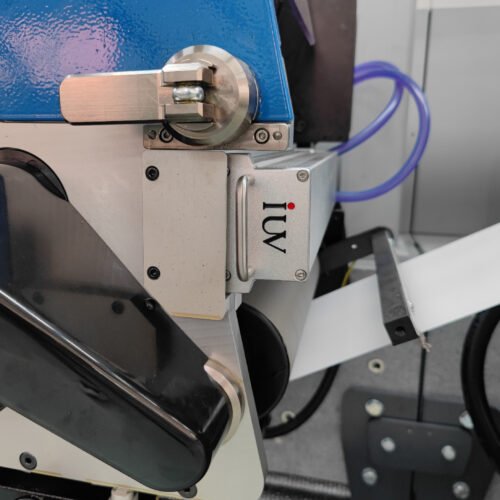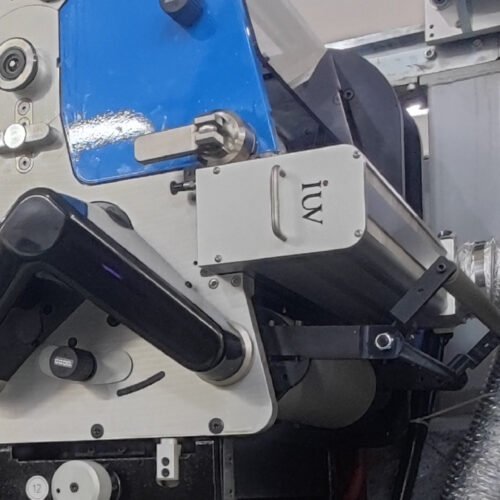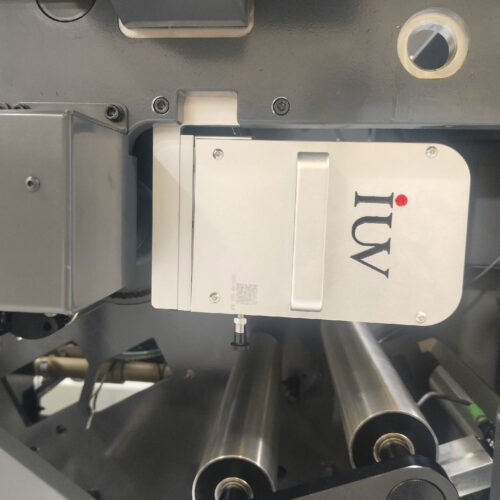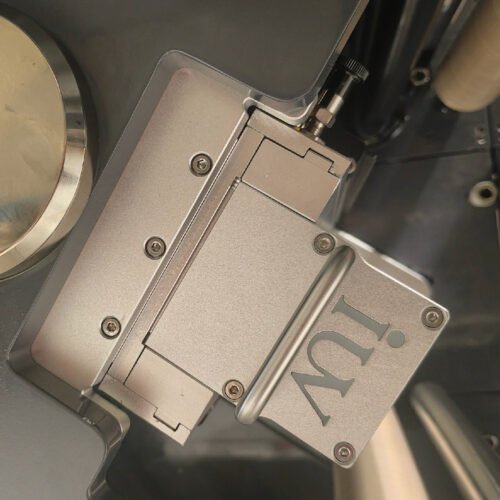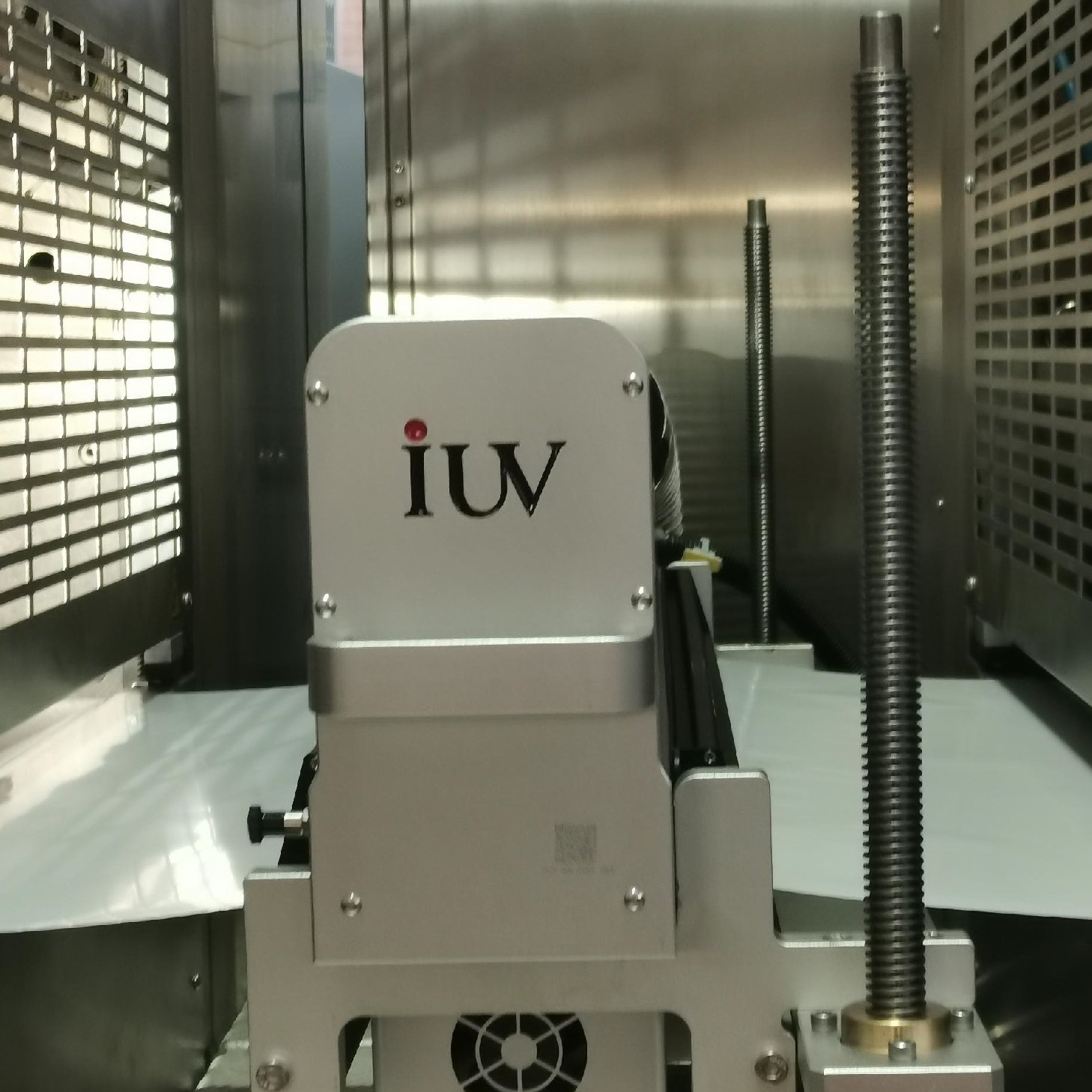
Flexographic printing, a cornerstone of the label and packaging industry, is constantly evolving. Manufacturers are keenly aware of the pressures to increase efficiency and minimize environmental impact. One of the most significant areas for improvement lies in waste reduction. Automated UV printing solutions are emerging as a powerful tool to achieve this goal, particularly for narrow web flexographic operations.
The Flexographic Landscape: Efficiency Meets Challenge
Flexographic printing is renowned for its speed and versatility. It’s a workhorse for printing on a wide range of substrates, from flexible films and paper to corrugated board. In the narrow web sector, where precision and high output are paramount for labels and small packaging, flexo remains dominant. However, the inherent nature of flexographic printing can lead to several waste streams.
Traditional inks often require drying times that can slow down production and necessitate waste during setup and changeovers. If inks don’t cure properly, it can result in spoilage, increased downtime for cleaning, and a higher rejection rate of finished products. Furthermore, solvent-based inks, while effective, introduce environmental concerns and often require extensive ventilation and disposal protocols.
The UV Curing Advantage: Speed and Cleanliness
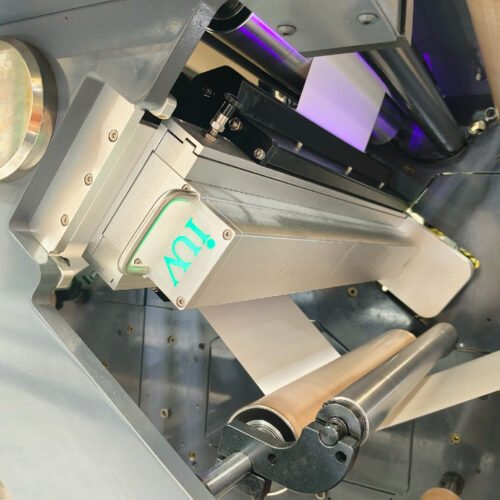
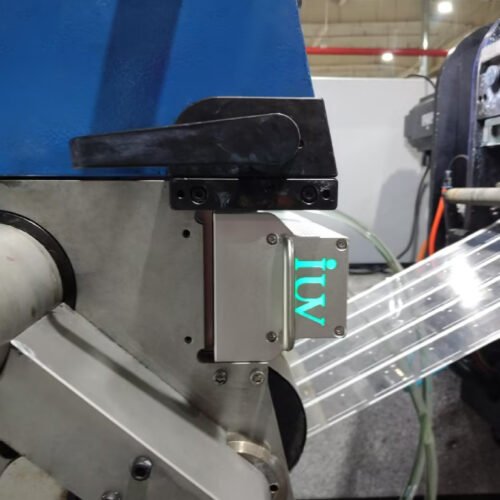
UV (ultraviolet) curing technology has revolutionized printing processes by offering rapid ink drying. Instead of relying on evaporation, UV inks and coatings are cured – or polymerized – almost instantaneously when exposed to specific wavelengths of ultraviolet light. This means inks are dry and ready for the next process or for handling as soon as they pass through the UV lamp.
For flexographic printing, this translates to several benefits. Firstly, the elimination of drying time means faster production speeds and quicker job turnaround. Secondly, it enables the printing of multiple colors in close succession without smudging or offsetting. This is crucial in narrow web printing where space is limited and efficient ink laydown is critical.
Introducing Automation to UV Flexo: The Next Frontier
While UV curing itself offers significant advantages, the real game-changer for waste reduction comes with automation. Integrating automated systems with UV curing technology in flexographic presses addresses several points of potential waste.
Smarter Ink Management and Reduced Setup Waste
Automated ink dispensing systems ensure precise ink levels in the press. Instead of manual mixing and guesswork, these systems accurately measure and deliver the required ink volumes for each job. This minimizes ink waste that occurs during manual preparation and loading.
Furthermore, automated ink wash-up systems are a critical component. These systems use specialized cleaning solutions and programmed sequences to thoroughly clean anilox rolls, ink chambers, and other components. This not only reduces the amount of cleaning solution and water used but also significantly cuts down on the time and material wasted during press setup and changeovers. With manual cleaning, operators might use excessive cleaning agents or spend considerable time ensuring a perfect clean, often leading to some ink or cleaning fluid being discarded unnecessarily. Automated systems are optimized for efficiency.
Optimized Substrate Handling and Reduced Material Waste
Precise registration control is fundamental in flexographic printing, especially in narrow web applications where even minor misalignments can lead to material spoilage. Automated registration systems constantly monitor and adjust the printing plates and substrate path. This ensures that colors are perfectly aligned on the first print run.
The result? A dramatic reduction in waste from misregistered labels or packaging. Instead of producing entire rolls of incorrectly printed material, automated systems ensure that a perfect print is achieved from the very beginning of the run. This also minimizes the need for manual adjustments and the associated material waste that often accompanies them.
Predictive Maintenance and Reduced Downtime
Automated systems can often monitor the performance of key press components, including UV lamps. By tracking lamp energy output and operational hours, these systems can predict when maintenance is required or when lamps are nearing the end of their effective lifespan.
This predictive capability helps prevent unexpected equipment failure, which can lead to spoiled runs and costly downtime. Proactive lamp replacement based on data rather than scheduled intervals ensures optimal curing performance and avoids waste caused by under-cured ink due to weakened UV lamps. This also extends the life of the UV lamps themselves, further reducing waste associated with frequent replacement.
The Role of LED UV Technology in Waste Reduction
Modern UV curing increasingly utilizes LED (Light Emitting Diode) technology. LED UV systems offer several advantages over traditional mercury vapor lamps, further enhancing waste reduction efforts.
- Instant On/Off: LEDs can be switched on and off instantly, meaning they only consume energy and emit UV light when actively printing. This contrasts with mercury lamps that require warm-up time and remain on constantly during a print run, leading to wasted energy and potential overheating of the substrate.
- Lower Heat Output: LEDs generate significantly less heat than mercury lamps. This is particularly beneficial when printing on heat-sensitive substrates commonly used in narrow web applications, such as thin films. Reduced heat means less risk of substrate deformation or damage, thus minimizing material waste.
- Longer Lifespan and Stability: LED lamps have a much longer operational lifespan and their UV output remains more consistent over time compared to mercury lamps. This leads to more reliable curing, fewer wasted jobs due to inconsistent drying, and less frequent replacement of lamps, contributing to reduced waste.
- Energy Efficiency: LEDs are far more energy-efficient, reducing overall operational costs and the environmental footprint of the printing process. While not directly a material waste reduction, energy efficiency is a key aspect of sustainable manufacturing.
Specific Applications in Narrow Web Flexo
For narrow web flexographic printers producing labels, shrink sleeves, flexible packaging, and specialty applications, automated UV printing solutions are particularly impactful.
- High-Quality Labels: The demand for vibrant, durable, and precisely registered labels is constant. Automated UV systems ensure that every label printed meets stringent quality standards, from the first to the last, dramatically reducing rejects. The ability to achieve high gloss and matte finishes with UV coatings also adds value without adding complexity or waste.
- Shrink Sleeves: These often involve complex designs and are printed on very thin films. Precise registration and consistent curing are absolutely critical. Automated UV flexo systems prevent the costly waste associated with misregistration or poor curing on these demanding substrates.
- Flexible Packaging: For shorter runs and personalized packaging, the speed and efficiency of automated UV flexo are invaluable. Waste is minimized, allowing for more cost-effective production of smaller batches.
Making the Transition: Considerations for Implementation
Adopting automated UV printing solutions requires careful planning. Key considerations include:
- Press Capabilities: Ensuring the flexographic press is designed for or can be retrofitted with modern UV curing systems, including LED options.
- Automation Integration: Selecting systems that integrate seamlessly with existing press controls and offer robust, reliable operation.
- Ink and Coating Selection: Partnering with ink manufacturers who provide high-quality UV inks and coatings specifically formulated for automated dispensing and LED curing.
- Operator Training: Investing in training for operators to effectively manage and maintain the new automated systems.
The Future is Automated and Sustainable
The drive towards waste reduction in flexographic manufacturing is not just an environmental imperative; it’s an economic one. Automated UV printing solutions, particularly those incorporating LED UV technology, offer a clear path forward. By optimizing ink management, substrate handling, and equipment performance, these systems enable printers to achieve higher quality, greater efficiency, and significantly less waste. As technology continues to advance, the integration of automation and UV curing will undoubtedly remain at the forefront of innovation in the flexographic printing industry.