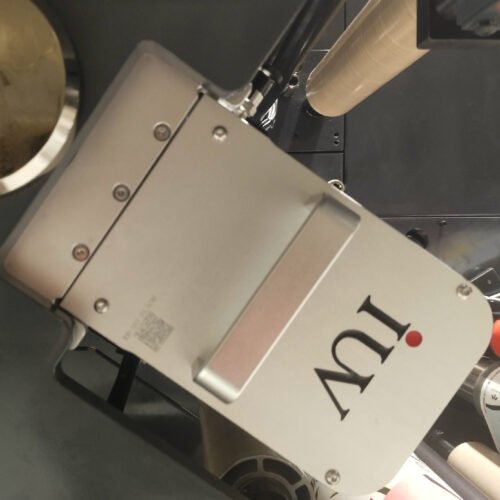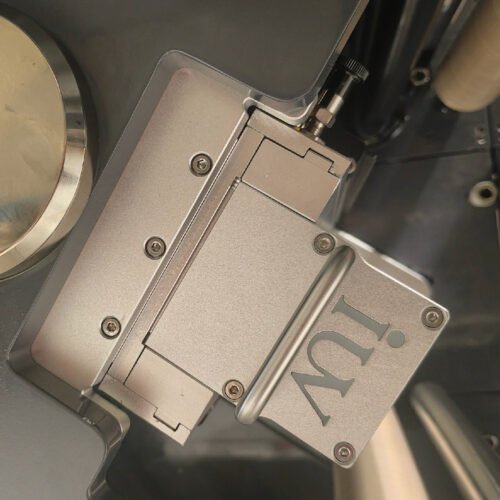
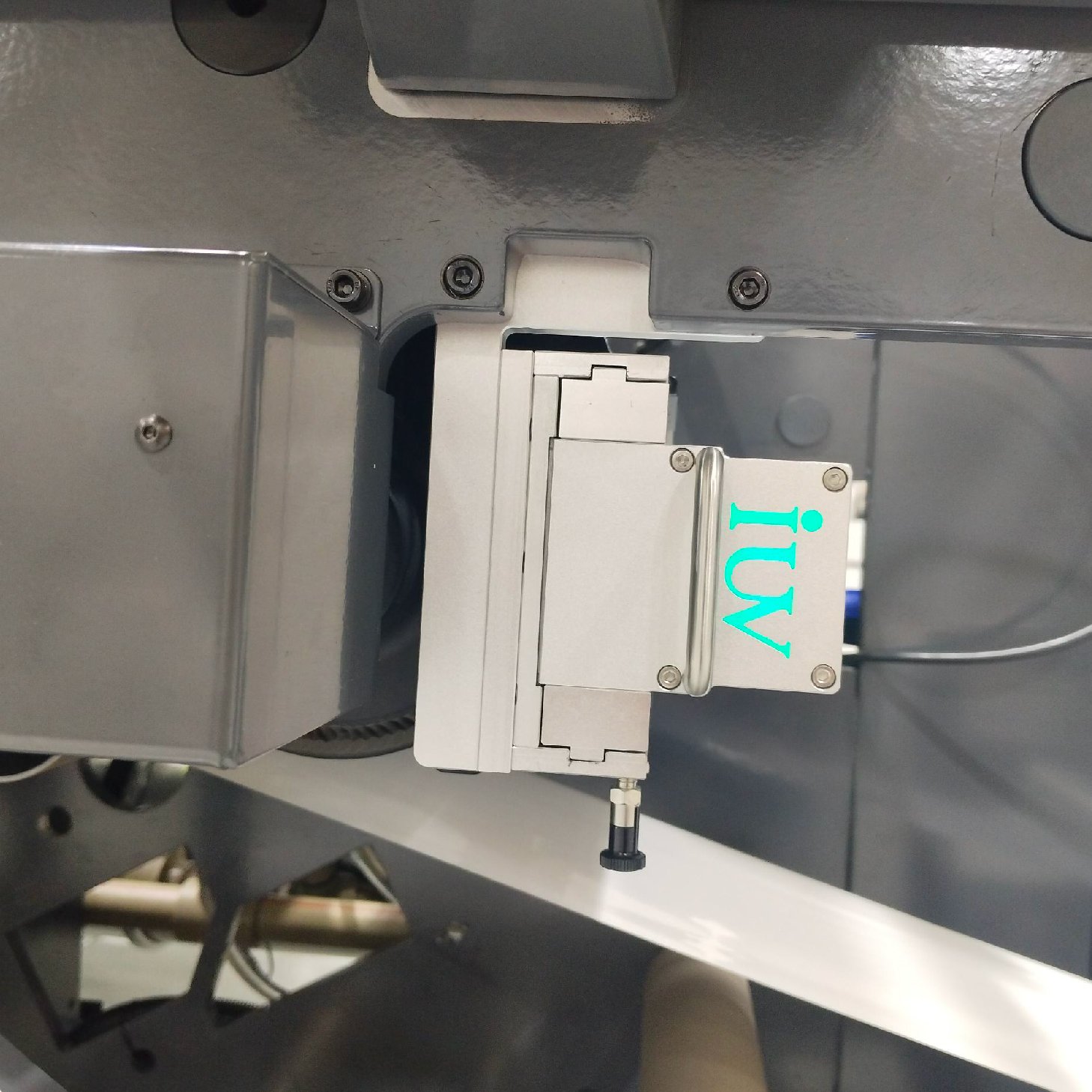
Achieving consistent curing is a constant challenge in high-speed flexographic printing. As production lines accelerate, maintaining optimal UV energy delivery becomes critical for ink adhesion, rub resistance, and overall print quality. This is where smart UV automation steps in, transforming the way narrow web printers approach curing.
Traditional UV curing systems often rely on manual adjustments and fixed settings. This approach struggles to keep pace with the dynamic nature of high-speed printing. Variations in web speed, ink laydown, and even ambient temperature can lead to under-curing or over-curing. Under-cured inks result in poor durability, while over-curing can cause substrate damage or brittleness.
The Evolution of UV Curing in Flexography
For years, mercury vapor lamps were the standard for UV curing. While effective, they present several drawbacks. Their energy output fluctuates, they generate significant heat, and their lifespan is limited. Replacing lamps and managing their performance adds complexity and cost to the printing process.
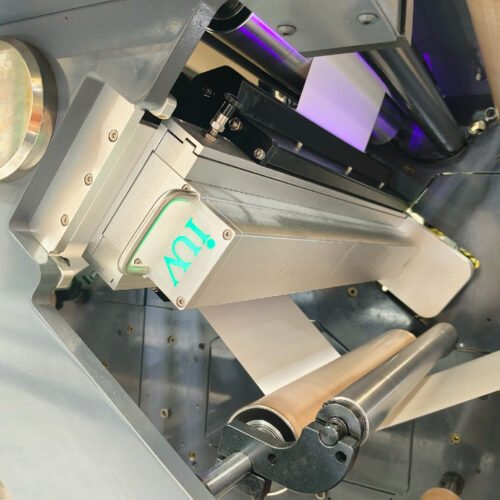
The advent of LED UV curing technology marked a significant leap forward. LEDs offer a more focused and consistent energy spectrum, longer lifespan, and lower heat generation. This translates to greater efficiency and reduced energy consumption. However, simply installing LED UV lamps is not enough to guarantee perfect curing, especially at the demanding speeds of modern flexo lines.
Why Smart UV Automation is Essential
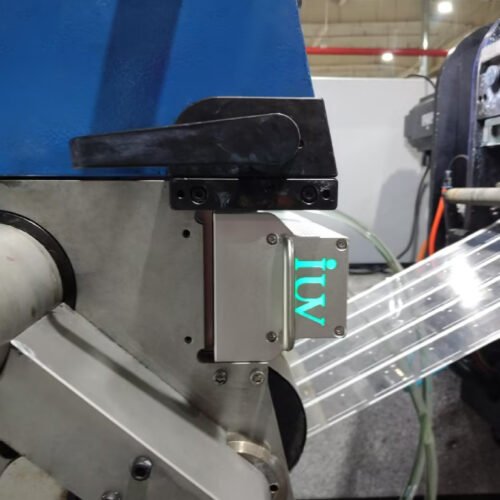
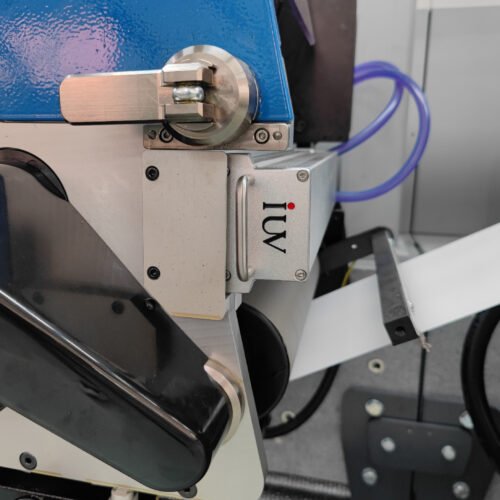
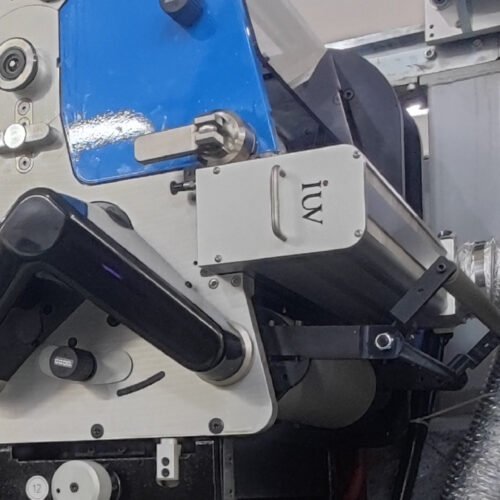
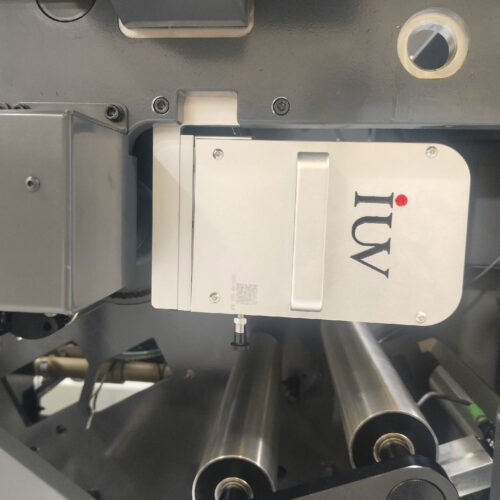
Smart UV automation integrates advanced sensors, intelligent control systems, and precise feedback mechanisms into the UV curing process. This technology goes beyond basic on/off functionality. It actively monitors and adjusts UV output in real-time, ensuring that every inch of the printed web receives the correct dose of UV energy.
This automated approach addresses several key challenges in high-speed flexo printing:
- Speed Fluctuations: In a high-speed line, even minor variations in web speed can dramatically alter the exposure time to UV light. Smart systems can detect these changes and instantaneously adjust the UV output intensity to compensate. This ensures that the total UV dose remains constant, regardless of speed variations.
- Ink Film Thickness: Different jobs require different ink densities. Thicker ink layers need more UV energy to cure properly. Conversely, thin ink layers can be over-cured if exposed to excessive energy. Smart UV systems can integrate with anilox roll data or use optical sensors to estimate ink film thickness and automatically adjust UV intensity accordingly.
- Substrate Properties: Various substrates, from thin films to thicker papers, absorb UV light differently. Some are more sensitive to heat than others. Automated systems can be programmed with substrate profiles or use sensors to detect substrate type and adjust curing parameters to prevent damage and ensure optimal adhesion.
- Environmental Factors: Changes in ambient temperature can affect the performance of UV lamps and the curing process. Smart systems can incorporate temperature sensors to make proactive adjustments, maintaining consistent curing conditions.
Key Components of Smart UV Automation
Several technological components work together to enable smart UV automation in flexo lines:
- Real-time Monitoring Sensors: These sensors are crucial for gathering data. Optical sensors can measure UV irradiance (energy per unit area) and the spectral output of the lamps. Other sensors might monitor web speed, temperature, and even ink color or opacity.
- Intelligent Control Software: This is the brain of the system. The software analyzes data from the sensors and uses sophisticated algorithms to make real-time adjustments to UV lamp power, wavelength, and exposure duration. It can store profiles for different jobs and substrates, allowing for quick and accurate setup.
- Actuator Systems: These are the components that physically implement the control system’s decisions. They precisely adjust the power output of individual LED modules or entire lamp heads.
- Integration with Press Controls: For true automation, the UV curing system needs to communicate seamlessly with the flexographic press. This integration allows for coordinated adjustments based on the press’s operational status and job parameters.
Benefits for Narrow Web Flexo Printers
The implementation of smart UV automation offers a multitude of benefits for narrow web flexo printers:
- Consistent Print Quality: The most significant advantage is the assurance of consistent, high-quality results. Reduced instances of under-curing or over-curing lead to better adhesion, improved scratch and rub resistance, and vibrant, well-defined graphics.
- Reduced Waste and Rework: By preventing curing defects, smart automation minimizes costly waste and the need for reprints. This directly impacts profitability.
- Increased Production Speeds: With reliable curing, printers can confidently push their lines to higher speeds without compromising quality. This boosts overall throughput and capacity.
- Enhanced Substrate Versatility: Smart systems allow printers to handle a wider range of substrates, including heat-sensitive materials, with greater confidence.
- Energy Efficiency: LED UV systems are inherently more energy-efficient than traditional mercury lamps. Smart automation further optimizes energy usage by delivering only the necessary UV power, leading to lower operating costs.
- Simplified Operation and Setup: While the technology is advanced, well-designed smart UV systems simplify operation. Pre-programmed job profiles and automated adjustments reduce the reliance on operator expertise for fine-tuning, leading to faster job changeovers.
- Improved Safety: Reduced heat output from LED UV systems, combined with automated controls that prevent accidental exposure, contribute to a safer working environment.
Smart Automation in Action: Real-World Scenarios
Consider a label printer running a long production order on a high-speed flexo press. The job involves multiple colors, including opaque whites and metallic inks, printed on a flexible plastic film. Without smart UV automation, an operator would need to constantly monitor the curing and make manual adjustments as ink laydowns change or if there’s a slight speed drift.
With a smart UV system, the process becomes seamless. The system is pre-programmed with the job specifications. As the press runs, sensors detect any speed variations and the UV intensity is adjusted in milliseconds. When the press transitions from a light ink coverage area to a dense white or metallic ink, the system automatically increases the UV output to ensure complete curing of the thicker ink film. If the substrate type were to change unexpectedly, the system could even prompt the operator or make intelligent adjustments based on its programming.
Another scenario involves short-run, multi-SKU label production. Job changeovers are frequent, and each SKU might have slightly different ink formulations or color densities. A smart UV system, integrated with the press’s job management software, can automatically load the correct curing parameters for each new job. This drastically reduces setup time and the risk of curing errors associated with manual input.
The Future of Curing: Towards Fully Autonomous Lines
The trajectory of printing technology is clearly towards greater automation and intelligence. Smart UV automation is a foundational element of this evolution. As AI and machine learning capabilities advance, UV curing systems will become even more sophisticated. Predictive maintenance, for example, could alert printers to potential lamp issues before they impact production. Real-time process optimization based on vast datasets of successful print runs will further refine curing parameters.
For flexographic printers, particularly in the narrow web sector, embracing smart UV automation is not just about adopting new technology; it’s about investing in predictability, quality, and efficiency. It’s about building a more resilient and profitable business in an increasingly competitive market. The ability to achieve consistent, reliable curing at high speeds is no longer a luxury, but a necessity, and smart UV automation is the key to unlocking that potential.
The integration of advanced sensing and control into UV curing units is transforming the flexographic printing landscape. By providing precise, real-time adjustments, smart UV automation empowers printers to overcome the inherent challenges of high-speed production. This leads to superior print quality, reduced waste, and enhanced operational efficiency, positioning businesses for sustained success.