The label printing industry is in constant motion. Companies are always looking for ways to produce more, faster, and with fewer resources. Narrow-web label production, in particular, faces unique pressures. It demands high precision and quick turnaround times. Traditional methods often struggle to keep up. This is where automation steps in, transforming how labels are made. Specifically, automating UV printing workflows offers a significant advantage.
The Core of Narrow-Web Label Production
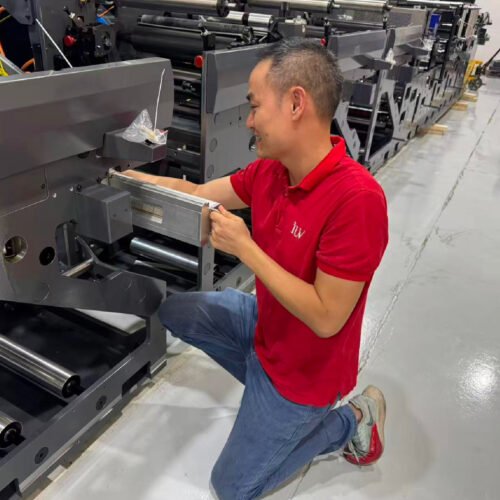
Narrow-web presses are designed for printing on narrow rolls of material. Think of everything from food packaging labels to product identification stickers. These presses are agile and efficient for smaller print runs. However, the processes involved can be labor-intensive. Setting up jobs, managing inks, and handling post-print operations all take time. This is especially true when dealing with multiple SKUs or frequent design changes.
The Rise of UV Curing Technology
UV curing technology has revolutionized printing. It uses ultraviolet light to instantly dry or “cure” inks and coatings. This process is fast and energy-efficient. Unlike conventional inks that need to evaporate solvents, UV inks form a solid layer through a photochemical reaction. This means no VOCs (Volatile Organic Compounds) are released. This is a major environmental benefit.
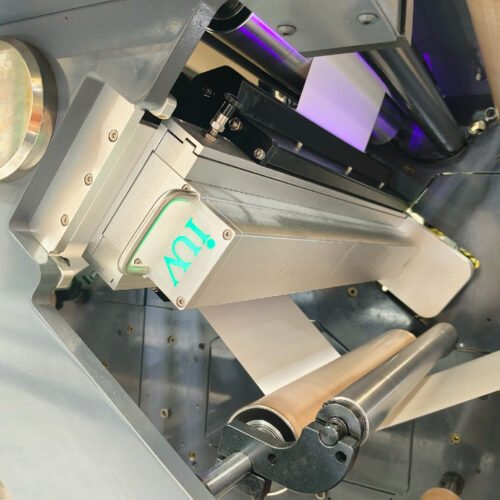
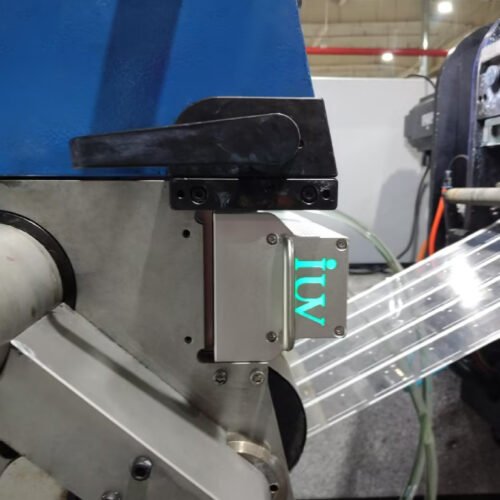
LED UV curing is the latest advancement in this field. LEDs offer a longer lifespan and consume less power than traditional mercury lamps. They also produce less heat, which is crucial for sensitive substrates. This makes LED UV an ideal choice for many narrow-web applications.
Bottlenecks in Traditional Workflows
Before automation, many steps in label production were manual. This included:
- Job Setup: Manually loading plates, setting ink densities, and adjusting registration marks.
- Ink Management: Mixing inks, refilling reservoirs, and cleaning print stations.
- Post-Curing: Waiting for inks to dry, especially in less efficient systems.
- Quality Control: Manual inspection for defects, which can be slow and prone to error.
- Material Handling: Loading and unloading rolls of substrate and finished labels.
Each of these steps can become a bottleneck. They limit the overall throughput of the press. They also increase the chances of human error.
Introducing Workflow Automation
Workflow automation integrates various stages of the printing process. It uses software and hardware to streamline operations. This reduces the need for constant human intervention. For narrow-web label printing with UV technology, automation can touch many areas.
Automating UV Printing Workflows: Key Components
Several elements contribute to automating UV printing workflows. Each plays a vital role in boosting efficiency.
1. Pre-press Automation
This stage focuses on preparing jobs for the press.
- Automated Plate Mounting: Systems can automatically position and mount flexographic plates. This saves significant time and reduces setup errors.
- Digital Job Management: Software can store, retrieve, and prepare job specifications digitally. This ensures consistency and quick recall of previous orders.
- Automated Proofing: Digital proofing eliminates the need for physical proofs for every job. This speeds up client approvals.
2. Press Automation
This is where the magic happens on the printing press itself.
- Automated Ink Dispensing and Management: Closed-loop systems can automatically mix and supply inks to the press. This ensures consistent color throughout the run. It also minimizes waste and reduces operator contact with inks.
- Automated Registration Control: Advanced systems can automatically adjust print cylinder registration. This maintains precise alignment of colors on the substrate. It corrects for variations in substrate tension or speed.
- Automated Impression Control: Maintaining the correct pressure between the print cylinder and the substrate is key. Automation ensures consistent impression settings. This leads to better print quality.
- Automated Speed Optimization: The press can automatically adjust its speed. It balances ink transfer, UV curing efficiency, and substrate handling.
3. UV Curing System Automation
The UV curing stage is critical for instant drying.
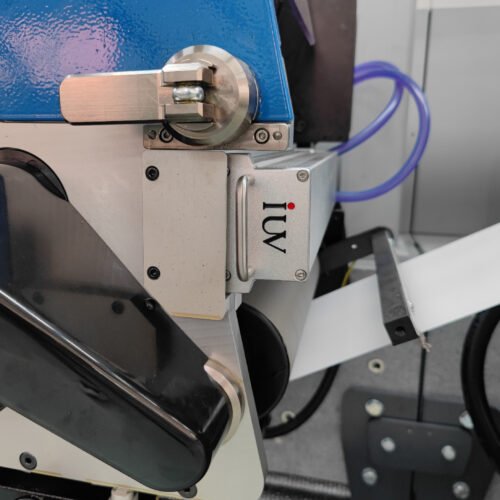
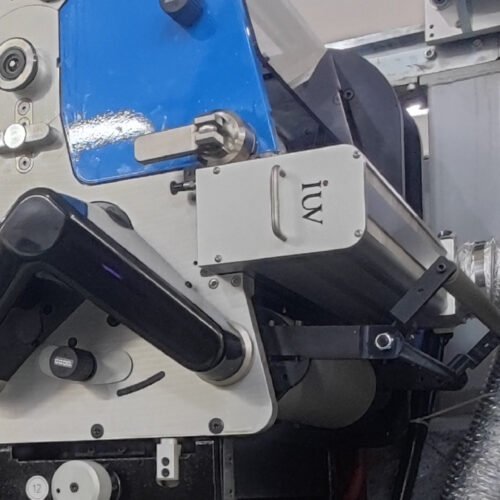
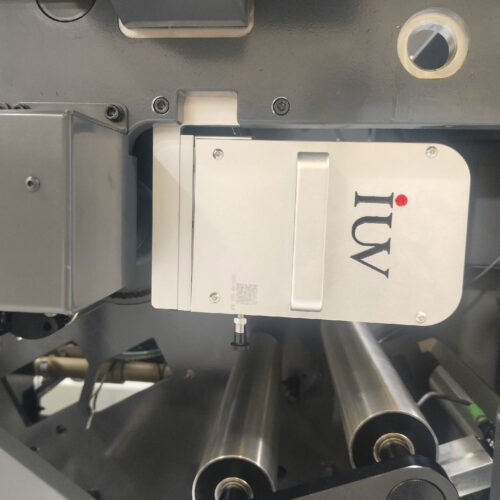
- Intelligent Curing Control: UV systems can be integrated with the press control system. They can automatically adjust UV intensity and exposure time based on the specific ink and substrate. This ensures optimal curing without wasting energy.
- Automated Lamp Management: LED UV systems often have built-in diagnostics. They can monitor lamp health and performance. Some systems can also automatically turn off or reduce power when not needed, saving energy.
- Integration with Web Guiding: Ensuring the substrate passes correctly through the UV curing zone is vital. Automated web guides keep the material perfectly aligned.
4. Post-press Automation
This covers operations after printing is complete.
- Automated Slitting and Rewinding: Machines can automatically slit the printed web into individual labels and rewind them. This reduces manual handling and potential damage.
- Automated Inspection Systems: High-speed cameras can inspect every label for defects. They can detect color variations, print errors, or substrate flaws. Defective labels can be automatically marked or ejected.
- Automated Waste Management: Systems can automatically collect and manage waste matrix or edge trim.
The Role of Software and Connectivity
At the heart of workflow automation is sophisticated software.
- Print Management Information Systems (MIS): These systems manage the entire production process. They integrate with pre-press, press, and post-press operations. They provide data for job tracking, scheduling, and cost analysis.
- Workflow Software: Specific software can orchestrate the flow of digital data. It connects different equipment and automates tasks between them.
- IoT and Data Analytics: Connected devices (IoT) on the press and finishing equipment generate vast amounts of data. Analyzing this data helps identify areas for further optimization. It can predict maintenance needs and improve overall equipment effectiveness (OEE).
Benefits of Automating UV Printing Workflows
The advantages of automating UV printing workflows are substantial.
- Increased Throughput: Faster setup times and continuous operation lead to more labels produced per hour.
- Reduced Labor Costs: Less manual intervention means fewer operators are needed. This frees up skilled staff for more complex tasks.
- Improved Consistency and Quality: Automation minimizes human error. This results in consistent color, registration, and finish across all labels.
- Faster Turnaround Times: Quicker job setups and continuous production cycles significantly shorten delivery times.
- Reduced Waste: Precise ink management, automated registration, and fewer errors lead to less material waste.
- Enhanced Safety: Reduced operator contact with inks and machinery improves workplace safety.
- Energy Efficiency: Optimized UV curing and intelligent press operation contribute to lower energy consumption.
- Greater Flexibility: Automation allows for easier switching between jobs. This is ideal for short runs and customized labels.
Challenges and Considerations
While the benefits are clear, there are challenges.
- Initial Investment: Automated systems represent a significant capital investment.
- Integration Complexity: Integrating disparate systems requires careful planning and technical expertise.
- Training: Operators need to be trained on new technologies and software.
- Maintenance: Automated equipment requires specialized maintenance.
However, the long-term gains in efficiency, quality, and profitability often outweigh these initial hurdles.
The Future is Automated
The trend towards automation in narrow-web label production is undeniable. As print volumes grow and customer demands for speed and customization increase, automation becomes not just an advantage, but a necessity. The synergy between advanced UV curing technology and intelligent workflow automation provides a powerful solution. It enables label printers to stay competitive. It allows them to meet the evolving needs of the market. Embracing these technologies is key to future success in the dynamic world of narrow-web label printing.