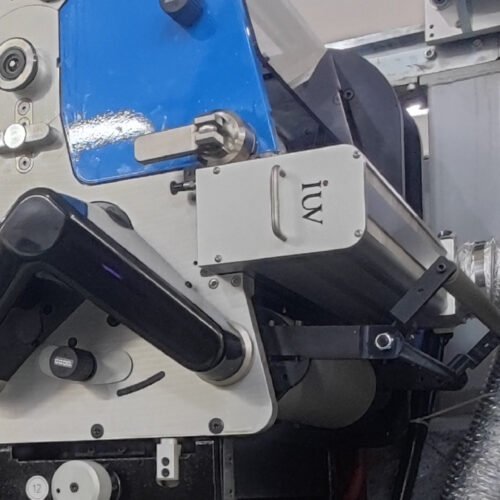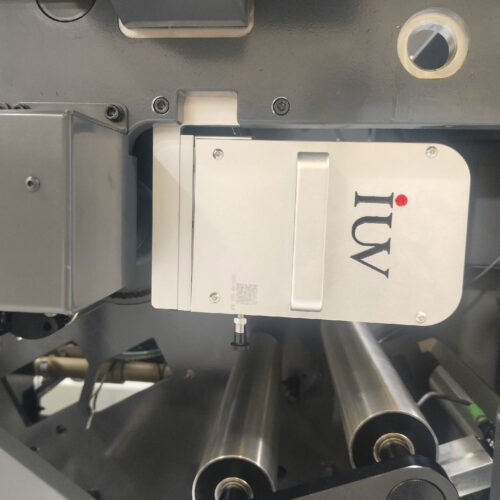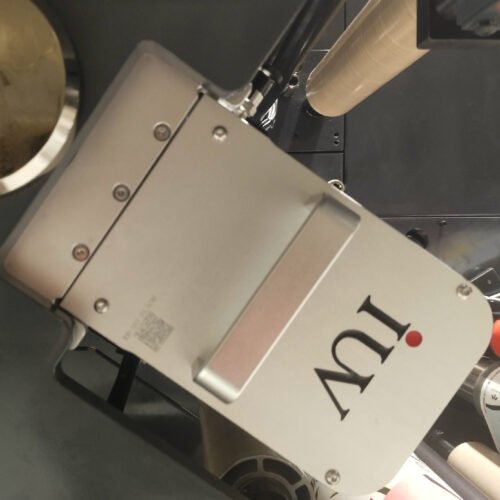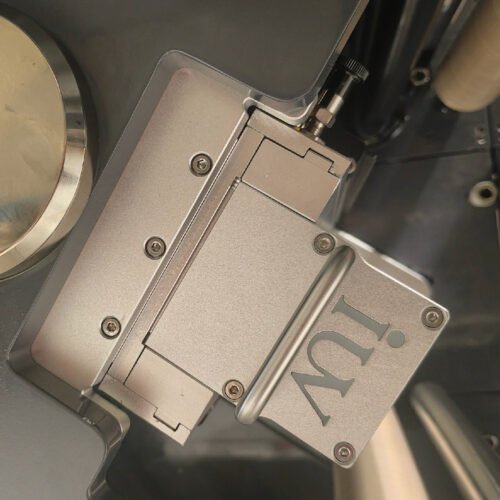
Printing inks and coatings need to adhere properly to a vast array of materials. This is especially true in the label and narrow-web printing sectors, where flexibility, durability, and specific end-use requirements dictate the choice of substrate. From delicate films to textured papers, each material presents unique challenges for UV-curable inks and coatings. Achieving optimal adhesion and performance requires a deep understanding of both the substrate’s properties and the UV curing process itself.
UV curing relies on high-intensity ultraviolet light to initiate a photochemical reaction. This reaction transforms liquid inks and coatings into a solid, durable film. However, not all substrates are created equal. Their surface energy, porosity, and ability to withstand heat all play critical roles in how well the UV-curable materials bond and cure. Poor adhesion can lead to delamination, rub-off, and other print defects, resulting in wasted materials and increased costs.
Understanding the Science of UV Curing
At its core, UV curing involves photopolymerization. Monomers and oligomers in the ink or coating formulation contain photoinitiators. When exposed to specific wavelengths of UV light, these photoinitiators absorb energy and generate free radicals. These free radicals then initiate a chain reaction, linking the monomers and oligomers together to form a cross-linked polymer network. This process happens very rapidly, often in fractions of a second.
The efficiency of this curing process depends on several factors: the intensity and wavelength of the UV light source, the exposure time, and the composition of the ink or coating. Crucially, the UV light must be able to penetrate the ink layer and reach the photoinitiators. It also needs to be absorbed effectively by the photoinitiators themselves.
The Role of Substrate Surface Energy
Surface energy is a key property of any material. It refers to the excess energy at the surface of a solid or liquid, compared to the bulk. In printing, a higher surface energy generally means better wettability. This means that liquid inks and coatings will spread more easily and form a stronger bond. Many plastic films commonly used in label printing, such as polypropylene (PP) and polyethylene (PE), have inherently low surface energies. This makes it difficult for standard UV inks to achieve good adhesion.
Without adequate wetting and adhesion, UV-curable materials can bead up on the surface, leading to incomplete cure and poor ink film integrity. This is where surface treatment methods, such as corona or plasma treatment, come into play. These processes increase the surface energy of the substrate, making it more receptive to inks and coatings. However, even with surface treatment, optimizing the UV curing process remains vital.
Smart Adjustments for Enhanced Compatibility
“Smart UV curing adjustments” refers to the ability to precisely control and tailor the UV curing parameters to match the specific requirements of the substrate and ink system. This goes beyond simply turning the UV lamps on and off. It involves a nuanced approach to managing energy delivery.
For less receptive substrates, a higher UV dose might seem like the obvious solution. However, simply blasting the print with more UV energy can have unintended consequences. For heat-sensitive substrates, excessive UV exposure can lead to warping, shrinkage, or even degradation of the material. This is particularly problematic in narrow-web printing where web tension and temperature control are critical.
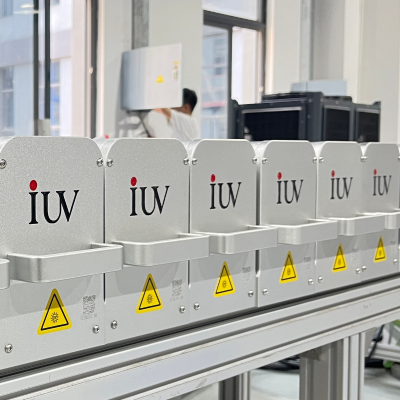
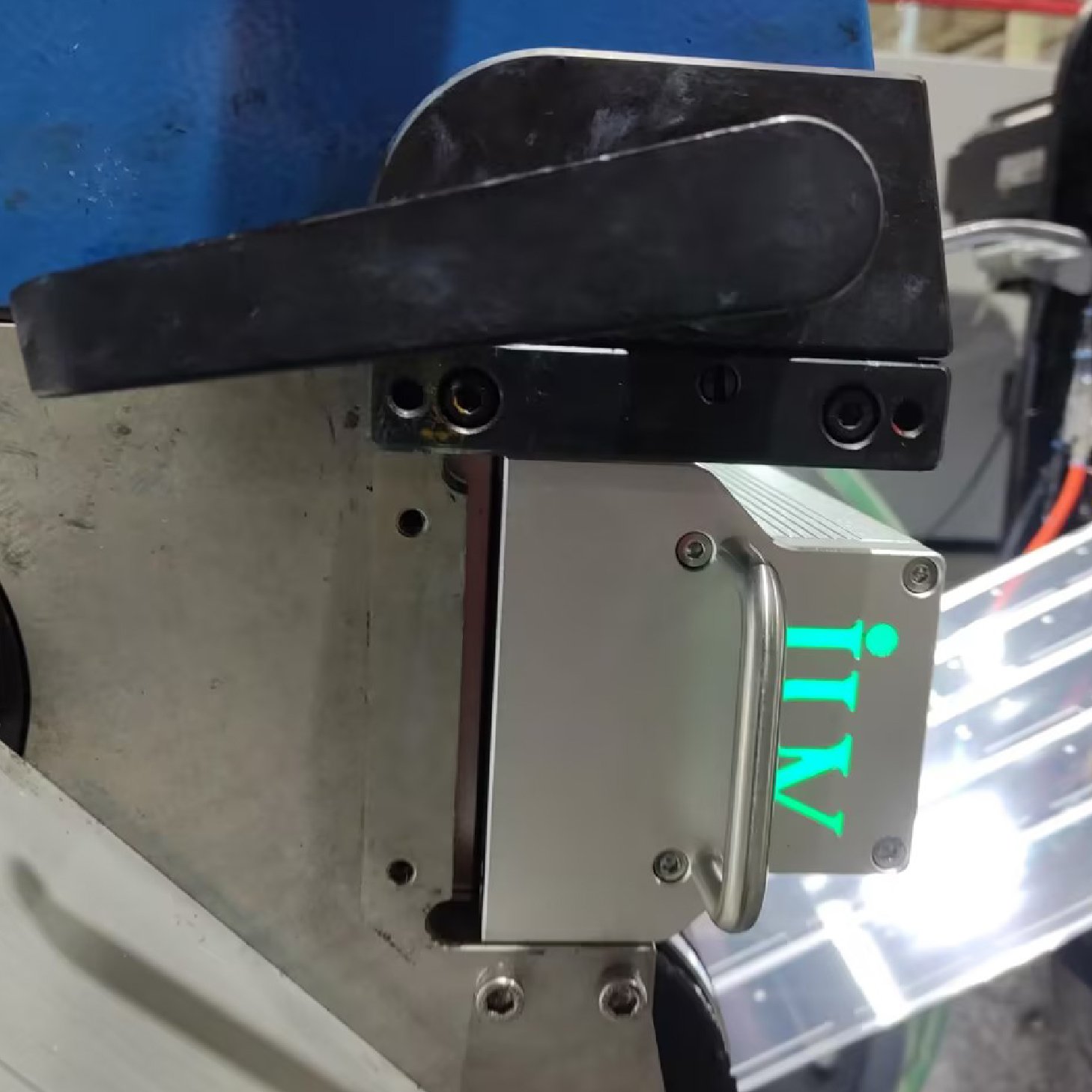
Instead, a more intelligent approach involves optimizing the spectral output and intensity of the UV lamps, often using LED UV curing systems. Unlike traditional mercury lamps, LED UV lamps offer a much narrower, more controllable spectral output. This allows printers to select UV wavelengths that are most efficiently absorbed by the specific photoinitiators in their ink formulation.
Leveraging LED UV Technology for Precision
LED UV curing systems have revolutionized the ability to make these smart adjustments. Here’s why:
- Wavelength Specificity: LED lamps can be manufactured to emit specific wavelengths, typically in the UVA range (365 nm, 385 nm, 395 nm, 405 nm). This means you can choose an LED lamp that perfectly matches the absorption spectrum of your photoinitiators, ensuring maximum curing efficiency with minimal wasted energy.
- Instant On/Off: LEDs turn on and off instantaneously, eliminating warm-up times and allowing for precise control over exposure duration. This is invaluable for dynamic printing processes.
- Lower Heat Output: Compared to mercury lamps, LEDs generate significantly less heat. This is a major advantage when printing on thin films and heat-sensitive substrates, preventing distortion and maintaining substrate integrity.
- Consistent Intensity: LEDs provide a stable and consistent UV output over their lifespan, leading to more predictable and repeatable curing results. This consistency is crucial for maintaining quality across long print runs.
- Dose Control: By precisely controlling the speed of the printing press and the output power of the LED lamps, printers can accurately manage the UV dose delivered to the ink. This allows for fine-tuning the cure level for different substrates.
Tailoring Cure for Different Printing Processes
The needs of different printing processes vary, and smart UV adjustments are essential for each:
Flexographic Printing (Flexo): In flexo, inks are transferred from a raised image carrier to the substrate. Achieving sharp detail and excellent adhesion is paramount. For challenging substrates like PE and PP, flexo printers can use LED UV curing to ensure rapid and complete cure, preventing ink set-off onto the anilox roll or impression cylinder. Adjusting the LED intensity and dwell time helps optimize adhesion without causing substrate shrinkage.
Offset Lithographic Printing (Offset/Litho): Offset printing for labels, especially on sheet-fed or web offset presses, relies on ink transfer via a plate and blanket. UV inks offer distinct advantages here, curing instantly and preventing smudging. When dealing with non-porous substrates, smart UV adjustments are key. By carefully selecting LED wavelengths and managing exposure, printers can ensure thorough cure even on smooth, low-energy surfaces, enhancing rub resistance and overall durability.
Narrow-Web Printing: This sector, encompassing flexo, digital, and hybrid presses, is where UV curing truly shines due to the need for speed and versatility. Narrow-web printers frequently switch between various substrates – from clear films to metallic foils and textured papers. Smart UV adjustments allow them to:
- Optimize Cure on Films: For transparent or semi-transparent films, ensuring a full cure is vital for scratch resistance and chemical resistance. Precisely controlled LED output prevents ghosting or incompletely cured areas.
- Handle Textured Stocks: Textured papers can have uneven surfaces, creating challenges for consistent ink transfer and curing. By adjusting UV intensity and spectral output, printers can ensure the ink cures effectively even in the valleys of the texture.
- Manage Adhesion on Foils: Metallic foils can reflect UV light, making curing difficult. Using LEDs with specific wavelengths and potentially adjusting the angle of the lamps can improve energy absorption and adhesion.
Optimizing Ink and Coating Formulations
Beyond the curing equipment, the ink and coating formulations themselves play a significant role. Modern UV-curable inks are engineered with specific photoinitiator packages and resin systems designed for compatibility with a wide range of substrates.
When selecting inks and coatings for challenging substrates, consider:
- Adhesion Promoters: Some formulations include additives that actively promote adhesion to low-surface-energy plastics.
- Photoinitiator Systems: Ensure the photoinitiator package is well-matched to the UV light source being used. If you’re switching to LED UV, verify that your inks contain photoinitiators optimized for LED wavelengths.
- Monomer/Oligomer Balance: The choice of monomers and oligomers influences flexibility, hardness, and chemical resistance. For flexible labels, a softer, more flexible cure is needed, which can be achieved with specific resin chemistries.
Troubleshooting Common Compatibility Issues
When substrate compatibility issues arise, a systematic approach is best.
- Substrate Surface Treatment: Confirm that the substrate has been adequately treated. Check corona voltage or plasma settings.
- Ink/Coating Transfer: Ensure proper ink transfer. Anilox roll selection in flexo, ink viscosity, and doctor blade pressure are critical.
- UV Lamp Performance: Verify that your UV lamps are functioning correctly. Check output intensity and spectral output if possible. Ensure lamps are clean and reflectors are in good condition.
- Curing Parameters: Experiment with LED power levels, web speed, and dwell time. A slight increase in total UV dose, delivered efficiently, can sometimes resolve adhesion problems.
- Ink Formulation: Consult with your ink supplier. They may have specific recommendations or alternative formulations for the substrate in question.
- Test Adhesion: Always perform adhesion tests (e.g., cross-hatch tape test) after any adjustments to confirm improvement.
The Future of Smart UV Curing
The trend towards digitalization and automation in the printing industry will continue to drive the development of even smarter UV curing systems. Integration with press control software will allow for automatic adjustment of UV parameters based on real-time sensor data and job specifications. This proactive approach ensures optimal cure and substrate compatibility for every print job, minimizing waste and maximizing efficiency.
For label and narrow-web printers, embracing these smart UV curing adjustments is not just about solving immediate compatibility problems. It’s about unlocking new levels of performance, expanding application possibilities, and maintaining a competitive edge in a dynamic market. By understanding the interplay between substrates, inks, and precisely controlled UV energy, printers can achieve consistently superior results, no matter the material.