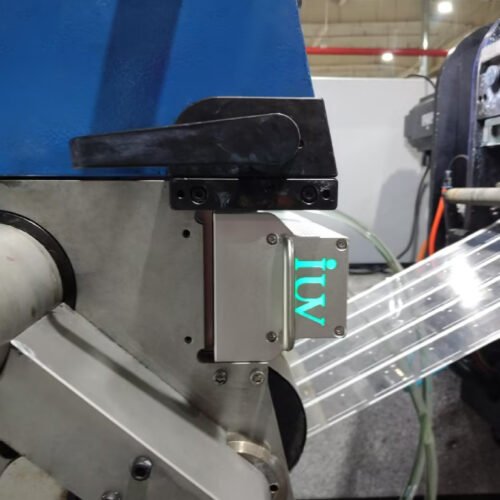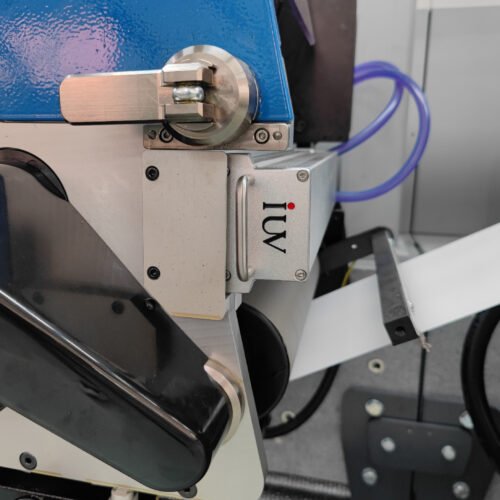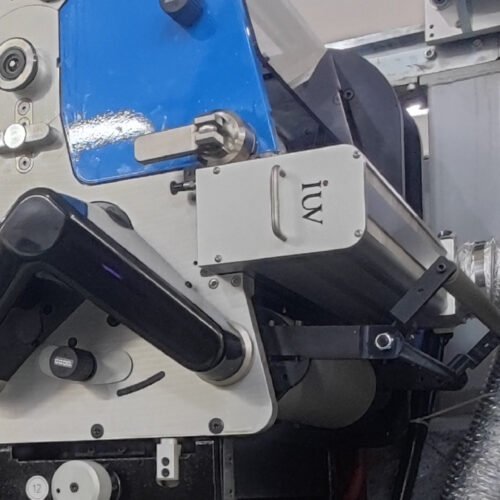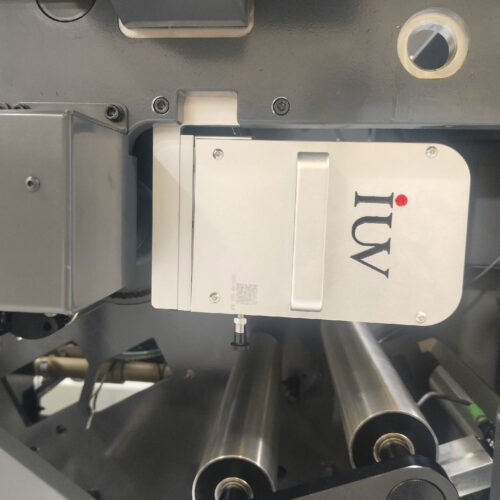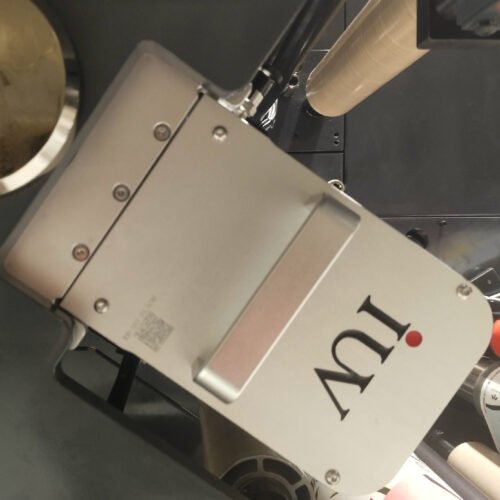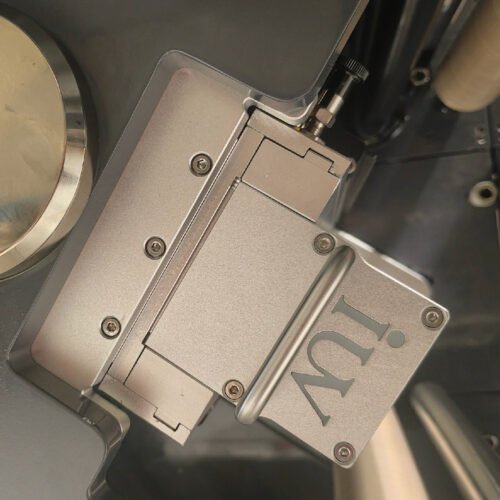
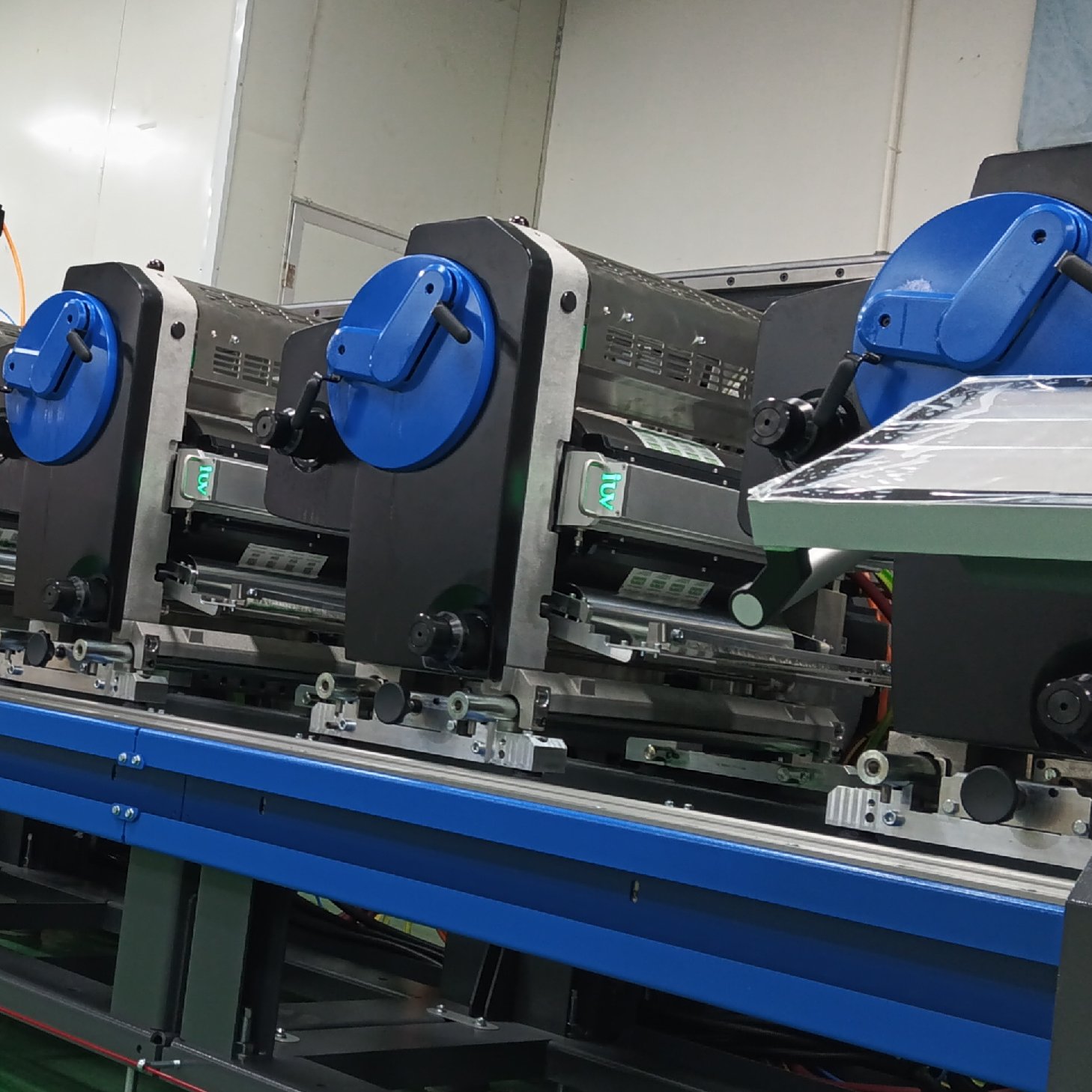
In the competitive landscape of narrow-web printing, optimizing workflow speed is paramount. Labels and flexible packaging demand quick turnarounds without compromising quality. This pursuit of efficiency often leads to an examination of pressroom technology, and in this regard, automated UV operations stand out as a transformative solution. Integrating UV curing systems, particularly LED UV technology, directly into narrow-web presses streamlines production, enhances product appeal, and ultimately boosts the bottom line.
The Narrow-Web Printing Challenge and the UV Advantage
Narrow-web presses are the workhorses for producing a vast array of products, from intricate labels for consumer goods to specialized packaging for pharmaceuticals. The inherent design of these presses allows for high-speed, high-volume production of relatively narrow rolls of material. However, achieving faster speeds often introduces challenges. Traditional drying methods, like hot air or IR drying, can be slow and energy-intensive, creating bottlenecks. Furthermore, they may not offer the same level of ink adhesion and scratch resistance as UV curing.
This is where UV curing technology shines. UV inks and coatings are instantly cured—or polymerized—upon exposure to ultraviolet light. This rapid curing process allows for immediate handling of printed materials, eliminating drying times. For narrow-web operations, this translates directly into faster press speeds, reduced wait times between printing stations, and the ability to run multiple jobs consecutively without extensive make-ready delays.
Understanding UV Curing Technologies: Mercury vs. LED
Historically, mercury vapor lamps have been the standard for UV curing. These lamps are powerful and effective, capable of delivering high UV intensity. However, they come with significant drawbacks, especially in a fast-paced narrow-web environment:
- High Energy Consumption: Mercury lamps require substantial electrical power and generate considerable heat, increasing operational costs and potentially affecting the substrate.
- Short Lamp Life