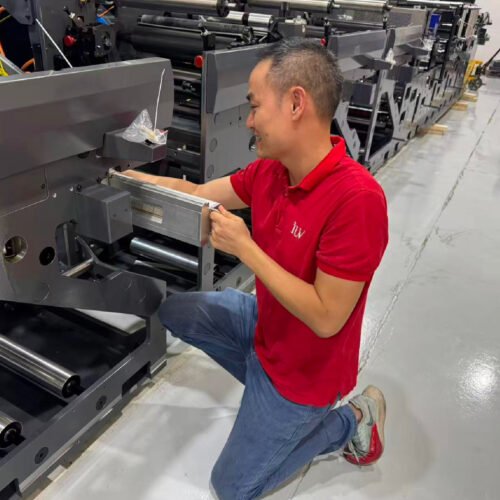
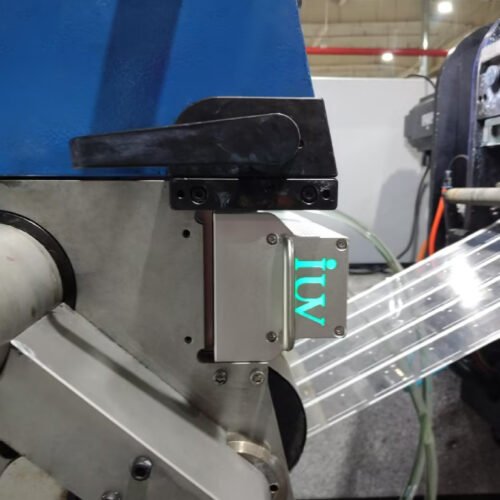
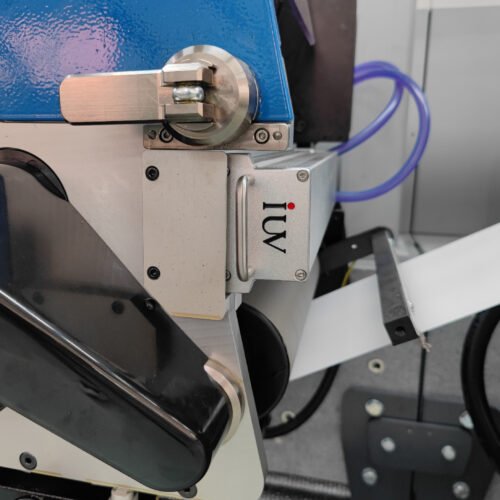
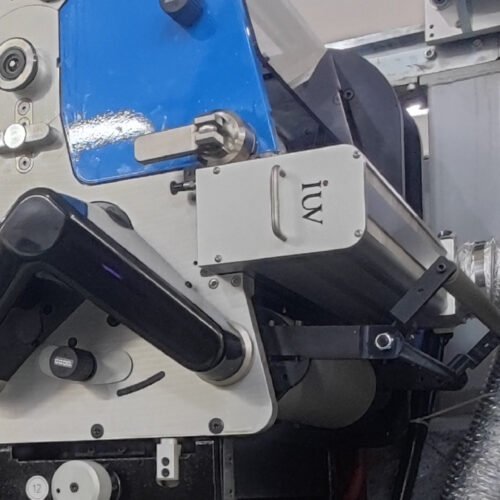
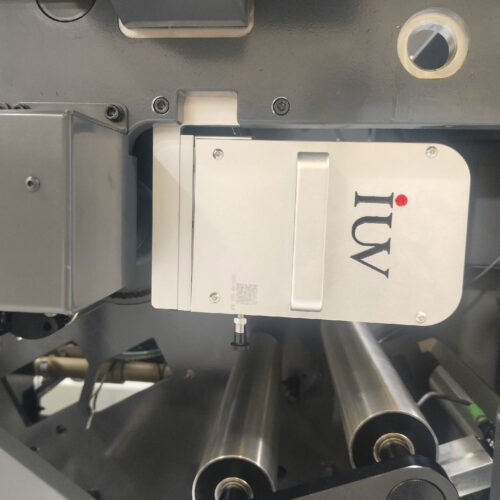
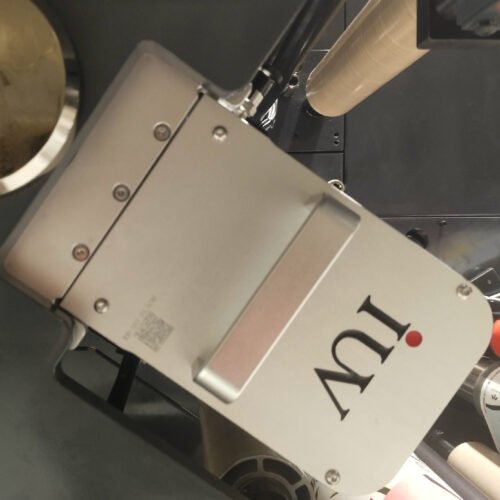
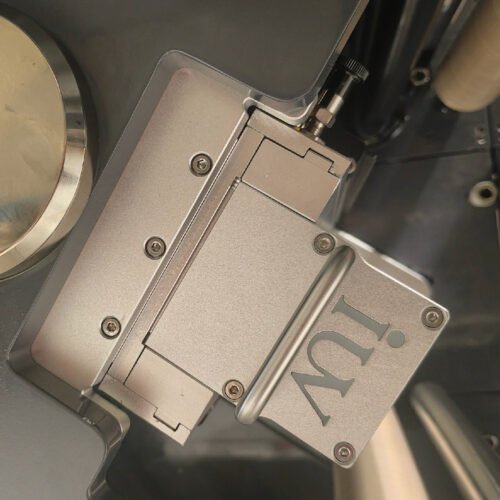
The printing industry is in constant evolution. Efficiency and quality are paramount for success. Automation is key to achieving these goals. Smart printing lines represent the pinnacle of this trend. Integrating advanced technologies into these lines offers significant advantages. LED UV curing technology is one such innovation. Its adoption is transforming modern printing operations, especially in narrow web, flexographic, and offset printing.
The Rise of Smart Automated Printing Lines
Smart automated printing lines are more than just machines. They are interconnected systems. They utilize sensors, data analytics, and robotics. This allows for real-time monitoring and control. Production processes become highly efficient. Waste is minimized. Throughput is maximized. These lines adapt to changing demands quickly. They offer unparalleled precision. This level of automation is crucial for competitive markets. It reduces manual intervention. Human error is significantly decreased. Quality control becomes more consistent.
Understanding LED UV Curing Technology
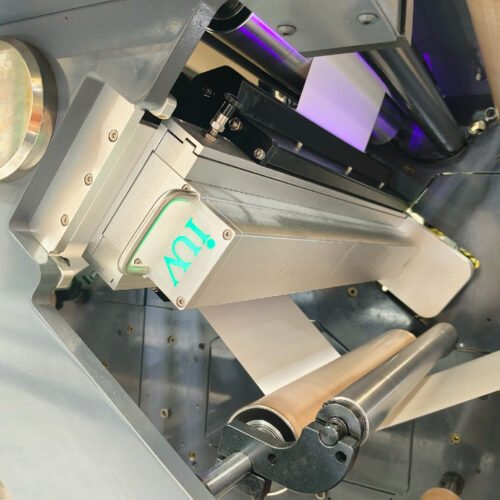
UV curing is a photochemical process. It uses ultraviolet light to instantly dry or cure inks, coatings, and adhesives. Traditional UV lamps (mercury vapor lamps) have been the standard. However, LED UV curing offers a compelling alternative. Light Emitting Diodes (LEDs) are the core of this technology. They emit UV light at specific wavelengths. This precise emission is a major advantage.
LED UV systems are more energy-efficient. They consume less power than mercury lamps. They also generate less heat. This is beneficial for heat-sensitive substrates. The lamps have a much longer lifespan. This reduces maintenance costs and downtime. They reach full intensity instantly. There is no warm-up or cool-down period. This improves production cycle times. LED UV systems are also more compact. This simplifies integration into existing or new printing lines. They are also mercury-free. This is an environmental advantage.
Benefits of Integrating LED UV Curing in Narrow Web Printing
Narrow web printing, often used for labels and flexible packaging, benefits immensely. Shrink sleeves, self-adhesive labels, and in-mold labels rely on fast, reliable curing.
- Enhanced Productivity: LED UV curing allows for higher printing speeds. The instant curing means prints are dry immediately. This eliminates the need for extensive drying zones. Presses can run faster. This directly translates to higher output.
- Substrate Versatility: The lower heat output from LED UV systems is a game-changer. It enables printing on a wider range of substrates. This includes delicate films, thin papers, and heat-sensitive plastics. Traditional UV curing can cause substrate distortion. LED UV minimizes this risk.
- Superior Print Quality: Precise wavelength control with LED UV ensures optimal ink curing. This results in vibrant colors. It provides excellent adhesion and scratch resistance. The consistency of LED output means consistent cure results, job after job.
- Cost Savings: Reduced energy consumption is a significant factor. Lower operational costs contribute to profitability. The long lifespan of LED lamps also cuts down on replacement expenses. Less waste due to better curing also saves money.
- Environmental Compliance: LED UV systems are more eco-friendly. They use less energy. They do not contain mercury. This aligns with growing environmental regulations and customer demands.
LED UV in Flexographic Printing Applications
Flexographic printing is widely used for packaging, labels, and commercial print. Integrating LED UV curing into flexo presses is a strategic move.
- Improved Ink Performance: LED UV inks are specifically formulated for this technology. They cure rapidly and completely under LED light. This ensures ink durability and resistance properties. For food packaging, this means enhanced safety and compliance.
- Reduced Anilox Engraving Issues: Lower heat generation from LED UV curing can help maintain the integrity of anilox rolls. This can extend their lifespan and ensure consistent ink transfer.
- Faster Job Turnaround: The instant cure capability is critical in flexo. It allows for immediate handling and finishing of printed materials. This speeds up the entire production workflow. It makes short runs more economically viable.
- Water-Based and Solvent-Based Alternatives: While LED UV inks are common, the technology is also enabling advancements in UV-curable water-based and low-migration inks. This offers more options for printers looking to reduce VOCs.
LED UV in Offset Printing Integration
Offset printing, especially sheetfed and web offset, also sees advantages with LED UV. This applies to commercial printing, book printing, and packaging.
- Instant Handling of Prints: Sheetfed offset can now produce perfectly dry sheets immediately after printing. This eliminates the need for spray powder. It prevents sheet marking and smudging. Jobs can be sent straight to finishing.
- Enhanced Coating Applications: LED UV is ideal for applying high-gloss or matte coatings. The instant cure creates a durable, attractive finish. This is important for premium packaging and high-end commercial work.
- Print on Non-Absorbent Stocks: Similar to narrow web, offset printing can now handle a wider array of non-absorbent substrates. This includes plastics and foils. This opens up new markets for offset printers.
- Energy Efficiency in Large Presses: While offset presses are large, the energy savings from LED UV are still substantial. It contributes to overall operational cost reduction. The reliability of LED systems also improves press uptime.
The “Smart” Aspect: Data and Control
The true power emerges when LED UV curing is part of a smart, automated line. This means sensors monitor the curing process. Systems can adjust UV intensity and exposure time based on ink type, substrate, and speed.
- Process Optimization: Data from the curing unit can be fed back into the press control system. This allows for continuous optimization of printing parameters. It ensures consistent quality.
- Predictive Maintenance: The longevity of LED lamps is known. However, smart systems can monitor their performance. They can predict when maintenance might be needed, preventing unexpected failures.
- Remote Monitoring and Diagnostics: Operators can monitor the curing status remotely. This is a hallmark of smart manufacturing. Issues can be identified and often resolved without an on-site technician.
- Integration with MIS: Management Information Systems (MIS) can integrate curing data. This aids in job costing, production planning, and quality reporting.
Challenges and Considerations
While the benefits are clear, integration requires planning.
- Initial Investment: LED UV curing systems represent an upfront cost. However, the long-term savings often justify this investment.
- Ink and Coating Compatibility: Printers must ensure their chosen inks and coatings are compatible with LED UV technology. This may require switching suppliers or formulations.
- Wavelength Specificity: Different LED UV systems emit light at specific wavelengths. It’s important to match these wavelengths to the requirements of the inks and coatings being used.
- Technical Expertise: While LED UV is reliable, understanding its nuances is beneficial. Training operators on the new technology is important.
The Future is Cured, Smart, and Efficient
The integration of LED UV curing into smart automated printing lines is not just a trend; it’s a fundamental shift. It offers a pathway to higher productivity, improved quality, and greater sustainability. For narrow web, flexographic, and offset printers looking to stay competitive, embracing this technology is a strategic imperative. It enables them to meet the evolving demands of their customers and the market. The smart factory vision is being realized, one perfectly cured print at a time.