In today’s competitive label printing market, efficiency is paramount. Manufacturers are constantly seeking ways to increase throughput, reduce waste, and deliver high-quality products consistently. One of the most impactful areas for improvement lies within the UV curing process, especially when integrated into fully automated workflows. This article explores how automating UV curing can revolutionize flexographic printing operations, making them faster, more reliable, and ultimately, more profitable.
The Evolution of UV Curing in Flexography
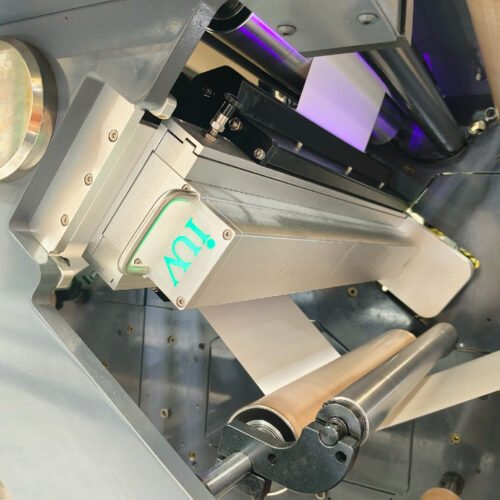
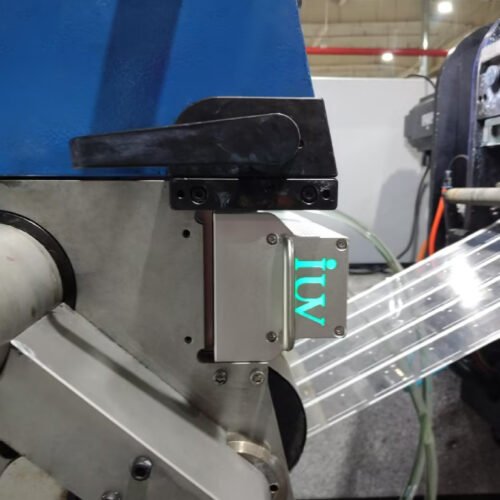
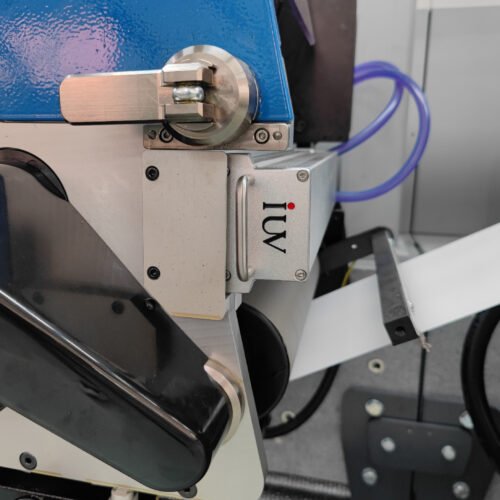
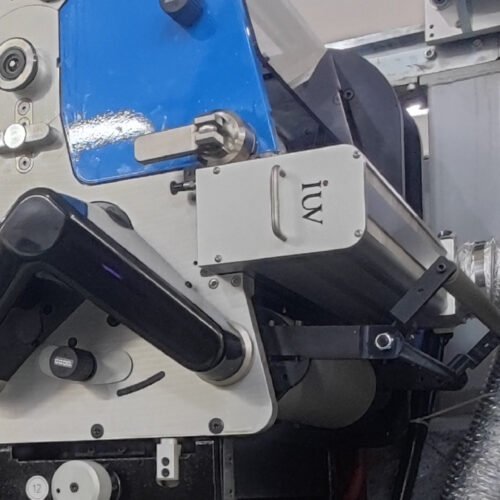
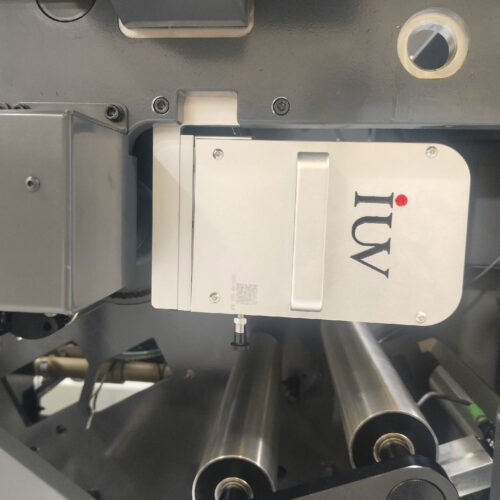
Ultraviolet (UV) curing technology has long been a staple in the printing industry, offering rapid drying of inks and coatings. Traditional UV systems often involved manual adjustments and were prone to inconsistencies. However, the advent of LED UV curing, coupled with advanced automation, has transformed this landscape. LED UV systems provide a more energy-efficient and controlled curing environment, and when linked with the press’s automated functions, they unlock unprecedented levels of efficiency.
Understanding the Core Benefits of Automated UV Curing
Automating the UV curing workflow directly addresses several key challenges faced by flexo printers. Firstly, it dramatically reduces setup times. When UV units are seamlessly integrated with the press controls, parameters like intensity, position, and dwell time can be pre-set and recalled for specific jobs. This eliminates the need for manual calibration and guesswork during changeovers, which are often significant time sinks.
Secondly, consistent curing is achieved with every print run. Automated systems ensure that the UV lamps deliver the precise amount of energy required for optimal ink and coating cure, regardless of press speed or substrate variations. This leads to fewer production errors, reduced material waste, and a more consistent finished product that meets stringent quality standards.
Thirdly, enhanced productivity is a natural outcome. By minimizing downtime for setup and ensuring reliable curing, the press can operate at its maximum speed for longer periods. This directly translates to higher output per shift and improved overall equipment effectiveness (OEE).
The Role of LED UV Technology in Automation
LED UV curing systems are particularly well-suited for automation due to their inherent advantages. Unlike traditional mercury vapor lamps, LEDs offer instant on/off capabilities. This allows for precise control over curing time and energy delivery, which is crucial for automated workflows. Furthermore, LEDs generate less heat than traditional lamps, leading to greater substrate stability and reducing the risk of warping, especially with sensitive films used in narrow web printing.
The spectral output of LEDs can also be precisely controlled, ensuring optimal energy absorption by specific UV-curable inks and coatings. This targeted approach enhances curing efficiency and can even allow for the use of lower energy settings, further contributing to energy savings.
Integrating UV Curing into the Flexo Press Workflow
A fully automated UV curing workflow begins with pre-press preparation. Job data, including ink formulations, substrate types, and desired curing parameters, are fed into the press control system. This information then dictates the settings for the integrated UV curing units.
During the printing process, the press speed is continuously monitored. The automated UV system adjusts its output in real-time to match the press speed, ensuring consistent curing at all times. This dynamic adjustment is a hallmark of true automation, preventing under-curing at higher speeds or over-curing (which can lead to brittleness) at slower speeds.
Post-cure, sensors can be integrated to verify the cure level, providing an additional layer of quality control. Any deviations can trigger an alert or even an automatic stop of the press, preventing the production of non-conforming material. This closed-loop system minimizes human intervention and ensures a high degree of process integrity.
Specific Applications and Benefits for Label Printing
In the narrow web label printing sector, where speed and precision are critical, automated UV curing offers significant advantages.
- Reduced Setup Times for Short Runs: Label printers often handle numerous short-run jobs. Automated UV curing drastically cuts down the time spent on setting up and calibrating UV units between these runs, making short-run production economically viable.
- Consistent Color Reproduction: For labels requiring vibrant and accurate color reproduction, proper ink curing is essential. Automated UV ensures inks are cured optimally, preventing issues like ink mottling or poor adhesion, which can compromise color fidelity.
- Enhanced Durability and Resistance: Labels often require resistance to chemicals, abrasion, and outdoor exposure. UV-curable varnishes and coatings, when properly cured through an automated system, provide these protective properties reliably, job after job.
- Increased Press Speeds: With confidence in consistent curing, printers can push their flexo presses to higher operating speeds. This directly translates to increased output for label production, allowing businesses to fulfill more orders in less time.
- Versatility with Different Substrates: Automated LED UV systems can be fine-tuned to work effectively with a wide range of substrates, from paper and various plastics to films. This versatility is crucial for label printers serving diverse market needs.
Addressing Common Concerns and Overcoming Challenges
While the benefits are clear, adopting fully automated UV curing workflows might present initial challenges. One common concern is the upfront investment in integrated systems. However, the long-term savings in reduced waste, increased throughput, and lower energy consumption often provide a strong return on investment.
Another consideration is the need for skilled operators who understand how to manage and leverage these advanced systems. Comprehensive training programs are essential to ensure that your team can maximize the potential of automated UV curing.
Ensuring compatibility between the UV system, the inks, and the substrates is also vital. Working closely with ink and equipment manufacturers can help identify the most effective solutions for your specific printing needs.
The Future of Flexo Printing: Fully Automated Workflows
The trend towards greater automation in the printing industry is undeniable. For flexographic printers, particularly in the demanding label market, embracing fully automated UV curing workflows is not just an option; it’s a strategic imperative for staying competitive.
By integrating advanced LED UV technology with intelligent press controls, printers can achieve unparalleled levels of efficiency, consistency, and quality. This allows for faster turnaround times, reduced operational costs, and the ability to meet the ever-increasing demands of customers. The future of flexo printing is efficient, automated, and brilliantly cured.