The label printing industry is constantly seeking ways to improve efficiency and reduce environmental impact. For narrow-web label printers, this means looking at every stage of the production process. Traditional methods often involve significant material waste and lengthy setup times, especially when dealing with short to medium runs. However, the advent of advanced digital narrow-web printing, particularly when paired with LED UV curing technology, offers a powerful solution to these persistent challenges.
The Limitations of Conventional Label Printing
Before diving into the digital revolution, it’s worth understanding the inherent inefficiencies in conventional label printing methods like flexography and offset. Flexographic printing, while a workhorse for labels, requires custom-made printing plates for each color and design element. Creating these plates is a time-consuming and resource-intensive process. Furthermore, the inks used often require drying mechanisms that can consume considerable energy and contribute to VOC emissions.
Offset printing, while capable of high-quality results, also relies on plates and can be less adaptable for the variable data and shorter runs common in today’s market. Both flexo and offset printing demand substantial make-ready time. This involves mounting plates, adjusting ink densities, and running test sheets to achieve perfect registration and color balance. During this make-ready phase, significant amounts of substrate and ink are consumed as waste. For jobs that are only a few thousand labels long, this waste can represent a substantial portion of the total production cost.
The Rise of Narrow-Web Digital Printing
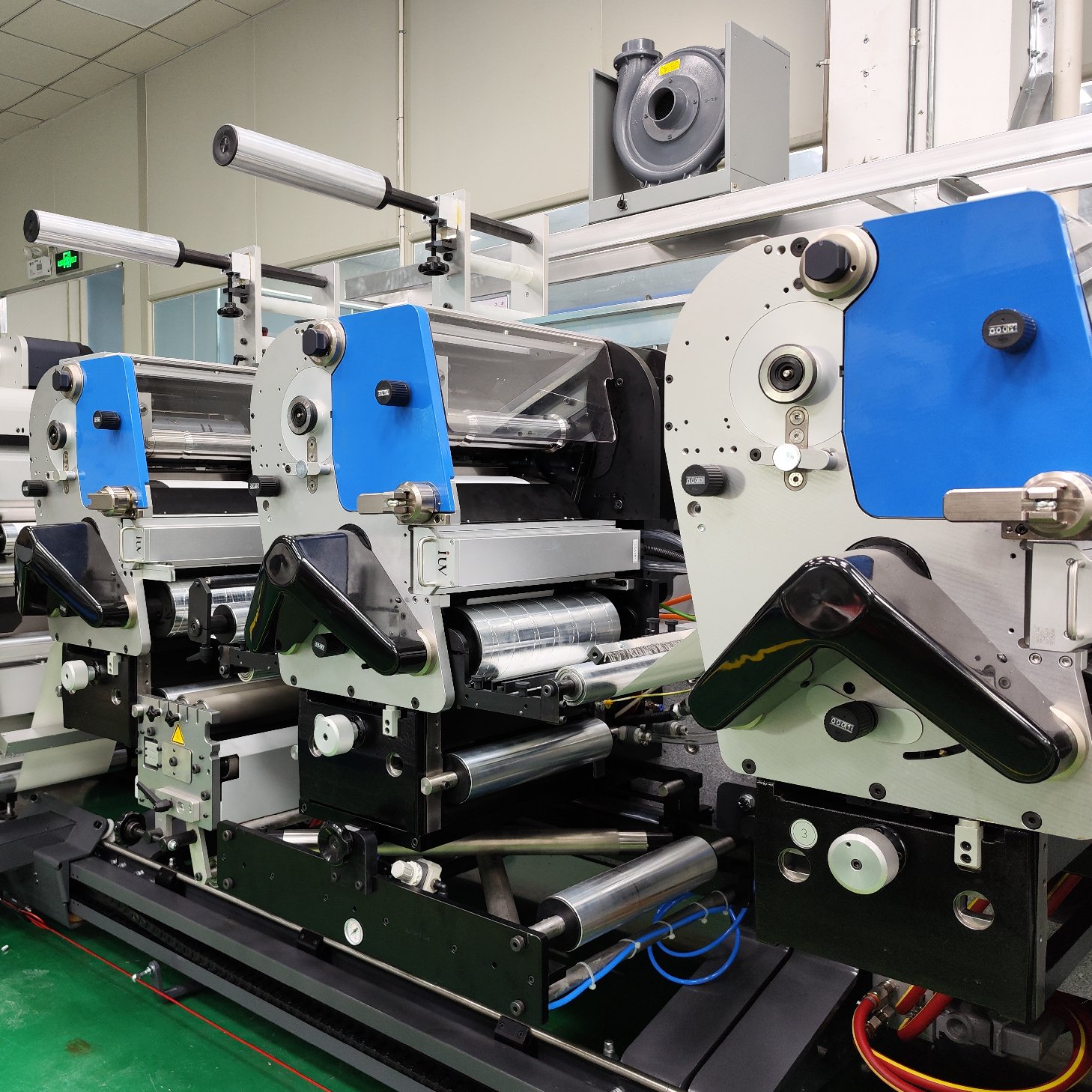
Narrow-web printing refers to printing on substrates that are typically less than 20 inches wide, which is standard for most label rolls. Digital narrow-web printing eliminates the need for physical printing plates altogether. Instead, the digital file is sent directly to the press, where the image is transferred to the substrate using inkjet or electrophotographic technology.
This plate-less nature is a game-changer. It drastically reduces setup time because there are no plates to mount or adjust. The press can switch from one job to the next in minutes, rather than hours. This agility is invaluable for printers who need to produce a wide variety of labels, often in smaller quantities, to meet diverse customer demands. It allows for much faster turnaround times, a critical competitive advantage in the modern marketplace.
The Environmental and Economic Benefits of Reduced Waste
The reduction in waste with digital narrow-web printing is multifaceted. Firstly, the elimination of plates means no associated plate manufacturing waste or disposal issues. Secondly, the dramatically shortened setup times mean far fewer “make-ready” sheets are printed. These initial sheets, often imperfect, are typically discarded. By minimizing this phase, digital presses consume significantly less substrate.
Furthermore, digital printing often allows for more efficient ink utilization. While traditional methods might use excess ink to ensure consistency across long runs, digital processes can apply ink precisely where it’s needed. This not only saves ink but also reduces the amount of ink that needs to be cleaned from the press between jobs. The ability to produce on-demand also means less obsolete inventory, as labels can be printed as needed, reducing the risk of overstocking and subsequent waste due to outdated designs or expired products.
The Power of LED UV Curing in Narrow-Web Applications
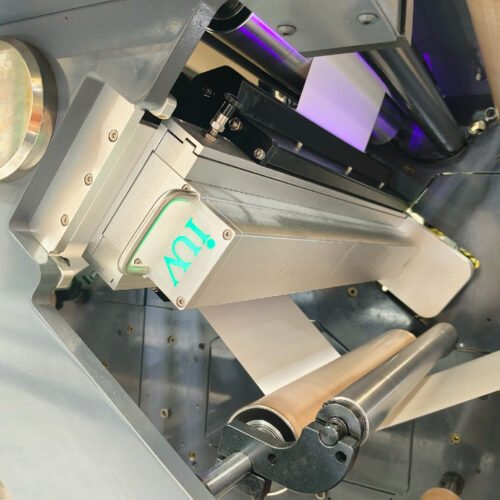
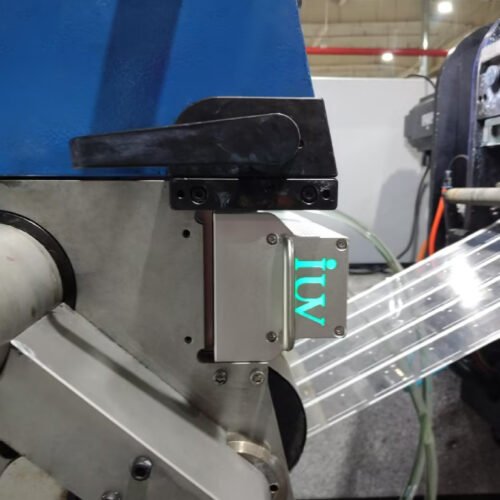
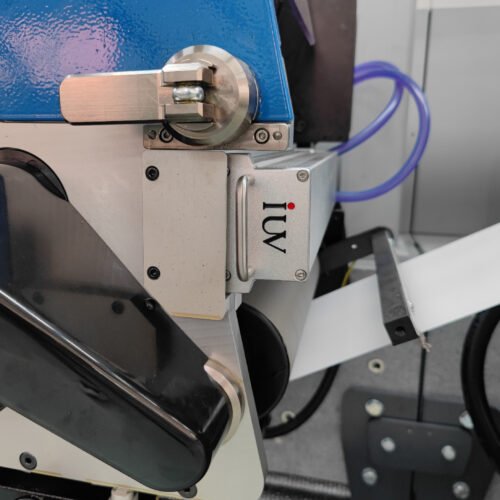
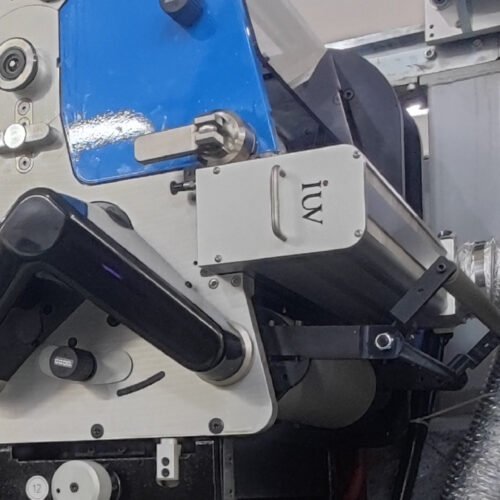
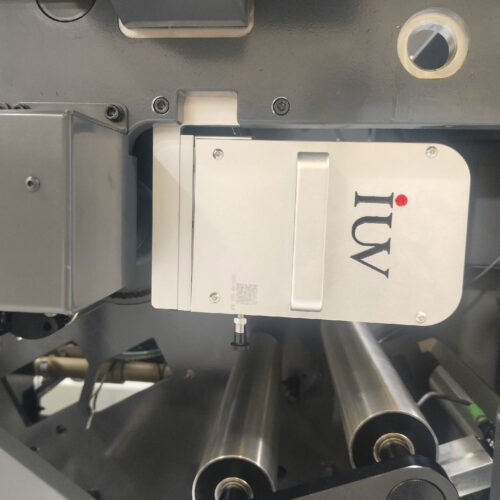
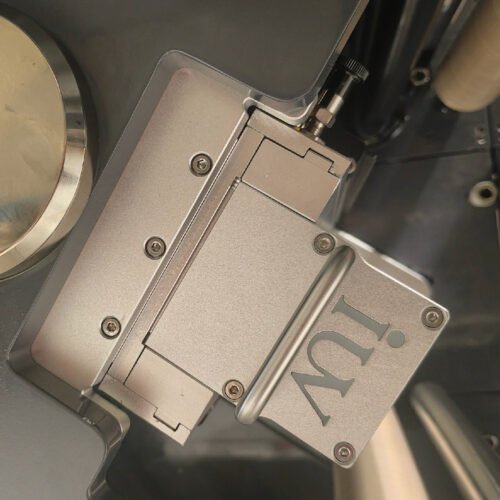
Complementing the digital printing process, LED UV curing technology offers further advantages in narrow-web label production. Traditional UV curing systems use mercury vapor lamps, which generate significant heat, require a warm-up period, and have a limited lifespan. They also consume a considerable amount of energy and can contribute to substrate degradation due to their high heat output.
LED UV curing, on the other hand, utilizes light-emitting diodes to cure inks and coatings. These systems offer several compelling benefits:
- Instant On/Off: LED lamps do not require warm-up time. They reach full power instantaneously, which is ideal for the stop-and-start nature of digital printing and significantly contributes to faster job changeovers.
- Lower Heat Output: LEDs emit a narrow spectrum of UV light with much less infrared radiation (heat) compared to mercury lamps. This is crucial for narrow-web printing, where heat-sensitive substrates are often used. It allows printers to run at higher speeds without damaging the material.
- Energy Efficiency: LEDs consume considerably less energy than traditional UV lamps, leading to lower operating costs and a reduced carbon footprint. This aligns with the growing demand for sustainable printing practices.
- Longer Lifespan: LED lamps have a significantly longer operational life than mercury lamps, reducing maintenance costs and downtime associated with lamp replacement.
- Consistent Performance: LEDs offer consistent UV output throughout their lifespan, ensuring reliable curing and repeatable print quality across all jobs.
Synergizing Digital Printing and LED UV for Optimal Results
When digital narrow-web printing is combined with LED UV curing, the synergy is powerful. The speed and flexibility of digital printing are enhanced by the rapid, low-heat curing capabilities of LED UV. This means that labels printed digitally can be immediately handled, finished, or shipped, eliminating drying bottlenecks.
The precise ink application of digital printing, coupled with the efficient and effective curing of LED UV, results in high-quality, durable labels. This combination is perfect for a wide range of applications, including food and beverage labels, health and beauty products, pharmaceuticals, and industrial labeling, where vibrant colors, sharp detail, and resistance to scuffing and chemicals are essential.
The ability to perform multiple print passes, add variable data, or even incorporate special effects like varnishes and spot colors within a single digital pass, all cured instantly by LED UV, further amplifies the efficiency gains. This integrated approach minimizes handling and throughput time, making complex label production straightforward and cost-effective.
Addressing Specific Printing Technologies
For those accustomed to flexography, the transition to digital can seem daunting. However, flexo’s strengths lie in its cost-effectiveness for very long runs and its established color gamut. Digital narrow-web printing excels in the realm of short-to-medium runs, customization, and rapid turnaround. It’s not necessarily about replacing flexo entirely, but rather about choosing the right tool for the job. Digital offers a compelling alternative where flexo’s plate costs and setup times become prohibitive.
In the context of offset printing, digital narrow-web offers a complementary solution. Offset is fantastic for high-volume, high-quality commercial printing. For labels, however, the speed of setup and flexibility of digital often surpass offset for typical label volumes. The ability to print variable data, serialized codes, or personalized messages is a capability that offset printing cannot easily replicate without significant added complexity and cost.
The Future of Label Production is Agile and Sustainable
The landscape of label production is rapidly evolving. Brands require shorter lead times, greater customization, and a clear commitment to sustainability. Narrow-web digital printing, powered by the efficiency and reliability of LED UV curing technology, directly addresses these market demands.
By embracing these technologies, label printers can achieve:
- Reduced Inventory Costs: Print on demand and minimize obsolete stock.
- Faster Time-to-Market: Deliver labels to customers more quickly than ever before.
- Lower Operational Expenses: Save on energy, consumables, and labor.
- Enhanced Environmental Performance: Minimize waste and reduce energy consumption.
- Greater Customer Satisfaction: Offer more flexible solutions and higher quality products.
The integration of digital narrow-web printing and LED UV curing represents a significant leap forward in label manufacturing. It’s a powerful combination that empowers printers to operate more efficiently, profitably, and sustainably, positioning them for success in an increasingly competitive global market.