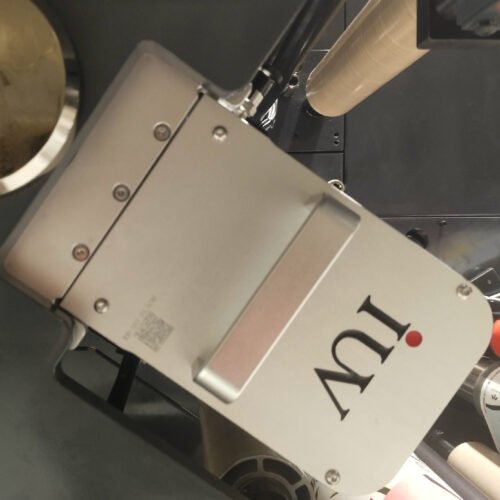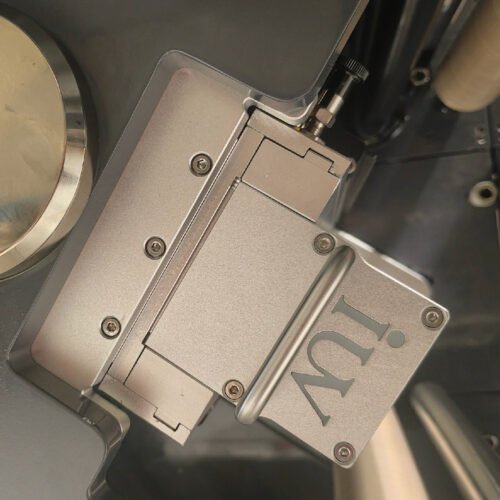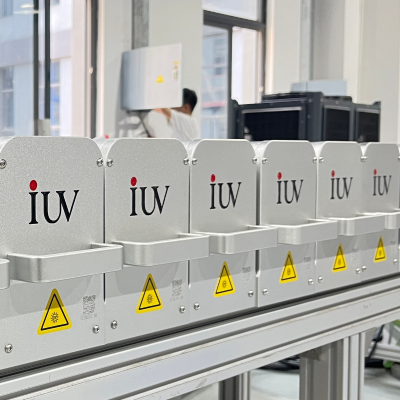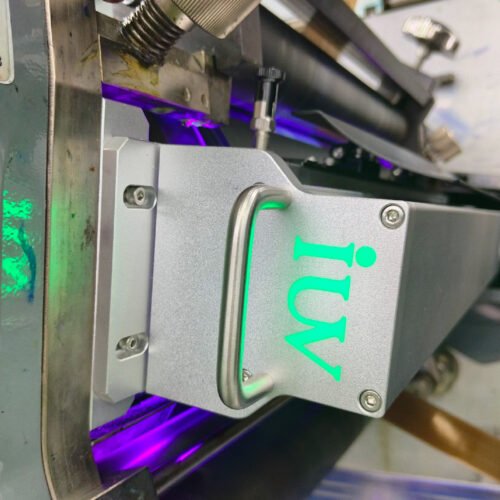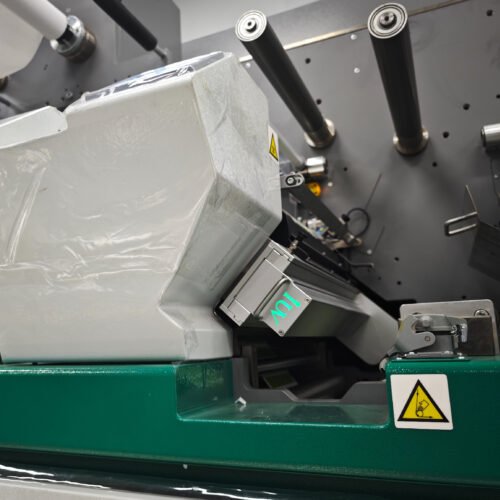
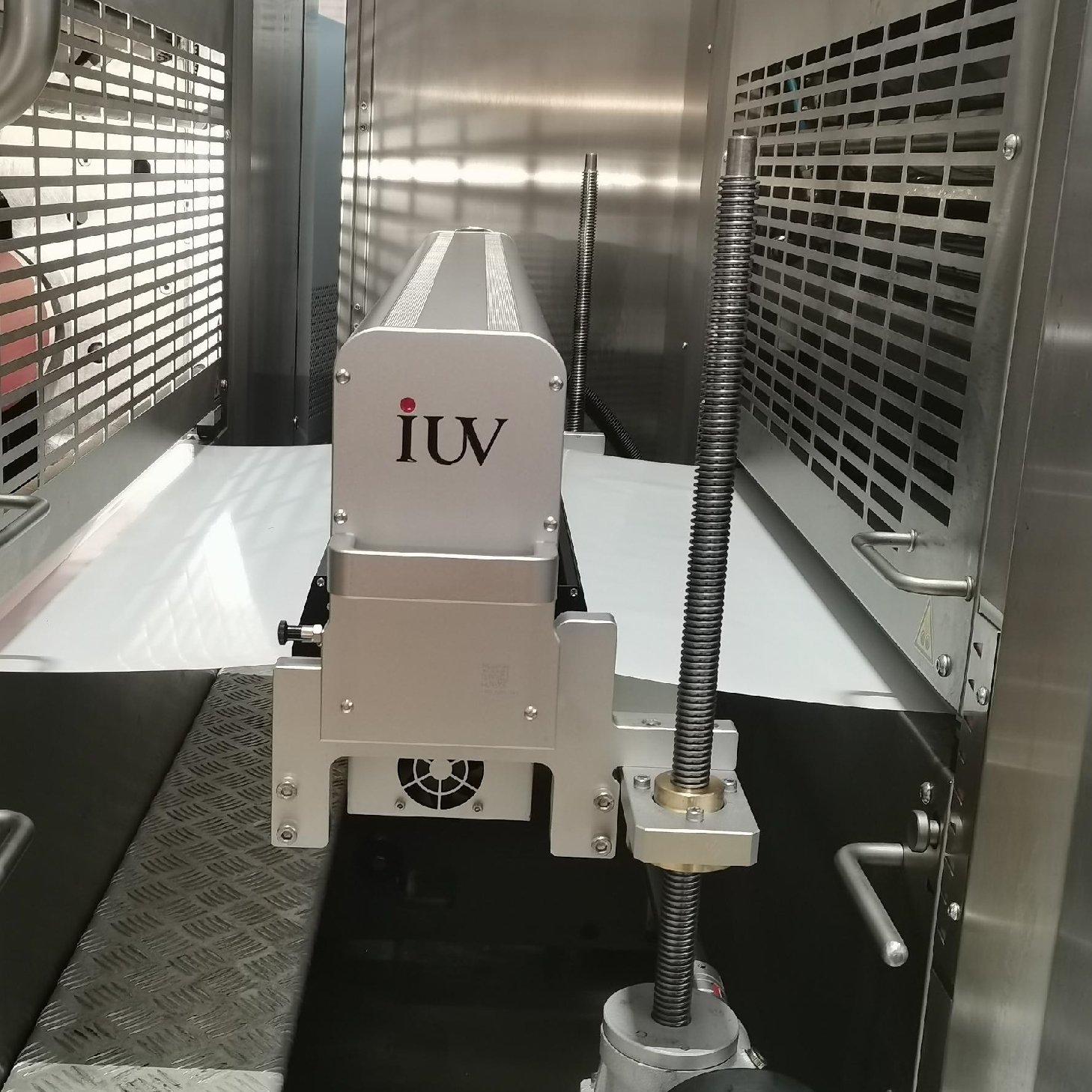
The printing industry is constantly seeking ways to improve efficiency and product quality. In narrow web flexographic printing, achieving superior adhesion is paramount for label durability and performance. Traditional curing methods often struggle to keep pace with increasing press speeds. However, the advent of UV LED curing technology offers a powerful solution. This article explores how UV LED curing significantly boosts adhesion performance in high-speed flexo operations.
The Challenge of High-Speed Flexo Printing
Flexographic printing is renowned for its speed and versatility. However, as press speeds increase, the time available for ink and coating to cure effectively diminishes. This acceleration can lead to several adhesion-related issues. Insufficiently cured inks and coatings may not bond properly to the substrate. This results in poor scratch resistance, reduced chemical resistance, and delamination under stress. The pressure and heat generated at high speeds can further exacerbate these problems.
Understanding UV Curing Mechanisms
UV curing involves using ultraviolet light to initiate a rapid chemical reaction. Monomers and oligomers in UV-curable inks and coatings link together, forming a solid, cross-linked polymer. This process is incredibly fast, often taking less than a second. Traditional mercury vapor lamps have been the workhorse of UV curing for decades. However, they emit a broad spectrum of light, including significant heat and ozone.
The Advantages of UV LED Curing
UV LED curing utilizes light-emitting diodes (LEDs) that emit UV light within a narrow wavelength band. This targeted emission offers several distinct advantages over traditional mercury lamps:
- Energy Efficiency: LEDs are significantly more energy-efficient. They consume less power and generate less heat, reducing operational costs and environmental impact.
- Instant On/Off: LEDs can be switched on and off instantaneously. This eliminates warm-up and cool-down times, improving press readiness and reducing waste.
- Longer Lifespan: LEDs have a much longer operational lifespan than mercury lamps, reducing maintenance and replacement costs.
- Consistent Output: LEDs provide a stable and consistent UV output throughout their lifespan, ensuring reliable curing performance.
- Reduced Heat: The targeted wavelengths and efficient operation of LEDs generate far less heat. This is crucial for heat-sensitive substrates commonly used in narrow web printing, such as films and foils. Lower heat also minimizes substrate shrinkage.
UV LED Curing and Adhesion: A Synergistic Relationship
The specific characteristics of UV LED curing directly contribute to enhanced adhesion performance. Let’s examine how:
1. Efficient Polymerization at High Speeds
UV LED systems are designed to deliver high energy density within their specific wavelength bands. This allows for rapid and complete polymerization of UV-curable inks and coatings, even at the demanding speeds of modern flexo presses. The fast cure ensures that the ink or coating solidifies quickly, forming a strong mechanical and chemical bond with the substrate.
2. Lower Heat Stress on Substrates
As mentioned, excessive heat can negatively impact adhesion. Many flexible substrates, like polyethylene and polypropylene films, are sensitive to heat. High temperatures can cause them to soften, stretch, or even degrade. This can compromise the integrity of the printed layer and its bond to the substrate. UV LED curing’s low heat emission minimizes these thermal stresses. This allows the ink or coating to cure properly without damaging the substrate’s surface properties, which is essential for good adhesion.
3. Optimized Ink and Coating Formulations
UV LED curing often requires specific ink and coating formulations. These are designed to react optimally to the narrow wavelength output of the LEDs. Formulators can tailor these systems to achieve superior adhesion characteristics. They can select photoinitiators and resin systems that are highly efficient under LED illumination. This results in a more robust and durable cured film.
4. Improved Surface Energy Interaction
The rapid and thorough curing achieved with UV LEDs leads to a well-formed polymer network. This network often exhibits excellent surface properties. A properly cured surface can interact more effectively with the substrate, leading to stronger interfacial adhesion. This is particularly important when printing on challenging, low-surface-energy plastics.
5. Enhanced Ink Film Integrity
At high speeds, incomplete curing can lead to a less robust ink film. This film may be prone to cracking, peeling, or delamination. UV LED curing ensures that the entire ink film is thoroughly cross-linked, creating a continuous, cohesive layer. This integrity is fundamental to achieving long-lasting adhesion.
Applications in Narrow Web Flexo Printing
UV LED curing is particularly beneficial in the narrow web sector, serving industries like labels, packaging, and specialty printing.
- Label Printing: Labels often face rigorous conditions, including exposure to moisture, chemicals, and abrasion. Enhanced adhesion ensures that label graphics remain intact and legible. This is critical for product branding and consumer information.
- Flexible Packaging: For flexible packaging applications, adhesion is vital for barrier properties and structural integrity. Poor adhesion can lead to delamination of packaging layers, compromising product protection.
- Specialty Applications: Printing on unique substrates like synthetic papers, metals, and certain plastics demands reliable adhesion. UV LED curing provides the consistent performance needed for these specialized jobs.
Considerations for Implementing UV LED Curing
Transitioning to UV LED curing requires careful consideration:
- Press Compatibility: Ensure your flexo press is equipped to handle UV LED units. This includes power supply, ventilation, and mounting systems.
- Ink and Coating Selection: Work with ink and coating manufacturers who offer formulations specifically designed for UV LED curing. Confirm they meet your adhesion and performance requirements.
- Wavelength and Irradiance: Understand the specific wavelengths of your LED system and select inks and coatings that are optimized for them. Irradiance (power density) is also a key factor in cure speed.
- Substrate Evaluation: While UV LED is gentler on substrates, it’s still important to test adhesion on your specific materials.
- Process Control: Implementing robust process controls to monitor UV output and ensure consistent curing is essential for maintaining adhesion performance.
The Future of Flexo Printing and Adhesion
UV LED curing is no longer a niche technology; it’s becoming a standard for high-performance flexographic printing. Its ability to deliver exceptional adhesion at high speeds, coupled with its energy efficiency and environmental benefits, makes it an indispensable tool for printers looking to stay competitive. As LED technology continues to advance, we can expect even more innovative solutions that further push the boundaries of what’s possible in print quality and durability. For printers focused on robust adhesion in demanding applications, UV LED curing presents a compelling and effective path forward.