In the fast-paced realm of narrow web label printing, achieving consistent, pinpoint registration across multiple print stations is not just a nice-to-have; it’s a fundamental requirement for producing high-quality labels. Misregistration, even by a fraction of a millimeter, can lead to rejected jobs, wasted materials, and ultimately, unhappy customers. For high-speed UV flexo printing, where every second counts, maintaining this accuracy becomes a complex balancing act.
Understanding the Challenges in High-Speed UV Flexo
Several factors can conspire to undermine registration accuracy in a high-speed UV flexo environment. The inherent nature of flexography, with its resilient photopolymer plates and anilox rolls, introduces its own set of variables. Add to this the dynamic forces at play during high-speed web handling and the specific properties of UV inks and curing systems, and you have a recipe for potential registration headaches.
One significant challenge is web tension. Fluctuations in web tension can cause the substrate to stretch or contract unevenly, leading to print elements shifting out of place between stations. Inadequate tension control is a primary culprit for registration drift, especially as the press speed increases.
Then there’s the issue of mechanical precision. Even the most sophisticated presses have tolerances. Wear and tear on gears, bearings, and impression rollers can introduce minute inaccuracies. At high speeds, these small deviations are amplified, making precise registration much harder to maintain.
The Role of Substrate Properties
The substrate itself plays a critical role. Different materials, such as films and papers, have varying levels of stretch and dimensional stability. A highly extensible film is far more prone to changes in dimension under tension than a stable paper stock. Furthermore, surface treatments and coatings on the substrate can affect ink adhesion and transfer, indirectly influencing how well print elements lock into place.
LED UV Curing: A Game Changer with New Demands
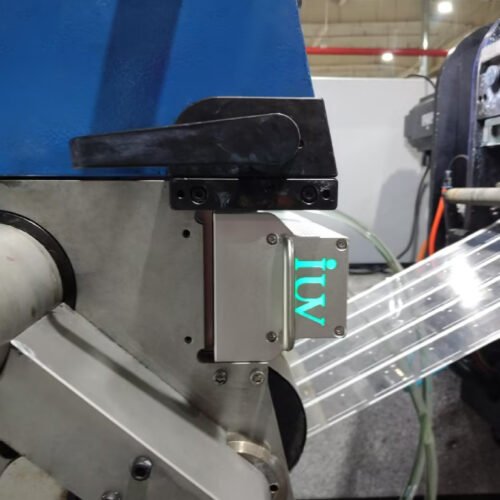
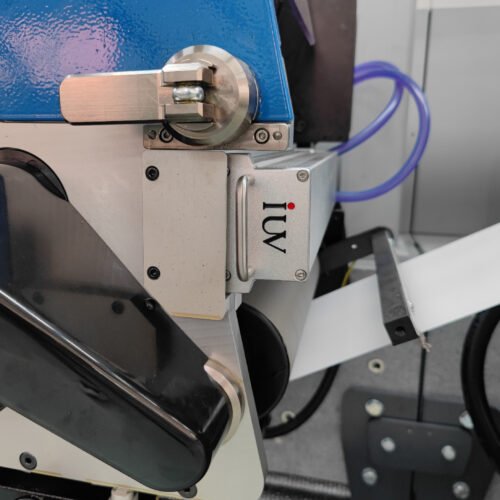
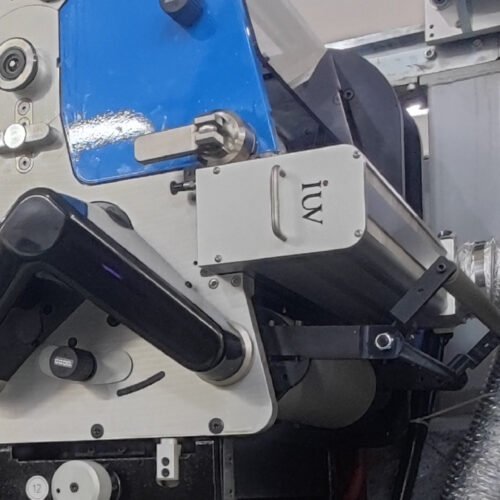
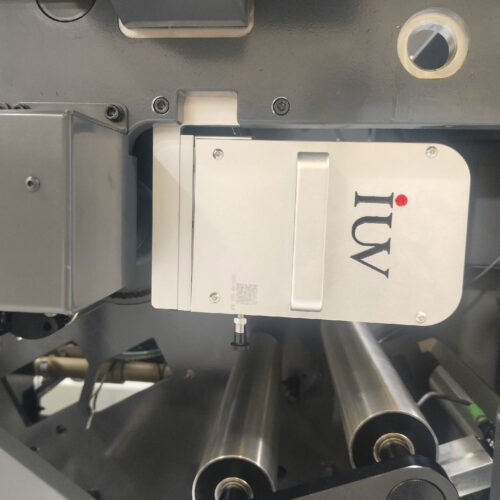
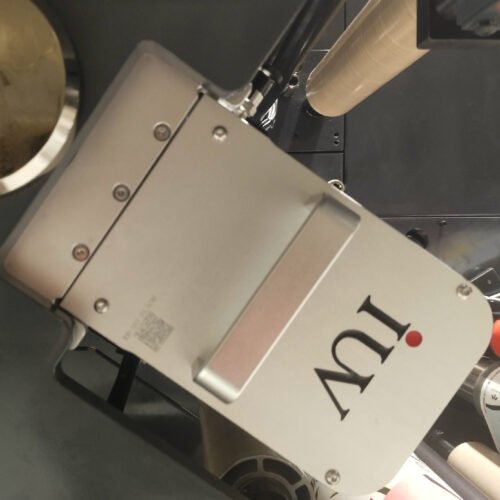
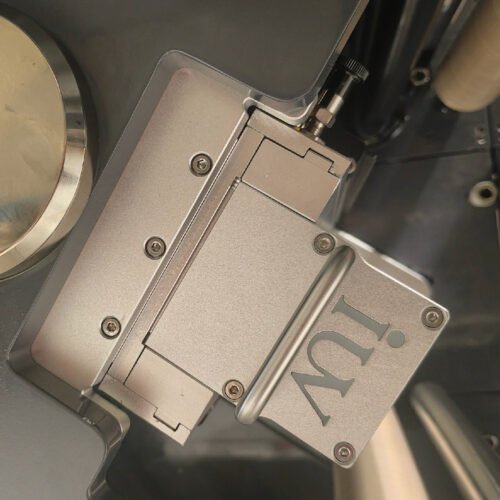
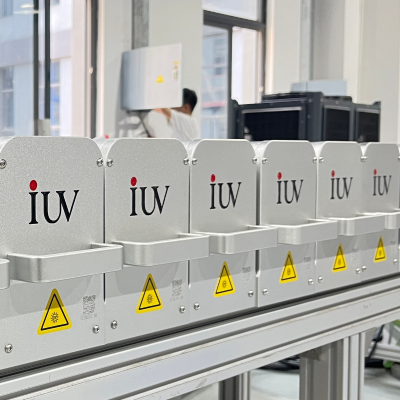
The shift towards LED UV curing, while offering significant advantages in energy efficiency, reduced heat, and faster cure speeds, introduces its own set of considerations for registration. Unlike traditional UV lamps, LED systems deliver a more concentrated and targeted UV output. This can lead to faster ink setting, which is generally beneficial, but it also means that any slight variation in ink laydown or plate pressure can be more immediately noticeable if registration isn’t perfect.
The thermal footprint of LED curing is much smaller than mercury vapor lamps. While this is great for preventing substrate shrinkage due to heat, it means that any mechanical variations in registration will be less masked by heat-induced expansion.
Strategies for Improving Registration Accuracy
Achieving superior registration in high-speed UV flexo printing requires a multi-pronged approach, addressing everything from press setup to material selection and advanced control systems.
1. Robust Web Tension Control
Implementing a sophisticated web tension control system is paramount. This involves using high-quality tension controllers, load cells, and dancer rollers to maintain a consistent tension throughout the entire web path. Investing in a system that can dynamically adjust tension based on press speed and material properties is highly recommended. Proper setup and calibration of these systems are also non-negotiable.
2. Precision Anilox and Plate Mounting
The accuracy of your anilox rolls and plate mounting is foundational. Ensure anilox rolls are clean and free from damage, and that their cell volume is appropriate for the ink transfer requirements. For plate mounting, using high-quality mounting tapes and ensuring consistent pressure during the mounting process is crucial. If using sleeves, the accuracy of the sleeve itself and the mandrels is equally important.
3. Advanced Register Control Systems
Modern narrow web presses are equipped with sophisticated automatic register control systems. These systems use cameras to monitor print registration on the fly and make micro-adjustments to impression cylinder positioning, lateral adjustment, or even anilox roll positioning. Integrating these systems and ensuring they are properly calibrated for the specific job parameters is key. The ability of these systems to adapt to subtle changes in web speed and tension is vital for high-speed operation.
4. Plate and Ink Management
The physical characteristics of the flexographic plate and the properties of the UV ink are directly related to print quality and registration. Ensure that your plates are manufactured to tight tolerances and that they are mounted straight and true. The durometer of the plate should be suitable for the job.
When it comes to UV inks, consistency in viscosity and rheology is important. Variations can affect ink transfer and, consequently, the apparent position of print elements. Ensure your ink supplier provides consistent batches.
5. Press Maintenance and Calibration
A well-maintained press is a prerequisite for good registration. Regular checks and maintenance of all mechanical components, including bearings, gears, and impression cylinders, are essential. This includes ensuring that all print stations are perfectly parallel and that the impression is even across the entire width of the print cylinder. Regular calibration of the press’s registration systems, both automated and manual, should be part of the routine.
6. Environmental Controls
While less obvious, environmental factors can also play a role. Significant fluctuations in temperature or humidity can cause substrate expansion or contraction, impacting registration. Maintaining a stable printing environment can contribute to more consistent results, particularly with sensitive filmic substrates.
7. Optimizing for LED UV Curing
When working with LED UV curing, pay close attention to the power settings and the distance between the LED lamps and the substrate. While LED curing is cooler than traditional UV, excessive power or proximity could still induce minor dimensional changes in some substrates. Fine-tuning these parameters, in conjunction with your ink and plate supplier, is part of the optimization process for achieving the best registration. Ensuring adequate ink cure without over-curing, which can sometimes lead to plate swelling, is also important.
The Continuous Pursuit of Perfection
Improving registration accuracy in high-speed UV flexo label production is not a one-time fix but an ongoing process of optimization and attention to detail. By understanding the complex interplay of factors—from web tension and mechanical precision to substrate properties and curing technology—and by implementing robust control strategies and rigorous maintenance practices, printers can consistently achieve the superior registration quality that defines excellence in the narrow web label industry.