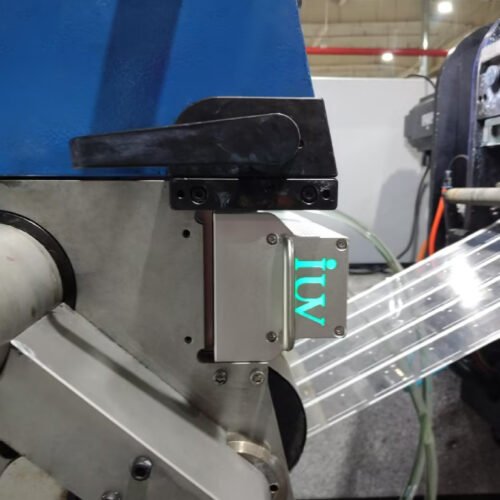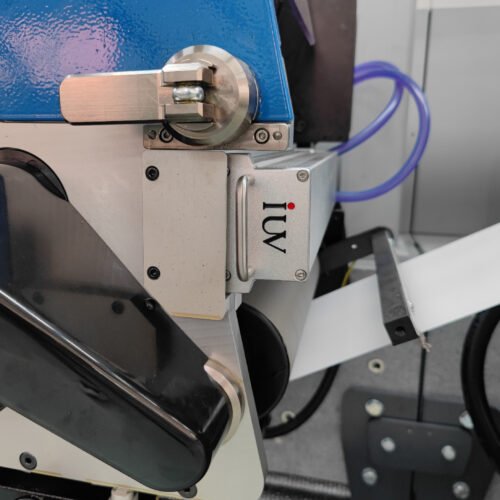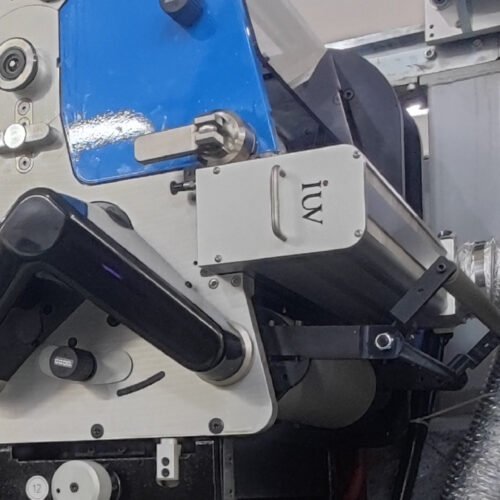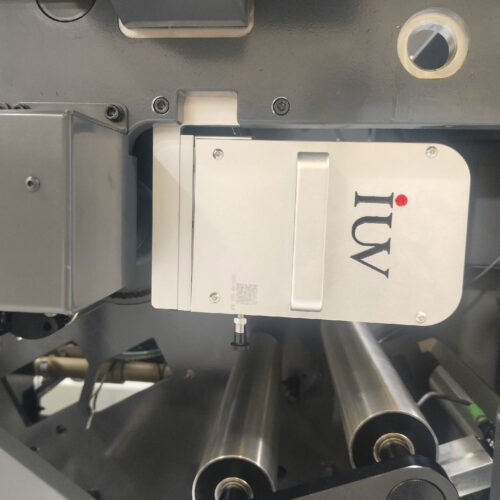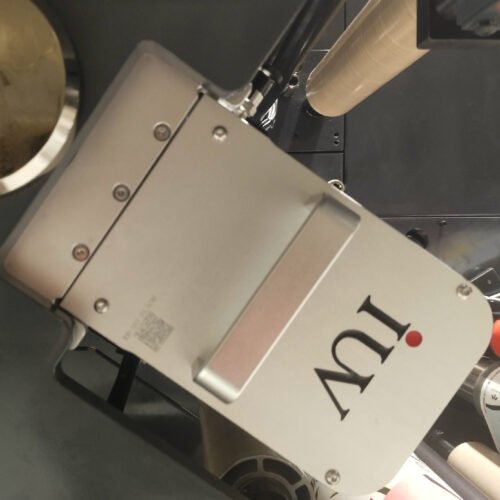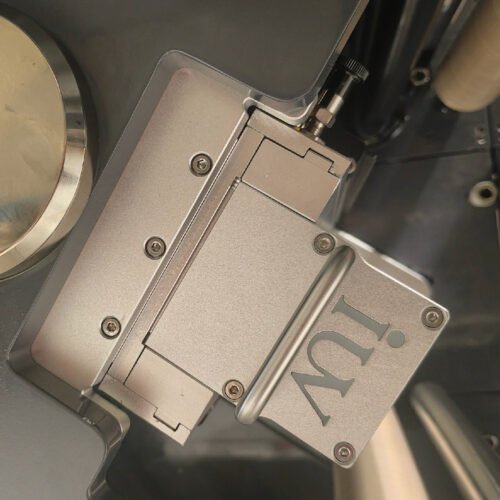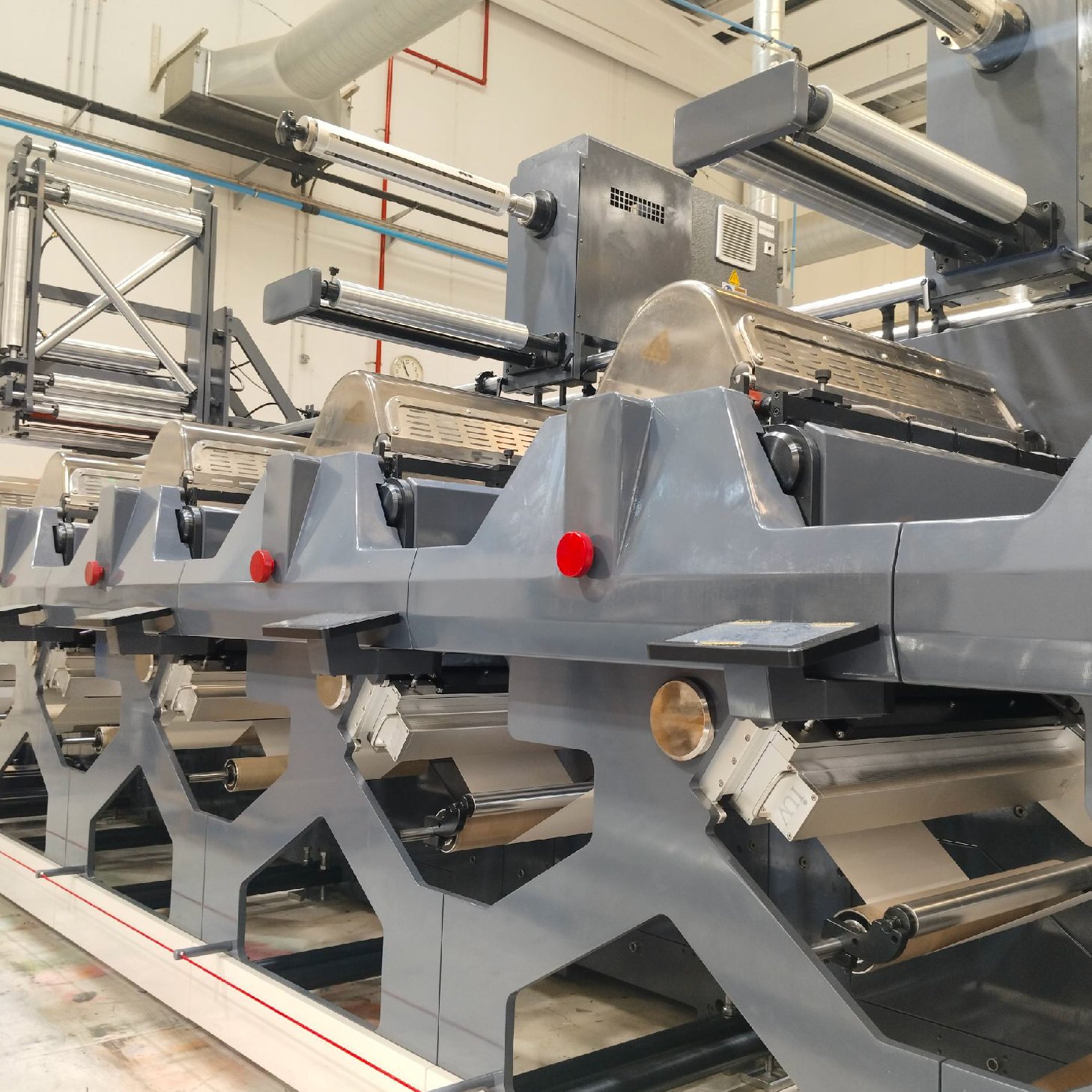
The relentless pursuit of efficiency and sustainability in the packaging printing industry demands innovative solutions. For high-speed narrow web presses, particularly those involved in label printing, flexographic, and offset applications, the choice of curing technology is paramount. Traditional UV curing systems, while effective, often come with significant energy consumption and operational drawbacks. Energy-efficient high-intensity LED curing systems are emerging as a transformative technology, offering a compelling blend of performance, cost savings, and environmental benefits.
The Evolution of UV Curing in Narrow Web Printing
For decades, UV curing has been the go-to method for achieving instant drying of inks and coatings on a variety of substrates. Mercury vapor lamps were the workhorses, providing ample UV output. However, these lamps generate substantial heat, require a warm-up period, and have a finite lifespan, necessitating frequent replacement. The energy they consume, much of which is converted into heat rather than useful UV light, translates directly into higher operating costs and a larger carbon footprint.
The advent of LED UV curing marked a significant leap forward. Light Emitting Diodes offer a much more focused and efficient way to deliver UV energy. Unlike mercury lamps that emit a broad spectrum of light, LEDs emit specific wavelengths, typically in the UV-A range (365nm, 385nm, 395nm, 405nm). This specificity is crucial for activating the photoinitiators within UV-curable inks and coatings, ensuring rapid and thorough curing.
Advantages of High-Intensity LED Curing for Packaging Presses
The benefits of adopting high-intensity LED curing systems on high-speed packaging presses are multifaceted and directly impact the bottom line and operational capabilities.
1. Superior Energy Efficiency
This is perhaps the most significant advantage. LED systems convert a much higher percentage of electricity into UV light compared to mercury lamps. This means less wasted energy and lower electricity bills. For a packaging press running multiple shifts, these savings can be substantial over time. The reduced heat output also lessens the burden on the pressroom’s cooling systems, leading to further energy conservation.
2. Instant On/Off Capability and Fast Warm-up
LEDs require no warm-up time. They reach their full intensity immediately upon activation and switch off instantly. This is a game-changer for job setups and changeovers. Operators can power down the LEDs when not actively curing, eliminating energy waste during these periods. This also contributes to a cooler press environment, improving operator comfort and reducing substrate temperature, which is vital for heat-sensitive materials.
3. Extended Lamp Lifespan and Reduced Maintenance
LED arrays boast an exceptionally long operational life, often exceeding 20,000 hours. This is considerably longer than the lifespan of traditional mercury lamps, which typically last around 1,000-3,000 hours. The extended lifespan translates into fewer lamp replacements, significantly reducing maintenance downtime and the cost of consumables. This reliability is critical in high-speed production environments where every minute of uptime counts.
4. Consistent UV Output and Performance
Mercury lamps tend to degrade in intensity over time, leading to inconsistent curing results. LED arrays, however, maintain a more stable and consistent UV output throughout their lifespan. This uniformity ensures predictable curing performance, batch after batch, which is essential for maintaining high-quality standards in packaging printing. Consistent curing also means fewer rejected jobs due to under-curing or surface tackiness.
5. Reduced Heat Generation
As mentioned, LEDs generate significantly less heat than mercury lamps. This has several positive implications for packaging operations. First, it allows for the printing on a wider range of heat-sensitive substrates, such as certain plastics and thin films, without causing distortion or damage. Second, it contributes to a cooler working environment in the pressroom, improving operator comfort and safety. Third, less heat means less stress on the printing equipment itself.
6. Environmental Benefits
The energy efficiency of LED curing systems directly contributes to a reduced carbon footprint. The absence of mercury in LED technology also eliminates hazardous waste disposal concerns associated with traditional UV lamps. This aligns with the growing demand from brand owners and consumers for more sustainable printing practices.
Applications in Narrow Web Printing Technologies
The adaptability of high-intensity LED curing makes it suitable for a wide array of narrow web printing applications:
- Label Printing: Whether it’s pressure-sensitive labels, in-mold labels, or shrink sleeves, LED curing provides the rapid drying needed for high-volume production runs. It excels with a variety of inks, including water-based UV and solvent-based UV, for diverse label applications.
- Flexographic Printing: In flexo operations, particularly for labels and flexible packaging, LED UV offers excellent adhesion and rub resistance. The ability to cure instantly at high speeds ensures sharp, high-definition print quality, crucial for brand appeal.
- Offset Printing (Narrow Web): For narrow web offset presses, LED curing ensures that inks dry quickly and effectively, preventing smudging and enabling immediate handling of printed materials. This is especially beneficial for short-run, high-value packaging applications.
- Screen Printing (Narrow Web): While less common for mainstream narrow web, for specialized applications requiring thick ink layers, LED curing can offer efficient curing of UV inks, providing durability and unique finishes.
Considerations for Implementing LED Curing Systems
While the advantages are clear, successful implementation requires careful consideration.
1. Wavelength Compatibility
It is critical to match the LED wavelength to the photoinitiator system used in the UV-curable inks and coatings. Most packaging applications utilize UV-A wavelengths (365nm to 405nm). Manufacturers of inks and coatings provide guidance on the optimal wavelengths for their products. Ensuring compatibility guarantees efficient and complete curing.
2. Irradiance and Energy Dose
The “high-intensity” aspect of these systems refers to their ability to deliver a high level of UV energy (irradiance, measured in W/cm²) over the substrate. The total energy dose (irradiance multiplied by exposure time) is what drives the curing process. For high-speed presses, achieving sufficient irradiance is key to ensuring adequate curing at faster web speeds. System integrators work to balance irradiance, exposure time, and web speed to achieve the desired cure.
3. Integration with Existing Presses
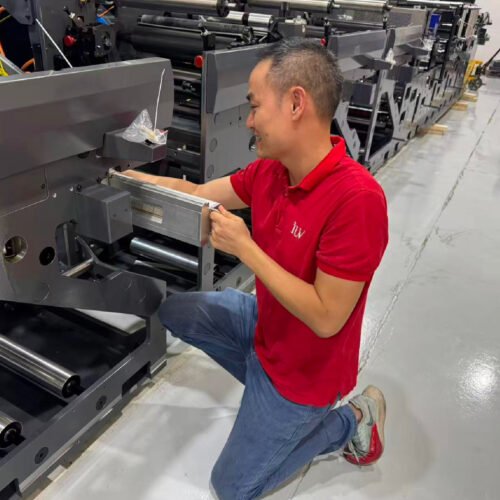
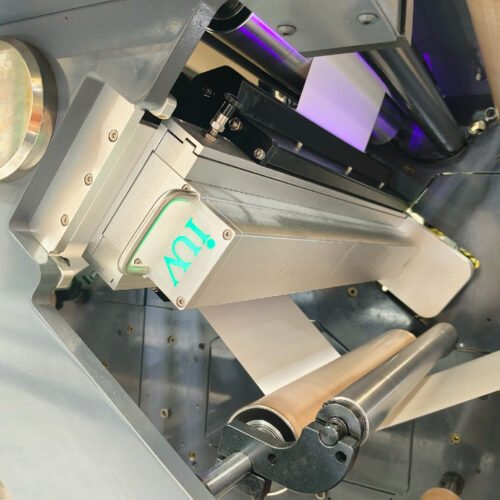
Retrofitting existing narrow web presses with LED UV curing systems requires expertise. Space constraints, power requirements, and inter-unit drying needs must be carefully assessed. Reputable manufacturers offer solutions designed for seamless integration, often providing modular units that can be installed between printing stations or at the end of the press.
4. Cost of Investment
The initial investment for LED UV curing systems can be higher than for traditional mercury lamp systems. However, this upfront cost is typically offset by long-term savings in energy consumption, reduced maintenance, fewer consumables (lamps), and improved uptime. A thorough total cost of ownership analysis is recommended.
5. Ink and Coating Formulations
While most modern UV inks are designed to be compatible with LED curing, it’s always advisable to confirm with ink suppliers. Some older formulations might be optimized for the broader spectrum of mercury lamps. However, the industry has largely adapted, with a wide range of LED-curable inks and coatings readily available for flexographic, offset, and other narrow web processes.
The Future of Packaging Press Curing
Energy-efficient high-intensity LED curing systems are no longer a niche technology; they are becoming the standard for modern, high-speed packaging presses. Their ability to deliver exceptional performance while reducing operational costs and environmental impact makes them an indispensable tool for label printers, flexible packaging converters, and any operation focused on efficiency and sustainability. As technology continues to advance, we can expect even more powerful, versatile, and cost-effective LED curing solutions to emerge, further solidifying their role in the future of print.