In the competitive world of narrow-web label printing, speed is a paramount concern. Manufacturers constantly seek ways to increase throughput without sacrificing quality. Flexographic printing, a workhorse in this sector, has seen significant advancements, with LED UV curing technology emerging as a key differentiator. This innovation is not just about faster drying; it’s a fundamental shift that elevates overall press performance, from ink adhesion to environmental impact.
Understanding the Core: Flexography and the Need for Speed
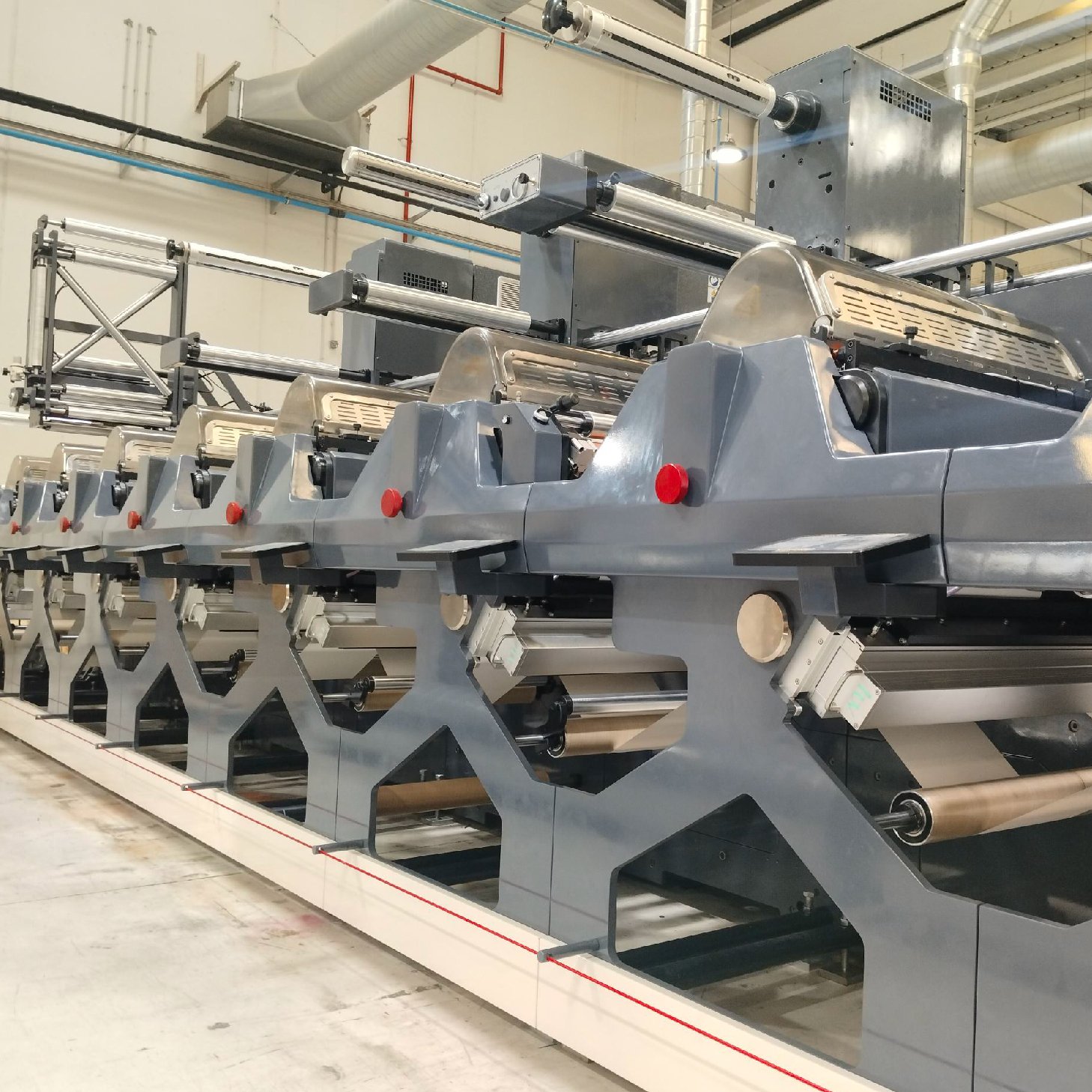
Flexography, often shortened to flexo, is a printing technique that uses a flexible relief plate to transfer ink to a substrate. Its inherent advantages make it ideal for high-volume, high-speed printing on a wide range of materials, including films, foils, and paper. For narrow-web applications, like those found in the label and packaging industry, flexo presses are engineered for rapid production. However, traditional curing methods, such as mercury vapor lamps or hot air dryers, can introduce limitations. These older technologies often require significant warm-up times, consume considerable energy, and can generate excessive heat, potentially affecting delicate substrates.
The LED UV Revolution: More Than Just a Light Source
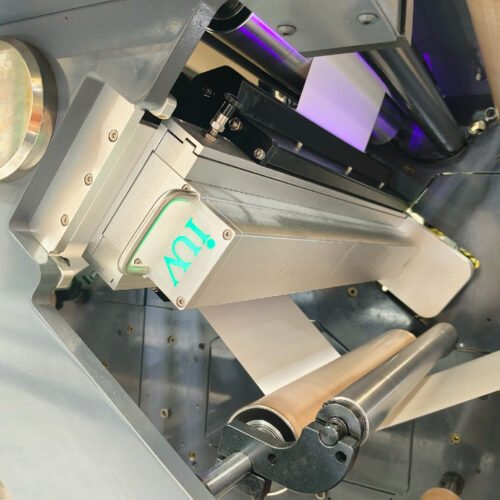
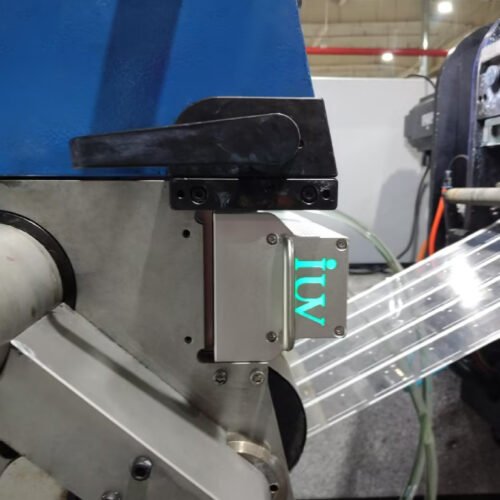
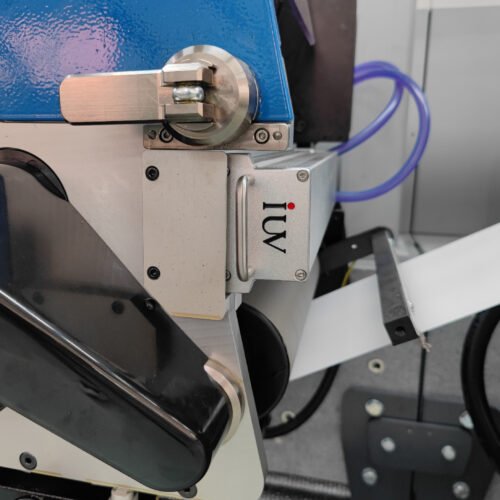
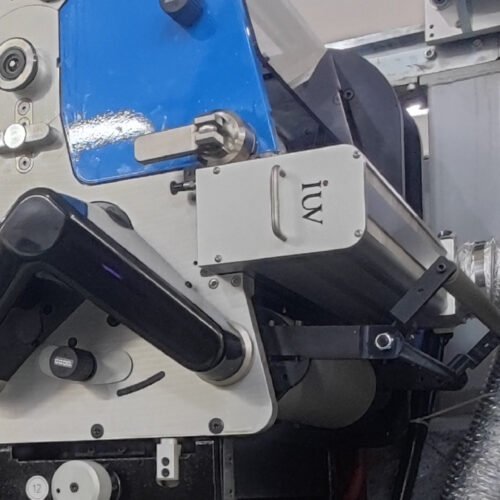
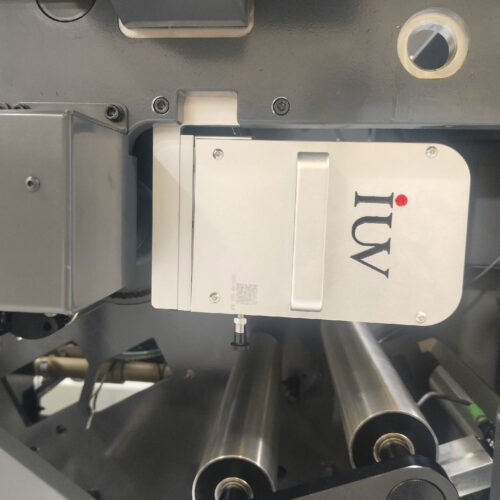
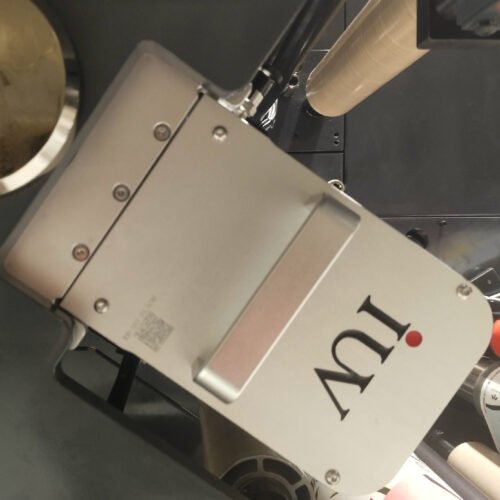
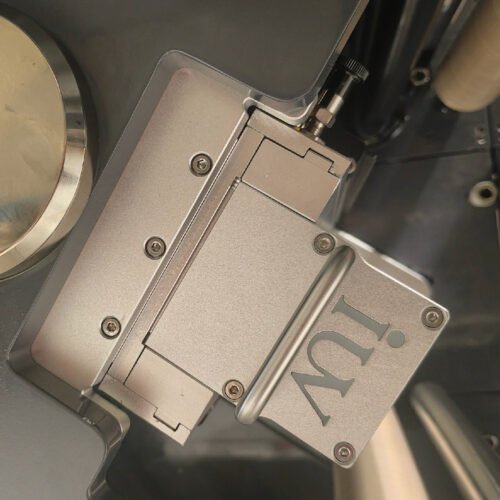
LED UV curing technology represents a paradigm shift from conventional UV lamps. Instead of a broad spectrum of UV light, LEDs emit a highly focused and specific wavelength. This precision is crucial. For flexographic inks, this means a more efficient and targeted curing process. When UV-curable inks are exposed to the specific wavelengths of LED light, they undergo rapid polymerization. This chemical reaction transforms the liquid ink into a solid, durable film almost instantaneously.
Key Benefits of LED UV in High-Speed Flexo
The integration of LED UV systems into high-speed flexographic presses unlocks a cascade of performance enhancements.
- Unmatched Curing Speeds: The primary draw of LED UV is its ability to cure inks at extremely high speeds. This allows flexo presses to operate at their maximum mechanical capabilities without the bottleneck of ink drying. For label printers producing thousands of labels per minute, this translates directly into increased production capacity and reduced turnaround times. The immediate curing also means less ink spread and sharper print definition, even at breakneck speeds.
- Superior Ink Adhesion and Durability: The precise wavelength of LED UV light promotes a more complete and consistent cure. This results in inks that are exceptionally well-adhered to the substrate. For applications requiring robust performance, such as food packaging, cosmetic labels, or durable goods, this enhanced adhesion is critical. The cured ink film is also more resistant to scratching, abrasion, and chemicals, ensuring the printed message remains intact throughout the product’s lifecycle.
- Substrate Versatility: Traditional curing methods, especially hot air dryers, can impart significant heat to the substrate. This can cause shrinkage, distortion, or even damage to heat-sensitive materials like thin films and certain plastics. LED UV curing generates very little heat. This “cool curing” capability opens up a wider range of printable substrates, allowing printers to work with more delicate and specialized materials without compromising print quality or incurring material waste.
- Energy Efficiency: Compared to mercury vapor lamps, LED UV systems are remarkably energy-efficient. They consume significantly less power and don’t require a lengthy warm-up period. This means printers can switch the system on and off as needed, leading to substantial energy savings over the course of a shift or a print run. The reduced energy consumption also contributes to a lower carbon footprint for the printing operation.
- Environmental Advantages: Beyond energy savings, LED UV technology offers further environmental benefits. Mercury vapor lamps, common in older UV systems, contain hazardous materials. LEDs, on the other hand, are mercury-free, making disposal safer and more environmentally responsible. The efficient curing process also reduces the potential for VOC (Volatile Organic Compound) emissions often associated with solvent-based inks, contributing to a healthier work environment.
- Consistent Performance and Longevity: LED UV lamps have a significantly longer operational lifespan than traditional mercury vapor lamps, often lasting tens of thousands of hours. Furthermore, their light output remains consistent throughout their life, unlike mercury lamps which degrade over time, leading to inconsistent curing. This reliability translates to less downtime for lamp replacement and more predictable print quality from job to job.
Addressing Specific Printing Needs
The benefits of LED UV extend to various printing applications within the narrow-web sector:
- Label Printing: For the vast label market, from product labels to security labels, the ability to print at high speeds with excellent ink adhesion and vibrant colors is essential. LED UV enables flexo presses to keep pace with demand for short-run, high-mix jobs, delivering consistent quality every time.
- Flexible Packaging: In flexible packaging, where print quality and durability are paramount for brand appeal and product protection, LED UV ensures inks are fully cured on a variety of filmic materials. The low heat output is particularly advantageous for heat-sensitive films.
- Offset vs. Flexo with LED UV: While offset printing can also utilize UV curing, flexography’s inherent speed and adaptability to different substrates make it a natural fit for LED UV technology, especially in the narrow-web space. Flexo presses equipped with LED UV can often outperform offset in terms of speed and efficiency for label and short-run packaging applications.
Integration and Considerations
Integrating LED UV curing systems into existing or new flexographic presses is a sophisticated process. The wavelength of the LEDs must be precisely matched to the photoinitiators in the UV-curable inks being used. Manufacturers offer a range of LED systems with different wavelength outputs (e.g., 365 nm, 385 nm, 395 nm, 405 nm) to accommodate various ink formulations. Careful consideration of the press speed, substrate type, and ink chemistry is necessary to optimize the performance of the LED UV curing unit.
The Future is Bright: Continued Innovation
The evolution of LED UV technology in flexographic printing is ongoing. Advances in LED efficiency, power output, and wavelength control continue to push the boundaries of what’s possible. As ink manufacturers develop new formulations optimized for LED curing, printers will have even greater flexibility and performance capabilities at their disposal. The synergy between high-speed flexographic presses and advanced LED UV curing is undeniably shaping the future of efficient, high-quality narrow-web printing. It’s a testament to how targeted technological innovation can lead to substantial gains in productivity, quality, and sustainability.