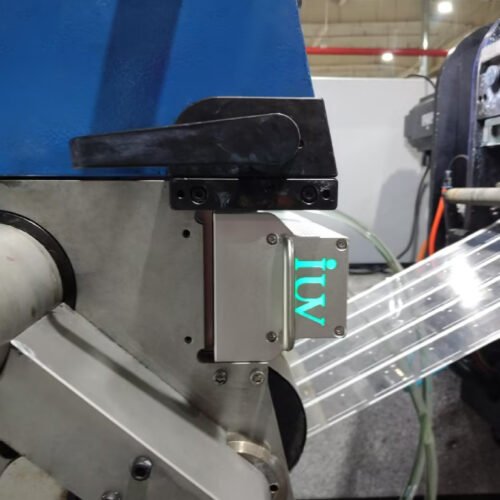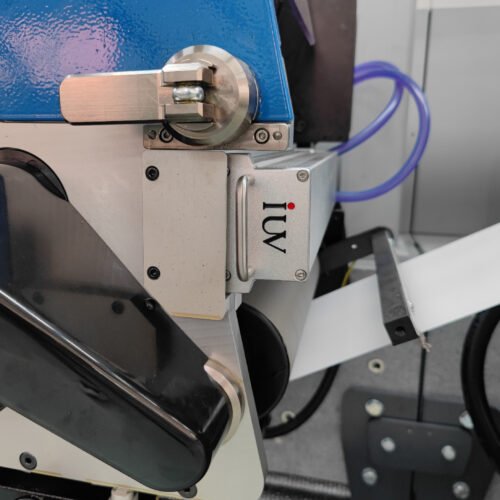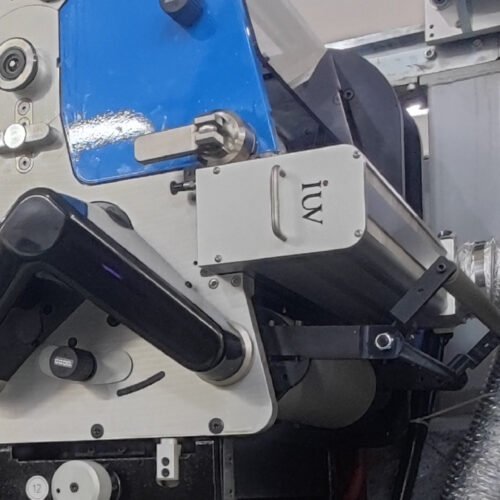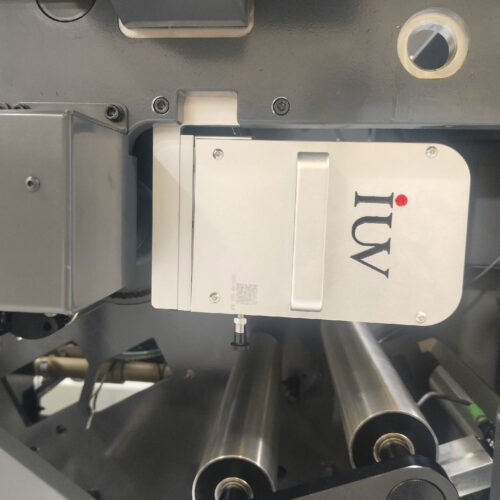
In the competitive landscape of narrow web printing, achieving consistent ink stability is paramount. Flexographic printing, a workhorse for labels and flexible packaging, demands precise control over ink behavior from application to final cure. Traditional UV curing methods have long been the standard, but the advent of next-generation high-intensity LED curing systems is revolutionizing ink stability, bringing tangible benefits to label printers worldwide.
Understanding the Challenges of Ink Stability in Flexography
Flexographic printing involves transferring ink from a raised image carrier to the substrate via a roller. Several factors can compromise ink stability during this process, directly impacting print quality and production efficiency.
- Ink Viscosity Fluctuation: Temperature changes, shear forces on the press, and solvent evaporation can all alter ink viscosity. An unstable viscosity leads to inconsistent ink transfer, resulting in poor dot gain, mottle, or weak ink coverage.
- Ink Drying/Curing Prematurely: Inadequate ink flow can occur if the ink begins to cure too quickly on the rollers or in the transfer system, leading to blockages and press stops. This is particularly problematic with fast-running presses.
- Pigment Settling: Over time, pigments within the ink can settle, leading to color variations and uneven ink laydown. Consistent agitation is often required to combat this.
- Substrate Interaction: The interaction between the ink and the substrate can also influence stability. Some substrates may absorb ink differently, leading to inconsistencies.
The Evolution of UV Curing in Flexography
For decades, mercury vapor lamps have been the dominant UV curing technology in the printing industry. These lamps emit a broad spectrum of UV light, effective for curing a wide range of inks. However, they come with inherent limitations:
- High Heat Emission: Mercury lamps generate significant heat, which can affect ink viscosity, cause substrate distortion, and create an uncomfortable working environment.
- High Energy Consumption: They are energy-intensive, leading to higher operational costs.
- Warm-up and Cool-down Time: Mercury lamps require a warm-up period before reaching full power and a cool-down period before they can be safely handled or serviced.
- Inconsistent Output: Their UV output can degrade over time and fluctuate with power supply variations, impacting cure consistency.
Enter High-Intensity LED Curing Systems
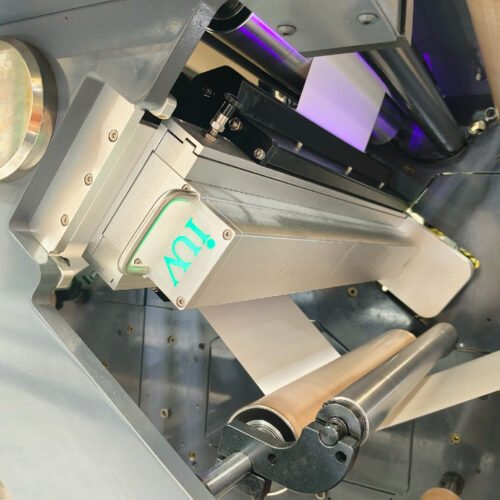
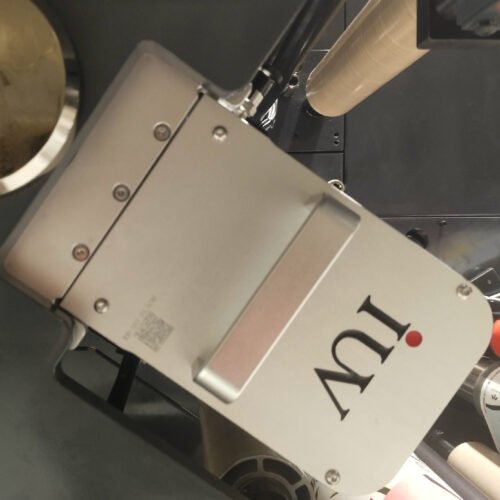
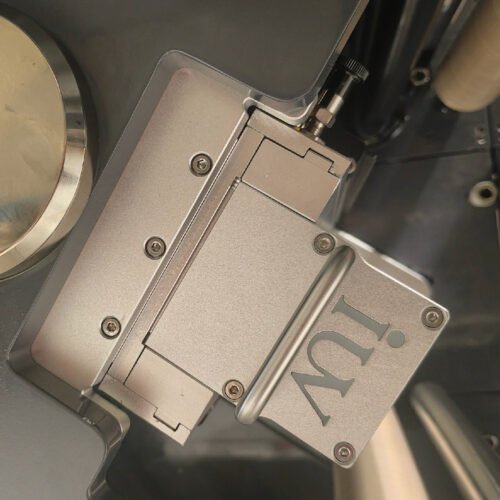
The introduction of high-intensity LED (Light Emitting Diode) curing systems marks a significant leap forward. Unlike mercury lamps, LEDs emit UV light within very specific wavelengths. This targeted emission, combined with their ability to operate at much higher intensities, offers compelling advantages for flexographic ink stability.
Key Advantages of High-Intensity LED Curing for Ink Stability
- Precise Wavelength Control: LED systems are designed to emit UV light at specific wavelengths that precisely match the photoinitiators in UV-curable inks. This targeted energy delivery ensures efficient and rapid curing at the point of application, minimizing the time the ink is exposed to potential instability-inducing factors.
- Low Heat Emission: LEDs produce very little infrared radiation, meaning they generate minimal heat. This “cool cure” environment is crucial for maintaining stable ink viscosity. With less heat introduced into the printing system, inks remain fluid and consistent, preventing premature drying or thickening on the anilox rolls, ink chambers, or transfer systems.
- Instant On/Off Capability: LEDs can be switched on and off instantaneously. This eliminates warm-up and cool-down delays, allowing for immediate press startups and stops. More importantly, it means the ink is only exposed to UV light precisely when it needs to be cured, reducing the risk of unintended partial curing during its journey through the print station.
- Consistent UV Output: High-intensity LED systems offer a highly stable and predictable UV output over their lifespan. This consistency ensures uniform curing from batch to batch and job to job, eliminating a significant variable that can affect ink behavior and final print quality. This reliability directly translates to more predictable ink performance.
- Energy Efficiency: While not directly related to ink stability, the significant energy savings offered by LED systems contribute to overall cost reduction, making advanced curing technology more accessible. This allows printers to invest in systems that improve ink performance.
- Longer Lamp Life: LEDs have a much longer operational lifespan compared to mercury lamps, reducing downtime for lamp replacements and associated maintenance costs. This reliability contributes to a more stable and predictable production process overall.
Impact on Specific Flexographic Printing Processes
The benefits of high-intensity LED curing extend across various aspects of flexographic printing, particularly in narrow web applications where precision and speed are essential.
- Narrow Web Label Printing: In this high-volume sector, consistency is king. The ability to maintain stable ink viscosity and achieve immediate, complete cures is vital for sharp dots, solid color areas, and vibrant graphics on a wide array of substrates, from paper to films. The “cool cure” aspect is also beneficial when printing on heat-sensitive materials.
- Flexible Packaging Printing: For packaging applications, ink adhesion, rub resistance, and color consistency are critical. High-intensity LED curing ensures that the ink is thoroughly cured, enhancing these properties. The stability offered by the system means that even complex multi-layer structures can be printed without concern for ink migration or poor adhesion due to inconsistent curing.
- Offset and Gravure Comparison: While this article focuses on flexography, it’s worth noting that advancements in LED curing are also impacting offset and gravure printing, highlighting the technology’s broad applicability in enhancing ink stability across different print methods. However, flexography’s inherent need for precise ink transfer makes it a particularly strong beneficiary of LED’s control over ink behavior.
Implementing High-Intensity LED Curing for Optimal Ink Stability
Transitioning to high-intensity LED curing requires careful consideration to maximize its benefits for ink stability.
- Ink Formulation: Work with ink manufacturers who offer formulations specifically designed for LED curing. These inks contain photoinitiators optimized for the specific wavelengths emitted by the LED system, ensuring the most efficient cure.
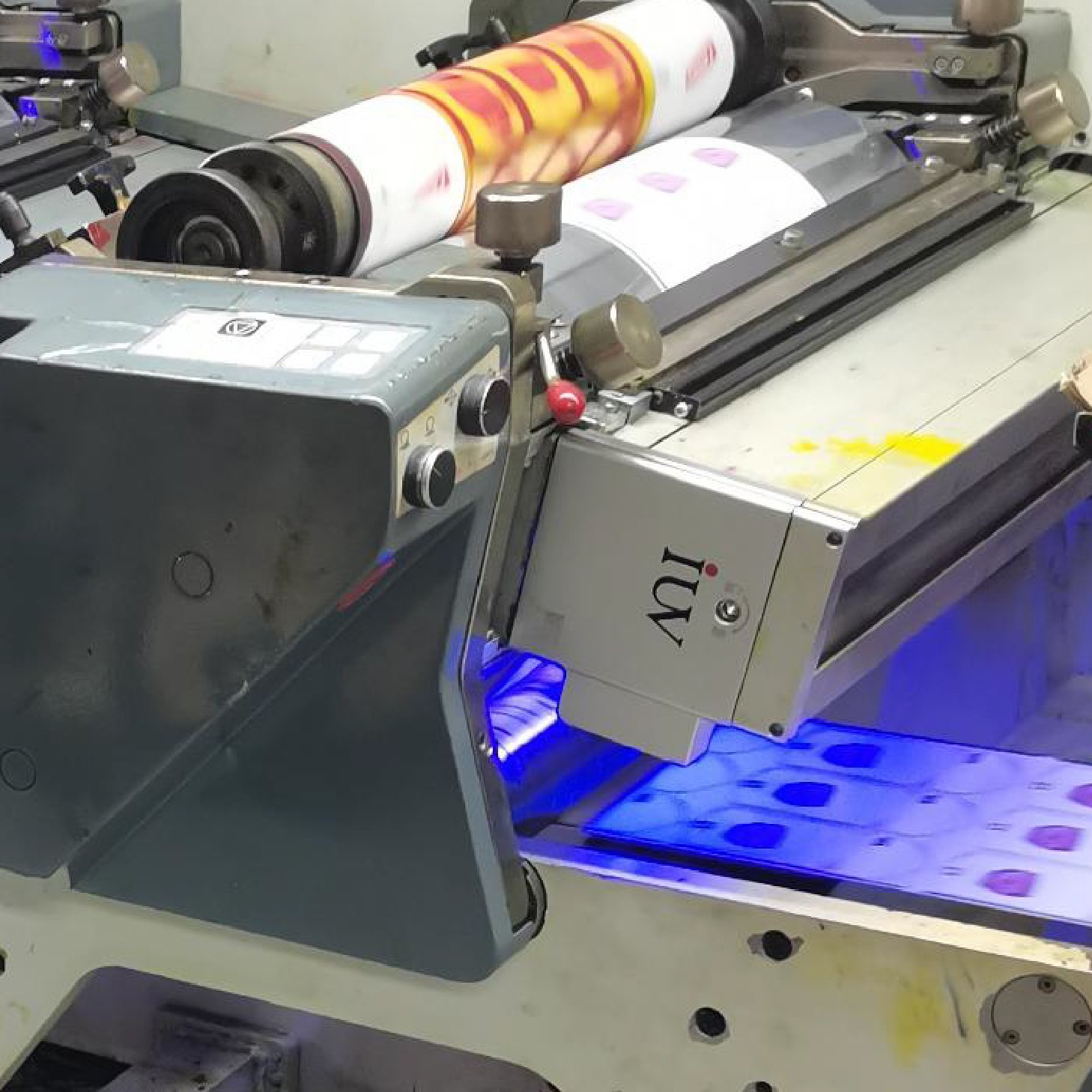
- Press Integration: Ensure the LED curing units are properly integrated into the flexographic press. This includes correct positioning relative to the print station and consideration of air circulation to manage any residual heat, although this is far less of an issue than with mercury lamps.
- Process Optimization: Calibrate the LED power output and exposure time to match the ink and substrate combination. While LEDs offer high intensity, finding the optimal setting ensures complete cure without over-exposure, which could potentially degrade the ink or substrate.
- Substrate Selection: While LED curing generally performs well across most substrates, understanding the interaction between the ink, substrate, and LED wavelengths can lead to even better results.
The Future of Ink Stability: A High-Intensity LED Driven Landscape
The drive towards higher quality, greater efficiency, and more sustainable printing practices in the flexographic industry is undeniable. Next-generation high-intensity LED curing systems are not just an incremental improvement; they represent a fundamental shift in how UV curing is approached. By offering unparalleled control over curing parameters, minimizing heat generation, and providing consistent, reliable performance, these systems directly address the core challenges of flexographic ink stability.
Printers who embrace this technology will find themselves better equipped to produce high-quality labels and packaging consistently, reduce waste, and operate more efficiently. The enhanced ink stability provided by high-intensity LED curing is a critical enabler for achieving these goals, paving the way for a more robust and predictable flexographic printing future.