
In the demanding realm of narrow-web printing, particularly for labels and packaging, achieving a truly opaque white layer is often a cornerstone of quality. This isn’t just about aesthetics; it’s about brand clarity, color vibrancy of subsequent ink layers, and overall print integrity. When working with UV-curable inks, optimizing the performance of high-opacity white formulations is critical. This involves understanding the interplay between ink chemistry, substrate properties, and curing technology, especially the advanced capabilities of LED UV curing.
The Foundation: Understanding White UV Ink Formulations
At its heart, the opacity of a white UV ink comes down to its pigment load and the specific type of white pigment used. Titanium dioxide (TiO2) is the undisputed king here, thanks to its high refractive index. This means TiO2 particles scatter light exceptionally well, effectively blocking the underlying substrate color. However, simply packing more TiO2 into an ink isn’t always the solution.
Challenges arise with high pigment loadings. Increased viscosity can lead to printing issues, such as poor ink transfer, bridging in fine screens, and excessive plate wear. Furthermore, dense pigment layers can hinder UV light penetration, making complete curing difficult. This is where the formulation science becomes paramount. Resin systems, photoinitiators, and additives are carefully selected to ensure the ink flows properly, adheres to the substrate, and cures thoroughly, even when densely pigmented.
The Role of LED UV Curing Technology
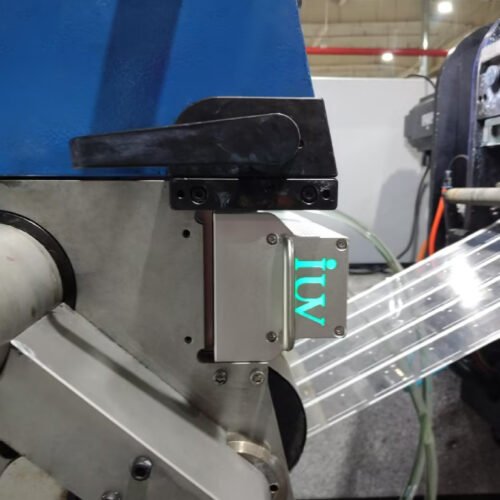
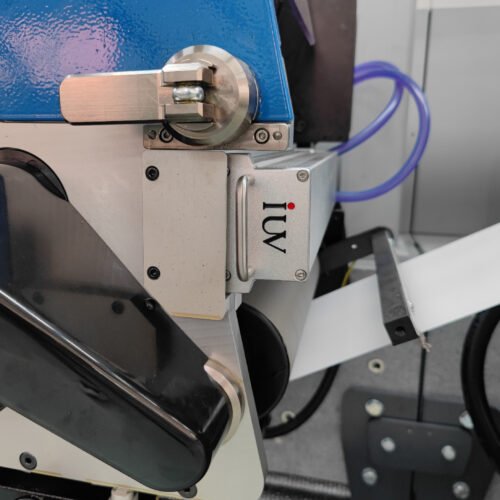
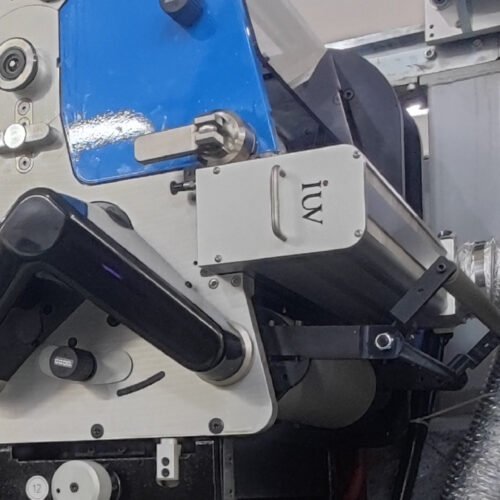
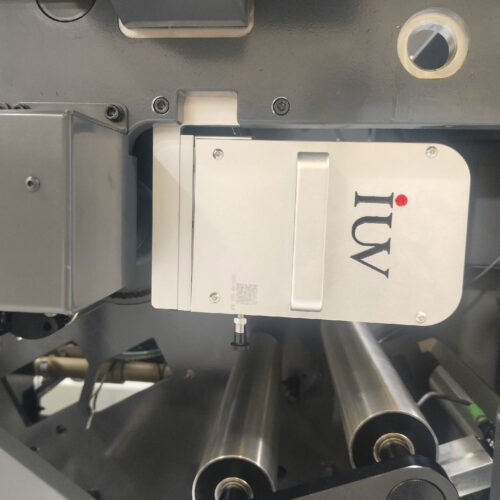
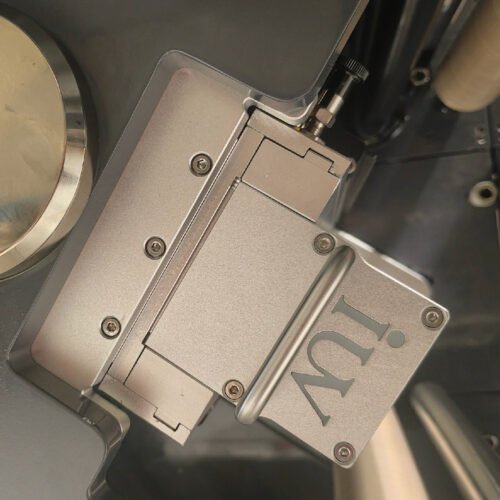
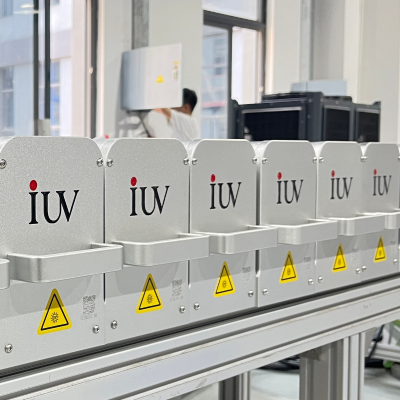
The advent of LED UV curing has revolutionized how we approach UV ink performance. Unlike traditional mercury vapor lamps, LEDs emit a specific, narrow spectrum of UV light. This targeted output offers several advantages for curing high-opacity white inks.
Firstly, LEDs are highly efficient. They generate less heat, which is beneficial for heat-sensitive substrates and can lead to more stable press conditions. Secondly, their spectral output can be precisely matched to the absorption characteristics of the photoinitiators within the ink. For white inks, which can scatter and absorb UV light internally, this precise matching is crucial for achieving full through-cure. This prevents issues like poor adhesion, premature ink film failure, and potential migration of uncured components.
Optimizing for Flexographic and Offset Printing
Both flexographic and offset printing processes have unique demands when it comes to white UV ink performance.
Flexographic Printing: In flexo, ink transfer relies on the anilox roll and the resilience of the printing plate. High-opacity white inks, with their potentially higher viscosity and pigment content, can be challenging. To optimize:
- Anilox Selection: Choose an anilox roll with appropriate cell volume and engraving to deliver the correct ink film thickness without starving the print or flooding the plate. A slightly coarser anilox might be needed for high-viscosity whites, but balance this against potential dot gain.
- Plate Performance: Ensure your printing plates are robust enough to handle the ink. Soft plates can deform under pressure, leading to poor print definition.
- Ink Rheology: Work with ink suppliers to ensure the white ink has excellent transfer characteristics, even at high opacity levels. Lower viscosity formulations with high opacity are often the goal.
Offset Printing: In offset lithography, ink transfer involves ink rollers and the plate. For high-opacity whites:
- Ink Train Management: Proper setting of the ink fountains and roller pressures is vital. Too much pressure can squeeze the ink out, reducing opacity.
- Water/Ink Balance: Maintaining the correct water-ink balance is always critical in offset. White inks, especially those with high pigment, can sometimes be more sensitive to emulsification.
- Varnishing: Sometimes, a clear UV varnish is applied over a white ink layer. The opacity and curing of the white ink directly impact the gloss and adhesion of the subsequent varnish.
Substrate Considerations: The Unsung Hero
The substrate onto which the white UV ink is printed plays a significant role in performance.
- Surface Energy: Substrates with adequate surface energy promote good ink wetting and adhesion. Low surface energy materials may require pre-treatment (like corona or plasma) to ensure the ink lays down and cures properly.
- Porosity: Highly porous substrates can absorb some of the ink vehicle, potentially affecting the dry film thickness and, consequently, the opacity. Formulators may adjust resin systems to compensate for this.
- Color: Naturally, the color of the substrate is what the white ink is designed to cover. A dark or heavily colored substrate requires a more robust white formulation and potentially a thicker ink film than a light-colored one.
Curing Parameters: The Fine-Tuning Act
Achieving optimal UV ink performance is impossible without precise control over curing. For high-opacity whites with LED UV:
- Wavelength Matching: As mentioned, ensure your LED UV system’s wavelength (e.g., 365nm, 395nm) is perfectly aligned with the primary photoinitiators in the white ink.
- Irradiance: This is the power density of the UV light output, measured in watts per square centimeter (W/cm²). Higher irradiance generally leads to faster curing. However, for thick white ink layers, you need sufficient irradiance to drive the photoinitiators deep into the ink film.
- Exposure Dose: This is the total amount of UV energy delivered, calculated as irradiance multiplied by exposure time. The ink formulation dictates the required dose for full cure. Too little dose results in under-cured ink, while excessive dose can sometimes lead to ink degradation or substrate damage.
- Web Speed: The press speed directly influences the exposure time. As you increase speed, you must compensate by increasing irradiance to maintain the necessary UV dose. For opaque whites, this is often where the limits of an LED system can be tested.
Troubleshooting Common Issues
When high-opacity white UV inks don’t perform as expected, several common culprits emerge:
- Insufficient Opacity: This can stem from an inadequate ink film thickness, an under-cured layer, or a formulation with insufficient TiO2 or incorrect TiO2 particle size distribution. Check anilox rolls, ink viscosity, and curing.
- Poor Adhesion: Under-curing is a frequent cause. Ensure the UV dose is sufficient, especially in the deeper layers of the ink film. Substrate surface energy and contamination also play a role.
- Blocking/Tackiness: This is a clear sign of under-curing. The ink surface remains slightly tacky and can transfer to the back of the next substrate layer when wound into a roll. This requires an increase in UV dose.
- Ink Mist or Splatter: Often related to viscosity and rheology issues. The ink may be too thin or have poor flow properties, leading to poor transfer and potential misting, especially at higher press speeds.
The Future: Smarter Formulations and Integrated Curing
The ongoing development in UV ink chemistry, particularly in photoinitiator packages and dispersant technologies, continues to push the boundaries of high-opacity white performance. Coupled with advancements in LED UV curing systems – such as variable power control and intelligent monitoring – printers can achieve greater consistency and efficiency.
For narrow-web printers aiming for impeccable label and packaging quality, mastering the nuances of high-opacity white UV ink performance is not just about choosing the right ink; it’s about a holistic approach that encompasses the press, the substrate, and the sophisticated dance of light and chemistry that brings it all to life. By paying close attention to formulation, process parameters, and curing, exceptional results are well within reach.