In the fast-paced world of label printing, achieving consistent, high-quality results is paramount. While many factors contribute to print success, the subtle yet significant impact of temperature on UV ink performance often goes overlooked. This article delves into how precise temperature control across various printing processes, from flexography to offset, directly influences the curing speed, adhesion, color vibrancy, and overall durability of UV inks, particularly within the context of narrow web printing. Understanding and managing these thermal dynamics is key to optimizing your print operations.
UV Ink Curing: A Photo-Initiated Chemical Reaction
UV inks are unique because they don’t dry through evaporation. Instead, they undergo a rapid photo-polymerization process. When exposed to ultraviolet light, photo-initiators within the ink formulation absorb UV energy. This energy triggers a chemical reaction that causes monomers and oligomers to cross-link, transforming the liquid ink into a solid, cured film almost instantaneously. This process is highly sensitive to the surrounding environment, and temperature plays a critical role.
Temperature’s Impact on Ink Viscosity and Flow
Viscosity, or the ink’s resistance to flow, is one of the most direct ways temperature affects UV ink. Colder temperatures cause ink to become thicker and more viscous. This can lead to several printing issues. In flexographic printing, for instance, thicker ink may not transfer as cleanly from the anilox roll to the printing plate, potentially resulting in poor ink laydown, mottling, or a loss of fine detail. The ink might not fill the engraved cells of the anilox roll efficiently, leading to under-inking in certain areas.
Conversely, warmer temperatures reduce ink viscosity, making it thinner and more fluid. While this can sometimes improve ink transfer and smooth out laydown, excessively low viscosity can cause ink to spread too much on the substrate. This “dot gain” or “dot spread” can blur fine text, obscure intricate graphics, and make color registration more challenging, especially in narrow web applications where precision is vital.
The Curing Speed Conundrum: Too Hot, Too Cold?
The speed at which UV ink cures is a direct function of the photo-initiation process, and this process is temperature-dependent. At optimal temperatures, the photo-initiators are highly efficient, leading to rapid and complete polymerization.
However, extreme temperatures can hinder curing. If the ink is too cold, the chemical reaction can slow down. This means the ink may not fully cure by the time it passes under the UV lamps, leading to uncured or under-cured ink. This can manifest as a tacky surface, poor rub resistance, and potential migration issues, all of which are unacceptable in label production.
On the other hand, if the substrate or the ink itself becomes too hot during the printing process, it can sometimes lead to premature curing or affect the photo-initiator’s efficiency. While less common with LED UV systems due to their targeted energy output, excessive heat can still alter the ink’s properties and potentially lead to a less robust cured film. Maintaining a stable, optimal temperature ensures the photo-initiators work at their peak, facilitating a fast and thorough cure.
Adhesion: A Thermally Sensitive Bond
The adhesion of UV ink to the substrate is critical for label durability. Temperature significantly impacts this bond. When ink is applied, and then cured, the resulting solid film needs to form a strong physical and chemical bond with the surface of the label stock.
If the ink is too cold and doesn’t cure properly, its ability to adhere to the substrate will be compromised. The uncured portions won’t form the necessary cross-links to bond effectively. This can lead to delamination, peeling, or ink rubbing off easily, especially under challenging environmental conditions or during product handling.
Conversely, if the substrate is too hot, it can sometimes alter the surface energy or porosity of the material, potentially affecting how well the liquid ink wets and bonds to it before curing. While modern UV inks are formulated for broad substrate compatibility, extreme thermal conditions can push these limits. Stable temperatures ensure the ink can properly wet the substrate and cure into a cohesive, durable layer.
Color Fidelity and Vibrancy: The Temperature Effect on Pigments
Achieving accurate and vibrant colors is a primary goal in label printing. Temperature can subtly influence color perception and consistency.
As mentioned, temperature affects ink viscosity, which in turn influences the ink film thickness applied to the substrate. A thinner ink film will appear less saturated and less vibrant than a thicker, well-applied film. If temperature fluctuations cause inconsistent ink laydown, your color reproduction will suffer.
Furthermore, some pigments and dyes used in UV ink formulations can be sensitive to temperature. While UV inks are generally formulated to be stable, extreme heat or cold during the printing process could, in rare cases, subtly alter the spectral properties of certain colorants, leading to slight shifts in hue or saturation. Maintaining a consistent temperature ensures the ink lays down uniformly and the colorants perform as intended, leading to predictable and repeatable color results.
Specific Printing Processes and Thermal Considerations
Flexographic Printing (Narrow Web):
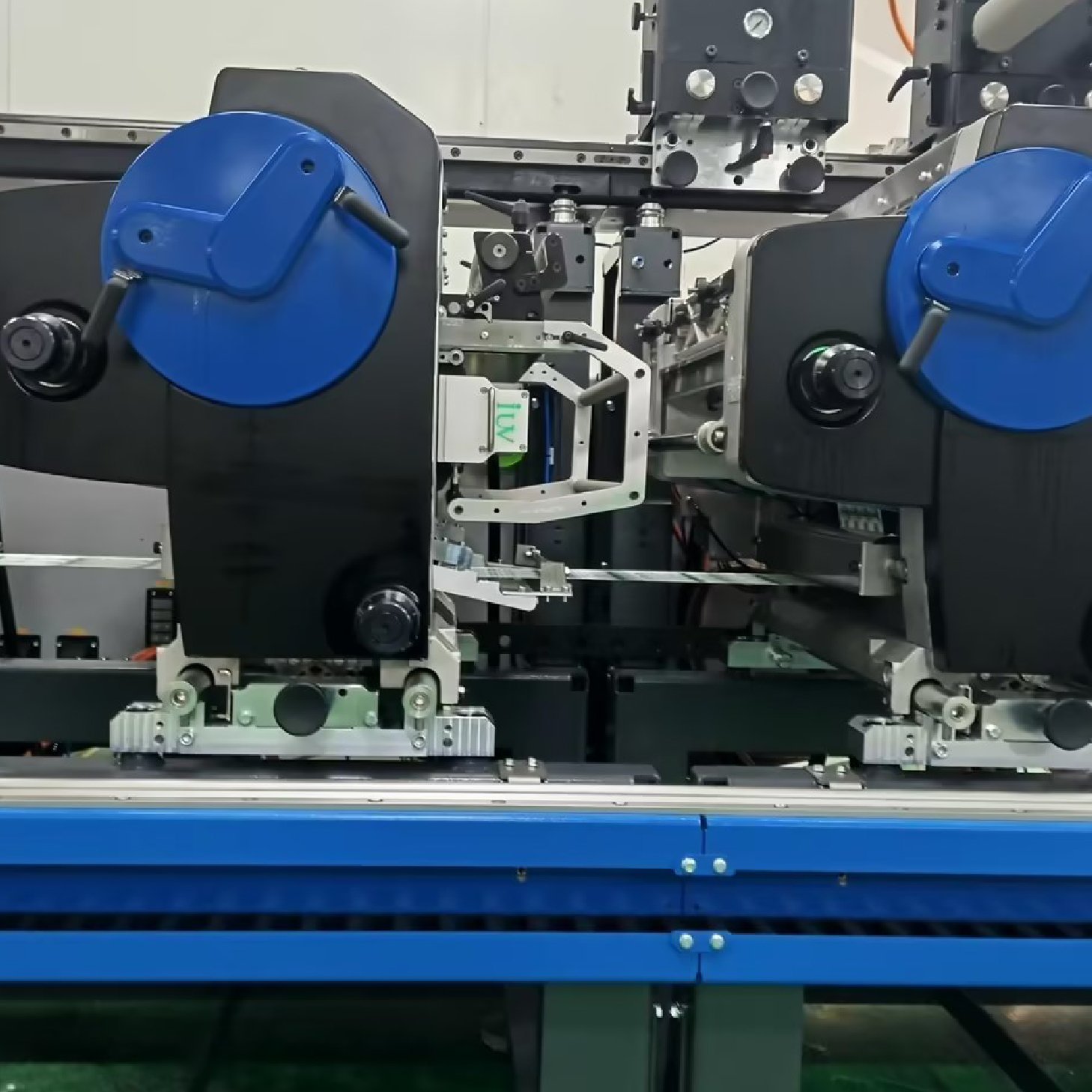
In flexography, especially for narrow web labels, precise ink transfer is key. Anilox roll cell volume and ink viscosity are directly linked to temperature. Colder inks might not flow out of the anilox cells cleanly, while warmer inks could lead to excessive ink transfer and dot gain. The curing efficiency of UV lamps is also influenced by the temperature of the web as it passes through the curing station. Proper web cooling or controlled environmental temperature within the press is often employed.
Offset Printing (Sheet-fed and Web):
In offset lithography, UV inks rely on a precise balance of ink, water, and plate chemistry. Temperature affects the viscosity of the ink and the tack of the ink. If the ink is too cold, it can become very stiff and difficult to transfer evenly from the form rollers. If it’s too warm, it might be too thin, leading to poor trapping of subsequent colors. Controlling the pressroom temperature is a common practice in offset printing to ensure consistent ink behavior.
LED UV Curing Technology:
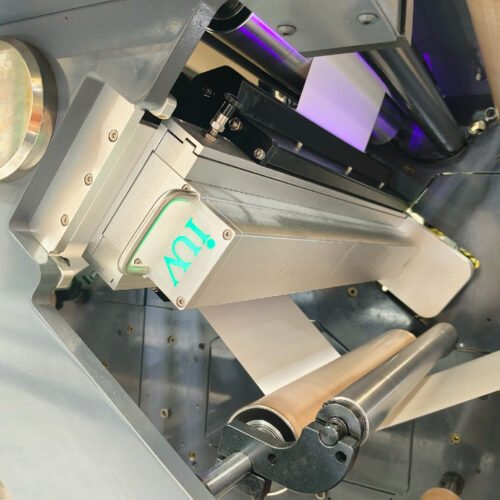
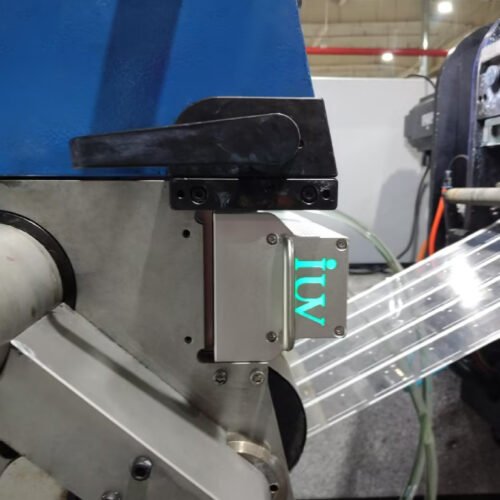
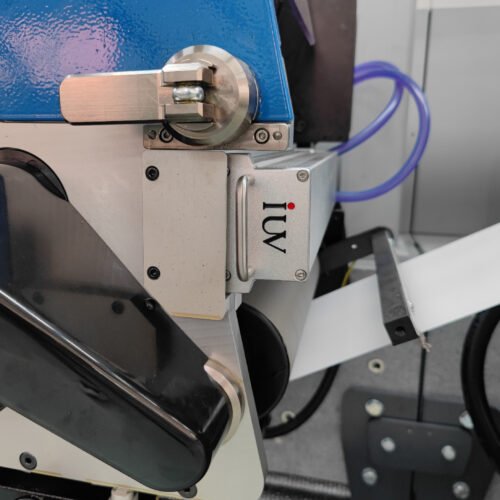
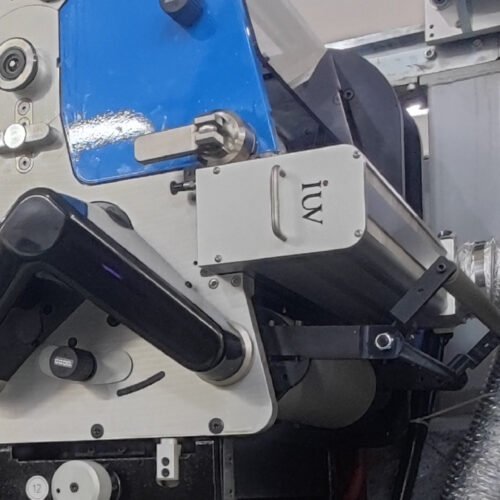
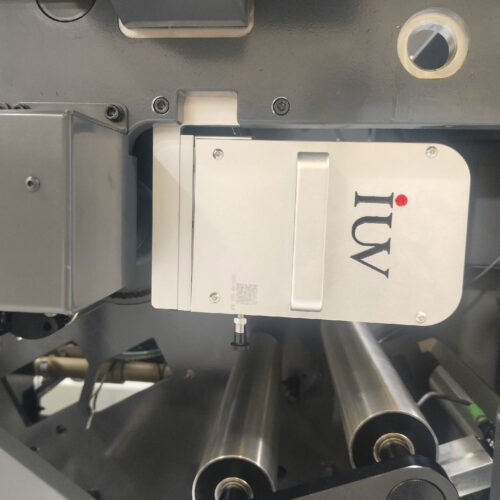
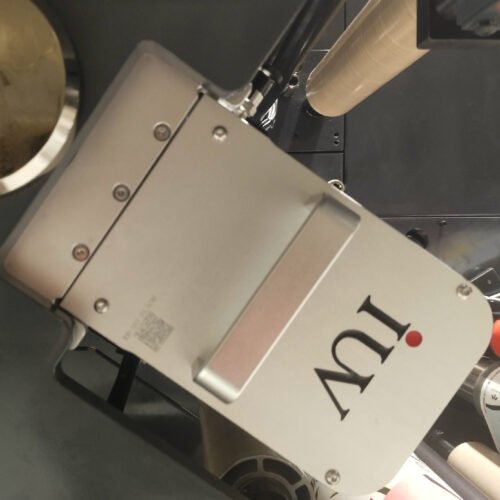
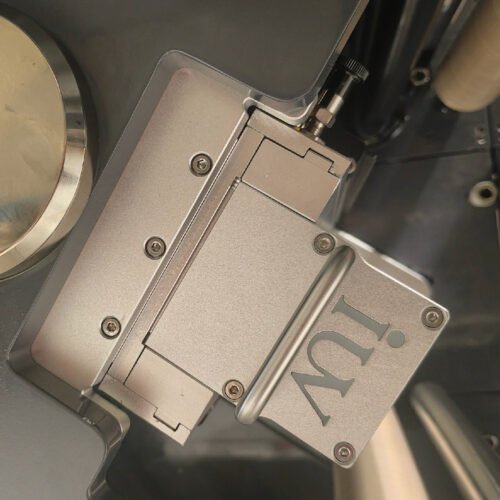
LED UV curing systems offer advantages in temperature management compared to traditional mercury vapor lamps. LEDs emit light in narrower spectral bands and generate significantly less heat. This means the substrate and the ink are exposed to less overall thermal load. However, even with LEDs, the temperature of the ink itself and the substrate as it enters the curing zone still matters. Efficient exhaust and ventilation systems are still important to prevent heat buildup, especially in high-speed narrow web presses. The consistent energy output of LEDs also aids in more predictable curing performance, but this performance is still optimized within a specific temperature range.
Optimizing Temperature Control in Your Print Environment
To harness the full potential of UV inks, implementing effective temperature control strategies is essential.
- Pressroom Environment Control: Maintaining a stable ambient temperature in your print facility is the first step. This helps prevent extreme fluctuations in ink and substrate temperature before they even reach the press.
- Ink Temperature Monitoring: Utilize temperature probes to monitor the temperature of the ink in your fountains or transfer systems. Adjustments can be made to warming or cooling systems as needed.
- Web Temperature Monitoring: For high-speed presses, particularly in narrow web applications, measuring the substrate temperature as it enters and exits the curing station can provide valuable data for optimization.
- Cooling Systems: Employing chilled rollers or integrated web cooling systems can help manage ink and substrate temperature, especially during long print runs or when running at high speeds.
- Ventilation and Exhaust: Ensure adequate ventilation and exhaust systems are in place to remove heat generated by UV lamps (even LEDs) and the printing process itself.
Conclusion: Temperature as a Critical Variable
Temperature is not merely a passive environmental factor but an active participant in the performance of UV inks. From controlling viscosity and ensuring proper curing to achieving vibrant colors and robust adhesion, thermal management directly impacts the quality and efficiency of your label printing operations. By understanding these principles and implementing robust temperature control strategies, printers can unlock greater consistency, reduce waste, and consistently deliver high-performance labels that meet and exceed customer expectations. Paying close attention to temperature will undoubtedly elevate your UV printing process.