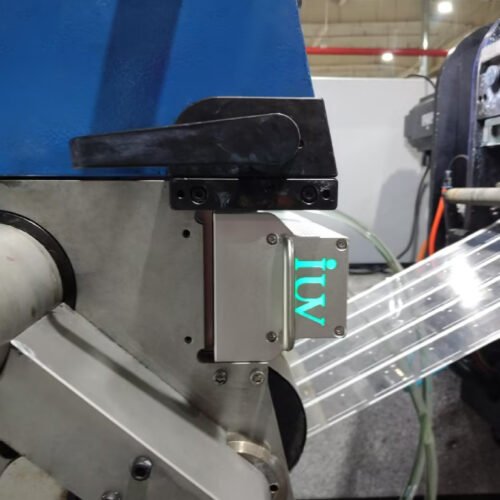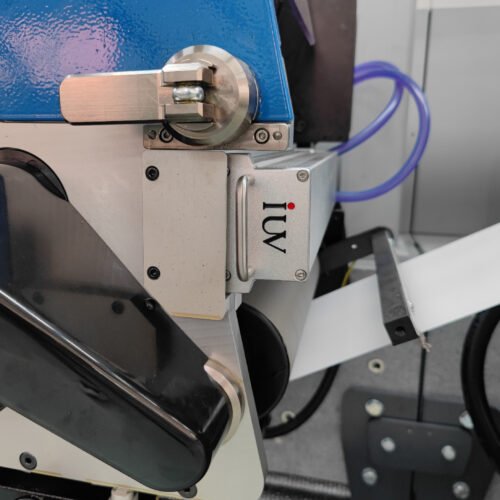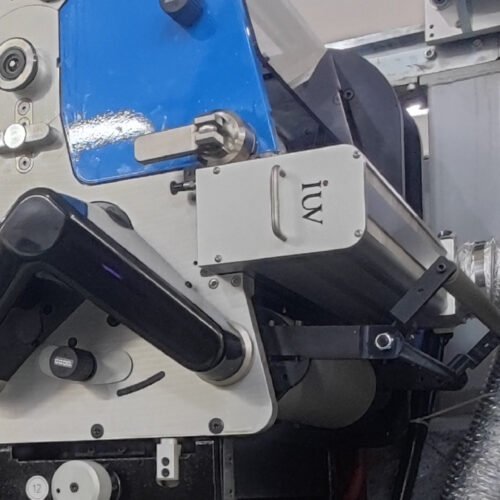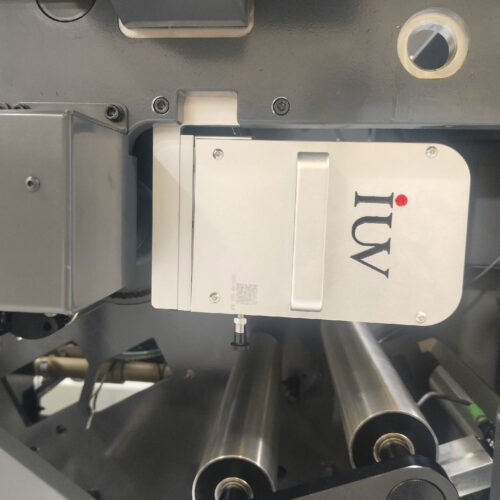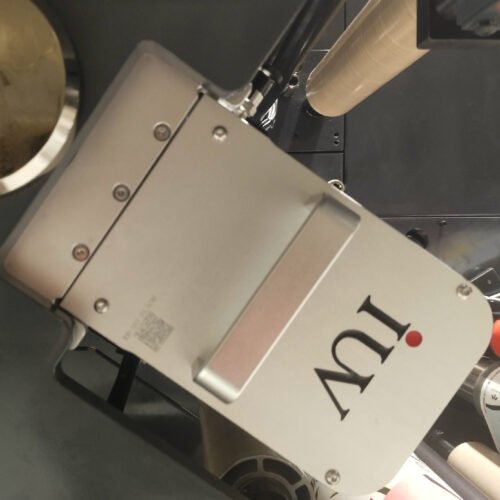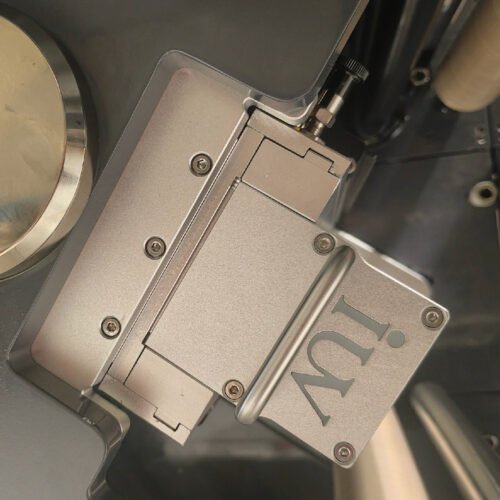
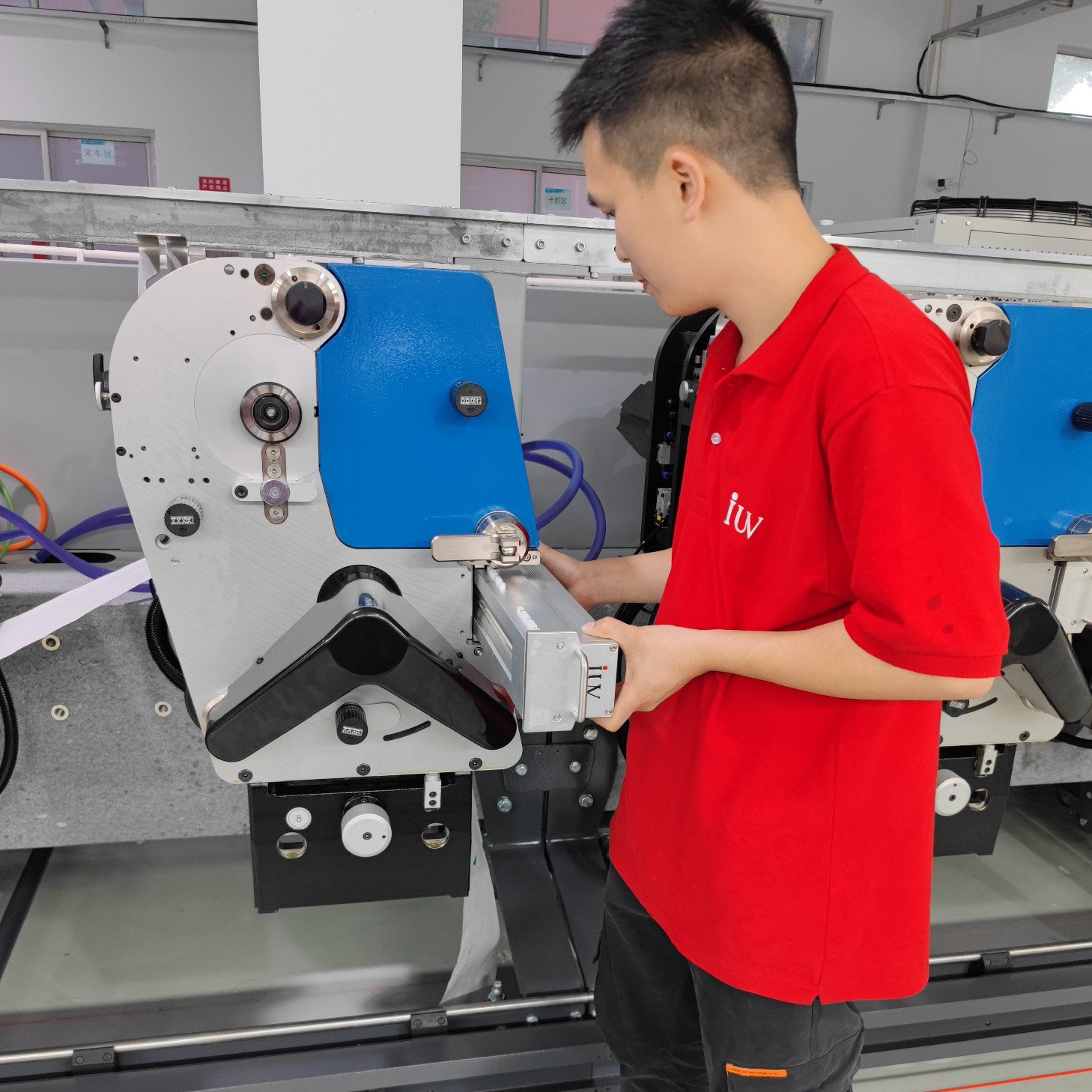
The printing industry is undergoing a significant transformation, driven by a growing demand for eco-friendly practices. Print shops are actively seeking ways to reduce their environmental footprint, and one of the most impactful advancements is the adoption of high-intensity LED curing systems. These systems offer a compelling blend of performance and sustainability, particularly for label, flexographic, and offset printing applications.
The Environmental Imperative in Printing
For years, traditional curing methods, like mercury vapor lamps, have been the industry standard. However, these systems come with considerable environmental drawbacks. They consume substantial amounts of energy, generate significant heat, and require frequent bulb replacements. Furthermore, mercury, a toxic substance, poses disposal challenges. As regulatory pressures mount and customer expectations shift towards greener solutions, printers must innovate to stay competitive and responsible.
Understanding LED UV Curing Technology
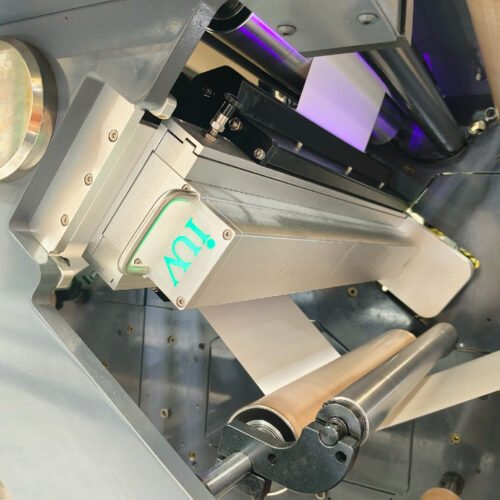
LED UV curing utilizes light-emitting diodes (LEDs) to generate ultraviolet (UV) light. This UV light initiates a photochemical reaction within specially formulated inks, coatings, and adhesives, causing them to cure or harden almost instantaneously. Unlike conventional mercury lamps, LEDs emit a narrow spectrum of UV light, highly specific to the photoinitiators in the ink. This precision leads to more efficient energy transfer and a faster, more effective cure.
High-intensity LED systems take this efficiency a step further. They deliver a greater concentration of UV energy per unit area, allowing for even faster line speeds and the curing of challenging materials or thicker ink layers. This increased power is crucial for high-volume print operations and demanding applications.
Sustainability Advantages of LED Curing
The shift to high-intensity LED curing brings a cascade of sustainability benefits:
- Reduced Energy Consumption: LEDs are remarkably energy-efficient. They convert a much higher percentage of electricity into UV light compared to mercury lamps, which lose a significant portion as heat. This can lead to energy savings of up to 70% or more, directly translating to lower operational costs and a reduced carbon footprint.
- Lower Heat Generation: High-intensity LEDs produce far less infrared radiation (heat) than their mercury counterparts. This minimizes the heat load on the press and the surrounding environment. Consequently, less energy is needed for cooling the pressroom, further contributing to energy savings. It also allows printers to handle heat-sensitive substrates without distortion.
- Extended Lifespan and Reduced Waste: LED lamps have an exceptionally long operational life, often exceeding 20,000 to 30,000 hours. This is orders of magnitude longer than mercury lamps, which typically last only 1,000 to 2,000 hours. This drastically reduces the frequency of bulb replacements, minimizing downtime, maintenance costs, and the waste associated with discarded bulbs.
- Mercury-Free Operation: A significant environmental advantage is that LEDs contain no mercury. This eliminates the hazardous waste disposal concerns associated with traditional UV lamps, simplifying compliance with environmental regulations and enhancing worker safety.
- Instant On/Off Capability: LEDs can be switched on and off instantaneously without impacting their lifespan or performance. This allows for energy savings during press setup, job changes, or when the press is idle. It also enables precise control over UV exposure, preventing unwanted curing.
- Smaller Footprint: LED curing units are often more compact than traditional UV systems, requiring less space on the printing press and in the printshop.
Impact on Label Printing
In the label printing sector, sustainability is a major differentiator. High-intensity LED curing offers substantial advantages for narrow-web label presses:
- Curing on Diverse Substrates: Labels are often printed on a wide range of materials, including thin films and sensitive papers. The reduced heat output from LED curing prevents substrate distortion, ensuring high-quality prints even on delicate materials. This expands the range of printable applications and reduces waste from spoiled runs.
- Enhanced Durability and Performance: LED curing produces highly cross-linked ink films, resulting in excellent scratch, chemical, and abrasion resistance. This is critical for labels exposed to harsh environments or frequent handling.
- Faster Throughput: The high intensity of LED systems enables faster curing speeds. This allows label printers to increase their production output without compromising quality, meeting tight deadlines and improving overall efficiency.
- Reduced VOC Emissions: When used with low-VOC or water-based UV inks, LED curing can significantly reduce volatile organic compound (VOC) emissions, contributing to better indoor air quality and compliance with environmental standards.
Optimizing Flexographic Printing with LED Technology
Flexographic printing, widely used for packaging and labels, also benefits immensely from high-intensity LED curing:
- Improved Print Quality: LED curing ensures consistent and thorough ink polymerization across the entire printed surface. This leads to sharper details, brighter colors, and a more uniform finish, enhancing the visual appeal of printed packaging.
- Wider Ink and Substrate Compatibility: Modern LED-curable inks are formulated for compatibility with flexo processes, offering excellent adhesion on various plastic films, foils, and papers. The precise wavelength control of LEDs allows for efficient curing of these specialized inks.
- Energy Savings in High-Volume Runs: For packaging converters running long print jobs, the energy savings from LED curing can be substantial. The reduced heat also means less strain on the printing equipment, potentially leading to lower maintenance costs.
- Enabling Extended Color Gamuts: With precise curing control, flexo printers can achieve more consistent color reproduction and explore extended gamut printing (CMYK additional spot colors) with greater confidence, knowing the inks will cure reliably.
Revolutionizing Offset Printing with LED UV
Offset printing, particularly for commercial and packaging applications, is also embracing LED UV technology:
- Faster Turnaround Times: Sheetfed offset presses equipped with high-intensity LED curing can achieve instant drying of inks and coatings. This eliminates the need for inter-station drying or extensive cooling, drastically reducing makeready times and allowing for immediate post-processing, such as cutting and folding.
- Enhanced Coating Applications: LED curing is ideal for applying high-build coatings, varnishes, and special effects with UV-curable formulations. The rapid cure ensures these effects are preserved and do not offset onto subsequent sheets.
- Reduced Paper Dust and Ink Mileage: The precise curing mechanism helps prevent ink migration and rub-off, which can be problematic with conventional drying methods. This leads to cleaner print runs and potentially reduced ink consumption over time.
- Integration into Existing Presses: Many LED UV curing systems are designed as retrofit solutions, allowing offset printers to upgrade their existing equipment without a complete press replacement, making the transition to sustainable technology more accessible.
Considerations for Implementing High-Intensity LED Curing
While the benefits are clear, successful implementation requires careful planning:
- Ink and Coating Formulation: It is essential to use inks and coatings specifically formulated for LED UV curing. These contain photoinitiators that react efficiently to the specific wavelengths emitted by the LEDs. Compatibility with your chosen press and substrate is also key.
- Press Compatibility and Integration: Ensure the chosen LED system is compatible with your printing press’s speed, width, and power requirements. Retrofit options are often available, but consult with manufacturers for proper integration.
- Wavelength and Intensity Matching: Different LED systems emit light at specific wavelengths (e.g., 365 nm, 395 nm, 405 nm). The photoinitiators in your inks must be matched to the LED’s output for optimal curing. The intensity must also be sufficient for your line speeds and ink thicknesses.
- Training and Maintenance: While LED systems require less maintenance than mercury lamps, proper training for operators on system operation and basic checks is still necessary.
The Future of Sustainable Printing
High-intensity LED curing systems represent a significant leap forward in making print shops more sustainable. By reducing energy consumption, minimizing waste, eliminating hazardous materials, and improving operational efficiency, these systems offer a clear path towards greener printing practices. For label, flexographic, and offset printers looking to enhance their environmental credentials while maintaining high-quality output and competitive edge, the adoption of LED UV technology is not just an option—it’s a strategic imperative.