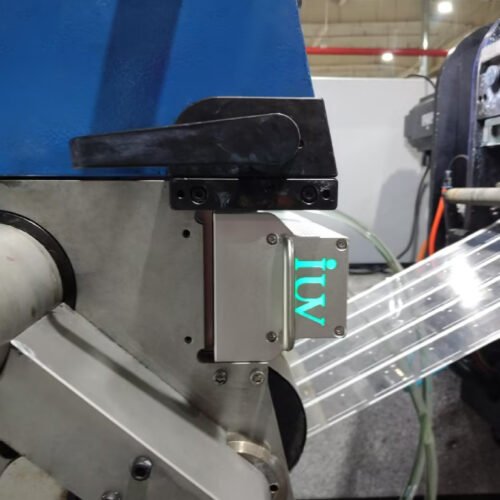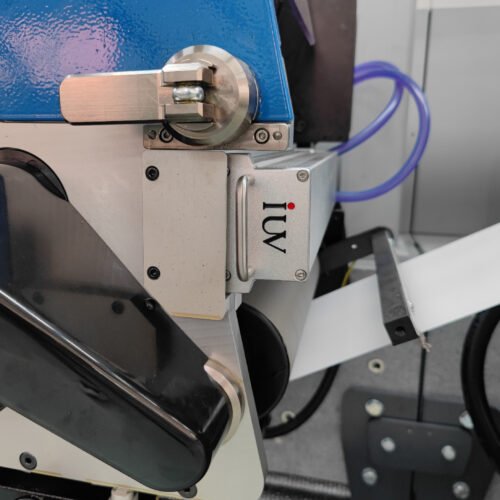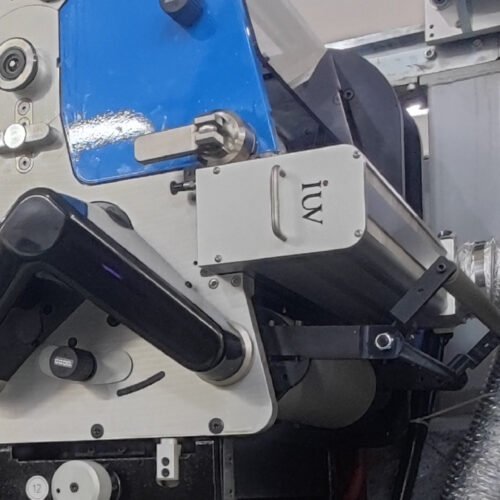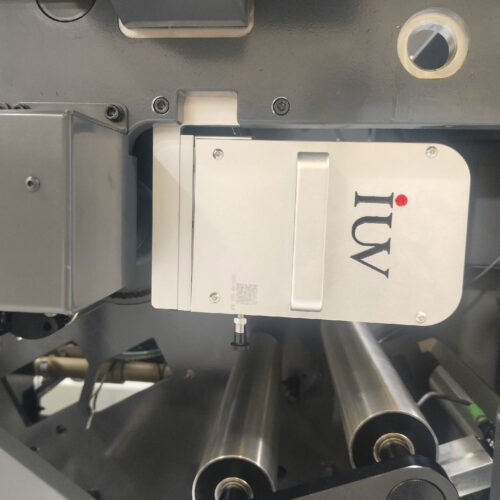
In the fast-paced world of label and narrow-web printing, every minute counts. Press downtime directly translates to lost production and decreased profitability. Similarly, frequent maintenance drains resources and disrupts workflows. This is where advancements in UV curing technology, specifically high-intensity LED systems, are making a significant impact. By understanding the mechanics of LED UV curing and its benefits, printing businesses can unlock new levels of efficiency, reduce operational costs, and improve overall output quality.
Understanding UV Curing: From Mercury to LED
Traditional UV curing has relied on mercury vapor lamps for decades. These lamps emit a broad spectrum of UV light, but they also generate substantial heat and ozone. This heat can stress delicate substrates, leading to warping or delamination, particularly in label and narrow-web applications where thin films are common. The ozone produced requires ventilation systems and adds to environmental concerns.
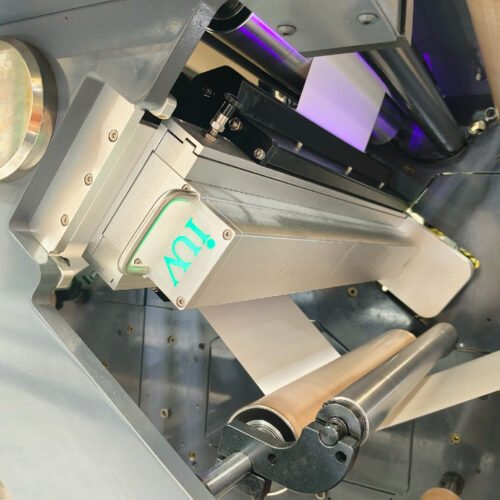
High-intensity LED (Light Emitting Diode) curing represents a paradigm shift. LEDs emit UV light within a very narrow, specific wavelength range, optimized for photoinitiators in inks, coatings, and adhesives. This targeted emission is crucial. Instead of a wide, inefficient spectrum, LEDs deliver concentrated energy precisely where it’s needed for instant curing. This precision is a game-changer for printers.
The Direct Impact on Press Downtime
Downtime on a printing press can stem from various issues, but UV curing systems contribute in several ways. Traditional mercury lamps have a finite lifespan and require regular replacement, which is a time-consuming process. Their high operating temperatures also necessitate cooling systems that can fail, leading to unexpected shutdowns.
High-intensity LED curing directly tackles these downtime drivers:
- Extended Lifespan: LEDs boast an operational lifespan of 20,000 to 50,000 hours or even more. This is exponentially longer than mercury lamps, which typically last only 1,000 to 3,000 hours. The reduced frequency of lamp replacement means significantly less scheduled downtime. Technicians aren’t climbing over the press as often for bulb changes.
- Instant On/Off Capability: Unlike mercury lamps that require warm-up and cool-down periods, LEDs achieve full intensity the moment they are switched on. This allows for instant start-ups and shutdowns, which is invaluable during job changeovers or when the press needs to be stopped momentarily. No more waiting for lamps to cool or reach optimal temperature.
- Consistent Performance: Mercury lamps degrade over time, meaning their UV output diminishes, leading to incomplete curing and potential issues like ink smudging or poor adhesion. This often necessitates recalibration or replacement. LEDs, however, maintain a consistent output throughout their lifespan, ensuring reliable curing batch after batch. This consistency prevents production bottlenecks caused by inconsistent cure quality.
- Reduced Heat Load: The significant heat generated by mercury lamps can cause substrate issues, leading to stops for web breaks or printing defects. LEDs produce very little infrared heat. This means less stress on the substrate, fewer web breaks, and a more stable printing environment, all contributing to fewer unplanned stops.
Minimizing Maintenance Demands
Maintenance is a constant factor in any printing operation. For UV curing systems, this often involves:
- Lamp Replacement: As mentioned, this is a major maintenance task for mercury systems. The sheer reduction in frequency with LEDs is a massive win for maintenance teams.
- Reflector Cleaning/Replacement: Mercury lamp systems often use reflectors to direct UV light. These reflectors can become dirty or degrade, requiring cleaning or replacement to maintain efficiency. LEDs are typically integrated into compact curing units, often with protective covers, simplifying cleaning and eliminating the need for separate reflector maintenance.
- Ballast and Power Supply Issues: Mercury lamps require complex ballasts and power supplies that can be prone to failure. LED systems use simpler drivers, which are generally more robust and less likely to malfunction.
- Ozone Management: The ozone produced by mercury lamps requires exhaust systems and filters. These components themselves require maintenance. LEDs do not produce ozone, eliminating this entire maintenance requirement and simplifying the press environment.
- Cooling Systems: The high heat output of mercury lamps necessitates active cooling systems, often involving fans and water chillers. These are mechanical components that can wear out, leak, or fail. The low heat output of LEDs significantly reduces or eliminates the need for these complex and maintenance-intensive cooling systems.
Specific Benefits for Label, Narrow-Web, Flexo, and Offset Printing
The advantages of high-intensity LED curing are particularly pronounced in specific printing sectors:
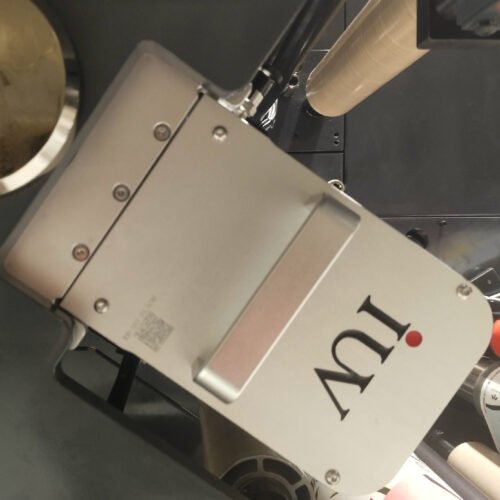
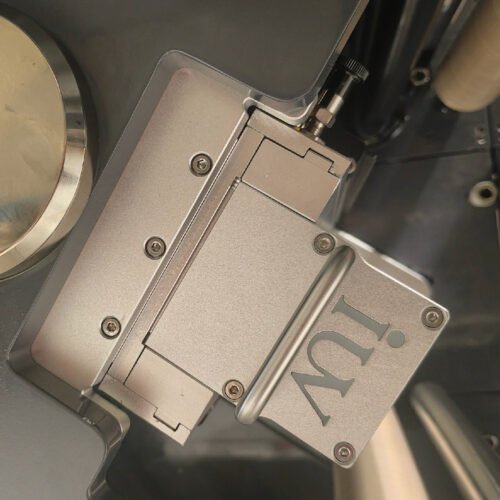
- Label and Narrow-Web Printing: This sector often uses heat-sensitive substrates like thin films and foils. The low heat output of LEDs prevents substrate deformation, shrinkage, or bubbling, ensuring consistent print quality and reducing waste. The compact size of LED units also allows for easier integration into narrow-web presses, which have tight space constraints. Instant on/off is perfect for the short runs and quick changeovers common in this market.
- Flexographic Printing: Flexo presses, especially for labels and packaging, benefit immensely. Reliable curing is critical for achieving sharp details and vibrant colors, especially when overprinting with multiple colors or applying varnishes. The consistency of LED curing ensures that each color layer cures properly before the next is applied, preventing issues like ink transfer or poor adhesion between layers.
- Offset Printing (Sheet-fed and Web): In offset, particularly for commercial or packaging applications, LEDs can improve throughput and reduce drying times. For sheet-fed, the immediate cure allows for faster stacking and finishing. For web offset, especially in shorter runs or for applications requiring immediate post-print processing, the speed and reliability are paramount.
Energy Efficiency and Environmental Advantages
Beyond downtime and maintenance, high-intensity LED curing offers significant operational and environmental benefits:
- Lower Energy Consumption: LEDs are far more energy-efficient than mercury lamps. They convert a higher percentage of electrical energy into UV light, rather than heat. This translates to substantial savings on electricity bills, a crucial consideration for businesses operating multiple presses or running 24/7.
- Reduced Environmental Impact: The absence of ozone production eliminates the need for expensive exhaust and air purification systems, improving air quality around the press. The longer lifespan of LEDs also means less waste from discarded lamps and associated components. Furthermore, the lower energy consumption contributes to a smaller carbon footprint.
- Mercury-Free Operation: Mercury lamps contain hazardous mercury, posing disposal challenges and environmental risks. LED systems are mercury-free, simplifying disposal and aligning with increasing environmental regulations and corporate sustainability goals.
Considerations for Transitioning to LED Curing
While the benefits are clear, a successful transition to high-intensity LED curing involves careful planning:
- Ink and Coating Compatibility: Ensure that your current inks, coatings, and adhesives are formulated with photoinitiators sensitive to the specific wavelengths emitted by the LED system you choose. Manufacturers offer a range of LED-curable products.
- Wavelength and Power Selection: LEDs are available in different wavelength bands (e.g., 365nm, 395nm) and power densities. The optimal choice depends on your application, substrate, and the specific photoinitiators used. Consulting with your ink and equipment suppliers is vital.
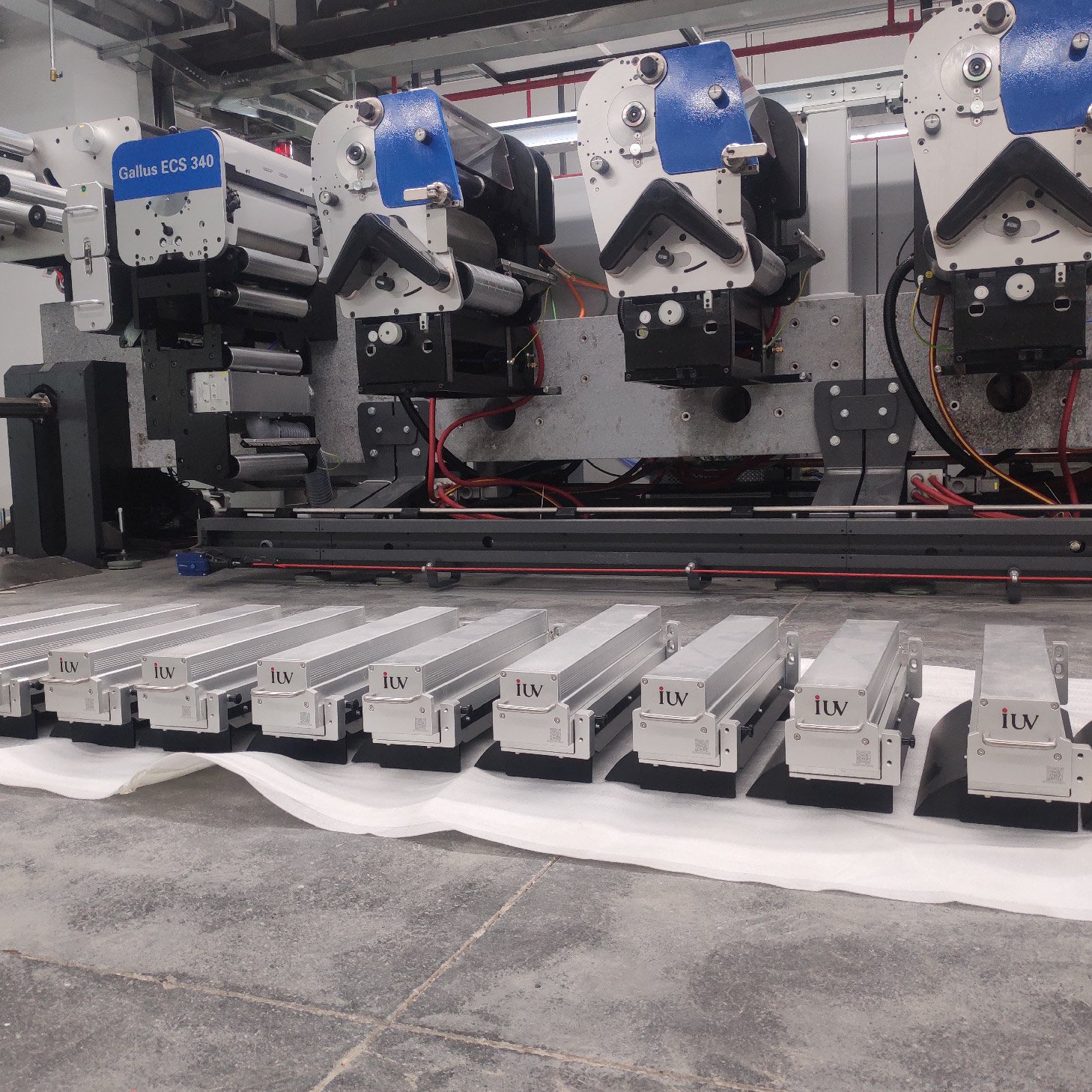
- Integration and Retrofitting: LED curing units are typically more compact than mercury lamp systems. This can facilitate retrofitting onto existing presses. However, considerations for power, cooling (even minimal), and physical mounting space are necessary.
- ROI Analysis: While the initial investment in LED systems can be higher, the long-term savings from reduced downtime, lower maintenance, energy savings, and improved efficiency typically result in a strong return on investment.
Conclusion
The adoption of high-intensity LED UV curing technology is not just an upgrade; it’s a strategic move that addresses core operational challenges in the printing industry. By significantly reducing press downtime and minimizing maintenance demands, LED systems empower printers to achieve higher productivity, lower costs, and a more sustainable operation. For businesses focused on label, narrow-web, flexographic, and offset printing, the transition to LED curing offers a clear path toward enhanced efficiency and a competitive edge in today’s demanding market.