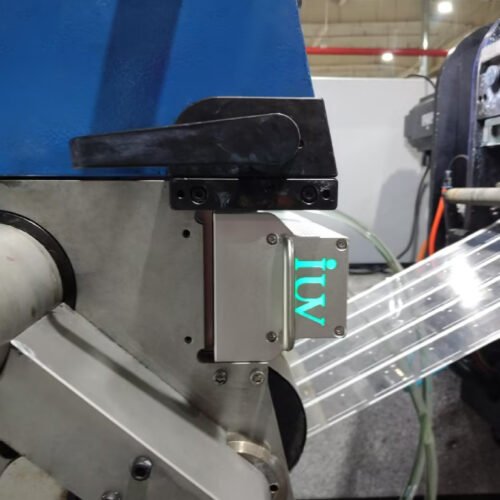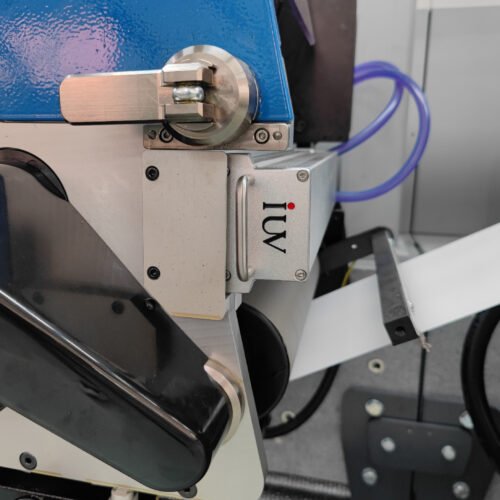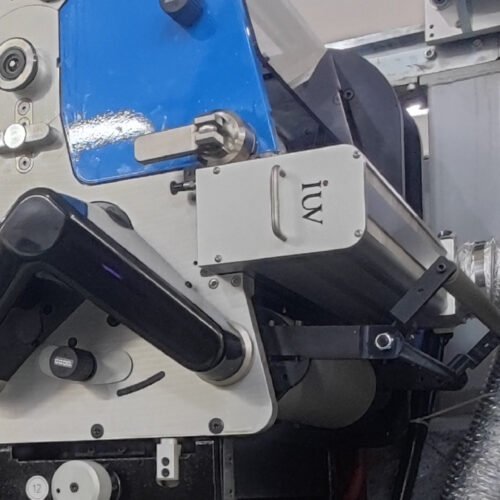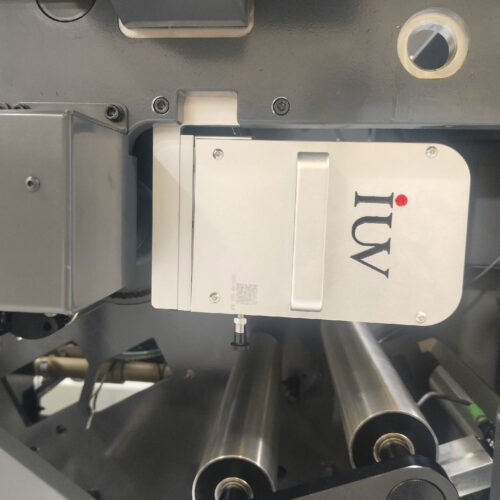
The landscape of label production is transforming, driven by an ever-increasing demand for speed, efficiency, and superior print quality. At the heart of this evolution lies a critical technology: LED UV curing. For the next generation of digital label printing, understanding and implementing LED UV curing isn’t just an advantage; it’s becoming a fundamental requirement.
The Evolving Demands of Digital Label Printing
Digital printing has revolutionized the label industry by offering shorter print runs, faster turnaround times, and the flexibility to personalize and customize labels on demand. This has opened up new markets and possibilities for businesses of all sizes. However, digital printing technologies, especially when pushing for higher speeds and intricate designs, present unique challenges. Traditional curing methods often struggle to keep pace, impacting print quality, substrate versatility, and operational efficiency.
Understanding UV Curing: The Foundation
Before diving into the specifics of LED UV, it’s important to grasp the general concept of UV curing. This process uses ultraviolet light to instantly cure or dry inks, coatings, and adhesives. When exposed to UV light of a specific wavelength, photoinitiators within the ink react, triggering a rapid polymerization process. This transforms the liquid ink into a solid, durable film. Traditional UV curing typically employs mercury vapor lamps. While effective, these lamps come with their own set of drawbacks.
The Limitations of Traditional Mercury Vapor UV Lamps
Mercury vapor lamps have long been the workhorse of UV curing. They are powerful and have a broad spectral output, meaning they can cure a wide range of UV-curable inks and coatings. However, their reliance on mercury, a hazardous substance, poses environmental concerns. Furthermore, these lamps generate significant heat, which can limit the types of substrates that can be printed on, particularly heat-sensitive materials like thin films or certain papers. They also have a finite lifespan and require frequent replacement, contributing to ongoing operational costs. The energy consumption of mercury lamps is also considerably higher compared to newer technologies.
Enter LED UV Curing: A Technological Leap
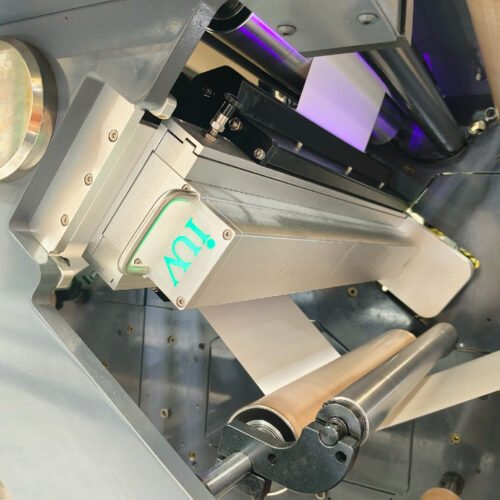
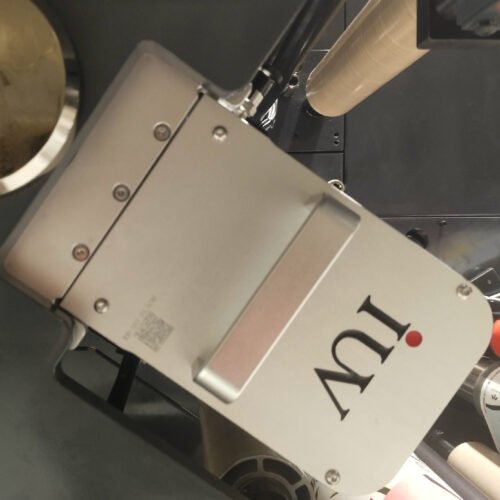
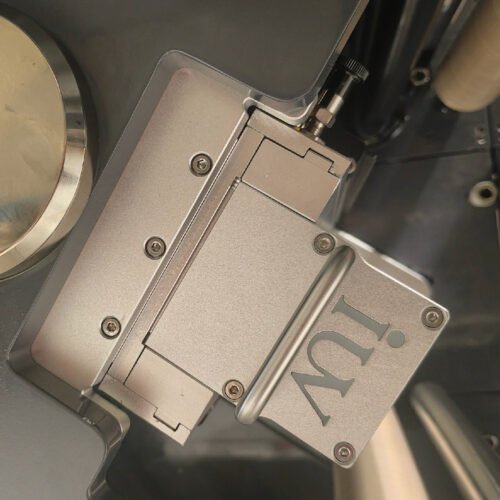
LED UV curing represents a significant advancement. Instead of mercury vapor, it utilizes Light Emitting Diodes (LEDs) to generate UV light. These diodes emit UV radiation at specific, narrow wavelengths, precisely tailored to activate particular photoinitiators in UV-curable inks and coatings. This focused approach offers a multitude of benefits that are essential for next-generation digital label production.
Key Advantages of LED UV for Digital Labels
The advantages of transitioning to LED UV curing for digital label printing are numerous and directly address the evolving needs of the industry.
- Energy Efficiency: LEDs consume significantly less energy than mercury lamps. This translates to lower electricity bills and a reduced carbon footprint, aligning with increasing sustainability initiatives in the printing sector.
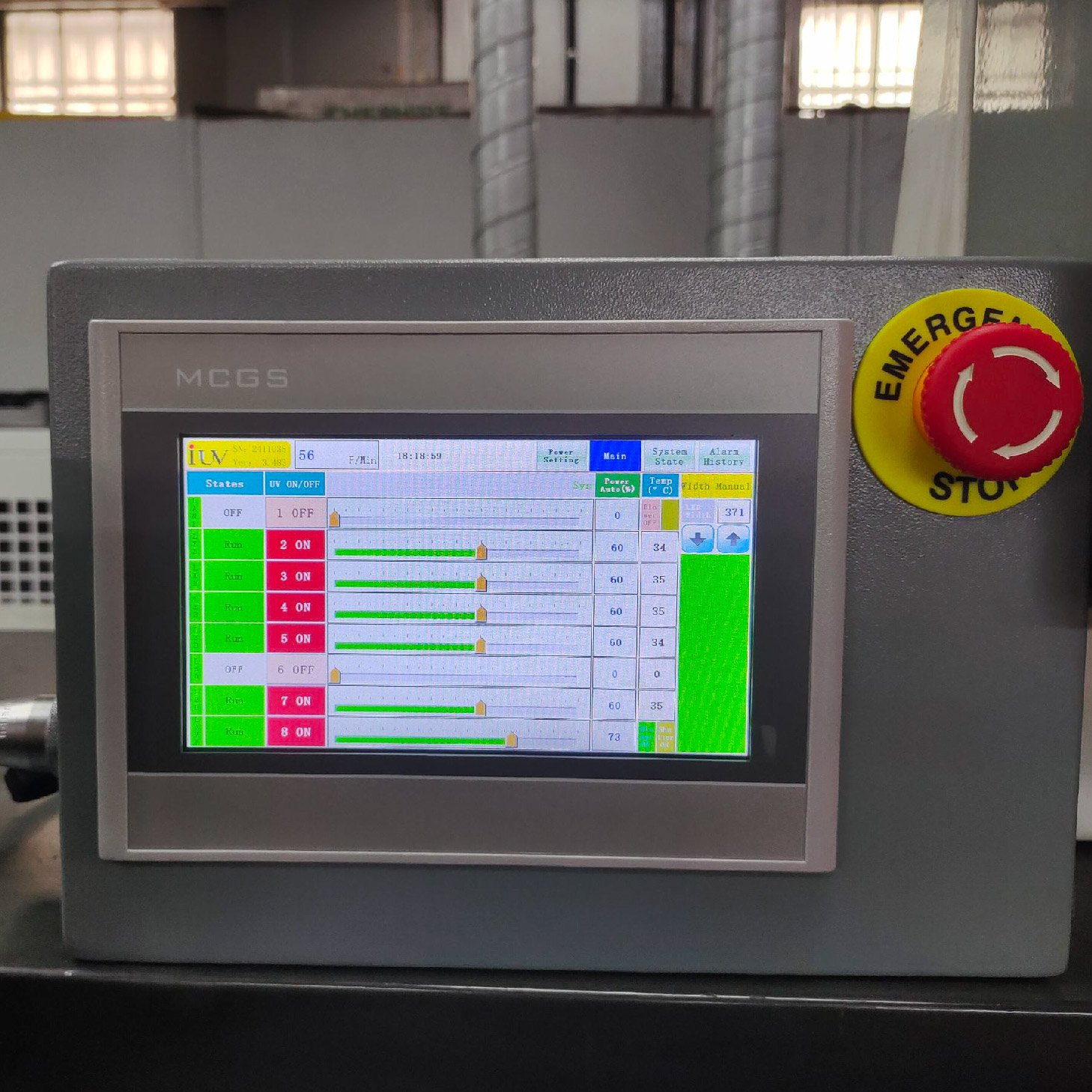
- Instant On/Off Capability: LEDs can be switched on and off instantaneously. This eliminates warm-up and cool-down periods associated with mercury lamps, saving valuable time and energy. It also means that UV light is only applied when printing is actually occurring, further optimizing energy use.
- Lower Heat Emission: LEDs emit very little infrared radiation, meaning less heat is transferred to the substrate. This is a game-changer for printing on a wider array of materials, including delicate plastics, thin films, and even some heat-sensitive papers, without the risk of distortion or damage.
- Longer Lifespan: LED lamps have an exceptionally long operational lifespan, often tens of thousands of hours. This drastically reduces maintenance downtime and the frequency and cost of lamp replacements compared to mercury vapor systems.
- Precise Wavelength Control: LEDs emit UV light at specific, narrow wavelengths. This allows formulators to create inks and coatings with highly efficient photoinitiators that react optimally to these precise wavelengths. This leads to more thorough and consistent curing, resulting in improved ink adhesion, scratch resistance, and chemical resistance.
- Mercury-Free Operation: The absence of mercury makes LED UV curing an environmentally friendly choice, eliminating hazardous waste disposal concerns associated with mercury lamp disposal.
- Improved Print Quality and Durability: The consistent and efficient curing provided by LED UV systems leads to sharper dot definition, brighter colors, and superior adhesion. This results in labels that are more durable, resistant to abrasion, chemicals, and fading, even under demanding conditions.
Impact on Different Printing Processes
The benefits of LED UV curing extend across various digital and hybrid printing platforms commonly used in label production.
- Digital Label Presses: For toner-based and inkjet digital label presses, LED UV curing ensures that the printed image is immediately fixed and durable. This is crucial for high-speed printing where inks need to be dry and ready for subsequent processes or handling without smudging. The ability to print on a wider range of films is particularly valuable for flexible packaging applications often integrated with label production.
- Flexographic (Flexo) Printing: While traditionally associated with analog printing, flexo is increasingly being integrated into hybrid digital presses or used for short-run label production. LED UV curing offers significant advantages here, enabling faster press speeds, better ink laydown, and improved consistency compared to older UV lamp technologies. It allows for tighter registration and sharper graphics, crucial for brand impact.
- Offset (Sheetfed and Web) Printing: For label printers also utilizing offset presses, integrating LED UV curing can enhance productivity and substrate flexibility. It allows for immediate handling of printed sheets, speeding up post-press operations and enabling the use of a broader range of paper stocks and coatings.
Substrate Versatility: A Major Driver
One of the most compelling reasons for adopting LED UV curing is its unparalleled substrate versatility. Traditional UV curing’s heat output often limited printers to specific types of paper or thicker plastic films. With LED UV, printers can confidently run a vast array of materials:
- Thin Films: Polypropylene (BOPP), polyethylene (PE), and polyester films, often used for their durability and aesthetic appeal, can be printed without warping or melting.
- Heat-Sensitive Papers: Many specialty papers, including those with textured finishes or metallic effects, can be processed without degradation.
- Recycled and Natural Materials: As sustainability becomes more prominent, the ability to print on recycled papers and other eco-friendly substrates without compromising quality is a significant advantage.
- Plastics and Vinyls: For applications requiring robust and weather-resistant labels, the ability to print on various plastic and vinyl materials is essential.
Optimizing Ink and Coating Formulations
The advent of LED UV curing has also spurred innovation in ink and coating formulations. Manufacturers are developing inks and coatings with photoinitiators specifically designed to respond to the narrow wavelength outputs of LEDs. These “LED-curable” inks often offer enhanced performance characteristics, including:
- Faster Cure Speeds: Optimized photoinitiators allow for extremely rapid curing, enabling presses to run at their maximum speed.
- Improved Adhesion: Enhanced bonding to a wider variety of substrates, including challenging plastics and foils.
- Greater Chemical and Abrasion Resistance: Resulting in labels that withstand harsh environments and prolonged handling.
- Lower Odor and Migration: Particularly important for food and beverage packaging, where low odor and low migration are critical safety and quality parameters.
Navigating the Transition: Considerations for Adoption
While the benefits of LED UV curing are clear, a successful transition involves careful consideration:
- Press Compatibility: Ensuring that existing digital presses can be retrofitted with LED UV curing systems, or selecting new equipment that comes integrated with this technology.
- Ink and Coating Selection: Partnering with ink and coating suppliers to choose formulations optimized for the specific LED UV system being used and the intended application.
- Wavelength Matching: Understanding the specific wavelengths emitted by the LED UV system and ensuring they align with the photoinitiators in the chosen inks and coatings for maximum efficiency.
- Operator Training: Familiarizing printing staff with the operation and maintenance requirements of LED UV systems, which differ from traditional mercury lamp setups.
The Future of Label Production is Cured by LED UV
In conclusion, the integration of LED UV curing technology is not merely an upgrade; it’s a foundational element for the future of digital label production. Its ability to enhance speed, reduce costs, improve sustainability, and unlock new levels of print quality and substrate versatility makes it an indispensable tool for label converters looking to remain competitive. From narrow-web flexo and offset to the latest digital platforms, LED UV curing is the silent enabler driving innovation and setting new standards for what is possible in the dynamic world of label printing.