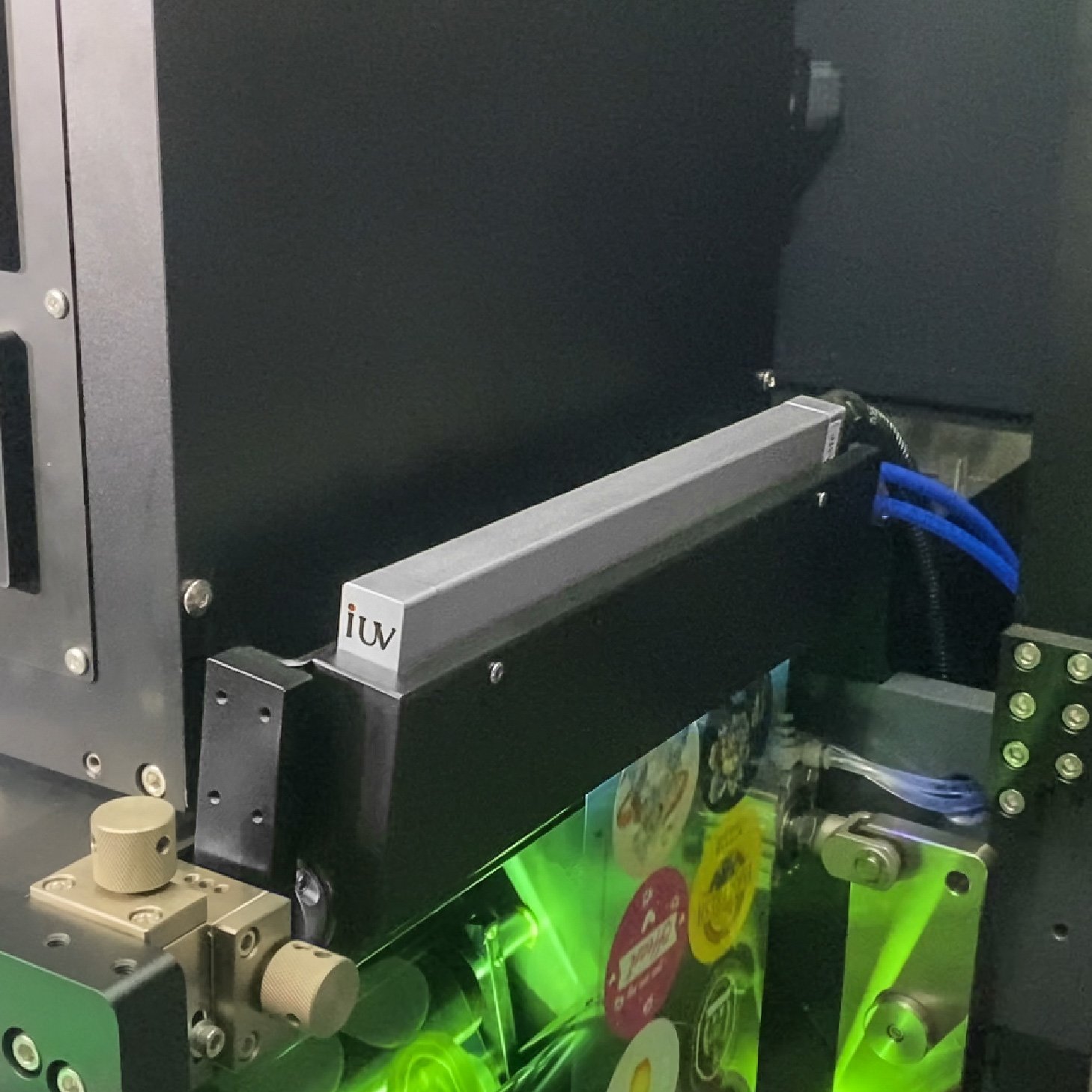
High-opacity white inks present a unique challenge in the printing industry. Achieving a dense, opaque white layer that covers effectively, especially on dark or transparent substrates, requires specialized inks and a robust curing process. Traditional UV curing methods often struggle to fully cure these thick ink layers without issues like under-curing, yellowing, or compromising substrate integrity. This is where LED UV curing systems truly shine, offering a more controlled and efficient solution for high-opacity white ink applications.
The Demand for Opaque White in Narrow Web Printing
Narrow web printing, commonly used for labels and flexible packaging, frequently demands opaque white. This is essential for several reasons. Firstly, it serves as a vital base layer for vibrant color graphics. Without a solid white underprint, colors printed on transparent or colored materials will appear dull and muted. Secondly, opaque white is crucial for creating special effects, such as spot whites, security features, or simulating varnishes. The need for a consistent, pinhole-free opaque white layer is paramount for brand aesthetics and product functionality.
Challenges with Traditional Curing for Thick White Inks
Mercury vapor lamps have been the standard in UV curing for decades. While effective for many applications, they present limitations when dealing with high-opacity white inks. These inks, by their nature, contain a higher concentration of pigments, particularly titanium dioxide, which is excellent at blocking UV light. This means the UV light has a harder time penetrating the entire ink film to initiate the polymerization process.
With mercury lamps, achieving full cure in a thick white layer can lead to several problems:
- Incomplete Curing: The surface might appear cured, but the lower layers remain uncured or partially cured. This leads to poor adhesion, susceptibility to scratching, and potential migration issues.
- Excessive Heat: Mercury lamps emit a broad spectrum of UV light and significant infrared radiation (heat). This heat can warp thin substrates, cause delamination in multi-layer constructions, or degrade heat-sensitive materials.
- Wavelength Instability: The output spectrum of mercury lamps can fluctuate with age and temperature, leading to inconsistent curing results.
- Environmental Concerns: Mercury is a hazardous substance, requiring careful handling and disposal.
The Advantages of LED UV Curing for White Inks
LED UV curing technology offers a revolutionary approach, particularly for the demanding task of curing high-opacity white inks. Light Emitting Diodes (LEDs) emit UV light at specific, narrow wavelengths. This targeted emission is a game-changer.
Here’s why LED UV is superior for these applications:
- Precisely Tuned Wavelengths: LED systems can be configured to emit UV light at optimal wavelengths (e.g., 365nm, 385nm, 395nm, 405nm) that are highly efficient at initiating the photoinitiators used in modern UV inks. This focused energy is more effective at penetrating thicker ink layers.
- Reduced Heat Output: LEDs produce very little infrared radiation. This means significantly less heat is transferred to the substrate, making it ideal for heat-sensitive materials and preventing unwanted distortion or damage.
- Instant On/Off and High Intensity: LEDs can be switched on and off instantaneously at full intensity. This allows for precise control over the curing process and eliminates warm-up time, leading to energy savings and faster job changes. The high peak intensity can also drive faster cure speeds.
- Longer Lifespan and Stability: LEDs have a much longer operational lifespan compared to mercury lamps. Their output is also highly stable over time and with temperature fluctuations, ensuring consistent curing performance batch after batch.
- Energy Efficiency: LEDs convert more electrical energy into UV light, making them far more energy-efficient than mercury lamps. This translates to lower operating costs.
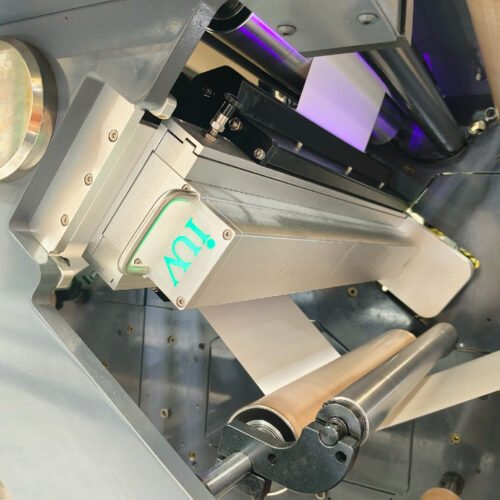
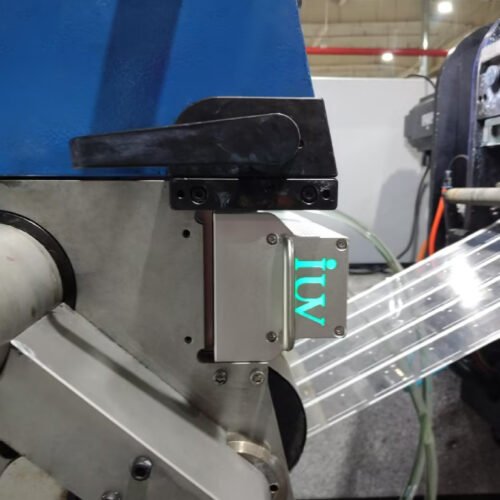
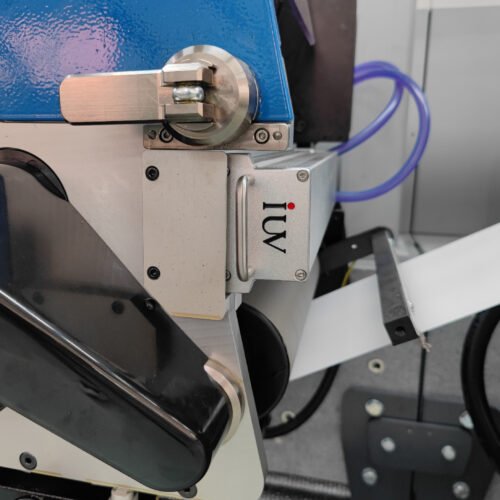
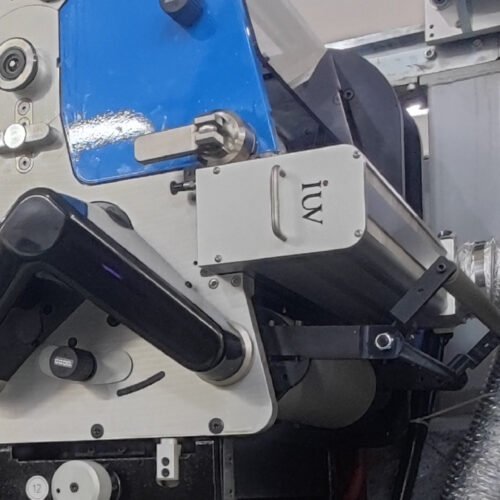
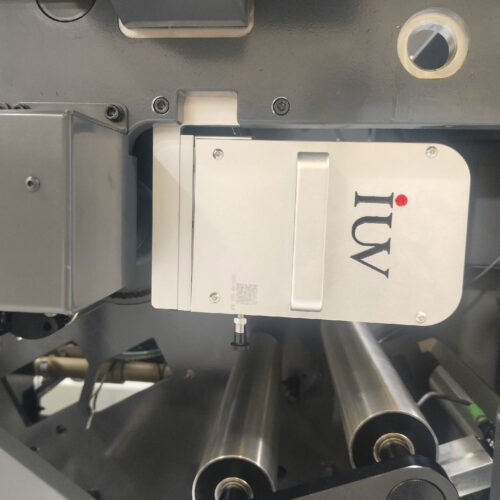
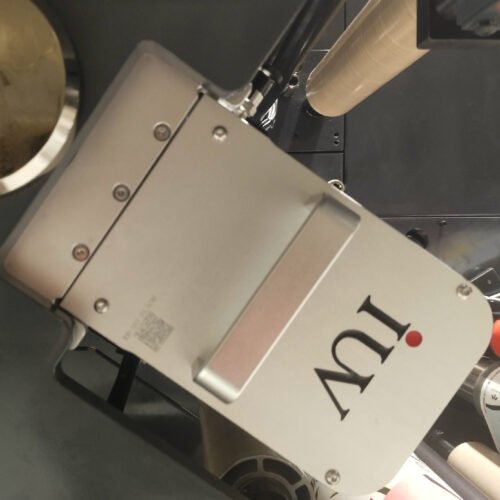
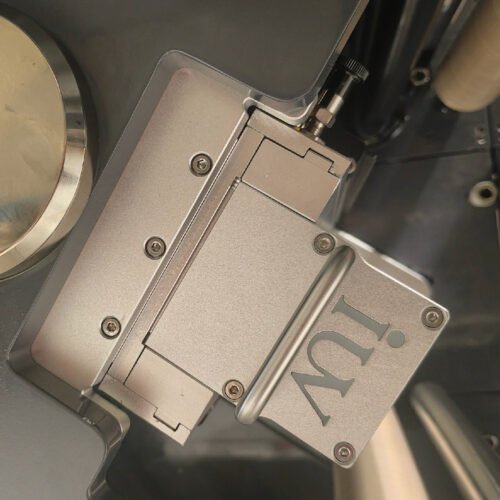
- Compact Size and Integration: The compact nature of LED heads allows for easier integration into existing or new printing presses, including narrow web flexographic and offset presses.
Optimizing LED UV Curing for High-Opacity White
Successfully implementing LED UV curing for high-opacity white inks involves more than just selecting the right equipment. Ink formulation, press setup, and operational parameters all play crucial roles.
1. Ink Formulation:
Modern UV ink manufacturers have developed specialized high-opacity white formulations designed to work optimally with LED UV curing. These inks often feature:
- Specific Photoinitiator Packages: Formulated to be highly sensitive to the wavelengths emitted by LED lamps.
- Optimized Pigment Dispersion: Ensuring efficient light penetration despite the high pigment load.
- Rheology Control: Designed for excellent printability and laydown, allowing for the thick film thickness needed for opacity.
2. Press Configuration:
For narrow web presses, whether flexographic or offset, integrating LED UV curing requires careful consideration of placement and power.
- Inter-station Curing: For flexo and offset, placing LED units between printing stations allows for immediate curing of each layer. This is particularly beneficial for white, preventing smudging before subsequent colors are printed.
- End-of-Press Curing: A final LED unit at the end of the press ensures the complete cure of the entire ink stack.
- Wavelength Matching: Ensuring the LED lamp’s emission spectrum precisely matches the photoinitiator package in the white ink is critical. Printers must consult with ink suppliers for recommendations.
- Power Density and Dose: The power density (W/cm²) of the LED lamps and the total energy dose (J/cm²) delivered are key parameters. Higher opacity white inks may require higher doses.
3. Operational Parameters:
Fine-tuning press speeds, lamp power, and cooling systems is essential for achieving optimal results.
- Press Speed: As press speed increases, the exposure time to the UV light decreases. This necessitates higher power LEDs or more curing units to maintain the required energy dose.
- Lamp Power Adjustment: While LEDs are often run at full power, there might be instances where slightly reducing power can prevent overheating of sensitive substrates while still achieving sufficient cure, though this is less common with LED’s low heat output.
- Cooling: Even with reduced heat, proper ventilation and cooling of the LED lamps themselves are important for their longevity and consistent performance.
Applications in Flexographic and Offset Printing
Flexographic Printing:
In narrow web flexography, high-opacity white is frequently used as a base coat for vibrant labels, especially on clear films or metallic stocks. LED UV curing is ideal here because it allows for multiple passes of white ink if needed, without excessive heat build-up. The instant on/off nature of LEDs also means less energy is wasted when the press stops or during setup. The precise wavelength output ensures the thick white ink cures effectively, preventing issues like tackiness that could interfere with the next color station.
Offset Printing:
For narrow web offset, particularly in label and packaging applications, opaque white is used for similar reasons. LED UV curing in offset offers benefits like faster makeready times and cleaner printing due to immediate curing of the ink. The ability to cure thick white layers without yellowing or compromising subsequent coatings is a significant advantage. Offset presses benefit from the consistent performance of LEDs, reducing the variables that can affect color reproduction and print quality.
The Future of High-Opacity White with LED UV
The trend towards more sophisticated label designs, enhanced packaging, and increased demand for special effects will continue to drive the need for high-opacity white inks. LED UV curing technology is perfectly positioned to meet these demands. Its efficiency, environmental benefits, and superior control over the curing process make it the technology of choice for printers looking to achieve brilliant, opaque whites with consistency and reliability. As ink formulations continue to evolve and LED technology advances, we can expect even faster speeds and even more demanding applications to be met with this powerful combination. The precision and control offered by LED UV systems are key to unlocking the full potential of high-opacity white inks in today’s competitive print market.