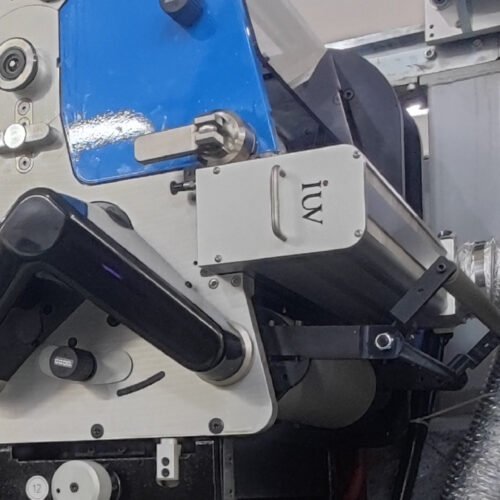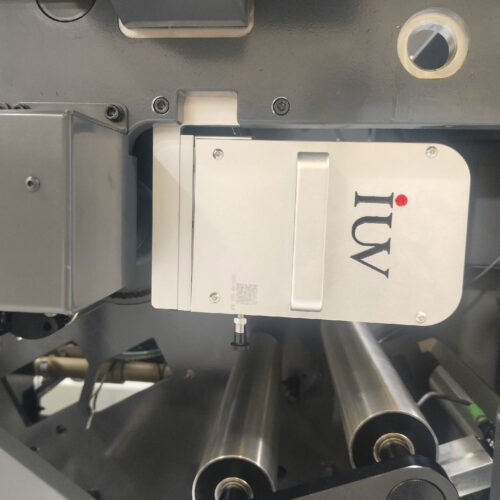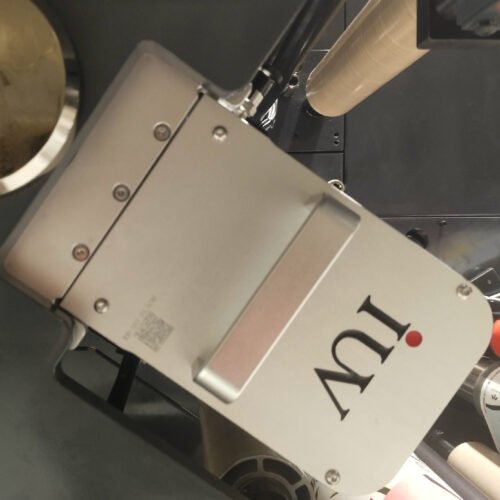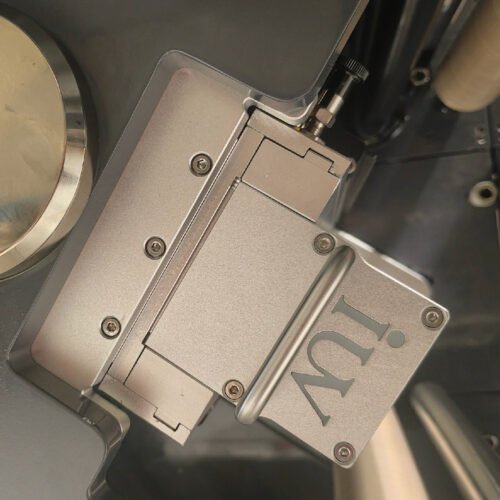
Optimizing narrow-web press productivity is a constant pursuit in the label and flexible packaging industries. The drive for faster speeds, reduced waste, and enhanced print quality necessitates continuous innovation in press technology and converting processes. Among the most impactful advancements in recent years are LED UV curing systems. These systems offer a compelling alternative to traditional mercury lamp UV curing, bringing a host of benefits that directly translate to increased efficiency and profitability for narrow-web printers.
The Advantages of UV Curing in Narrow-Web Printing
UV curing has long been a staple in narrow-web printing, particularly for labels and packaging. Its ability to instantly cure inks, coatings, and adhesives upon exposure to ultraviolet light offers several key advantages. Unlike heat-set or air-dry systems, UV curing provides immediate handling of printed materials, eliminating the need for extensive drying tunnels and the associated energy consumption and space requirements. This instant drying also prevents ink migration, ensuring sharp, vibrant graphics and accurate color reproduction, which are paramount for brand appeal and regulatory compliance. Furthermore, UV inks and coatings offer excellent durability, resistance to abrasion, chemicals, and fading, making them ideal for a wide range of demanding applications.
Moving Beyond Traditional Mercury Lamps
Historically, UV curing on narrow-web presses has relied on mercury vapor lamps. While effective, these lamps come with several drawbacks. They generate significant heat, which can be detrimental to heat-sensitive substrates and can lead to operator discomfort. Mercury lamps have a relatively short lifespan, requiring frequent and costly replacements. Their energy consumption is also high, contributing to increased operating expenses. Furthermore, mercury lamps emit a broad spectrum of UV light, including some wavelengths that are less efficient for curing and can contribute to ozone generation, necessitating proper ventilation systems.
The Rise of LED UV Curing Technology
LED UV curing systems represent a significant evolution in this technology. Instead of relying on a mercury arc, LED systems utilize Light Emitting Diodes (LEDs) to generate UV light. This fundamental difference unlocks a range of superior performance characteristics. LEDs emit a narrow band of UV light at specific wavelengths, precisely tuned to the absorption peaks of UV-curable inks and coatings. This targeted energy delivery translates to more efficient and faster curing.
Key Benefits of LED UV Curing for Narrow-Web Presses
The adoption of LED UV curing systems on narrow-web presses offers a multitude of tangible benefits that directly impact productivity and profitability.
Energy Efficiency and Reduced Operating Costs
One of the most significant advantages of LED UV systems is their remarkable energy efficiency. LEDs consume considerably less power compared to traditional mercury lamps, often achieving savings of up to 70-80%. This reduction in energy usage directly translates to lower electricity bills, a substantial operating cost reduction, especially for printers running multiple shifts. Moreover, LEDs generate very little heat, minimizing the need for energy-intensive cooling systems and reducing the thermal load on the press and the surrounding environment.
Extended Lifespan and Reduced Maintenance
The lifespan of an LED UV system far exceeds that of mercury lamps. While mercury lamps typically last between 1,000 to 2,000 hours, LED systems can operate for 20,000 to 30,000 hours or even longer. This dramatically reduces the frequency of lamp replacements, saving on both material costs and the labor associated with maintenance. The consistent performance of LEDs also means less downtime due to lamp failures, contributing to higher overall press uptime and productivity.
Instant On/Off Capability and Faster Warm-up
Unlike mercury lamps, which require a warm-up period to reach optimal curing intensity and continue to emit UV light even when not actively curing, LEDs can be switched on and off instantly. This “on-demand” capability is particularly beneficial for intermittent printing operations, such as short runs or job changes, where energy is only consumed when actual curing is required. The elimination of warm-up and cool-down times also speeds up the changeover process between jobs, further enhancing press efficiency.
Improved Print Quality and Substrate Compatibility
The focused wavelength output of LED UV systems, typically in the UVA range (e.g., 365nm, 385nm, 395nm, 405nm), allows for highly efficient curing of specialized UV inks and coatings. This precise control over the UV spectrum can lead to superior cure levels, resulting in enhanced scratch resistance, chemical resistance, and overall durability of the printed product. Furthermore, the significantly lower heat output of LEDs makes them ideal for printing on heat-sensitive substrates, such as thin films, certain plastics, and even some papers, which might otherwise deform or degrade under the intense heat of mercury lamps. This expands the range of applications a narrow-web press can handle.
Environmental Benefits and Improved Working Conditions
The reduced energy consumption of LED UV systems directly contributes to a smaller carbon footprint. The absence of mercury in LED lamps also eliminates concerns related to hazardous waste disposal associated with traditional UV lamps. The lower heat generation improves the working environment for press operators, making the printing area more comfortable and potentially reducing the need for extensive HVAC systems. Additionally, LEDs do not produce ozone, simplifying ventilation requirements and improving air quality in the print shop.
Compact Design and Integration
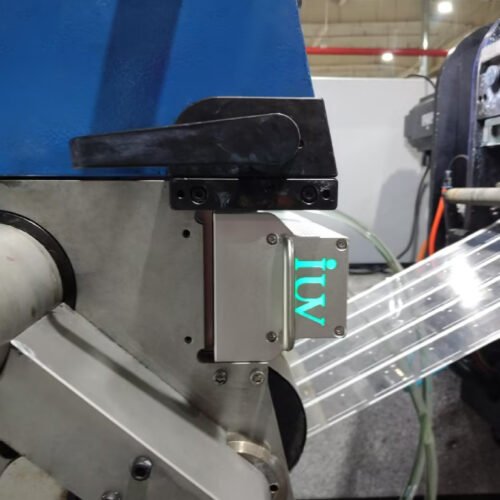
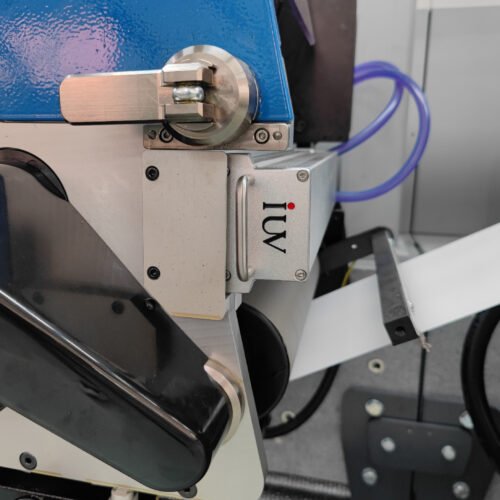
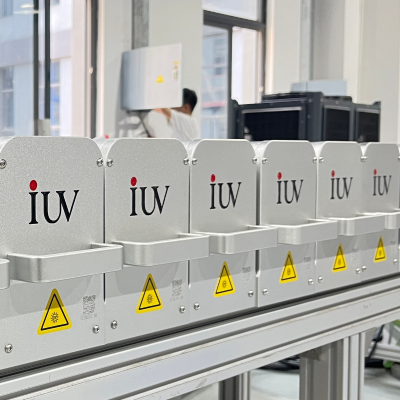
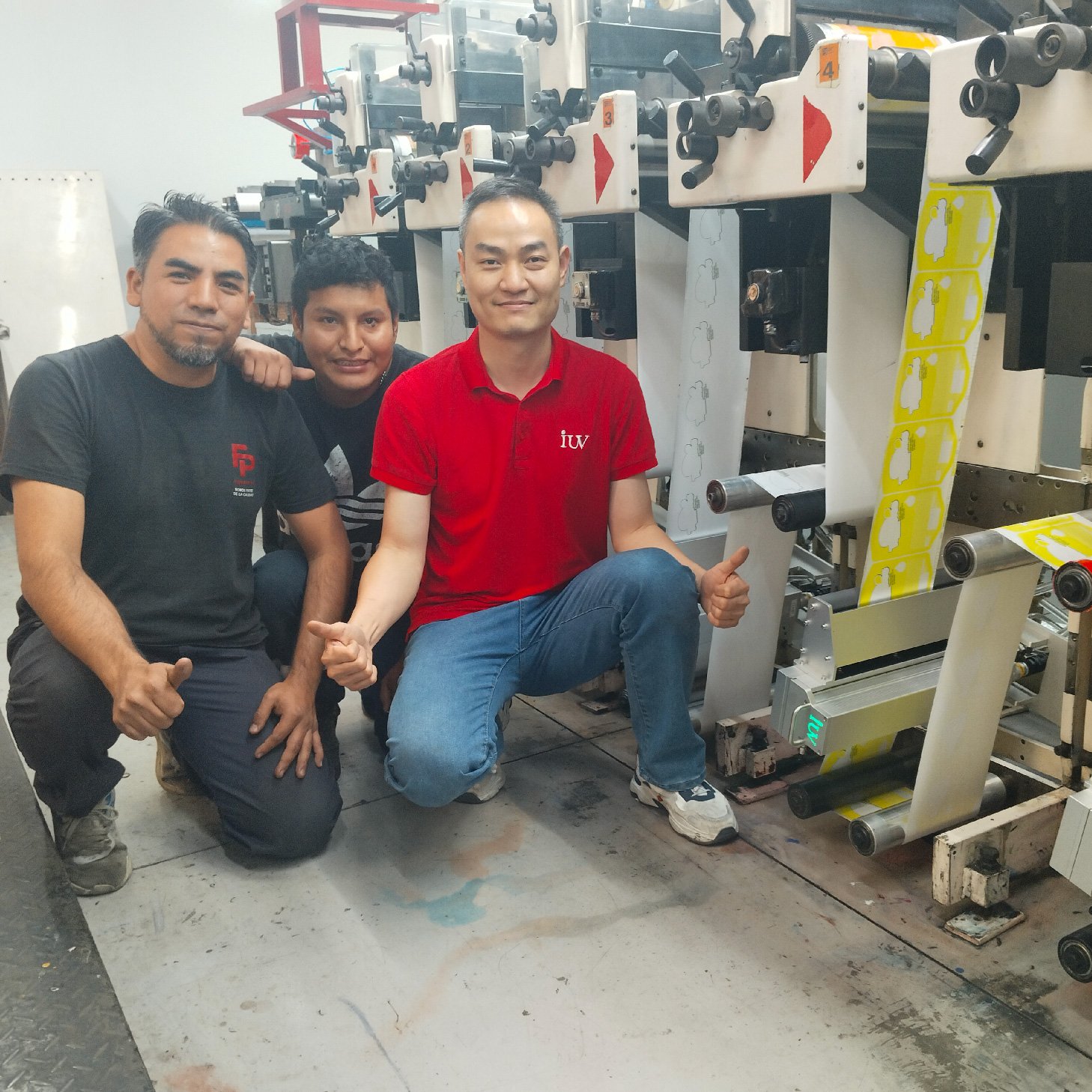
LED UV curing systems are generally more compact than their mercury lamp counterparts, allowing for easier integration into existing narrow-web presses or new press designs. Their modular nature means they can be configured to fit various press widths and specific application needs, from single-station curing to multiple units positioned throughout the press for different curing stages. This flexibility in integration is crucial for retrofitting older presses and for optimizing space within a busy print facility.
Applications in Narrow-Web Printing
The advantages conferred by LED UV curing systems make them exceptionally well-suited for a variety of narrow-web printing applications, including:
- Label Printing: From prime product labels requiring high visual appeal and durability to intricate industrial labels demanding resistance to harsh environments, LED UV curing ensures consistent, high-quality results.
- Flexible Packaging: For short to medium runs of flexible packaging, where fast turnaround times and excellent print fidelity are critical, LED UV inks and coatings offer rapid curing and robust performance.
- Specialty Printing: Applications requiring overprint varnishes, special effect inks (e.g., metallic, fluorescent), or textured finishes benefit from the precise curing control offered by LED technology.
- Printing on Sensitive Substrates: The low heat emission of LEDs opens up new possibilities for printing on films, foils, and thin papers without compromising substrate integrity.
Considerations for Implementing LED UV Curing
While the benefits are substantial, a successful transition to LED UV curing involves careful consideration of several factors. The initial investment in LED curing systems can be higher than for mercury lamps, but this is typically offset by long-term savings in energy, consumables, and maintenance. It is crucial to select LED systems with wavelengths that are compatible with the specific UV-curable inks, coatings, and adhesives being used. Consulting with ink and equipment manufacturers is essential to ensure optimal formulation and system matching. Proper press configuration, including the number and placement of LED units, should be determined based on the printing speed, ink laydown, and desired cure levels.
The Future of Narrow-Web Printing
LED UV curing technology is no longer a niche solution; it is rapidly becoming the standard for high-performance narrow-web printing. Its ability to boost productivity, reduce operating costs, enhance print quality, and offer environmental advantages makes it an indispensable tool for label and packaging converters seeking to remain competitive in today’s dynamic market. As the technology continues to evolve, we can expect even greater efficiency, broader substrate compatibility, and new application possibilities, further solidifying its role in the future of narrow-web printing.