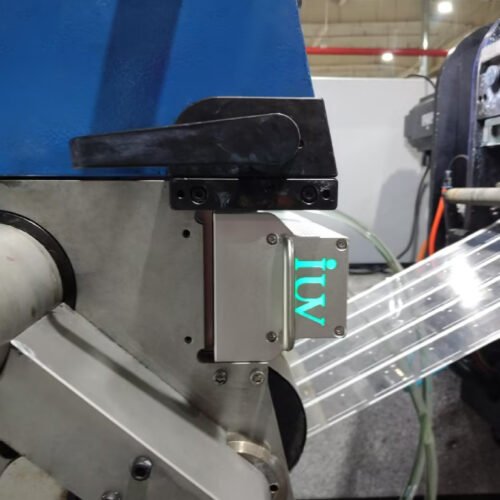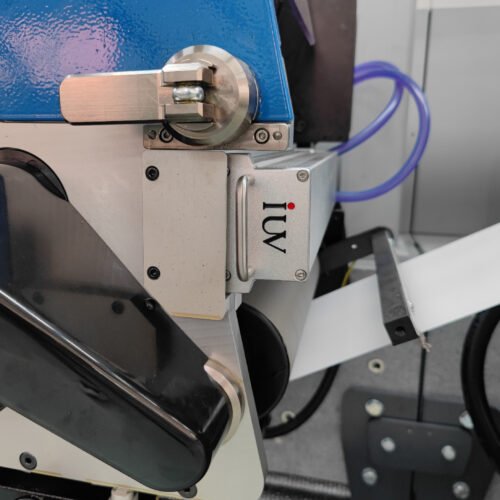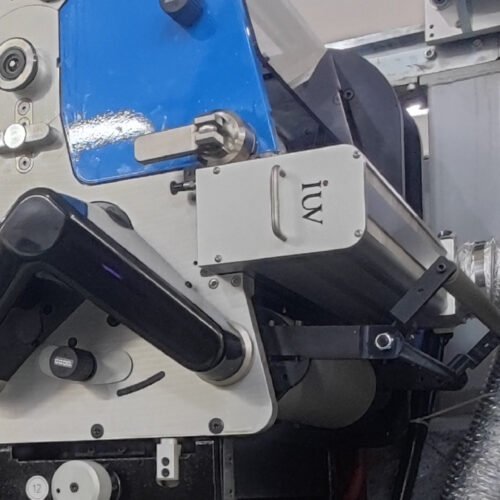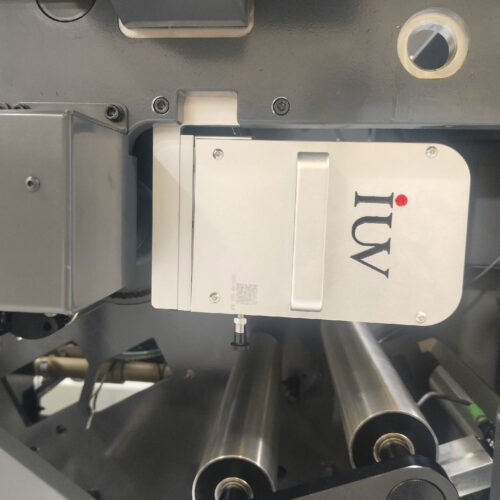
In the modern printing industry, maintaining color consistency is a top priority. As technology continues to advance, LED UV curing systems have emerged as a game changer, especially in flexographic, letterpress, and narrow-web printing applications. These systems offer significant advantages over traditional UV curing methods, particularly in terms of speed, energy efficiency, and color stability. In this article, we will explore how LED UV curing systems impact color consistency in printing and why they are becoming increasingly essential in the industry.
Understanding LED UV Curing Technology
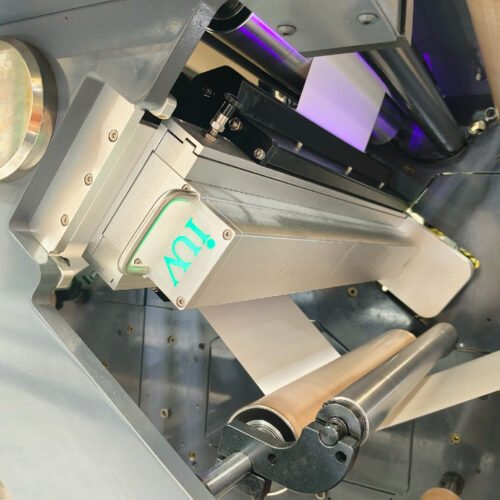
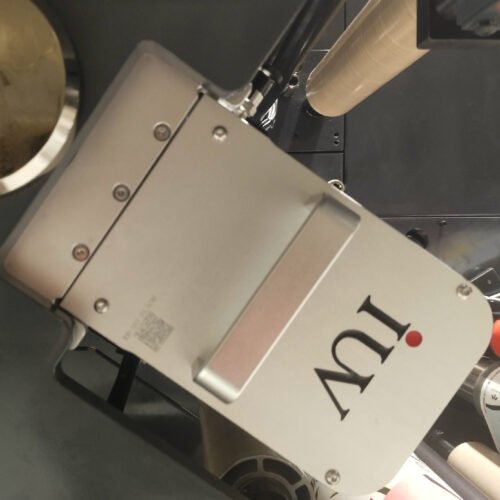
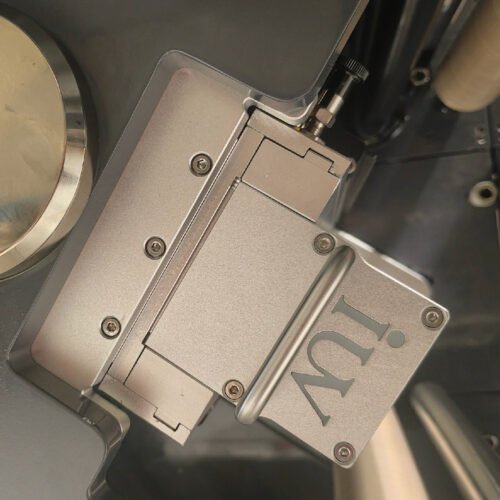
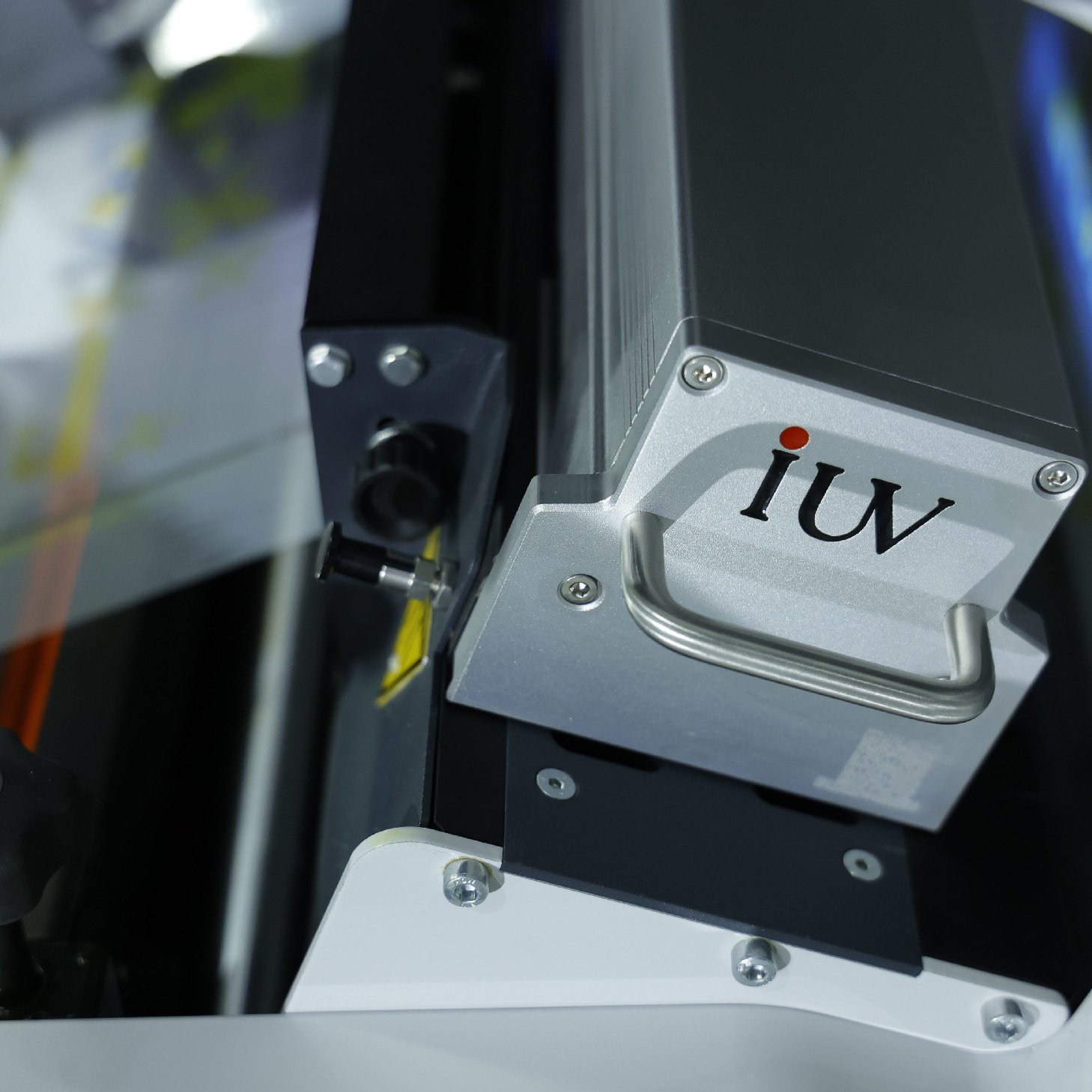
LED UV curing technology is a process that uses ultraviolet light emitted by light-emitting diodes (LEDs) to cure ink. Unlike traditional mercury vapor UV lamps, LED UV lamps generate UV light at specific wavelengths, typically in the UV-A range. This provides a more precise and energy-efficient way to cure inks and coatings in printing applications.
The core advantage of LED UV systems is their ability to instantly cure inks upon exposure to UV light, significantly reducing drying times and allowing for faster production speeds. In addition, LED UV lamps have a longer lifespan, consume less energy, and produce less heat compared to conventional UV lamps. These features make them ideal for a variety of printing processes, including flexographic, letterpress, and narrow-web printing, where consistent ink curing is essential for high-quality output.
Color Consistency in Printing: A Complex Challenge
Color consistency is a critical factor in achieving high-quality prints. Variations in color can arise from several sources, including ink formulation, substrate characteristics, environmental factors, and curing methods. In the context of flexographic printing, where fine details and vibrant colors are essential, even small inconsistencies can lead to noticeable defects or color shifts.
Traditional UV curing systems, while effective, can sometimes cause issues with color consistency. The heat generated by mercury vapor lamps can cause slight shifts in the ink’s chemical composition, especially with heat-sensitive materials. Additionally, the curing process can sometimes be uneven, leading to variations in gloss, finish, and color density.
LED UV curing systems address many of these challenges by offering more uniform curing and precise control over the curing process. This ability to control the curing environment helps maintain consistent color reproduction throughout the entire print run.
The Role of LED UV Curing in Flexographic Printing
Flexographic printing, widely used in packaging and label printing, benefits greatly from the introduction of LED UV curing systems. One of the main challenges in flexography is ensuring that the ink adheres evenly across the substrate while maintaining consistent color throughout the print job.
LED UV curing systems help solve this challenge by providing faster, more consistent curing. The reduced heat output minimizes the risk of ink degradation or substrate warping, both of which can affect color accuracy. Moreover, LED UV lamps provide instant curing, which reduces the time the ink spends exposed to environmental factors that could influence its color.
Furthermore, LED UV curing systems support a broader range of inks, including those that are highly sensitive to heat. This means that flexographic printers can use a wider variety of inks without worrying about color shifts due to curing. In addition, the reduced energy consumption of LED systems makes them an environmentally friendly option for flexographic printers who need to balance color accuracy with sustainability.
Impact on Letterpress Printing
Letterpress printing, though less common than other printing methods, still plays a significant role in high-end packaging and fine art printing. Like flexography, color consistency is essential in letterpress, especially when dealing with intricate designs and high-quality finishes.
LED UV curing systems provide letterpress printers with precise control over curing times, allowing them to maintain consistent color throughout the printing process. The use of LED lamps ensures that ink curing occurs uniformly without causing any detrimental effects to the substrate or the print. As with flexographic printing, the heat generated by conventional UV lamps can sometimes be problematic for letterpress applications. LED UV curing, on the other hand, minimizes this issue and results in a more stable color reproduction across various print runs.
Another benefit of LED UV technology in letterpress printing is the ability to print on a wider range of materials. Because LED UV curing systems produce less heat, they can be used on heat-sensitive substrates like coated papers, plastic films, and even non-porous surfaces. This versatility contributes to better color consistency and a broader range of applications.
Narrow-Web Printing: A Growing Application for LED UV Curing
Narrow-web printing, often used for labels, tags, and flexible packaging, requires high levels of color accuracy and consistency due to the intricate nature of the designs and the variety of materials used. LED UV curing technology is particularly advantageous in narrow-web printing, as it allows for fast curing speeds without sacrificing color quality.
In narrow-web applications, printing presses often operate at high speeds, and any delay in curing can lead to misalignment, color shifts, or defects in the printed material. LED UV curing systems offer the speed necessary for these high-speed operations while ensuring that the inks are cured quickly and evenly. This reduces the likelihood of inconsistencies in color, gloss, or finish, which are crucial in the narrow-web segment.
Moreover, narrow-web printing often involves using a variety of different substrates, including films, foils, and papers. LED UV curing systems are capable of curing inks on these diverse materials without compromising the integrity of the color or the substrate. This makes them an ideal choice for narrow-web printers looking to offer a wide range of products with consistent color quality.
The Energy Efficiency of LED UV Curing
Energy efficiency is another key benefit of LED UV curing systems. Traditional UV curing systems, especially mercury vapor lamps, are energy-intensive and generate a significant amount of heat. This not only increases operating costs but also requires additional cooling systems to prevent overheating in the printing press.
LED UV systems are much more energy-efficient, consuming less power and generating less heat. This reduction in energy consumption not only lowers operating costs but also contributes to a more sustainable and environmentally friendly printing process. Additionally, LED UV lamps have a longer lifespan than conventional UV lamps, which means less frequent replacements and reduced waste.
Conclusion: Why LED UV Curing is Essential for Color Consistency
LED UV curing systems have become an indispensable tool in modern printing, especially in flexographic, letterpress, and narrow-web printing applications. Their ability to provide precise, uniform curing with minimal heat generation has revolutionized color consistency in printing. Whether you are printing on heat-sensitive substrates, running high-speed presses, or working with a wide variety of inks, LED UV curing technology offers clear advantages in maintaining color accuracy and consistency.
For printers looking to enhance the quality of their prints, improve efficiency, and reduce environmental impact, adopting LED UV curing systems is an investment that can significantly improve color consistency and overall print quality. With the growing demand for high-quality, consistent prints across a variety of industries, LED UV curing technology is poised to play a vital role in shaping the future of the printing industry.