The printing industry is constantly evolving, driven by demands for higher quality, faster turnaround times, and greater sustainability. Within this dynamic landscape, the adoption of advanced curing technologies plays a pivotal role. Among these, LED UV curing systems have emerged as a game-changer, offering significant advantages not only in production efficiency but also in creating substantially cleaner and healthier work environments. This article delves into the specific ways LED UV curing systems contribute to a more pristine printing operation, focusing on their impact within label printing, flexographic printing, offset printing, and narrow web applications.
The Environmental Imperative in Modern Printing
Print shops, by their nature, can involve a complex array of chemicals, inks, and potential emissions. Traditionally, heat-set drying and solvent-based inks have been prevalent, often leading to volatile organic compound (VOC) emissions and the generation of significant heat. These factors can degrade air quality, pose health risks to workers, and necessitate extensive ventilation and exhaust systems. The move towards more sustainable and worker-friendly practices has therefore placed a premium on technologies that minimize environmental impact and enhance workplace safety.
Understanding LED UV Curing Technology
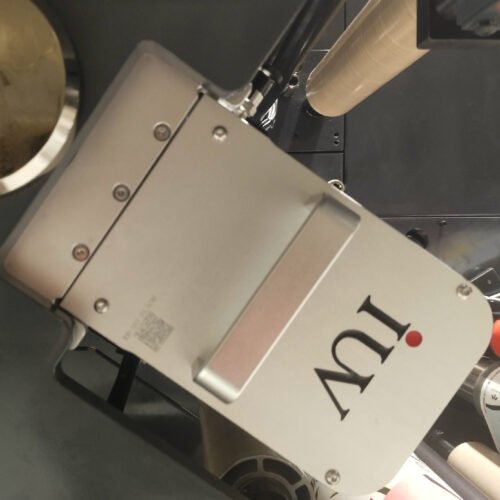
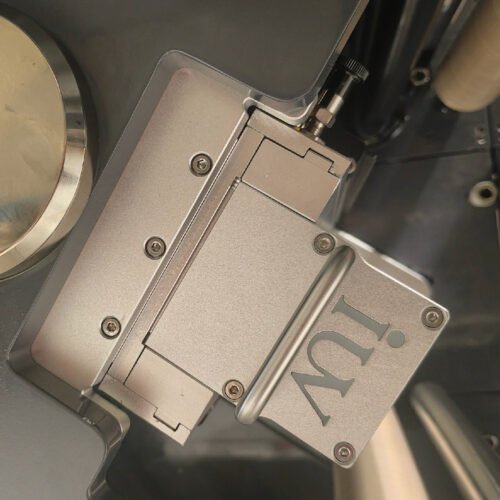
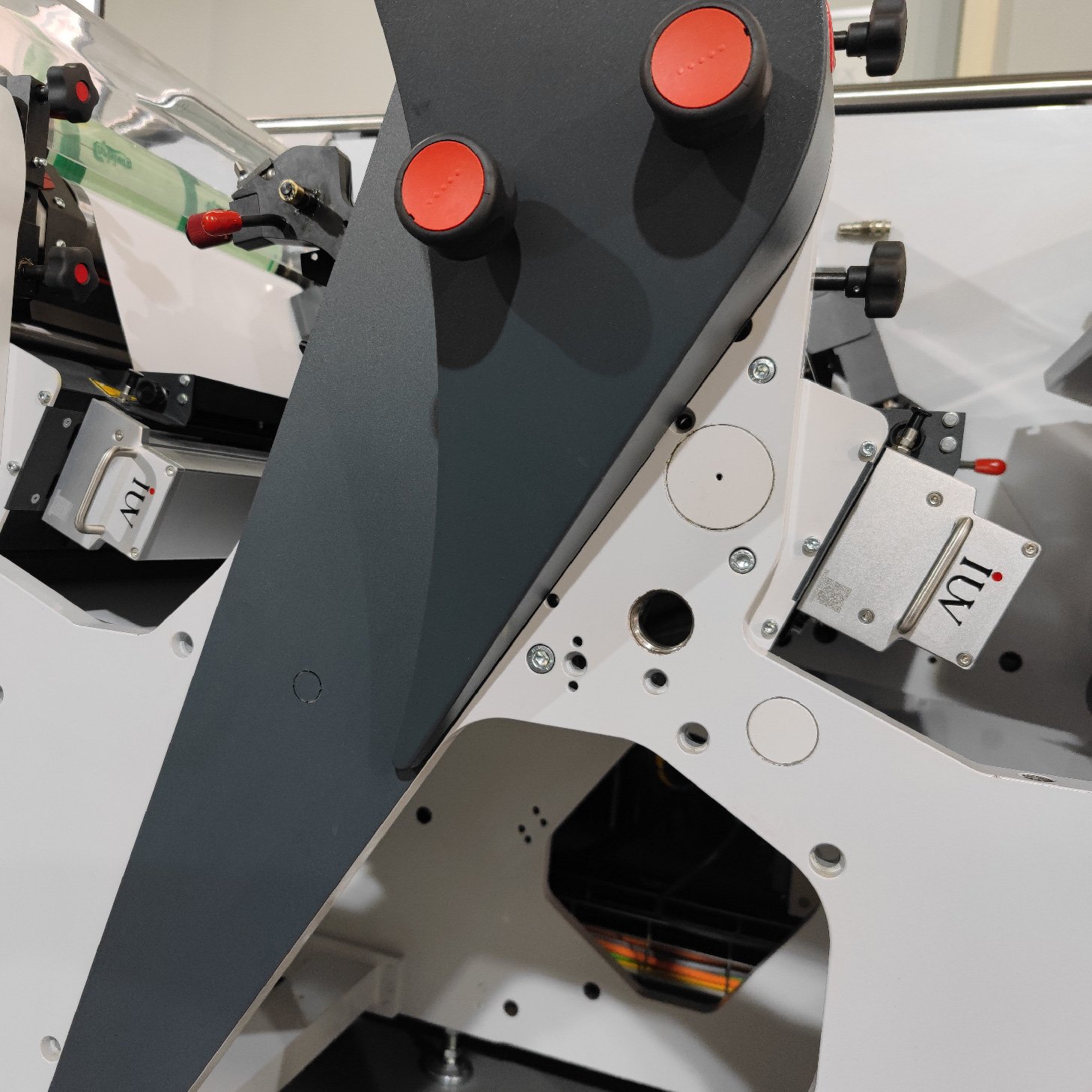
Unlike traditional mercury-based UV lamps, LED UV curing systems utilize Light Emitting Diodes (LEDs) to generate UV light. This fundamental difference in light source technology is the root of many of its advantages, particularly concerning environmental control and operational cleanliness. LEDs emit a very specific wavelength of UV light, precisely matched to the photoinitiators in UV-curable inks, coatings, and adhesives. This targeted energy transfer means that almost all the energy supplied is converted into curing, rather than wasted as heat.
Reduced Heat Load and Improved Air Quality
One of the most immediate and noticeable benefits of LED UV curing in a print environment is the dramatically reduced heat output compared to conventional UV lamps or heat-set dryers. Traditional systems generate substantial thermal energy, which not only increases ambient room temperature but also contributes to drying out the air. This excess heat requires powerful cooling systems and can create uncomfortable working conditions, potentially leading to worker fatigue and reduced productivity.
LED UV systems, conversely, generate very little heat. This minimal thermal footprint means that the overall temperature within the printing press hall remains much more stable and comfortable. The reduced heat load also means less reliance on energy-intensive air conditioning and ventilation systems, contributing to lower operational costs and a smaller carbon footprint. Furthermore, the absence of significant heat generation means less moisture is driven out of the air, maintaining a more consistent and pleasant humidity level, which can be beneficial for both equipment and personnel.
Eliminating VOC Emissions
A significant contributor to poor air quality in traditional printing operations is the use of solvent-based inks and coatings, which release VOCs during the drying process. These emissions are not only harmful to human health, contributing to respiratory problems and other ailments, but also pose environmental challenges and are subject to increasingly strict regulations in many regions.
LED UV curing systems are almost exclusively used with UV-curable inks and coatings, which are formulated without solvents. These inks cure through a photochemical reaction initiated by UV light, solidifying almost instantaneously without the need for evaporation. This means that when you use LED UV curing, you are essentially eliminating VOC emissions at the source. The result is a dramatically cleaner and healthier air environment within the print shop, a significant benefit for operators who spend their working hours in close proximity to the printing process.
Minimized Ozone Generation
Traditional mercury-based UV lamps, while effective for curing, also produce ozone as a byproduct of their operation. Ozone is a pungent gas that can be irritating to the respiratory system and can degrade certain materials over time. Consequently, printing operations using conventional UV lamps often require dedicated ozone extraction and filtration systems to maintain safe air quality.
LED UV systems, by design, do not produce ozone. This is a direct consequence of their specific wavelength emission and the absence of the plasma discharge characteristic of mercury lamps. The elimination of ozone generation means that there is no need for complex and costly ozone abatement equipment. This simplifies the printing equipment setup, reduces maintenance requirements, and further contributes to a cleaner and safer working atmosphere.
Cleaner Ink Handling and Transfer
The nature of UV-curable inks themselves, when used with LED UV curing, often leads to a cleaner printing process. These inks are typically viscous and do not dry out in the air like conventional inks. This means less “dry spray” or misting that can occur with some printing methods, leading to less ink buildup on machine parts and surrounding areas.
In flexographic and narrow web printing, where precise ink transfer is crucial, UV-curable inks used with LED curing can offer improved handling. They are less prone to premature drying on anilox rolls or plates compared to some other ink types, leading to more consistent print quality and less frequent cleaning of components. This translates to less downtime for cleaning and a reduction in the use of cleaning solvents, further enhancing the overall cleanliness of the operation.
Reduced Waste and Material Contamination
The precise and efficient curing provided by LED UV systems can also contribute to a cleaner process by minimizing waste and material contamination. Because the curing is instantaneous and highly controlled, there is less opportunity for uncured or partially cured ink to transfer onto non-print areas, adjacent materials, or equipment.
In applications like label printing, where precision is paramount, the ability of LED UV to provide a hard, fully cured ink layer quickly prevents smudging or scuffing during subsequent handling or finishing processes. This reduces the number of rejected jobs due to incomplete curing or surface damage, leading to less material waste. Furthermore, the absence of the heat and chemical reactions associated with traditional drying methods can mean less degradation of the printing substrate itself, preserving its integrity and reducing material waste.
Streamlined Equipment Maintenance
The cleaner operational environment fostered by LED UV curing also translates to simpler and less frequent equipment maintenance. With reduced heat, no ozone, and fewer VOCs, the printing machinery is exposed to a less corrosive and less contaminating atmosphere.
Components like press parts, ink systems, and exhaust ducts are less likely to accumulate sticky residues or undergo premature wear and tear caused by airborne contaminants. This means less frequent and less intensive cleaning is required for the printing presses themselves. The reduction in cleaning cycles, and the reduced need for harsh cleaning solvents, further contributes to a safer and more pleasant working environment.
Conclusion: A Brighter, Cleaner Future for Printing
The integration of LED UV curing systems into printing operations, from the meticulous world of label printing and narrow web applications to the high-speed demands of flexographic and offset printing, represents a significant step forward in creating cleaner work environments. By dramatically reducing heat generation, eliminating VOC emissions and ozone production, and enabling the use of cleaner-formulated inks, LED UV technology directly addresses many of the historical environmental and health challenges faced by the printing industry. This shift not only enhances worker well-being and safety but also contributes to operational efficiency and sustainability, paving the way for a brighter, cleaner, and more responsible future in print production.