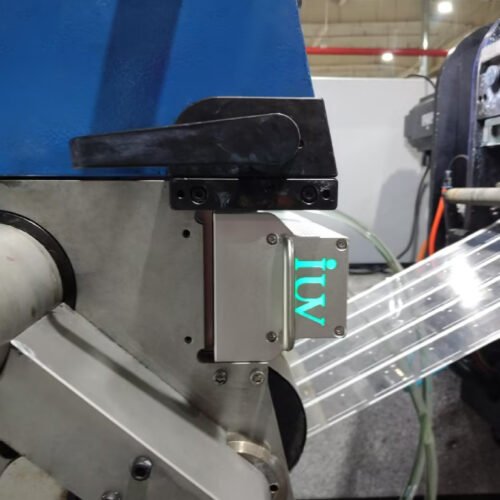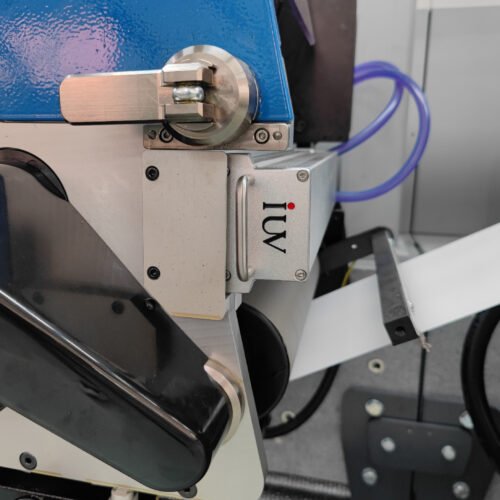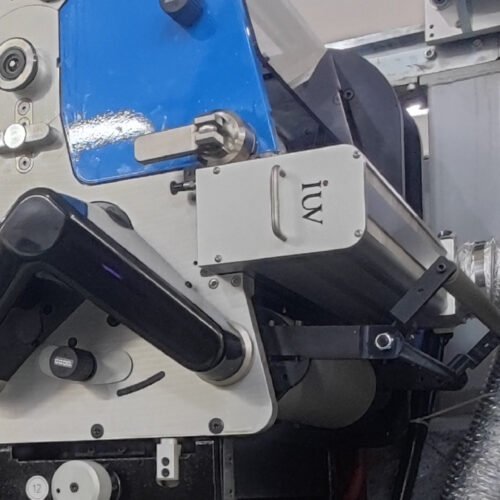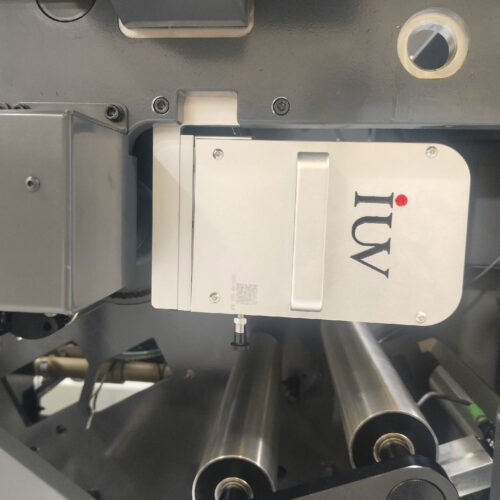
In the dynamic world of narrow web printing, label production, and a variety of other print applications, the choice of curing technology can make or break a project. Many inks, especially those formulated for sensitive substrates or vibrant color reproduction, possess a delicate nature. They can degrade, warp, or lose their integrity when exposed to excessive heat. This is where the unique advantages of LED UV curing systems truly shine, offering a precise and gentle approach that traditional methods often struggle to match.
Understanding the Heat Sensitivity Challenge
Traditional UV curing systems, often relying on mercury vapor lamps, generate a significant amount of infrared radiation, which translates directly into heat. While this heat is beneficial for drying certain types of ink, it can be detrimental to others. For instance, thin plastic films commonly used in label printing can easily distort or melt under the intense heat. Likewise, some specialized inks, designed for unique aesthetic finishes or specific chemical resistances, may undergo unwanted chemical changes when overheated, compromising their performance and appearance. This presents a considerable challenge for printers aiming for high-quality results on a diverse range of substrates.
The LED UV Advantage: A Cooler Curing Process
LED UV curing systems operate on a fundamentally different principle. Instead of a broad spectrum of light and heat, LEDs emit light at specific wavelengths, precisely tuned to activate the photoinitiators within UV-curable inks. This targeted approach drastically reduces the amount of infrared radiation, and consequently, the heat generated during the curing process. This “cool cure” capability is a game-changer for temperature-sensitive inks.
The benefits are immediately apparent. Substrates remain cooler, minimizing the risk of warping, shrinking, or delamination. This is particularly critical in narrow web printing where tight tolerances and precise registration are paramount. For label printers working with films like polyethylene, polypropylene, or even delicate paper stocks, the ability to cure inks without compromising the substrate’s structural integrity is invaluable.
Precision Wavelengths for Optimized Ink Performance
Beyond just reducing heat, LED UV technology offers unparalleled control over the curing spectrum. Each LED emitter can be fine-tuned to deliver specific wavelengths. This allows ink manufacturers to formulate inks with photoinitiators that are highly responsive to these precise wavelengths. The result is a more efficient and complete cure, even at lower energy inputs.
This precision is a significant advantage in flexographic and offset (lithographic) printing, where ink laydown and curing speed are critical for production efficiency. For temperature-sensitive inks, this means achieving full cure without over-exposing the ink or the substrate to unnecessary thermal stress. The photoinitiators are activated effectively, leading to a robust and durable ink film that retains its intended properties.
Enhanced Ink Properties and Substrate Compatibility
The cooler operating temperatures of LED UV systems also contribute to preserving the inherent properties of specialized inks. For example, inks designed for high-gloss finishes, matte effects, or tactile sensations are less likely to experience changes in viscosity or flow during the curing process. This ensures that the intended visual and tactile qualities of the ink are maintained from the print head to the final product.
Furthermore, the ability to cure at lower temperatures broadens the range of compatible substrates. Printers can confidently use a wider array of plastics, thin films, and even some heat-sensitive paper stocks without fear of damaging them. This flexibility opens up new market opportunities and allows for greater creative freedom in label and packaging design.
Energy Efficiency and Environmental Considerations
While not directly related to temperature sensitivity, the energy efficiency of LED UV systems is a significant benefit that complements their performance with sensitive inks. LEDs consume considerably less energy compared to traditional mercury vapor lamps. This translates into lower operating costs for printing businesses.
Moreover, LED UV systems are mercury-free, aligning with increasing environmental regulations and a growing demand for sustainable printing practices. The longer lifespan of LED lamps also reduces maintenance and replacement costs, further enhancing the overall economic viability of adopting this technology.
Application in Key Printing Processes
The advantages of LED UV curing with temperature-sensitive inks are particularly pronounced in several key printing sectors:
- Narrow Web Printing