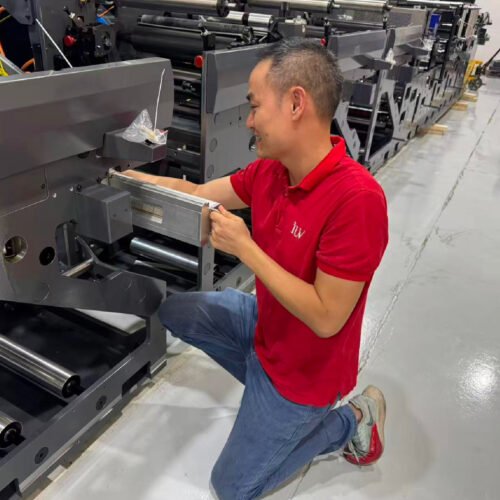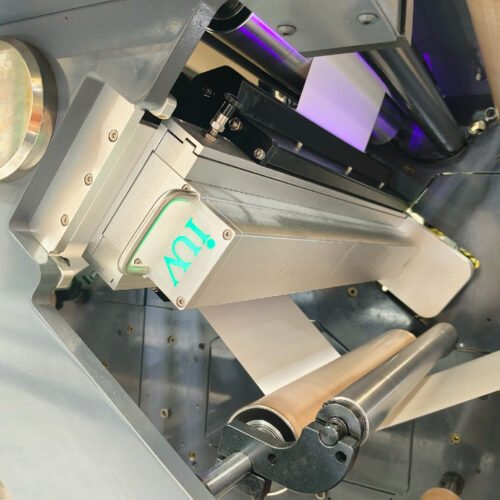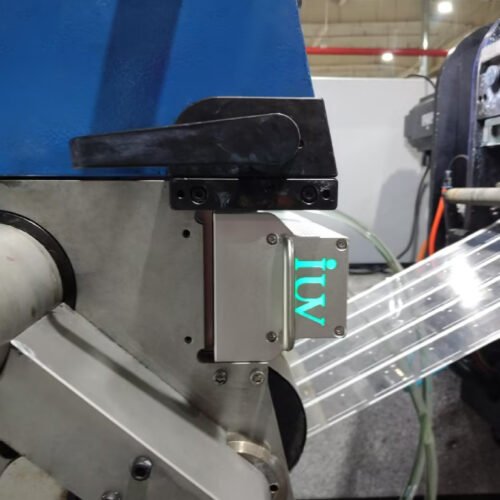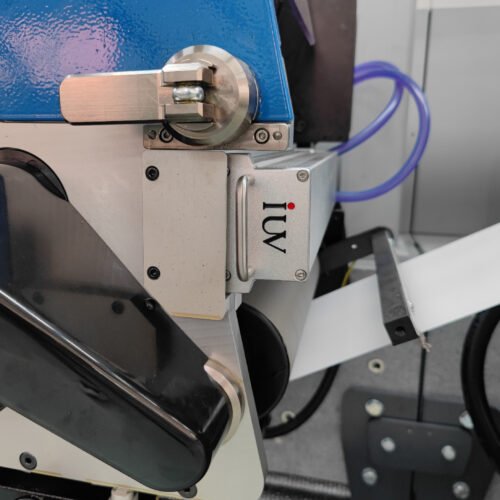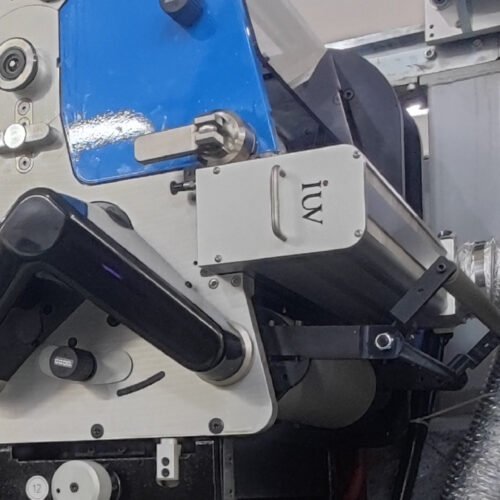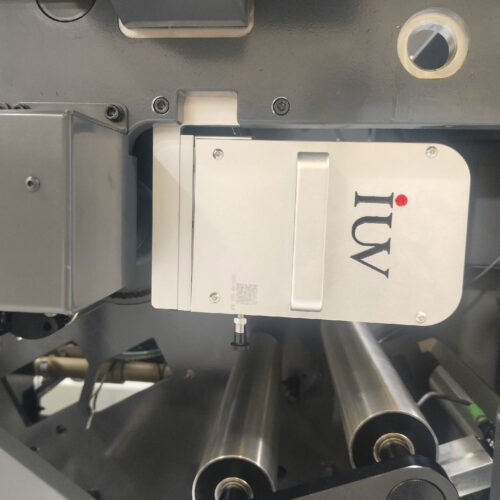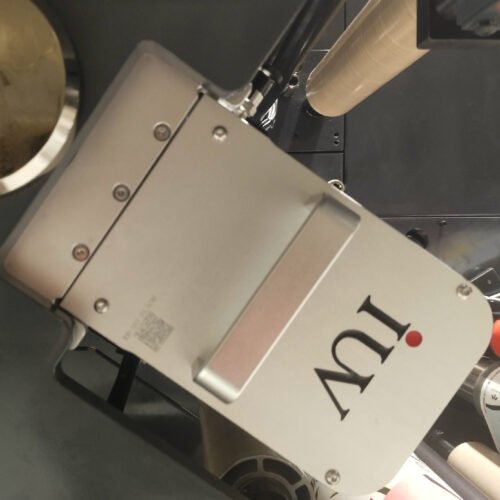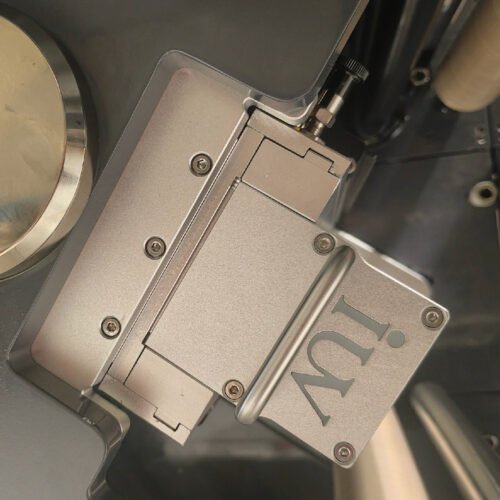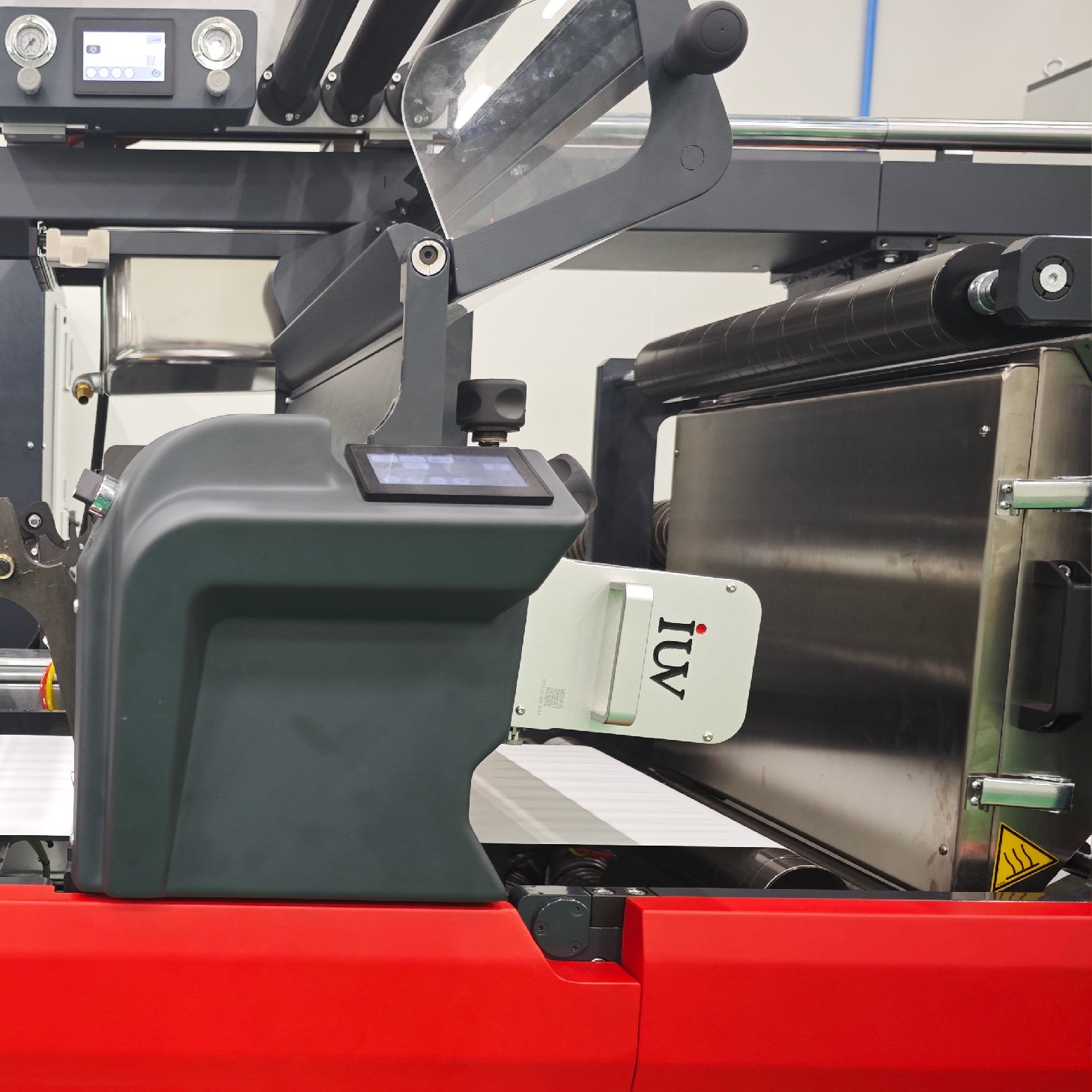
Integrating LED UV curing systems into high-speed narrow web printing lines is a significant advancement in label production. This technology offers numerous benefits, from improved print quality to enhanced operational efficiency and environmental sustainability. As the demand for faster, more versatile, and cost-effective narrow web printing solutions continues to grow, understanding the nuances of LED UV integration becomes paramount for label converters.
The transition from traditional mercury vapor lamps to LED UV curing represents a paradigm shift. LED systems provide a more focused and controllable light spectrum, leading to superior curing performance. This is particularly crucial in the demanding environment of high-speed narrow web printing where dwell times are minimal, and rapid, consistent curing is essential for achieving high-quality results.
The Evolution of UV Curing in Narrow Web Printing
For decades, mercury vapor lamps have been the standard for UV curing in the printing industry. While effective, they come with certain drawbacks. These lamps consume a considerable amount of energy, generate substantial heat, and have a limited lifespan, requiring frequent replacement. The broad spectrum of light they emit can also lead to unwanted substrate degradation and potential curing issues if not managed carefully.
The advent of LED UV technology has addressed many of these limitations. LEDs emit a narrow band of UV light, typically at specific wavelengths optimized for the photoinitiators in UV-curable inks, coatings, and adhesives. This targeted approach ensures more efficient energy transfer and a more consistent cure. Furthermore, LED lamps operate at much lower temperatures, reducing the risk of heat-related substrate damage and allowing for closer integration with sensitive printing components. Their longer lifespan and lower energy consumption also contribute to significant operational cost savings and a reduced environmental footprint.
Key Advantages of LED UV in High-Speed Narrow Web Operations
The benefits of integrating LED UV curing systems into high-speed narrow web lines are multi-faceted and directly impact the bottom line for label converters.
- Enhanced Curing Performance and Quality: The precise wavelength output of LED UV lamps ensures a more thorough and consistent cure of inks and coatings. This translates to improved scratch resistance, better chemical resistance, and superior adhesion, all critical for high-quality label production. In high-speed printing, where ink films can be thin and dwell times short, consistent curing is non-negotiable. LED UV provides this reliability.
- Increased Production Speeds: Traditional UV lamps often require specific dwell times and cooling periods to manage heat. LED UV, with its lower heat output, allows for faster press speeds without compromising the curing process. This direct impact on throughput can significantly boost overall production capacity.
- Energy Efficiency and Cost Savings: LED UV systems are remarkably energy-efficient. They consume significantly less power than mercury vapor lamps and only draw power when actively curing. This translates into lower electricity bills and reduced operational expenses. The long lifespan of LED arrays also minimizes maintenance and replacement costs associated with lamp changes.
- Reduced Heat Load on Substrates: The lower operating temperature of LED UV systems is a major advantage, especially when printing on heat-sensitive substrates like thin films or certain papers. This prevents warping, shrinkage, or other forms of substrate distortion that can occur with the intense heat generated by mercury lamps.
- Environmental Benefits: Beyond energy savings, LED UV curing systems do not contain mercury, making them a more environmentally friendly option. The reduced energy consumption also contributes to a lower carbon footprint.
- Instant On/Off Capability: Unlike mercury lamps that require warm-up and cool-down periods, LEDs can be switched on and off instantaneously. This is ideal for intermittent printing operations and further contributes to energy savings and operational flexibility.
- Consistent Output Over Lifespan: LED UV output remains consistent throughout their operational life, whereas mercury lamps experience a decline in intensity over time. This consistency ensures stable curing conditions and predictable print quality from the first job to the last.
Technical Considerations for Integration
Successfully integrating LED UV curing systems into existing or new high-speed narrow web lines requires careful planning and consideration of several technical aspects.
- Wavelength Selection: The choice of LED wavelength is critical and depends on the specific inks, coatings, and adhesives being used. Common wavelengths for UV curing include 365 nm, 385 nm, 395 nm, and 405 nm. It’s essential to match the LED output to the photoinitiator package for optimal curing efficiency. Collaboration with ink and coating suppliers is crucial here.
- Power Density and Uniformity: The power density of the LED array, measured in W/cm², directly impacts curing speed. Ensuring uniform power distribution across the entire web width is vital for consistent curing, especially at high press speeds. Proper placement and alignment of the LED heads are key.
- Cooling and Ventilation: While LEDs generate less heat than mercury lamps, they still produce some thermal energy. Adequate cooling and ventilation systems are necessary to maintain optimal operating temperatures for both the LED arrays and the printing press components. This might involve air cooling or water cooling depending on the system design and press configuration.
- Integration with Existing Press Controls: Seamless integration with the press’s control system is important for managing the on/off cycling of the LED units, monitoring performance, and ensuring synchronization with the printing speed. Modern LED systems often offer sophisticated control interfaces that can be easily integrated.
- Inter-deck Curing vs. End-of-Line Curing: LED UV systems can be installed between printing stations (inter-deck curing) for multi-layer applications or at the end of the press line for final curing. The choice depends on the specific printing process and the need for intermediate curing of wet inks or coatings. Inter-deck curing is particularly beneficial for complex multi-color jobs or applications requiring specific layer interactions.
- Substrate Compatibility: Always verify the compatibility of your chosen LED UV system with the substrates you intend to print on. While LEDs are generally gentler on substrates, specific film types or heavily pigmented papers might still require careful evaluation.
Applications in Narrow Web Printing
The versatility of LED UV curing makes it suitable for a wide range of narrow web printing applications.
- Pressure-Sensitive Labels: For food, beverage, pharmaceutical, and cosmetic industries, where high-quality graphics, durability, and compliance with strict regulations are essential. LED UV ensures excellent adhesion, scuff resistance, and vibrant color reproduction on various label stocks.
- In-Mold Labels (IML): The rapid curing provided by LED UV is ideal for IML applications, enabling efficient production cycles.
- Shrink Sleeves: LED UV’s ability to cure quickly and effectively on flexible films makes it a good choice for shrink sleeve production, where precise ink laydown and durability are important.
- Specialty Labels: Including labels with metallic effects, tactile finishes, and high-gloss coatings, all of which benefit from the controlled and consistent curing provided by LED UV technology.
- Unsupported Films: For applications where labels are printed on unsupported films that are then die-cut or formed.
Future Trends and Innovations
The evolution of LED UV technology in narrow web printing is ongoing. We are seeing advancements in:
- Higher Power Density LEDs: Enabling even faster curing speeds and potentially reducing the number of curing units required.
- Broader Wavelength Options: Expanding the range of inks and coatings that can be efficiently cured.
- Smart Monitoring and Control: Advanced diagnostics and predictive maintenance features for LED systems.
- Hybrid Curing Solutions: Combining LED UV with other curing technologies for highly specialized applications.
Conclusion
Integrating LED UV curing systems into high-speed narrow web printing lines is no longer just an option but a strategic imperative for label converters seeking to remain competitive. The combination of superior print quality, enhanced production efficiency, significant cost savings, and environmental benefits positions LED UV technology as a cornerstone of modern narrow web label manufacturing. By carefully considering the technical aspects of integration and understanding the wide array of applications, businesses can leverage this powerful technology to achieve new levels of performance and profitability.