The label printing industry is in constant pursuit of efficiency, quality, and versatility. Within this dynamic landscape, LED UV curing systems have emerged as a transformative technology. They offer distinct advantages over traditional curing methods, particularly for narrow web printing applications like labels. This guide explores the journey from setting up these advanced systems to achieving a flawless finish on your printed labels.
Understanding the core principles of UV curing is fundamental. It involves using ultraviolet light to instantly polymerize (cure) specially formulated inks, coatings, and adhesives. Unlike solvent-based systems that rely on evaporation, UV curing is a photochemical process. This means a rapid chemical reaction is triggered by specific wavelengths of UV light. The result is an immediate, durable finish.
The Shift to LED UV Technology
For years, mercury vapor lamps were the standard in UV curing. While effective, they come with significant drawbacks. They generate substantial heat, requiring robust cooling systems and consuming considerable energy. Mercury lamps also have a limited lifespan and require frequent replacement, adding to operational costs and downtime. Furthermore, their UV spectrum is broad, potentially curing less efficiently and generating unwanted heat.
LED UV curing systems represent a significant technological leap. Light Emitting Diodes (LEDs) offer a highly focused, narrow UV spectrum. This means they emit light precisely at the wavelengths required by UV inks and coatings, leading to more efficient and complete curing. The benefits are manifold. LEDs operate at much lower temperatures, reducing heat stress on sensitive substrates like thin films or delicate papers. This also translates to less energy consumption, making them an environmentally friendlier and more cost-effective choice in the long run. Their operational lifespan is considerably longer than mercury lamps, minimizing maintenance and replacement costs.
LED UV Curing in Narrow Web Printing: A Natural Fit
Narrow web printing, the backbone of the label industry, is particularly well-suited for LED UV curing. Presses in this sector typically run at high speeds and handle a wide variety of substrates. The precise control and instant curing offered by LEDs are invaluable here.
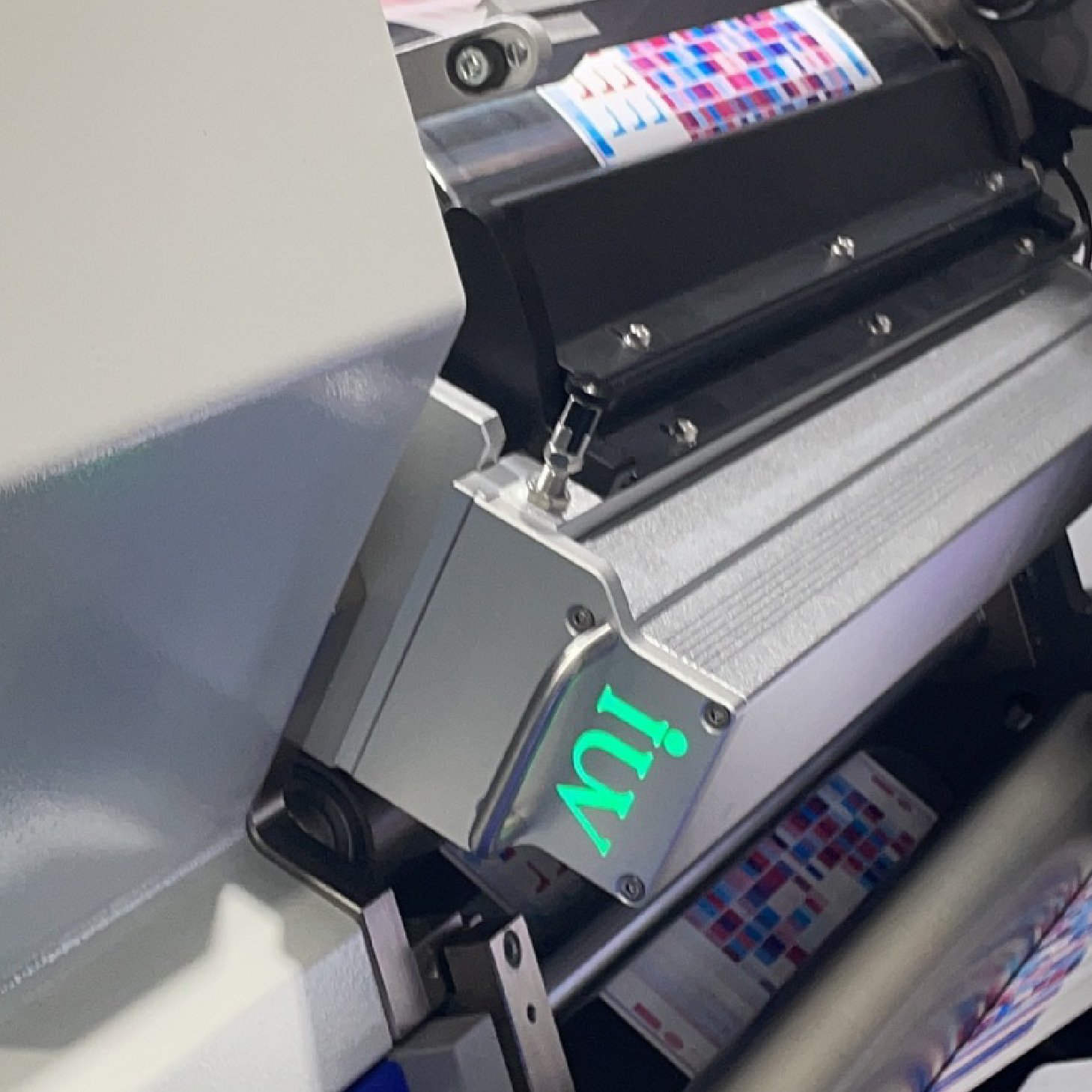
In flexographic printing, a dominant method for labels, LED UV systems integrate seamlessly. Flexo inks are often formulated for UV curing, allowing for vibrant colors and sharp details. The instant curing prevents ink transfer issues as the web moves through the press. This is crucial for multi-color jobs where wet ink could smudge or contaminate subsequent print stations. The reduced heat output from LEDs also protects the printing plates and anilox rolls from premature wear.
Offset printing, or sheetfed offset adapted for labels, also benefits. While less common for typical narrow web labels, it’s used for higher-end applications. LED UV allows for immediate handling of printed sheets, speeding up post-press operations. The ability to cure on a wider range of substrates, including plastics and foils, is a significant advantage.
Setup and Integration: A Smooth Transition
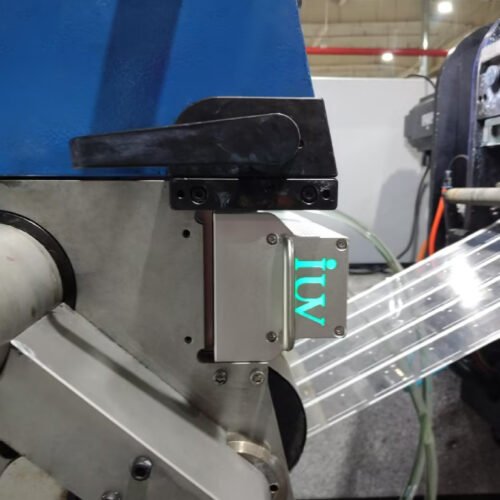
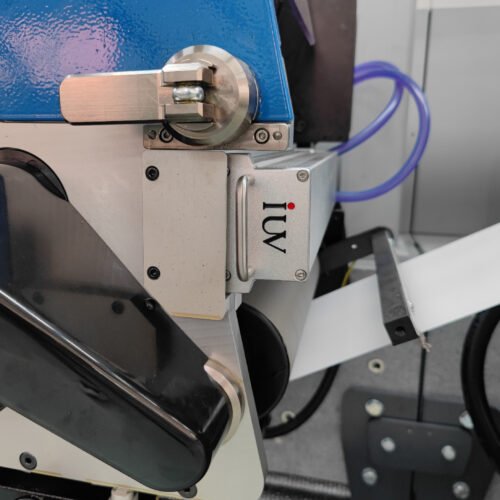
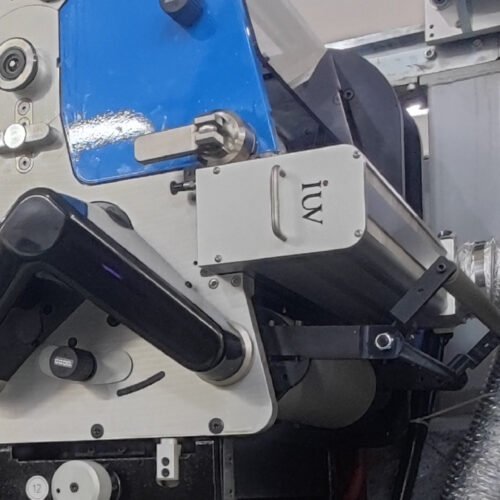
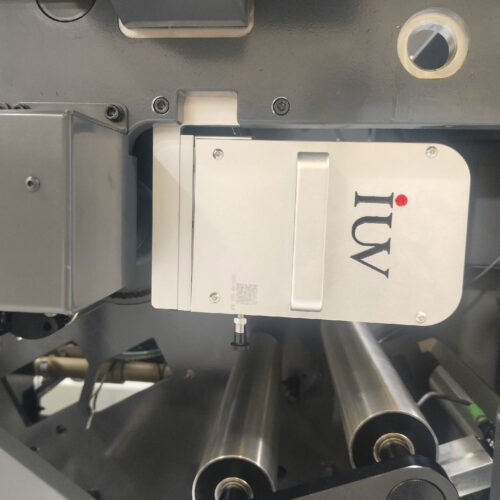
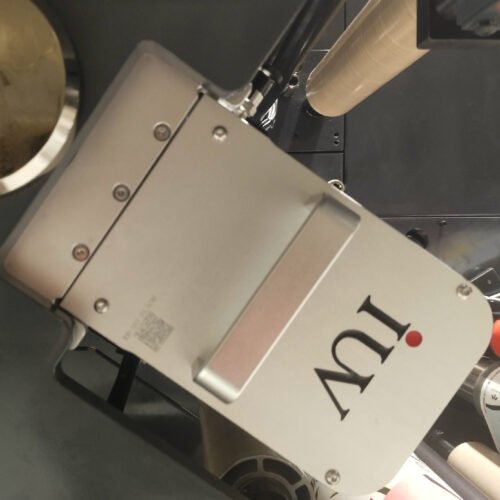
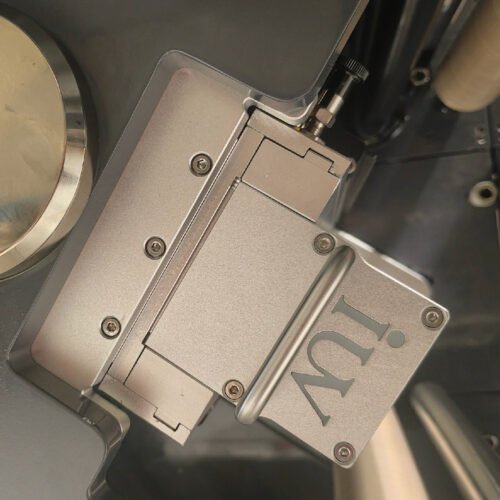
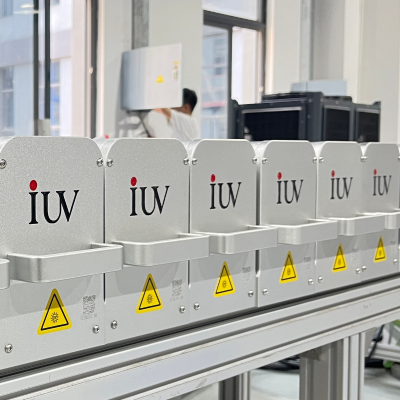
Integrating LED UV curing systems into an existing press requires careful consideration. The first step is to assess the press capabilities. Many modern narrow web presses are designed with space and power provisions for UV units. Older presses may require modifications to accommodate the LED lamps, power supplies, and associated cooling systems.
Key considerations for setup:
- Wavelength Compatibility: Ensure the LED system’s UV spectrum (e.g., 395nm, 365nm) is optimized for the specific UV inks, coatings, and adhesives you are using. Manufacturers provide detailed specifications for this. Mismatched wavelengths can lead to under-curing or inefficient curing.
- Irradiance Levels: Irradiance, measured in Watts per square centimeter (W/cm²), refers to the power density of the UV light. This must be sufficient to achieve full cure within the given web speed. Higher irradiance generally means faster curing.
- Cooling: While LEDs generate less heat than mercury lamps, they still require adequate cooling, especially in high-speed applications. Air-cooled systems are common, but water-cooled options offer superior temperature management for demanding jobs.
- Placement on Press: The position of the LED UV unit is critical. It’s typically placed immediately after the last print station or coating unit. For applications requiring inter-deck curing (curing between print stations), multiple smaller LED units can be installed.
- Power Requirements: LED UV systems draw power, and adequate electrical infrastructure must be in place. Consult with your press manufacturer and LED system supplier regarding electrical demands.
- Safety Interlocks: As with any UV system, safety is paramount. Ensure the system is equipped with interlocks that prevent UV exposure when the press is stopped or the curing unit is open.
Achieving a Perfect Finish: The Role of LED UV
The “perfect finish” in label printing encompasses durability, visual appeal, and functional performance. LED UV curing plays a pivotal role in achieving all these aspects.
Durability: UV-cured inks and coatings are inherently more robust than their conventional counterparts. They offer excellent scratch resistance, abrasion resistance, and chemical resistance. This is vital for labels that are subjected to handling, friction, or exposure to various substances, such as those found in household products, automotive chemicals, or industrial applications. The instant cure locks the ink film onto the substrate, creating a highly resilient surface.
Visual Appeal: LED UV enables printers to achieve exceptional print quality. The sharp, instant cure prevents ink spread, resulting in crisp dot definition and vibrant, saturated colors. This is especially important for high-resolution graphics and fine text. Furthermore, the consistent output of LED lamps ensures uniform curing across the entire label width, eliminating variations in gloss or cure levels.
Versatility and Special Effects: One of the most exciting applications of LED UV in label printing is its use in creating special effects.
- High-Gloss and Matte Finishes: Applying UV varnishes with LED curing can achieve dramatic contrasts between high-gloss and matte areas on a single label. This adds depth and tactile interest, making a product stand out on the shelf.
- Raised Effects (3D): Special high-build UV varnishes, when cured with LED, can create tactile, raised graphics or patterns. This provides a premium feel and a unique sensory experience for consumers.
- Metallic and Pearlescent Effects: UV inks and coatings formulated with metallic or pearlescent pigments can be perfectly cured, maintaining their shimmer and depth.
- Security Features: UV-curable inks can incorporate fluorescent or other hidden security features that only become visible under specific light conditions. This is invaluable for brand protection and anti-counterfeiting measures.
- White Ink Overprint: For printing on dark or transparent substrates, an opaque white UV ink layer can be applied first, with subsequent colors printed over it. LED curing ensures this white layer is fully cured before the next color is applied, preventing ghosting or color bleed.
Substrate Flexibility with LED UV
The low heat output of LED UV systems is a game-changer for substrate flexibility. This allows printers to confidently run a wider range of materials that might be sensitive to the heat generated by mercury lamps.
- Thin Films: Shrink sleeves and other thin plastic films can be printed without distortion or melting.
- Paper and Board: Even delicate papers and thin cardstocks can be handled without warping or delamination.
- Foil and Laminates: Metallic foils and various laminate structures maintain their integrity and appearance.
- Recycled Materials: The gentle curing process is advantageous when working with substrates that might have varying compositions or sensitivities.
Optimizing Performance: Beyond Basic Setup
To truly unlock the potential of LED UV curing, continuous optimization is key.
- Ink and Coating Selection: Partnering with ink and coating manufacturers who specialize in UV-curable formulations for LED is crucial. They can guide you on the most efficient products for your specific press and application.
- Press Speed and Power Settings: Experimentation within safe parameters is necessary. Slightly adjusting press speed or LED power can fine-tune the cure for different ink densities or substrate types.
- Maintenance: Regular cleaning of the LED heads and monitoring of their performance ensures consistent output. Check for any debris that could obstruct the light.
- Troubleshooting: Common issues include incomplete cure (indicated by tackiness or poor rub resistance) or over-curing (leading to brittle ink films). These are typically resolved by adjusting power, speed, or ensuring proper wavelength compatibility.
The Future is Cured: Embracing LED UV
LED UV curing systems are no longer a niche technology; they are becoming the standard for high-quality, efficient label printing. Their inherent advantages in energy efficiency, reduced heat, extended lifespan, and precise control over the curing process make them an indispensable tool for modern printers. From the initial setup to the final perfect finish, embracing LED UV technology empowers label printers to achieve superior results, expand their capabilities, and stay competitive in a demanding market. The investment in these systems is an investment in quality, sustainability, and future-proofing your operations.