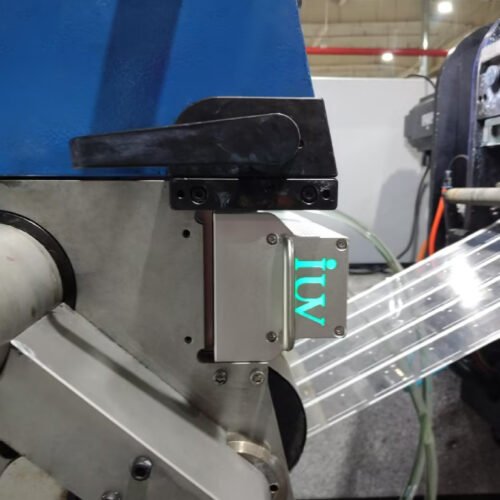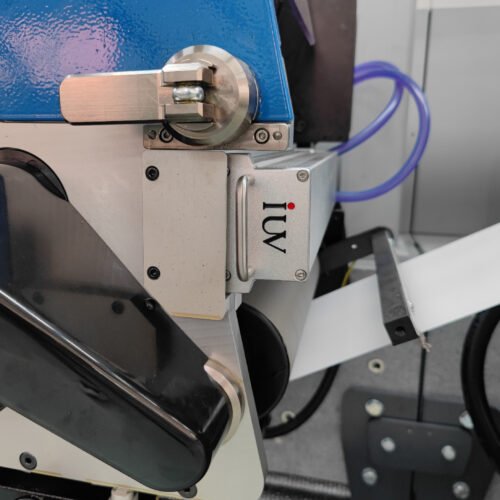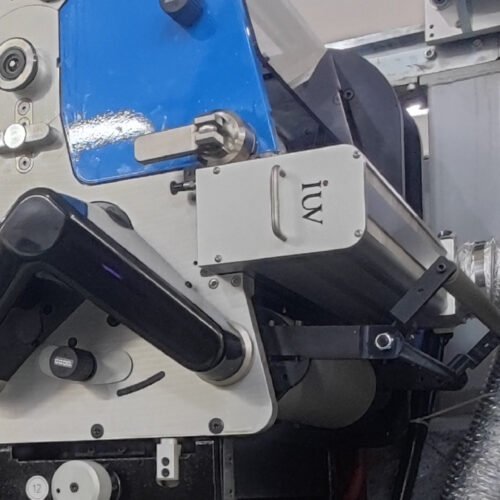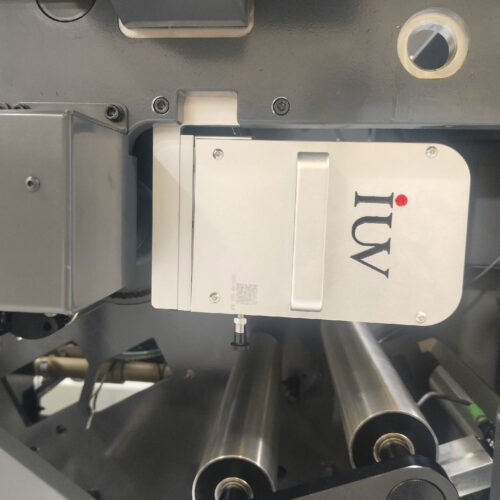
In the fast-paced world of narrow web printing, especially in flexographic and offset applications, achieving a truly deep and thorough ink cure is paramount. It’s not just about surface drying; it’s about ensuring robust adhesion, optimal chemical resistance, and the flawless performance of the final printed product. For years, traditional UV curing methods have been the workhorse, but the advent of next-generation LED UV curing systems is revolutionizing what’s possible, pushing the boundaries of ink penetration and overall cure quality.
Understanding the Challenge of Ink Curing
Ink curing, particularly for UV-curable inks, involves a photochemical reaction. When exposed to UV light, photoinitiators within the ink absorb this energy and generate free radicals or cations. These then initiate a polymerization process, transforming the liquid ink into a solid, cross-linked film.
The challenge in deeper curing lies in ensuring this polymerization happens not just at the surface, but throughout the entire ink layer. Several factors influence this:
- Ink Layer Thickness: Thicker ink films present a greater barrier to UV light penetration. The outer layers can cure quickly, potentially forming a “skin” that shields the uncured ink beneath from the UV energy.
- Ink Formulation: The pigment density and type, as well as the specific photoinitiators and oligomers used, significantly impact how effectively UV light can reach and initiate curing at lower ink depths. Opaque inks, especially whites and strong colorants, can be particularly challenging.
- Substrate Properties: The porosity and reflectivity of the substrate can affect how much UV light is absorbed or reflected, influencing the amount of energy available for curing.
- UV Source Output: The wavelength, intensity, and uniformity of the UV light source are critical. Insufficient intensity or an inappropriate wavelength spectrum will lead to incomplete polymerization.
The Limitations of Traditional Mercury Lamps
Traditional UV curing systems predominantly relied on medium-pressure mercury lamps. While effective for many applications, they come with inherent limitations that directly impact deep curing:
- Broad Spectrum Output: Mercury lamps emit a broad spectrum of UV light, including wavelengths that are not efficiently used by common photoinitiators. This can lead to energy wastage and increased heat generation.
- Heat Generation: These lamps produce substantial heat, which can cause substrate distortion, affect ink viscosity, and even lead to premature drying of the ink before proper polymerization can occur. This heat can also limit the speed of the printing press.
- Ozone Production: Mercury lamps generate ozone, requiring ventilation systems and posing environmental and safety concerns.
- Warm-up/Cool-down Time: They require a warm-up period to reach full output and cool-down time before servicing, impacting press uptime.
- Wavelength Specificity: Their fixed spectral output may not be perfectly matched to the absorption characteristics of all modern photoinitiator systems, hindering optimal deep cure.
The LED UV Revolution: A New Paradigm for Deep Curing
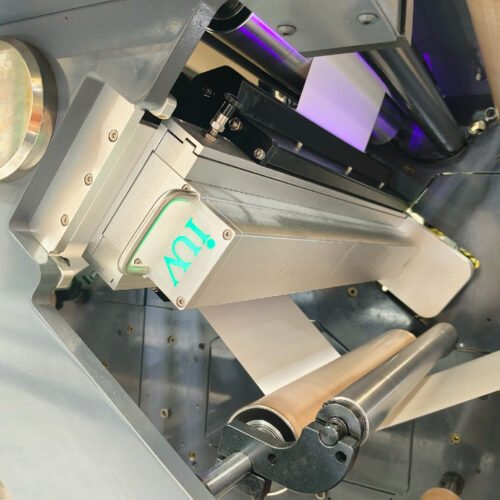
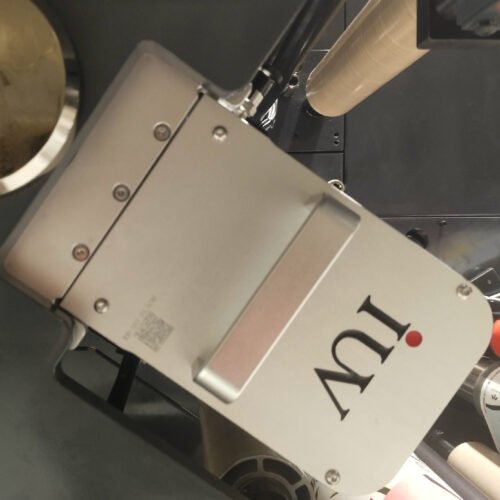
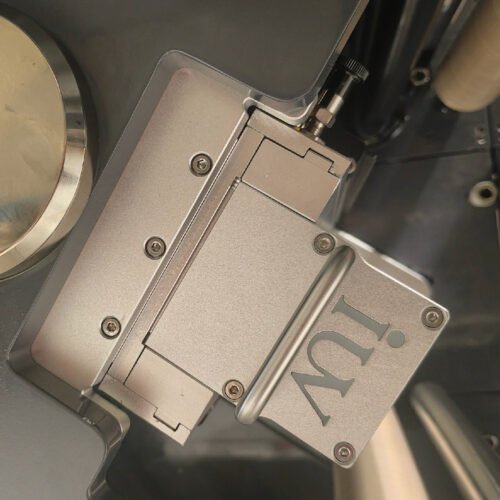
Next-generation LED UV curing systems, specifically those utilizing high-power UV-A LEDs, offer a fundamentally different and superior approach to achieving deep ink cure. The advantages are multi-faceted:
1. Wavelength Specificity and Efficiency
LEDs are designed to emit light within very narrow wavelength bands. For UV curing, the most common bands are 365 nm, 385 nm, 395 nm, and 405 nm. This specificity is a game-changer:
- Targeted Photoinitiation: By matching the LED output wavelength precisely to the absorption peak of the photoinitiators in the ink formulation, virtually all the emitted UV energy is utilized for curing. This drastically improves the efficiency of the curing process.
- Reduced Wastage: Less energy is wasted on wavelengths that don’t contribute to polymerization, leading to more effective curing with less overall power consumption.
- Formulation Synergy: Ink manufacturers are increasingly developing formulations optimized for specific LED wavelengths. This allows for inks that are designed from the ground up to cure deeper and faster under LED light.
2. Higher Irradiance and Uniformity
Modern LED UV systems can deliver significantly higher irradiance (power density) compared to older mercury lamp systems.
- Faster Curing: Higher irradiance means more photons are available to initiate polymerization per unit of time, leading to faster cure speeds. This is crucial for high-speed narrow web presses.
- Uniform Energy Distribution: Unlike mercury lamps, which can have hot spots and less uniform output, well-designed LED arrays provide highly uniform light intensity across the entire curing width. This ensures consistent cure quality from edge to edge, vital for labels and flexible packaging where visual consistency is key.
- Deeper Penetration Potential: While it might seem counterintuitive, the focused energy of LEDs at specific wavelengths, combined with their ability to deliver high, stable irradiance, can actually facilitate deeper penetration and curing in challenging inks. The energy is delivered efficiently where it’s needed most.
3. Minimal Heat Generation
One of the most significant advantages of LED UV curing is its drastically reduced heat output.
- Substrate Integrity: This low heat emission is critical for printing on heat-sensitive substrates like thin films, plastics, and some papers commonly used in label and flexible packaging. It prevents warping, shrinkage, or damage to the substrate.
- Ink Stability: It helps maintain the intended viscosity of the ink and prevents premature drying, allowing for more controlled polymerization.
- Press Speed: Because heat buildup is not a limiting factor, presses can often run at higher speeds, increasing productivity.
4. Instant On/Off and Longevity
LEDs offer immediate full output upon activation and turn off instantly.
- Energy Savings: This means energy is only consumed when curing is required, leading to substantial savings, especially on presses with frequent stops and starts.
- Reduced Wear and Tear: Unlike mercury lamps that degrade over time and require frequent replacement, LEDs have a much longer operational lifespan (often 20,000 hours), reducing maintenance costs and downtime.
- Consistent Performance: Their performance remains remarkably stable throughout their lifespan, unlike mercury lamps which show a gradual decline in output and spectral shifts.
Applications in Narrow Web, Flexo, and Offset Printing
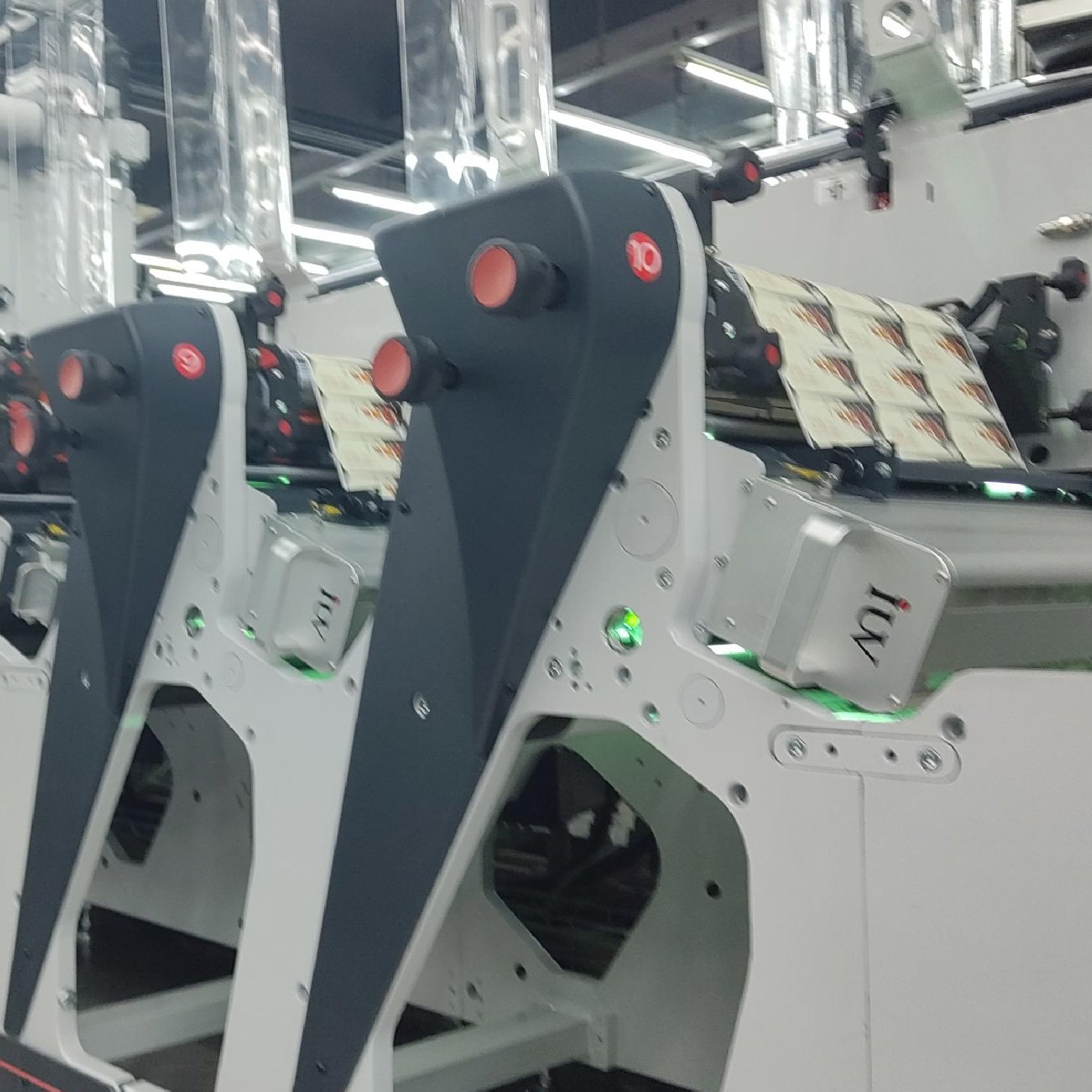
The benefits of next-generation LED UV curing are particularly pronounced in the demanding environments of narrow web, flexographic, and offset printing:
Narrow Web Labels and Packaging
- Versatile Substrates: The low heat of LEDs is ideal for the wide range of plastic films, foils, and papers used in label production.
- Extended Color Gamuts: Achieving a full, vibrant cure with dense colors (like process blacks or deep reds) is easier with targeted LED wavelengths that promote thorough polymerization without excessive heat.
- Specialty Finishes: LED curing is excellent for overprint varnishes (OPVs) and functional coatings, providing scratch and chemical resistance required for durable labels.
- Food Safety Compliance: The precise control and lower heat contribute to meeting stringent food safety regulations for packaging.
Flexographic Printing
- High Speeds, High Quality: Flexo presses often run at very high speeds. LEDs’ ability to provide high, uniform irradiance allows for fast curing without compromising ink film integrity or adhesion, even with thick ink laydowns.
- Spot Colors and Process Colors: Whether it’s vibrant spot colors or intricate process printing, LEDs ensure each ink layer is fully cured, preventing smudging and enhancing color brilliance.
- Adhesion on Difficult Materials: The efficient polymerization facilitated by LEDs improves adhesion on non-porous substrates commonly used in flexible packaging.
Offset Printing (Sheet-fed and Web)
- Enhanced Durability: Offset printing often requires high levels of rub and chemical resistance, especially for commercial prints, packaging, and publications. LEDs deliver a cure that meets these demanding specifications.
- Consistent Color Reproduction: The uniform light output ensures consistent color density and quality across the entire printed sheet or web.
- Reduced VOCs and Odor: LED UV inks are typically low-VOC, and the efficient cure minimizes residual monomers, leading to reduced odor, a significant benefit for print shops and end-users.
- Compact Integration: LED curing units are often more compact than traditional UV systems, making them easier to integrate into existing offset presses.
Ink Formulation for Optimal LED Curing
To truly leverage the power of next-generation LED UV systems, ink formulation is key. Printers and ink manufacturers collaborate to develop inks that:
- Utilize LED-Optimized Photoinitiators: These photoinitiators have absorption spectra that perfectly align with common LED wavelengths (e.g., 365, 385, 395, 405 nm).
- Balance Pigmentation: Formulations are designed to allow UV light to penetrate effectively, even with high pigment loads. This might involve using specific pigment types or optimizing the dispersion.
- Employ Reactive Diluents and Oligomers: The choice of these components influences the ink’s viscosity and its ability to polymerize efficiently under LED light, contributing to a tougher, more durable cure.
- Consider Ink Thickness: Printers can work with ink suppliers to adjust ink laydown for optimal curing, balancing opacity and coverage with the penetration capabilities of LED UV.
Overcoming Challenges and Future Trends
While LED UV curing offers substantial advantages, effective implementation requires understanding:
- Initial Investment: LED systems represent a higher upfront cost than traditional mercury lamps, but this is typically offset by lower running costs and increased productivity.
- Ink Compatibility: Ensuring inks are specifically formulated for LED curing is essential. Printers should consult their ink suppliers.
- Maintenance and Expertise: While LEDs are low-maintenance, understanding the system’s specifications and optimizing parameters for different jobs is crucial for achieving the best results.
The trend is clearly moving towards LED UV technology. We can expect further advancements in LED efficiency, broader wavelength options, and even more sophisticated ink formulations designed to exploit the unique benefits of this technology, enabling printers to achieve unprecedented levels of ink cure quality, speed, and efficiency across all narrow web applications.