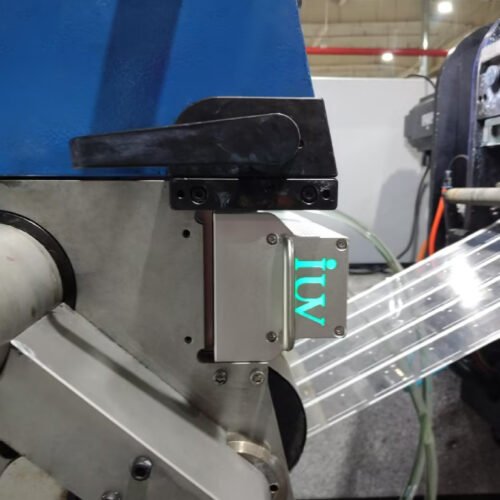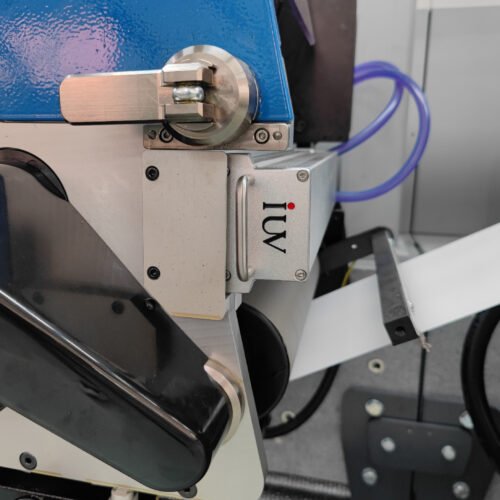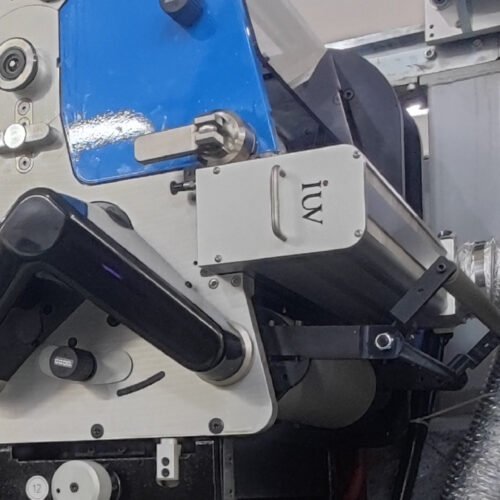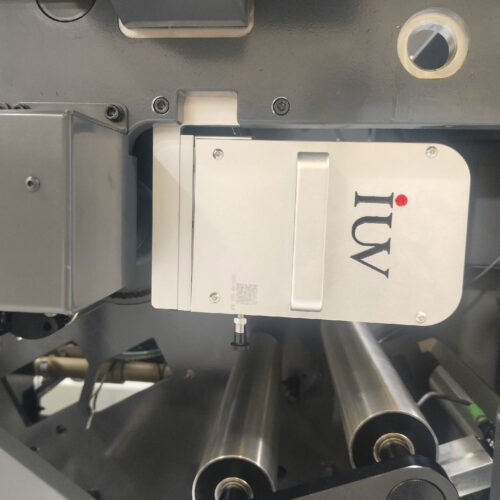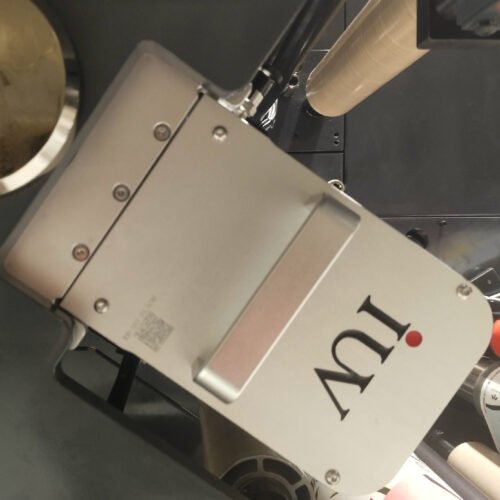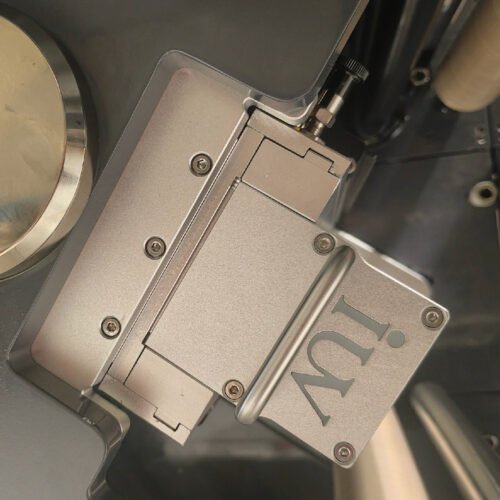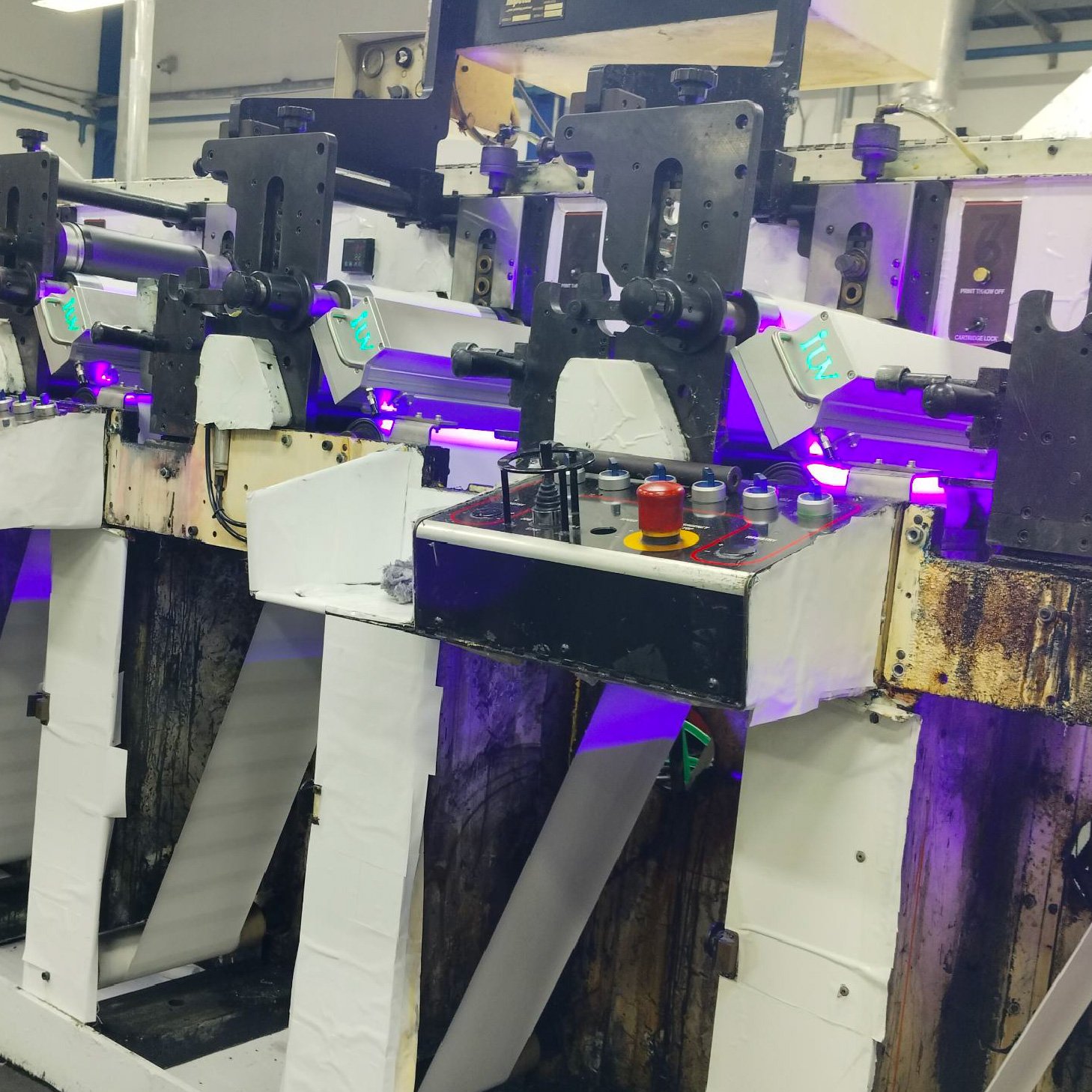
Alright, let’s dive into the fascinating world of LED UV curing and its impact on multilayer label printing. This is a topic that really bridges the gap between cutting-edge technology and practical, high-quality print production.
Enhanced Durability and Resistance
One of the most immediate benefits of LED UV curing systems in multilayer label production is the significant boost in durability and resistance. Multilayer labels often face demanding conditions, whether they’re on food packaging, cleaning supplies, or industrial goods. The inks and coatings cured with LED UV technology form a much tougher, more resilient film compared to traditional methods. This means the labels can withstand abrasion, scratching, and chemical exposure without the print fading, peeling, or becoming illegible. For brands, this translates to a more professional and reliable product presentation throughout its lifecycle.
Superior Ink Adhesion
Achieving excellent ink adhesion is paramount, especially with multilayer constructions where different substrates and inks interact. LED UV curing promotes a powerful chemical bond between the ink and the substrate. This is crucial for labels that need to adhere to various surfaces, including films, foils, and papers, often in challenging environments. The rapid, high-intensity energy from the LEDs drives a more complete and efficient polymerization of the UV-curable inks. This thorough curing process minimizes the risk of delamination or ink lifting, ensuring the integrity of the label even under stress.
Vibrant Color Reproduction
The impact on color vibrancy is another key advantage. LED UV curing systems allow for precise control over the curing process, which in turn influences how inks lay down and cure on the substrate. This leads to sharper dot definition and a broader color gamut. For multilayer labels, where intricate designs and brand colors are critical, this enhanced color reproduction is invaluable. The inks cure without significant shrinkage or yellowing, preserving the original intent of the design. This means your brand colors will pop off the shelf with an intensity and accuracy that resonates with consumers.
Reduced Heat and Energy Consumption
Unlike traditional mercury lamp UV systems, LED UV curing generates very little heat. This is a game-changer for printing heat-sensitive substrates, which are common in multilayer label construction. Materials like thin films and foils can be printed without warping, stretching, or degrading. This opens up new possibilities for material selection and design complexity. Furthermore, LED systems are significantly more energy-efficient. They consume less power and have a much longer lifespan than older lamp technologies, leading to substantial operational cost savings over time.
Faster Curing Speeds and Increased Throughput
The efficiency of LED UV curing directly translates to faster production speeds. The high intensity of LED lamps enables inks to cure almost instantaneously. This rapid curing allows printing presses to run at higher speeds without compromising print quality or the integrity of the cured ink. For narrow-web label printers, where productivity is often measured in meters per minute, this is a significant advantage. Increased throughput means more labels produced in the same amount of time, directly boosting a company’s output and profitability.
Environmental Benefits and VOC Reduction
Sustainability is a growing concern across all industries, and printing is no exception. LED UV curing systems are inherently more environmentally friendly. They don’t produce ozone, a byproduct of mercury lamps, and they contain no mercury. More importantly, UV-curable inks and coatings are 100% solid, meaning they contain no volatile organic compounds (VOCs). This eliminates the emission of harmful VOCs into the atmosphere, contributing to a healthier working environment and a reduced environmental footprint. This is particularly relevant for food and beverage labels where strict regulations on chemical emissions are in place.
Application in Different Printing Methods
The versatility of LED UV curing extends across various printing methods commonly used for multilayer labels:
Flexographic Printing: In flexography, which is a dominant force in narrow-web label printing, LED UV offers remarkable advantages. It allows for higher line screens, resulting in finer details and smoother gradients. The fast curing enables higher press speeds, crucial for high-volume label production. It also improves ink transfer and dot gain control, leading to cleaner, sharper images. The ability to cure effectively on a wide range of substrates, including films and foils used in multilayer constructions, makes it an ideal pairing for flexo.
Offset (Lithographic) Printing: For wider applications or when very high print quality is demanded, offset printing also benefits from LED UV. It ensures inks cure uniformly and quickly, preventing ink set-off on the back of the next sheet or web. This is critical for multi-color runs on multilayer labels where registration and clean transfer are paramount. The reduced heat also protects sensitive substrates often used in these label types.
Digital Printing: While not as widespread for traditional multilayer labels as flexo or offset, digital printing, particularly inkjet, is increasingly capable of producing high-quality labels. LED UV curing is the standard for curing inks in digital printing processes. It allows for instant drying of inkjet inks, enabling high-speed printing and immediate post-processing, which is vital for short runs and variable data printing on multilayer labels.
Considerations for Implementation
While the benefits are clear, there are a few points to consider when adopting LED UV curing for multilayer labels. The initial investment in LED curing units can be higher than traditional systems. However, this is often offset by the long-term savings in energy, lamp replacement, and increased productivity. It’s also important to ensure compatibility between the LED UV system, the inks, and the substrates. Manufacturers offer a wide range of UV-curable inks specifically designed for LED curing, and selecting the right ones is key to achieving optimal results. Proper training for press operators on managing the nuances of LED curing, such as understanding spectral output and ensuring correct exposure, is also beneficial.
The Future of Multilayer Labels
The integration of LED UV curing systems is not just an upgrade; it’s a transformative technology for the multilayer label industry. It provides solutions for enhanced durability, superior print quality, increased efficiency, and greater sustainability. As brands continue to demand more sophisticated and resilient labeling solutions, LED UV curing stands out as a critical enabler. The ability to achieve vibrant colors, robust performance, and faster production cycles on complex multilayer constructions positions this technology as a cornerstone for future label printing innovations.