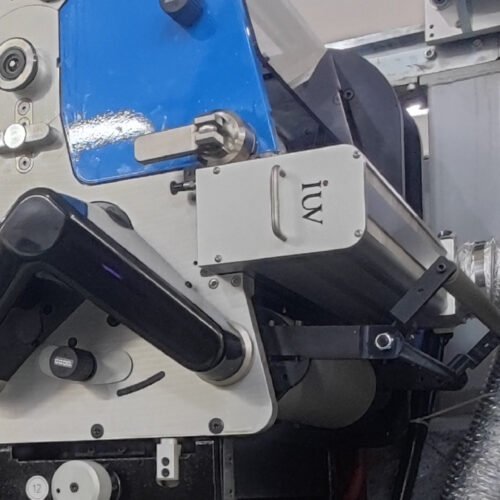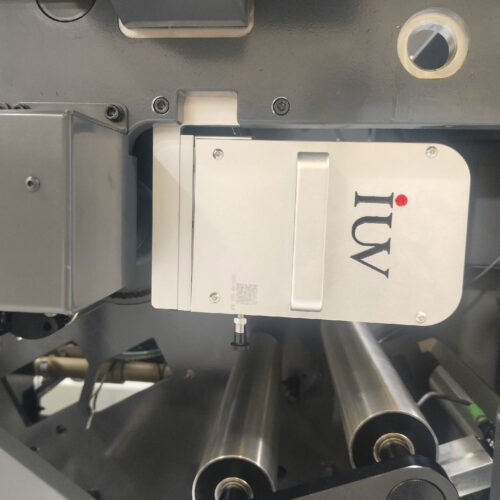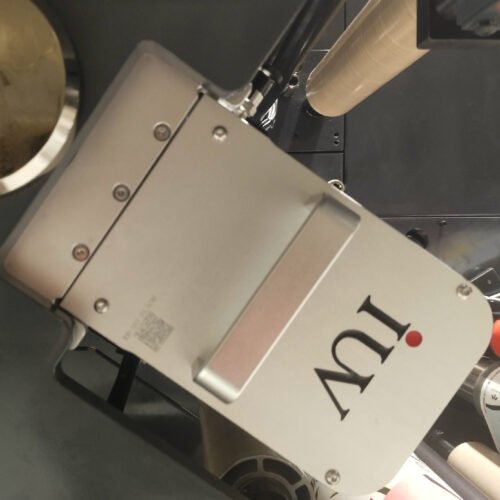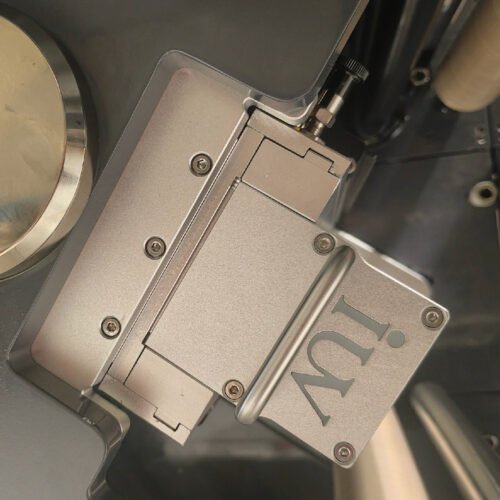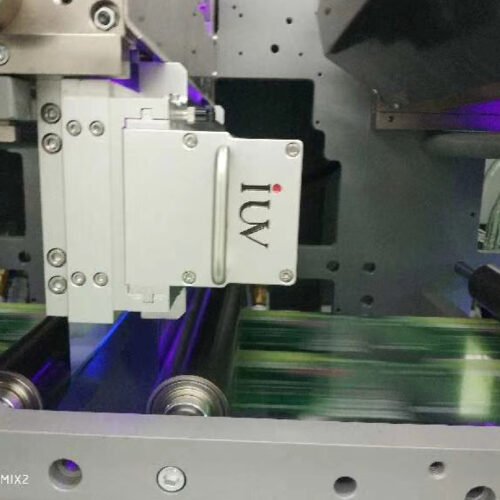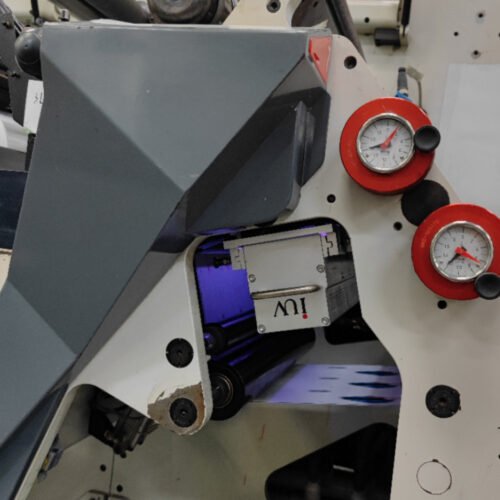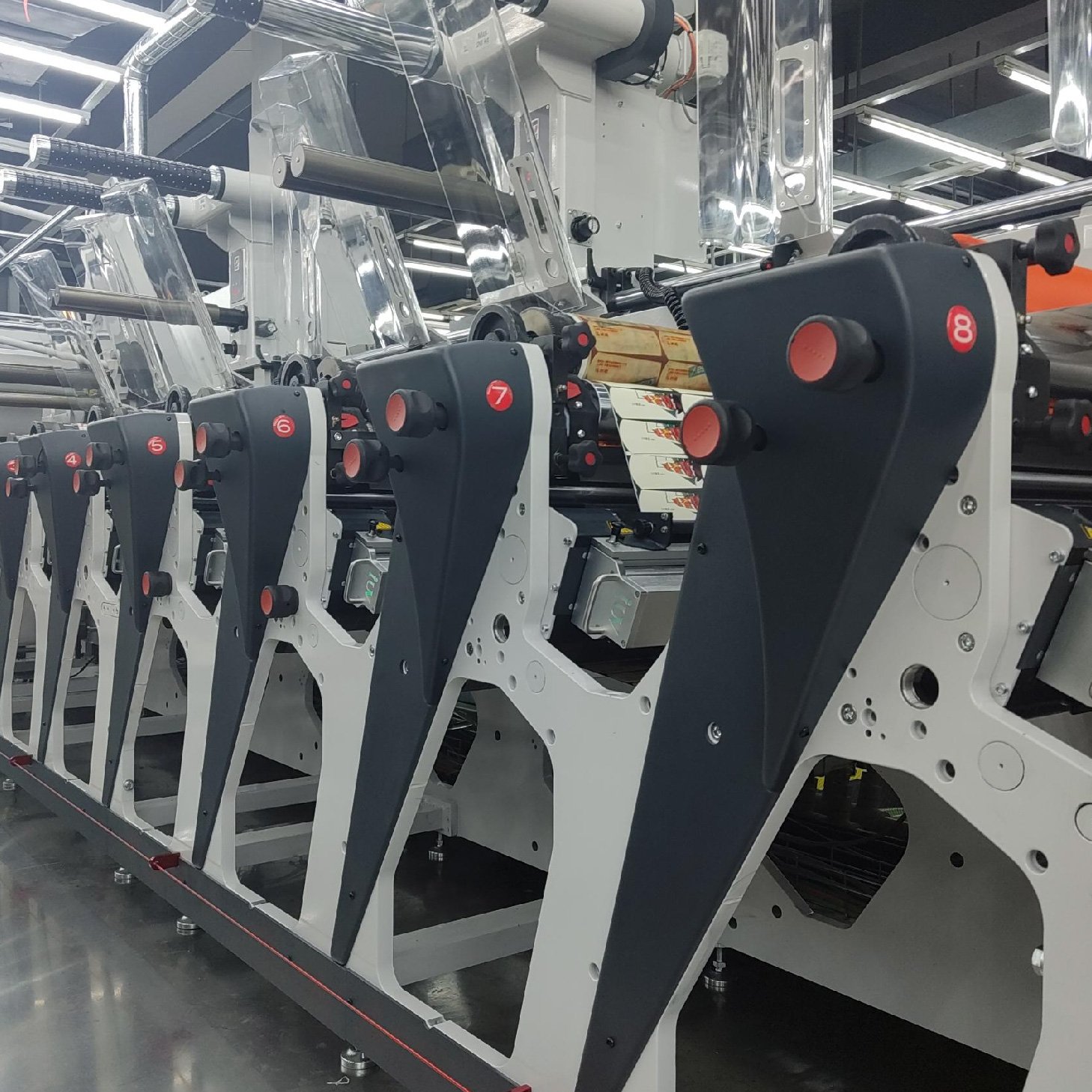
Selecting the appropriate LED UV curing system is a pivotal decision for any printing operation. This choice directly impacts print quality, production speed, and operational costs. With the advancements in LED UV technology, understanding its nuances in relation to specific printing applications becomes paramount. This guide delves into the key considerations for choosing the right LED UV curing system, focusing on its relevance to label, flexographic, offset, and narrow web printing.
The Evolution of UV Curing in Printing
Traditional UV curing systems, often relying on mercury vapor lamps, have long been a staple in the printing industry. These lamps emit a broad spectrum of UV light, which is effective but also generates significant heat and consumes considerable energy. Furthermore, mercury lamps have a limited lifespan and require regular replacement and disposal, posing environmental concerns.
LED UV curing technology represents a significant leap forward. Light Emitting Diodes (LEDs) offer a highly focused spectrum of UV light, precisely tuned to the absorption peaks of UV-curable inks, coatings, and adhesives. This targeted approach leads to more efficient curing, reduced energy consumption, and lower heat generation. The extended lifespan of LEDs also translates to lower maintenance and replacement costs.
Understanding LED UV Curing Technology
At its core, LED UV curing involves using light-emitting diodes to generate ultraviolet radiation. This radiation initiates a photochemical reaction in UV-curable materials, causing them to polymerize and solidify, or “cure.” Unlike broadband UV sources, LEDs emit specific wavelengths. The most common wavelengths used in printing are 365 nm, 385 nm, 395 nm, and 405 nm.
The choice of wavelength is critical. Different ink and coating formulations are designed to cure most efficiently at particular UV wavelengths. For instance, many standard UV inks are optimized for 365 nm or 385 nm. Formulators are increasingly developing inks and coatings specifically for LED curing at these prevalent wavelengths. This precise targeting ensures thorough curing, even in thicker ink layers or at high printing speeds.
Key Parameters of LED UV Curing Systems
When evaluating LED UV curing systems, several technical parameters are crucial:
- Irradiance: This refers to the intensity of UV light delivered to the substrate, typically measured in watts per square centimeter (W/cm²). Higher irradiance generally leads to faster curing speeds. The required irradiance depends on the ink system, coating thickness, and desired production speed.
- Dose (Energy Density): Dose is the total amount of UV energy delivered to the substrate, calculated as irradiance multiplied by exposure time (J/cm²). Even with high irradiance, a sufficient dose is necessary for complete cure.
- Wavelength: As discussed, the specific wavelength or band of wavelengths emitted by the LEDs is vital for efficient curing. Ensure the system’s output matches the requirements of your inks and coatings.
- Cooling System: While LEDs generate less heat than mercury lamps, efficient cooling is still essential for maintaining performance and longevity. Air-cooled systems are common for lower power applications, while water-cooled systems are preferred for higher power units and demanding environments.
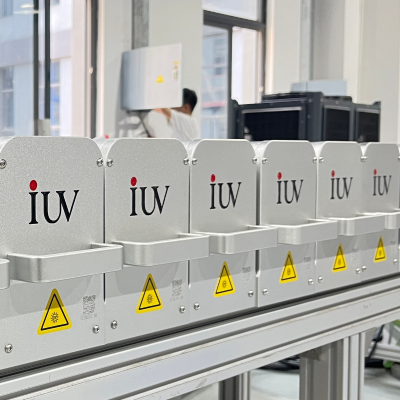
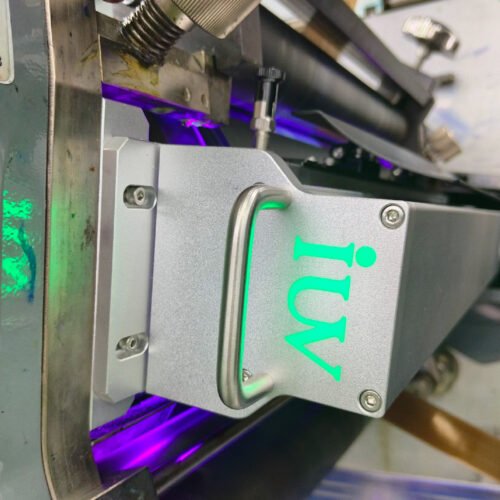
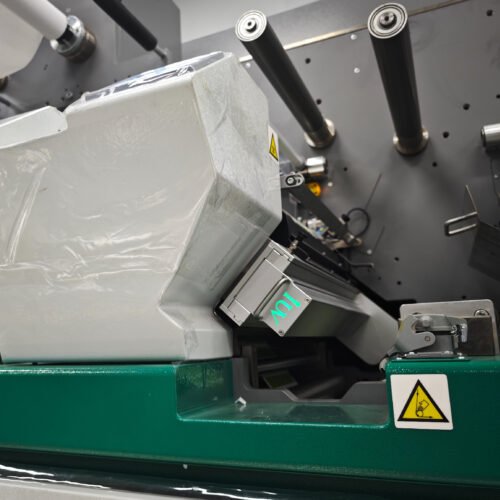
- Lamp Head Design and Integration: The physical design of the lamp head and its ease of integration into your existing printing press are important practical considerations. This includes its footprint, mounting options, and compatibility with your press’s mechanics.
LED UV Curing in Label Printing
Label printing, particularly narrow web applications, has been an early adopter of LED UV curing. The demand for high-quality, durable labels that can withstand various environmental conditions necessitates reliable curing.
For label printers, LED UV offers several advantages:
- Reduced Substrate Temperature: Labels are often printed on heat-sensitive materials like thin films or foils. The low heat output of LED UV prevents substrate distortion or damage, unlike traditional UV systems.
- Faster Turnaround Times: The efficiency of LED curing allows for immediate handling and further processing of labels, reducing bottlenecks and enabling quicker delivery to customers.
- Versatility: LED UV systems can cure a wide range of inks and varnishes, enabling label printers to offer diverse finishes and functionalities, from high-gloss coatings to matte effects and specialty finishes.
- Environmental Benefits: The reduced energy consumption and absence of mercury contribute to a more sustainable printing process, which is increasingly valued by brand owners.
When selecting an LED UV system for label printing, consider the specific printing processes (flexo, digital, offset) and the types of inks and coatings being used. Compatibility with existing press speeds and the ability to cure thick layers of ink or varnish are also key.
Flexographic Printing and LED UV
Flexographic printing is widely used for packaging and labels. Its inherent characteristics, such as the use of flexible printing plates and a raised image carrier, benefit significantly from LED UV curing.
In flexo, LED UV systems provide:
- Consistent Cure Across the Web: The uniform beam profile of LED lamps ensures consistent curing across the entire width of the substrate, preventing variations in print quality.
- Enhanced Ink Transfer: By achieving rapid and complete ink solidification, LED UV can improve ink transfer and detail reproduction, leading to sharper images and text.
- Thicker Ink Laydowns: Flexography sometimes requires thicker ink laydowns for vibrant colors or specific tactile effects. LED UV’s efficient curing can handle these thicker layers without compromising the cure depth.
- Reduced VOCs: UV-curable inks used in flexo printing are typically solvent-free, and LED curing ensures their complete polymerization, minimizing Volatile Organic Compounds (VOCs) in the print environment.
For flexographic applications, the ability of the LED UV system to be positioned closely to the print stations and to deliver sufficient irradiance at high press speeds is critical. The lamp head design should allow for easy access for cleaning and maintenance.
Offset Printing with LED UV
Offset lithography, particularly sheetfed and web offset, can also leverage LED UV technology. While offset inks traditionally rely on oxidation and evaporation for drying, UV-curable offset inks offer faster curing and enhanced durability.
Key advantages of LED UV in offset printing include:
- Instant Drying: This eliminates the need for drying towers, significantly reducing the footprint of offset presses and allowing for immediate finishing operations like stacking or coating.
- Enhanced Rub Resistance and Durability: UV-cured inks provide superior resistance to abrasion, chemicals, and fading compared to conventional inks.
- Improved Print Finish: LED UV can cure high-gloss varnishes and coatings, achieving a premium aesthetic for marketing materials, book covers, and packaging.
- Reduced Makeready Times: The rapid curing allows for quicker job changeovers.
When integrating LED UV into offset presses, factors such as the press’s existing sheet transfer mechanisms and the need for consistent curing across the entire sheet or web are important. The wavelength compatibility with UV offset inks is also a primary consideration.
Narrow Web Printing and Its Specific Needs
Narrow web printing encompasses a wide range of applications, from labels and flexible packaging to tickets and specialty films. This sector is characterized by high-volume, high-speed production.
For narrow web printers, LED UV systems offer:
- Compact Footprint: LED lamp heads are generally more compact than traditional UV systems, which is a significant advantage on space-constrained narrow web presses.
- Energy Efficiency: The lower energy consumption of LEDs translates directly to reduced operating costs, a critical factor in competitive narrow web markets.
- Longer Component Lifespan: The extended operational life of LEDs minimizes downtime for replacements and maintenance, maximizing productivity.
- Flexibility for Diverse Applications: Whether printing on paper, film, or foil, the right LED UV system can provide the necessary curing power for various inks, coatings, and adhesives used in narrow web printing.
Choosing the right system involves assessing the maximum press speed, the required curing energy for the specific job, and the physical space available for lamp head installation.
Making the Final Decision
When choosing an LED UV curing system, it’s advisable to:
- Consult Your Ink and Coating Suppliers: They are the best resource for recommending the specific LED wavelengths and irradiance levels required for their products to cure optimally.
- Understand Your Press Capabilities: Assess the maximum speed of your press, the available mounting points for lamp heads, and any cooling infrastructure you might have.
- Consider Future Needs: Think about the types of jobs you anticipate running in the future. Will you need to cure different substrates, inks, or coatings?
- Perform Thorough Testing: Whenever possible, conduct on-press trials with your chosen LED UV system and your typical substrates, inks, and coatings. This real-world testing is invaluable.
- Evaluate the Manufacturer’s Support: Look for reputable manufacturers with a proven track record in providing reliable LED UV curing solutions and excellent technical support.
By carefully considering these factors and understanding the specific demands of your printing application, you can confidently select an LED UV curing system that will enhance your productivity, improve your print quality, and contribute to a more efficient and sustainable operation.