In the dynamic realm of label production, particularly for short runs, efficiency and adaptability are king. Printers are constantly seeking ways to optimize their processes, reduce waste, and meet ever-changing client demands. While traditional UV curing has been a staple, the advent of LED UV technology offers a suite of benefits that are often not fully appreciated, especially when it comes to those smaller, high-frequency print jobs.
For narrow web converters, the ability to quickly switch between jobs, handle diverse substrates, and deliver vibrant, durable labels without extended drying times is paramount. This is precisely where LED UV curing truly shines, moving beyond simple drying to offer a more intelligent and cost-effective solution.
The Traditional Hurdles of Short-Run Label Printing
Short-run label production presents a unique set of challenges. The economics often dictate faster changeovers, minimal setup waste, and the ability to accommodate a wide array of inks and finishes. Traditionally, printers might have relied on heat-set inks, which require significant drying time and energy. Even conventional UV systems, while faster, come with their own set of drawbacks for this specific application.
High energy consumption is a significant factor. The mercury vapor lamps used in conventional UV curing systems generate substantial heat and consume a considerable amount of electricity. This translates directly into higher operating costs, a concern for any print shop, but especially one juggling multiple small jobs. Furthermore, these lamps have a finite lifespan and require regular replacement, adding to both material and maintenance expenses.
Another issue is the spectral output of traditional lamps. They emit a broad spectrum of UV light, including infrared, which contributes to unwanted heat on the substrate. This can be problematic when working with heat-sensitive materials like certain films or thin papers, potentially leading to warping or degradation of the label stock. The waste heat also adds to the overall temperature of the pressroom, requiring additional cooling systems.
Enter LED UV: A Cooler, Smarter Approach
LED UV curing technology represents a significant evolutionary step. Instead of a broad spectrum of light, LEDs emit a narrow, specific wavelength of UV light. This focused energy is highly efficient at initiating the photo-initiators within UV-curable inks and coatings, leading to rapid polymerization and a fully cured film.
This precision targeting is a game-changer for short-run label production. Firstly, it dramatically reduces heat generation. Because the LEDs emit very little infrared radiation, the substrate remains much cooler throughout the curing process. This expands the range of materials that can be printed without issue, opening up possibilities for more delicate and specialized label stocks. Imagine printing directly onto thin, flexible films or even certain types of plastics without the worry of thermal distortion.
The energy efficiency is another major advantage. LEDs consume significantly less power than their mercury vapor counterparts. This reduction in electricity usage translates into tangible cost savings, a welcome relief for any printer looking to improve their bottom line. For short-run jobs, where the press might be stopped and started more frequently, this consistent energy saving becomes even more pronounced.
Enhanced Ink Performance and Substrate Versatility
LED UV inks are formulated to work synergistically with the specific wavelengths emitted by LED lamps. This often results in exceptionally vibrant colors and superior adhesion, even on challenging substrates. The rapid curing process locks the ink onto the surface almost instantaneously, creating a durable and scratch-resistant finish.
For printers handling a variety of short-run jobs, this means less concern about ink adhesion on different materials. Whether it’s paper, various types of plastics, or even metallic foils, LED UV technology often provides excellent results. The rapid cure also means that labels can be handled, stacked, or further processed immediately after printing, eliminating bottlenecks in the finishing stages.
Consider the implications for specialized labels. Need a high-gloss finish for a cosmetic product? A matte varnish for a premium beverage label? Or perhaps a textured effect for a luxury goods tag? LED UV systems, coupled with the right inks and coatings, can deliver these finishes efficiently and effectively on short runs, allowing printers to offer a wider range of value-added services.
Reducing Waste and Downtime
One of the most compelling benefits of LED UV curing for short-run production is its impact on waste reduction. Traditional UV lamps, with their longer warm-up and cool-down periods, often necessitate running a certain amount of material during startup and shutdown to ensure proper curing. LEDs, on the other hand, offer instant on/off capabilities.
This means that when a job changes, the LED lamps can be switched off immediately, preventing wasted ink and substrate. The minimal warm-up time also allows for faster job changeovers, as the curing system is ready to perform almost instantly. This reduction in setup waste and faster turnaround times directly contributes to improved profitability for short-run orders.
Furthermore, the lifespan of LED lamps is significantly longer than that of traditional mercury vapor lamps. While mercury lamps might last for 1,000-2,000 hours, LED systems can operate for 20,000 hours or more. This drastically reduces the frequency of lamp replacements, minimizing downtime for maintenance and lowering consumable costs. This enhanced reliability is invaluable when trying to maintain tight production schedules for a variety of clients.
The Economic Equation for Narrow Web Converters
When evaluating the total cost of ownership, the initial investment in an LED UV system might appear higher. However, for narrow web converters focused on short-run label production, the long-term economic advantages are substantial. The reduction in energy consumption, lower consumable costs (less frequent lamp replacement), and decreased waste from setup all contribute to a significantly improved operational budget.
The ability to print on a wider range of substrates and offer more sophisticated finishes can also lead to new revenue streams and increased client satisfaction. The flexibility to adapt quickly to new demands and produce high-quality labels with minimal fuss positions printers using LED UV technology as a more competitive and reliable partner.
Moreover, the environmental benefits of LED UV curing should not be overlooked. Lower energy consumption translates to a reduced carbon footprint. The absence of mercury in LED lamps also makes them a more environmentally friendly option compared to traditional UV systems. As sustainability becomes an increasingly important consideration for businesses, this can be a significant differentiator.
Integrating LED UV into Flexographic and Offset Presses
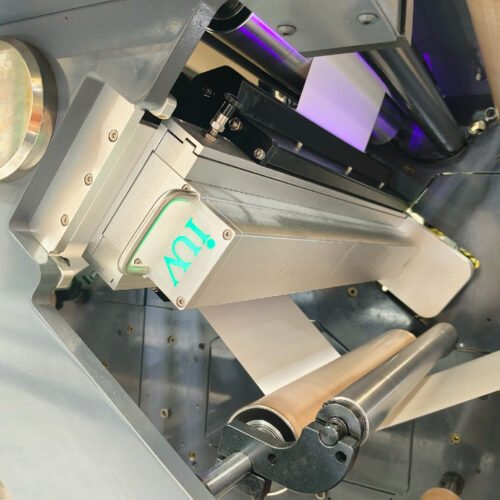
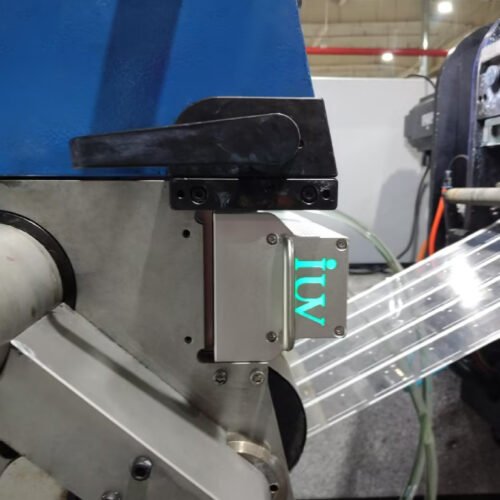
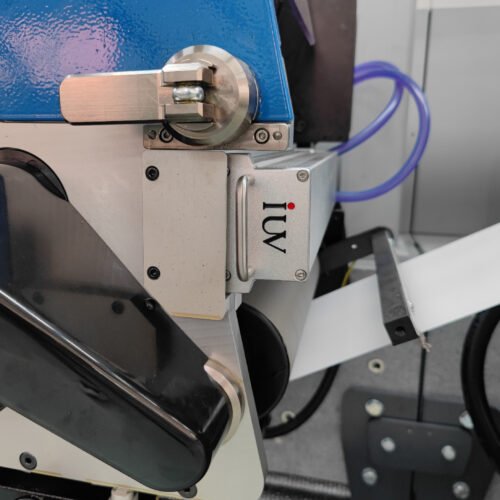
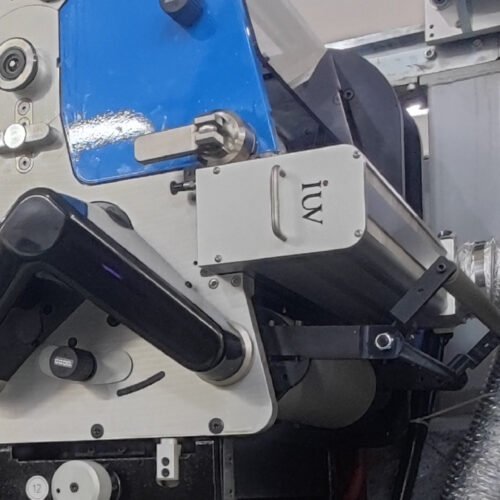
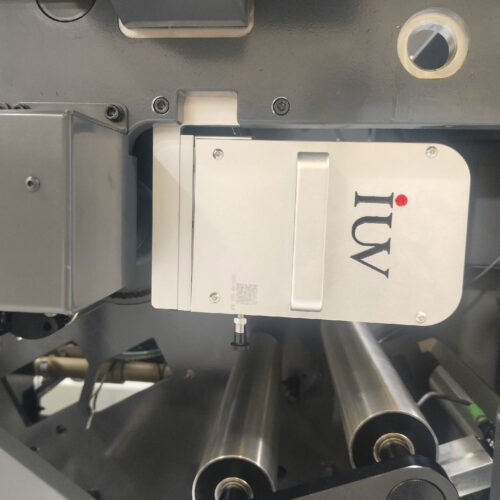
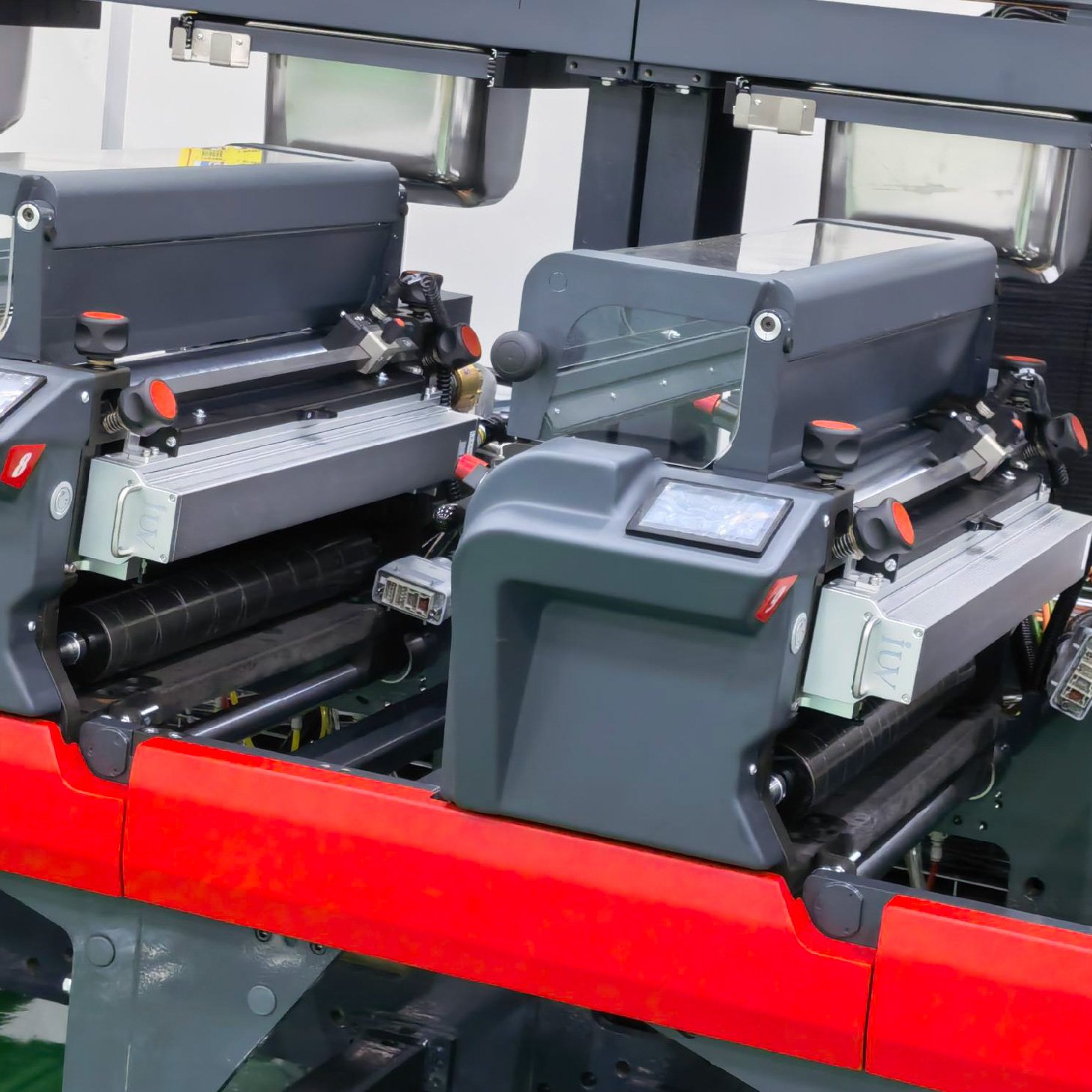
The integration of LED UV curing systems into both flexographic and offset narrow web presses is a mature and proven technology. Many press manufacturers now offer these systems as standard options or retrofits. For flexographic printers, the ability to achieve instant curing on a variety of inks, including water-based and UV, opens up new possibilities for faster speeds and improved print quality, especially with the demands of high-resolution graphics and fine text common in short-run label work.
In offset narrow web printing, where precise ink laydown and sharp detail are critical, LED UV curing ensures that the ink is locked in place immediately, preventing smudging or offsetting during subsequent processes. This is particularly beneficial when overlaying different colors or applying specialty coatings in a single pass.
The choice between different LED wavelengths (e.g., 365nm, 385nm, 395nm, 405nm) allows for optimization based on the specific ink formulations being used. This level of control ensures maximum curing efficiency and optimal results for each job.
Conclusion: A Smarter Investment for the Future
For label printers navigating the complexities of short-run production, LED UV curing systems are more than just a drying technology; they are a strategic investment. They offer a compelling blend of efficiency, versatility, and cost-effectiveness that directly addresses the core challenges of this market segment. From reduced energy bills and lower consumable costs to enhanced substrate compatibility and minimized waste, the hidden benefits of LED UV are now too significant to ignore. Embracing this technology can pave the way for greater profitability, increased competitiveness, and a more sustainable printing operation.