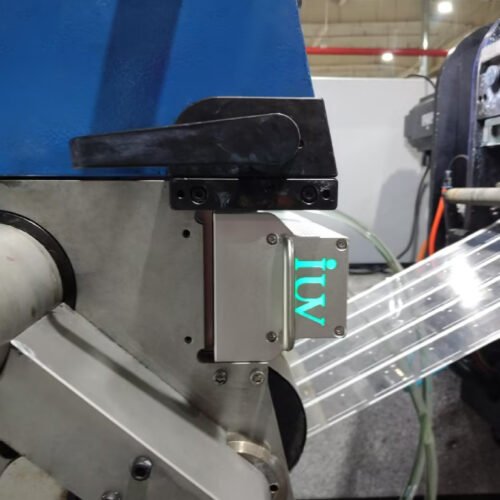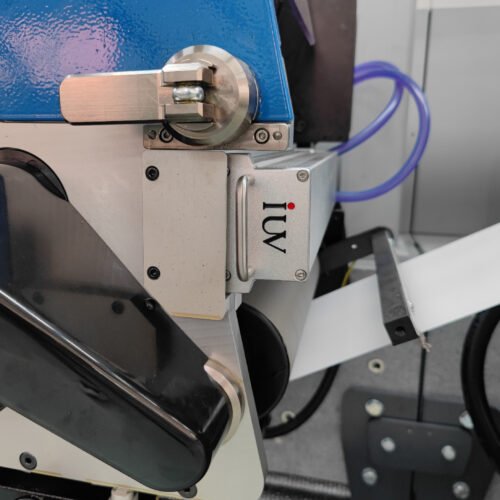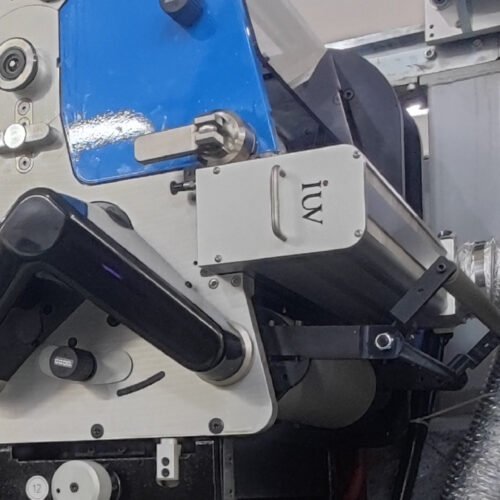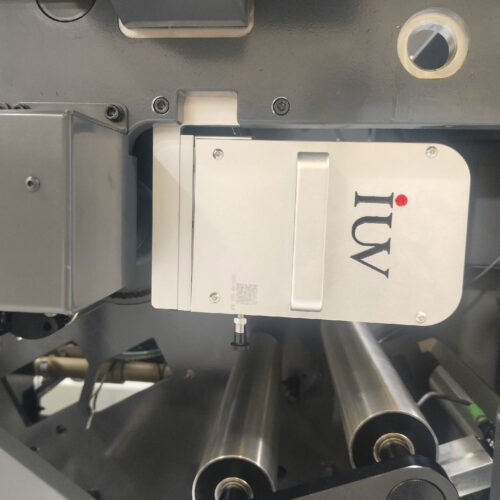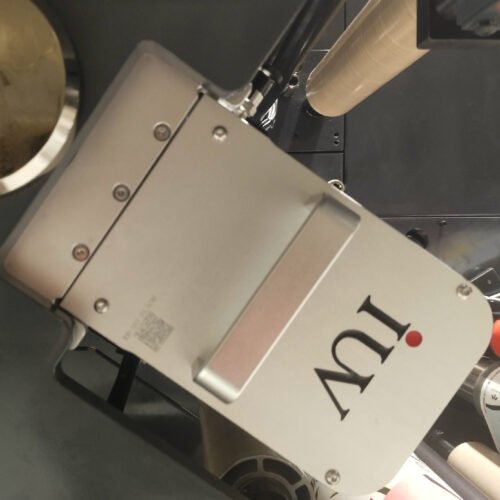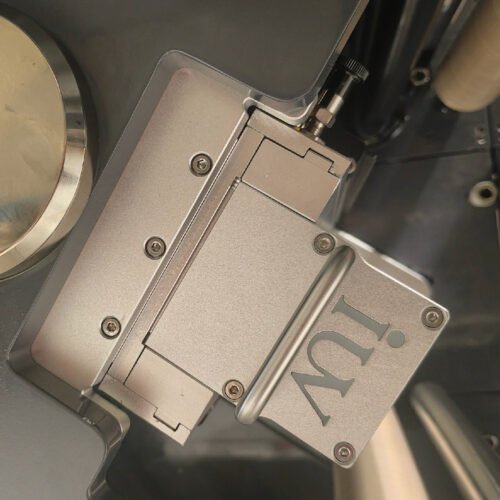
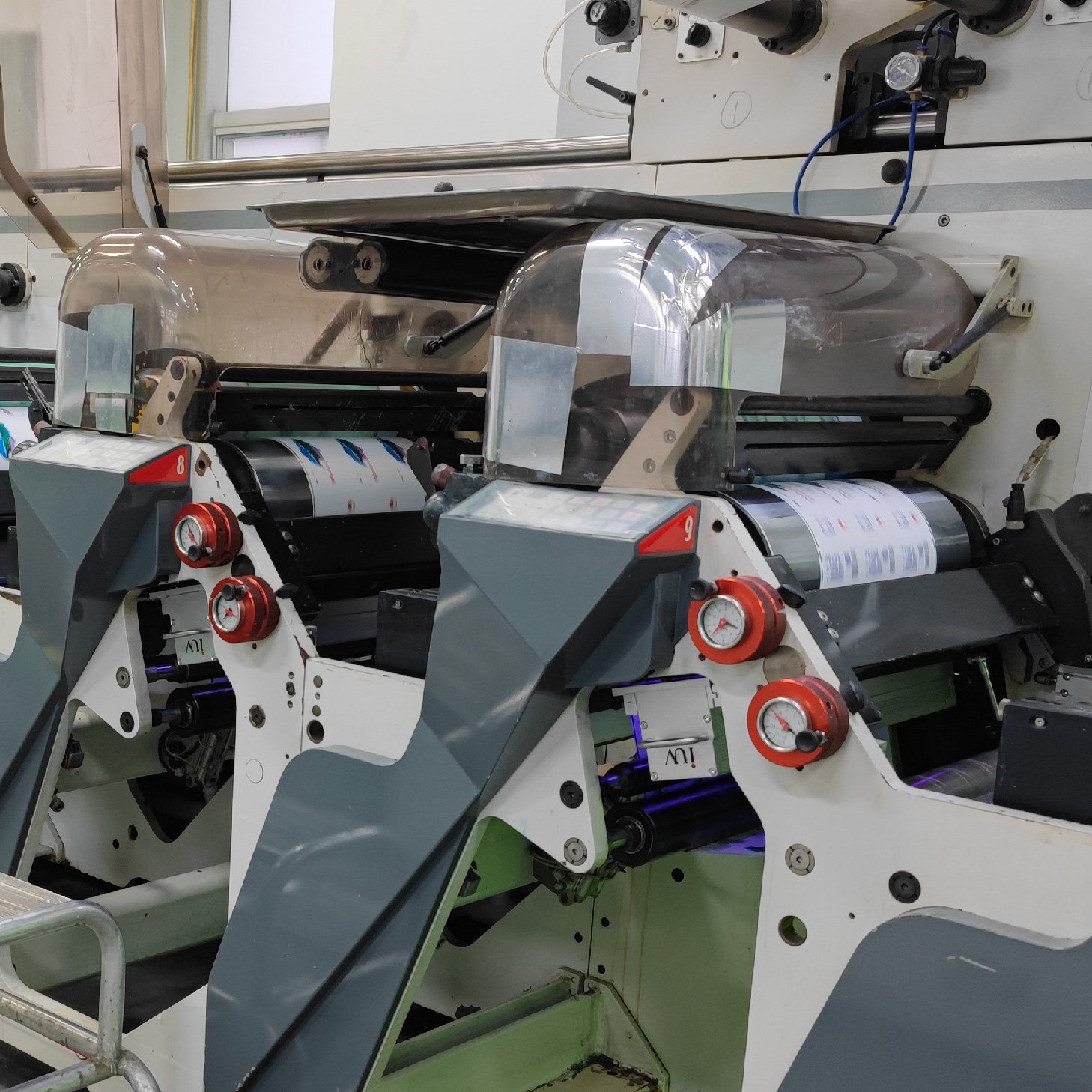
The synergy between ink chemistry and LED UV curing systems is fundamental to achieving optimal print quality and efficiency. This relationship is particularly critical in demanding printing applications such as label printing, flexography, offset printing, and narrow web printing. Understanding how ink formulations interact with LED UV technology can unlock significant performance improvements.
Understanding LED UV Curing Technology
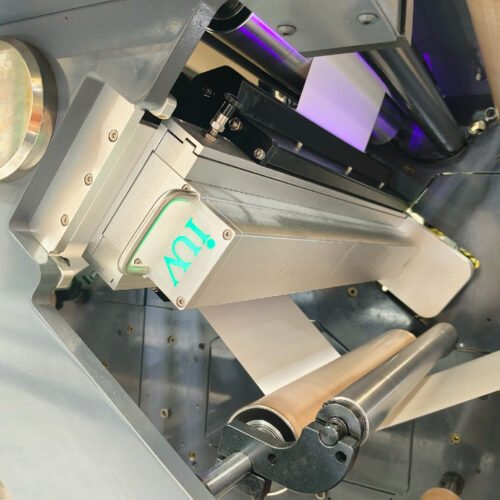
LED UV curing utilizes light-emitting diodes to generate ultraviolet (UV) light. Unlike traditional mercury vapor lamps, LEDs offer a more targeted and efficient wavelength output. This precise emission spectrum is crucial for activating specific photoinitiators within the ink. The benefits of LED UV curing include lower energy consumption, reduced heat output, longer lamp life, and instant on/off capabilities. These advantages translate into faster production speeds and a more sustainable printing process.
The Role of Ink Chemistry in UV Curing
Ink chemistry dictates how an ink behaves during the curing process. For UV curing, inks contain monomers, oligomers, photoinitiators, and pigments. When exposed to UV light, photoinitiators absorb energy and generate free radicals. These free radicals then initiate a polymerization reaction, rapidly transforming the liquid ink into a solid, durable film.
The choice of photoinitiator is paramount. It must efficiently absorb the specific wavelengths emitted by the LED system. Different LED systems emit light in distinct bands, often centered around 365 nm, 385 nm, 395 nm, or 405 nm. An ink formulated with photoinitiators optimized for these wavelengths will cure faster and more completely.
Ink Components and Their Impact
- Monomers and Oligomers: These are the building blocks of the UV-curable ink. Their viscosity and reactivity influence the curing speed and the final properties of the printed film, such as adhesion, flexibility, and chemical resistance. Lower viscosity monomers can improve printability but might require careful selection to ensure adequate film formation.
- Photoinitiators: As mentioned, these are essential for initiating the polymerization process. Their absorption spectrum must align with the LED’s output. Insufficient photoinitiator or one with a mismatched spectrum will lead to incomplete curing, resulting in soft prints, poor scratch resistance, and potential migration issues.
- Pigments: Pigments provide color but can also interfere with UV light penetration. Dark or heavily pigmented inks require careful formulation. The photoinitiators must be able to reach the lower layers of the ink film to ensure thorough curing. This often involves using photoinitiators with broader absorption ranges or specific combinations that can overcome pigment interference.
- Additives: Various additives, such as adhesion promoters, slip agents, and defoamers, are used. Their compatibility with the UV system and their potential to absorb UV light must be considered during formulation.
Optimizing for Specific Printing Processes
Label Printing
In label printing, particularly for narrow web applications, speed and efficiency are key. LED UV curing systems enable high-speed printing on a variety of substrates, including films and papers. The ink chemistry must ensure excellent adhesion to these diverse surfaces. For applications like food packaging, low-migration inks are essential, which places further demands on the photoinitiator selection and curing efficiency to minimize unreacted components.
Flexographic Printing
Flexography relies on flexible printing plates and a wide range of substrates, from plastics to corrugated board. LED UV flexo inks are formulated for rapid curing on press. The ink’s rheology must be suitable for the anilox roll transfer, and the curing response needs to be fast enough to prevent ink buildup on the plates at high speeds. The viscosity and surface tension of the ink are critical for clean dot reproduction.
Offset Printing (Sheetfed and Web)
In offset printing, inks are transferred via a series of rollers. LED UV offset inks are designed to cure quickly after printing. Sheetfed offset requires inks that can withstand handling soon after exiting the press. Web offset, often used for publications and packaging, demands inks that cure reliably at very high speeds. The ink formulation must balance good flow properties with rapid polymerization under LED UV light.
Narrow Web Printing
Narrow web printing encompasses label and packaging applications that use narrower rolls of material. This sector heavily utilizes flexography and digital printing, both of which benefit greatly from LED UV curing. The tight integration of ink chemistry with the specific LED emitter wavelengths is crucial for achieving sharp details, vibrant colors, and durable finishes on small-format products. The ability of the ink to cure through opaque or metallic pigments without compromising substrate integrity is a significant challenge addressed by advanced ink chemistry.
Challenges and Solutions
- Ink Mismatch: Using an ink not specifically designed for LED UV curing, or for a different LED wavelength, will result in poor curing. This can manifest as a tacky surface, poor adhesion, and potential migration of uncured components. Solution: Always select inks certified for your specific LED UV system and its wavelength. Work closely with ink manufacturers to ensure optimal compatibility.
- Through-Cure: Inks with high pigment loads or thick film thicknesses can be difficult to cure completely. The UV light may only cure the surface, leaving the bulk of the ink uncured. Solution: Formulate inks with photoinitiators that have good penetration characteristics or use a combination of photoinitiators that activate at different wavelengths or depths. Optimize curing intensity and exposure time.
- Adhesion Issues: Inks may not adhere properly to certain substrates, especially challenging plastics or treated surfaces. Solution: Incorporate adhesion promoters into the ink formulation or ensure the substrate is adequately primed or surface-treated. The curing process itself can also enhance adhesion by creating chemical bonds with the substrate.
- Heat Sensitivity: While LEDs produce less heat than traditional lamps, some sensitive substrates can still be affected. Solution: Formulate inks that require lower curing energy or optimize the LED system’s power output and cooling to minimize heat transfer to the substrate.
The Future of Ink Chemistry and LED UV Curing
The ongoing development in both ink chemistry and LED UV technology is continuously pushing the boundaries of what is possible in printing. New photoinitiator systems are being developed to work more efficiently with specific LED wavelengths and to overcome challenges like pigment absorption and oxygen inhibition. Furthermore, the drive for sustainability is leading to the development of bio-renewable or low-VOC UV-curable inks.
For printers, staying informed about these advancements is crucial. Partnering with ink suppliers who are at the forefront of UV ink development and understanding the specific requirements of your LED UV curing system will ensure that you can achieve the highest levels of quality, efficiency, and innovation in your printing operations. The precise control offered by LED UV systems, coupled with intelligently designed ink formulations, provides a powerful platform for meeting the evolving demands of the print market.