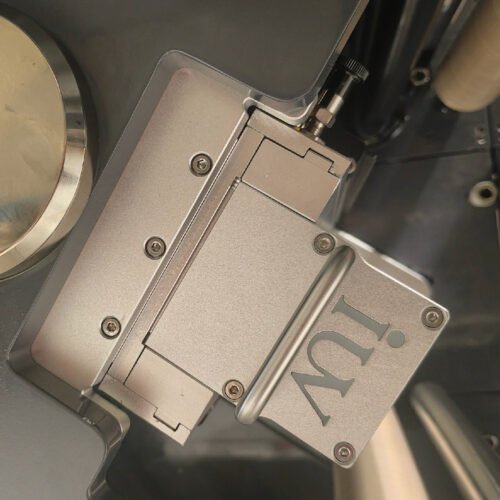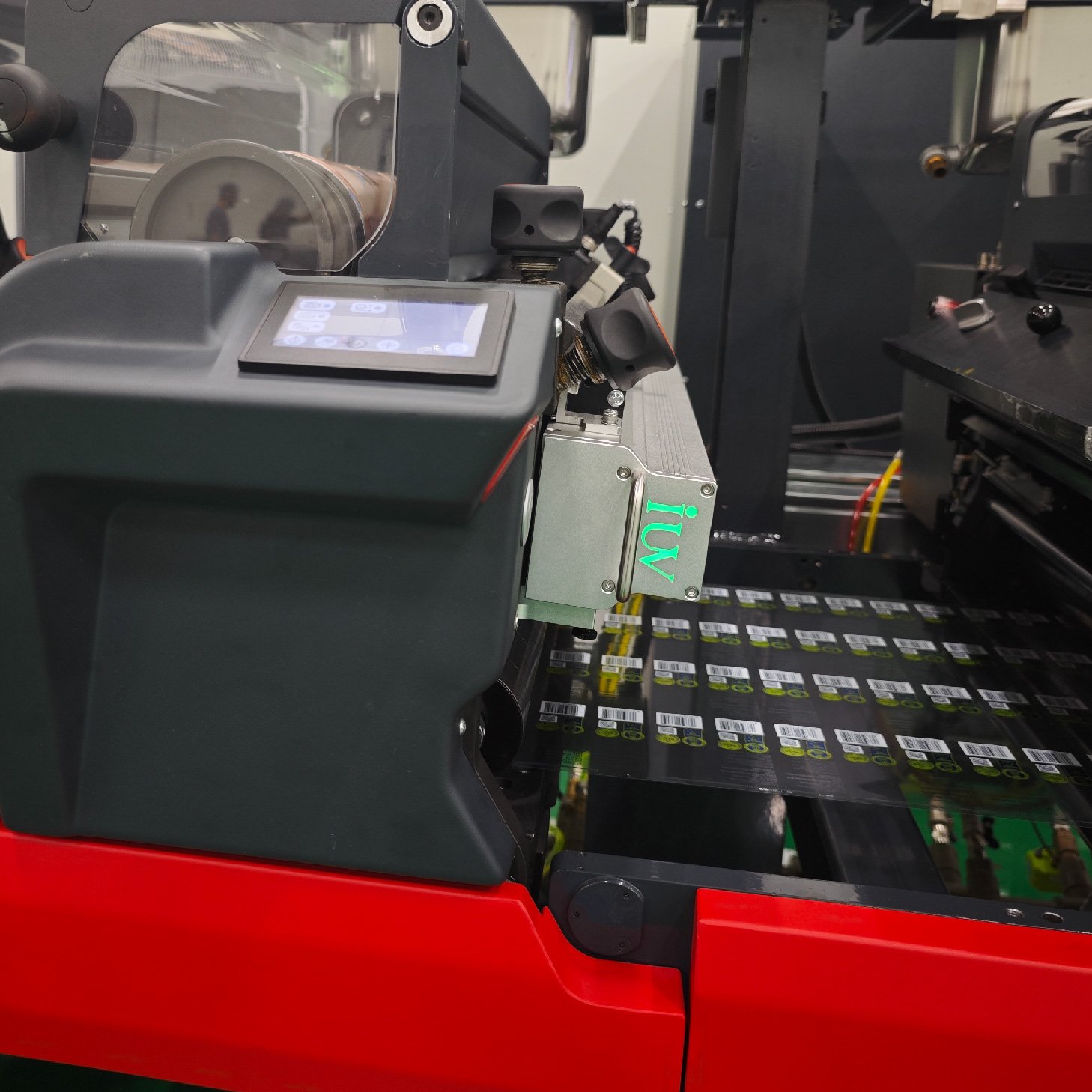
The printing industry is constantly evolving, seeking greater efficiency, improved quality, and more sustainable practices. Within this landscape, LED UV curing systems have emerged as a transformative technology. The latest generation of these systems goes beyond basic functionality, integrating sophisticated “smart control” features. These advancements are particularly impactful in demanding print sectors like label printing, flexible packaging, and narrow web applications. Understanding these smart features is key to unlocking new levels of performance and operational excellence.
The Evolution of UV Curing: From Mercury Lamps to LED
For decades, mercury vapor lamps were the standard for UV curing in printing. While effective, they presented challenges. These lamps consume significant energy, produce substantial heat, and have a finite lifespan, requiring frequent replacement. The emitted spectrum was also broad, often leading to unwanted heating of the substrate.
The advent of LED UV curing marked a significant shift. Light Emitting Diodes offer a highly focused UV spectrum, enabling faster curing speeds and better energy efficiency. They also boast a much longer operational life, reducing downtime and waste. However, early LED systems were often simpler, relying on manual adjustments for power and exposure. The true revolution lies in the “smart” capabilities now being integrated, allowing for dynamic and precise control over the curing process.
What are Smart Control Features in LED UV Curing?
Smart control refers to the integration of advanced electronics, sensors, and software into LED UV curing systems. These features allow the system to adapt to changing conditions, optimize performance automatically, and provide valuable data for process monitoring and improvement. Instead of a one-size-fits-all approach, smart systems offer tailored curing for specific jobs and materials.
This sophistication is not just about convenience; it translates directly into tangible benefits for printers. It means more consistent color, better adhesion, reduced energy consumption, and increased press uptime. For applications in label printing, where vibrant colors and sharp details are paramount, and for flexible packaging, where adhesion and scuff resistance are critical, these smart features make a substantial difference.
Key Smart Control Features and Their Impact
Several key smart control features are defining the current generation of LED UV curing technology. Each plays a vital role in enhancing the printing process.
1. Real-time Power Modulation and Intensity Control
Traditional UV systems often operate at a fixed power output. Smart LED UV systems, however, can dynamically adjust their intensity in real-time. This is crucial for several reasons. Different inks, coatings, and substrates require specific UV doses for optimal curing. A smart system can be programmed to deliver the exact amount of UV energy needed for each layer or job, preventing under-curing (leading to poor adhesion or scratch resistance) or over-curing (which can cause material degradation or color shift).
For flexographic printing and offset printing, where multiple ink stations might be used with different formulations, this precise control is invaluable. It ensures that each ink or varnish cures optimally, maintaining the integrity of the design and the performance characteristics of the final print.
2. Wavelength Specificity and Tuning
LEDs emit light in very narrow wavelength bands. Smart control allows for selection and precise tuning of these wavelengths. Different photoinitiators within UV-curable inks and coatings are activated by specific UV wavelengths. By matching the LED output to the optimal activation wavelength for the ink system, printers can achieve faster and more complete curing.
This wavelength tuning is a game-changer for specialty applications, such as white inks, opaque varnishes, or sensitive substrates that might be damaged by broader spectrum UV light. Narrow web printers, often dealing with a wide variety of label materials and ink types, benefit greatly from this adaptability. They can switch between jobs with different ink requirements without needing to change the curing lamp itself.
3. Integrated Sensor Feedback and Closed-Loop Control
This is where the “smart” truly comes to life. Modern systems incorporate sensors that monitor critical parameters during the curing process. These can include UV intensity sensors, temperature sensors within the LED heads, and even sensors that measure the speed of the press.
With this feedback, the system operates in a closed-loop manner. If the sensors detect a drop in UV output due to a minor fluctuation or a buildup of dust on the LEDs, the control system can automatically compensate by increasing power. If the temperature rises beyond a set threshold, it can reduce power or activate cooling systems to protect the LEDs and ensure consistent performance. This self-adjusting capability minimizes variability and ensures reliable curing, job after job.
4. Job Memory and Recipe Management
For busy print shops, especially those handling short runs or frequent changeovers, efficient job management is essential. Smart LED UV systems offer the ability to store curing “recipes” for specific jobs. These recipes contain all the optimal settings: power levels, exposure times, wavelength configurations, and more.
When a job is repeated, the operator simply selects the stored recipe, and the system configures itself automatically. This drastically reduces setup time, eliminates the risk of human error in setting parameters, and ensures absolute consistency when reprinting a job weeks or months later. This feature is particularly beneficial in the label and narrow web sector, where inventory management and quick turnaround times are critical.
5. Remote Monitoring and Diagnostics
The integration of smart control often extends to connectivity. Many advanced systems can be monitored remotely via network connections or even wirelessly. This allows operators to check the status of the curing units, view performance data, and receive alerts for any potential issues, all from a computer or mobile device.
Furthermore, these systems can often perform self-diagnostics, identifying potential problems before they lead to downtime. This data can be invaluable for predictive maintenance, allowing service technicians to address issues proactively, minimizing costly interruptions to production.
6. Energy Management and Optimization
Smart control systems are designed with energy efficiency in mind. Features like variable power output mean that the system only draws the power it needs for the specific curing task. When the press is stopped or not actively curing, the LEDs can be automatically dimmed or turned off, saving significant amounts of energy compared to mercury lamps that run continuously.
Some systems can also learn usage patterns and optimize their operation to further reduce energy consumption over time, contributing to both cost savings and a more sustainable printing operation.
Applications in Specific Print Sectors
The benefits of these smart control features are not theoretical; they translate directly into improved outcomes across various printing segments.
- Label Printing: In the competitive label market, fast curing, vibrant colors, and durable finishes are non-negotiable. Smart LED UV systems allow for rapid curing of multiple ink and varnish layers, ensuring that even complex multi-layer labels are produced efficiently. The precise wavelength control is critical for achieving the desired color gamut and ensuring scratch and chemical resistance for product labels.
- Flexible Packaging: Adhesion, flexibility, and barrier properties are key in flexible packaging. Smart control ensures that the UV-cured inks and coatings achieve full cross-linking, which is essential for robust adhesion to various film substrates and for meeting regulatory requirements for food safety (if applicable). The reduced heat output from LEDs also prevents heat-sensitive films from warping or degrading.
- Narrow Web Printing: This sector is characterized by high product variability and short runs. The recipe management and rapid setup capabilities of smart LED UV systems are invaluable. Printers can switch between different job requirements, ink types, and substrates with minimal downtime, maintaining high throughput and profitability.
- Offset and Flexographic Printing: For sheetfed and web offset, as well as wide web flexo, these systems offer consistency across larger print areas. Smart control ensures that even under challenging press conditions, the UV energy delivered is uniform, leading to consistent gloss, color saturation, and resistance properties throughout the entire print run.
The Future of Print Curing is Intelligent
The integration of smart control features into LED UV curing systems represents a significant leap forward for the printing industry. These intelligent systems move beyond simple illumination, becoming active participants in optimizing the print process. They offer unprecedented levels of precision, efficiency, and consistency, directly addressing the core needs of modern label, packaging, and commercial printers.
As technology continues to advance, we can expect even more sophisticated features, further enhancing automation, data analytics, and integration with broader print workflow management systems. Embracing these smart LED UV solutions is not just about adopting new hardware; it’s about investing in a more productive, adaptable, and quality-driven future for print production. The ability to fine-tune every aspect of the curing process, from intensity and wavelength to real-time adjustments based on sensor feedback, empowers printers to achieve superior results and gain a competitive edge in an increasingly demanding market.