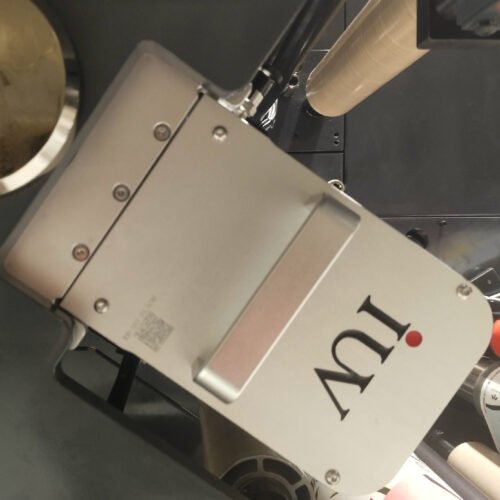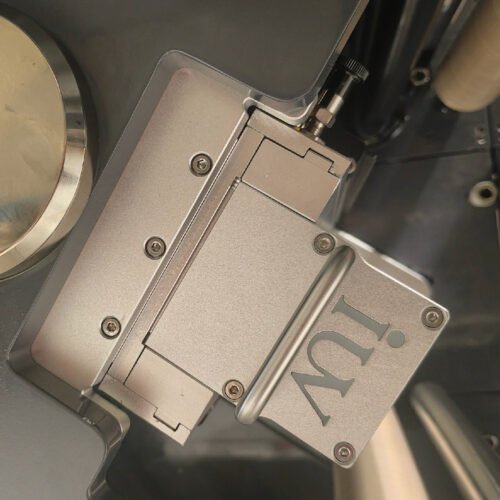
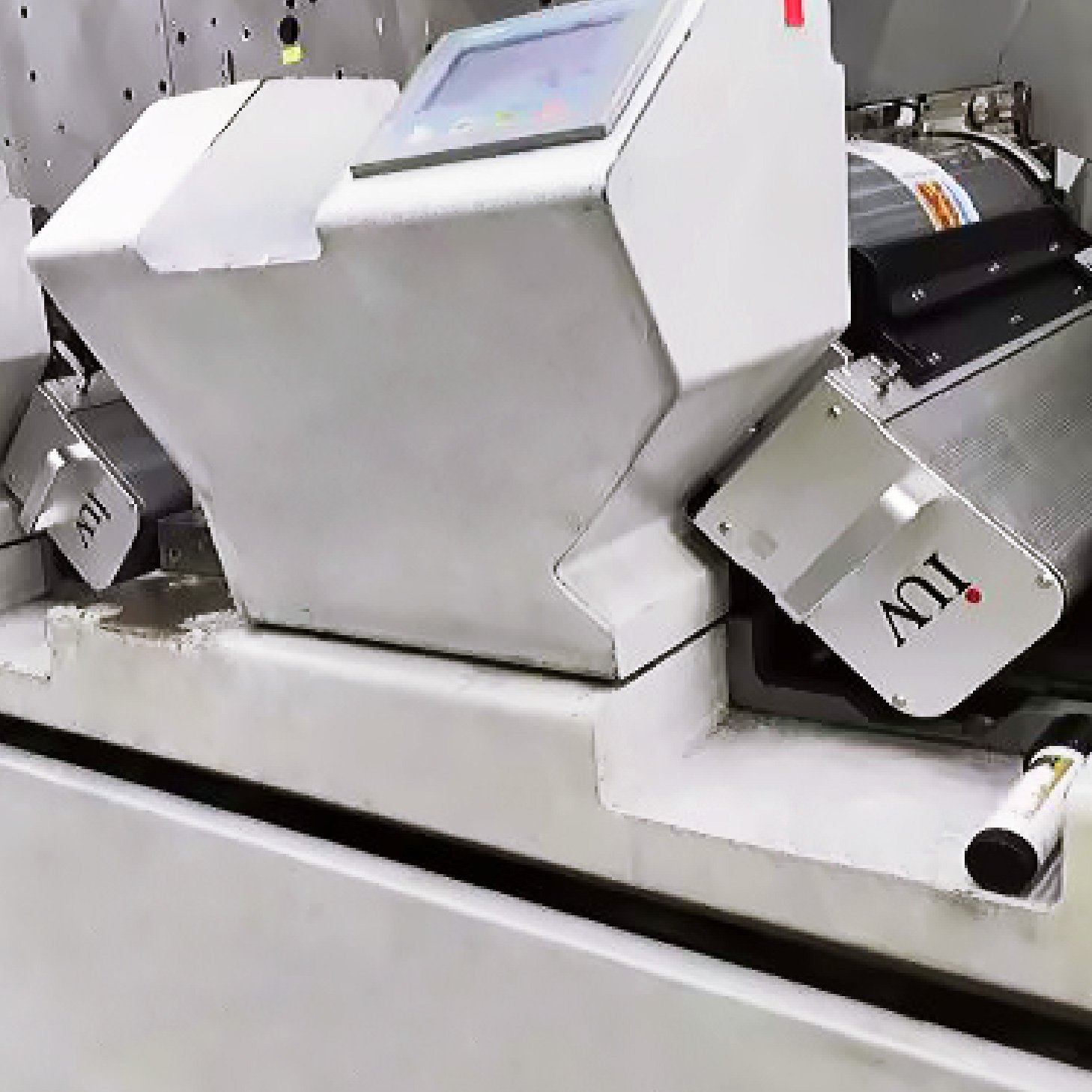
The printing industry is constantly seeking ways to boost efficiency and reduce operational costs. For label printers, flexographic houses, and even those in sheetfed offset, the ability to start jobs instantly and keep production lines moving with minimal interruption is a significant competitive edge. This is precisely where advanced LED UV curing systems shine, offering a transformative solution compared to traditional mercury lamp curing.
The Bottleneck of Traditional Curing
For decades, mercury vapor lamps were the standard for UV curing in printing. While effective, they came with inherent drawbacks. These lamps required a warm-up period to reach their full curing power, meaning presses couldn’t start printing immediately after a lamp failure or even at the beginning of a shift. This “warm-up time” directly translated into lost production minutes, impacting throughput and increasing job turnaround times.
Furthermore, mercury lamps have a finite lifespan and often fail without warning. When a lamp burns out, the entire printing press often grinds to a halt. The process of diagnosing the issue, ordering a replacement, and then installing and testing the new lamp could lead to hours, or even days, of costly downtime. This unpredictable downtime is a major headache for any production manager, disrupting schedules and potentially leading to missed deadlines and unhappy clients.
Enter LED UV Curing: A Paradigm Shift
Light Emitting Diode (LED) UV curing technology represents a significant leap forward. Unlike mercury lamps, LEDs emit UV light at specific wavelengths, optimized for curing inks, coatings, and adhesives. The real game-changer, however, lies in their operational characteristics.
One of the most immediate benefits of LED UV systems is their instant on/off capability. There’s no warm-up period required. When the press needs to cure, the LEDs are at full power immediately. This means that as soon as the substrate enters the curing zone, it’s being effectively cured. This instant start-up capability is invaluable in fast-paced printing environments. Whether it’s a quick job changeover, a brief stop for maintenance, or simply starting the day’s production, the LEDs are ready to go. This eliminates those crucial minutes lost with older technologies.
Minimizing Downtime: Reliability Meets Efficiency
The impact of LED UV on downtime is multifaceted. Firstly, the lifespan of LED units is dramatically longer than that of mercury lamps. While mercury lamps typically last between 1,000 to 3,000 hours, high-quality LED systems can operate for 20,000 to 30,000 hours or even more. This drastically reduces the frequency of lamp replacement, a common source of downtime.
Secondly, LED UV systems are generally more robust and less prone to sudden failure. Instead of a catastrophic burnout, LED modules tend to degrade gradually over a very long period. This gradual degradation means printers can often monitor performance and schedule replacements during planned maintenance, rather than being forced into emergency shutdowns.
The modular design of many LED UV systems also contributes to minimal downtime. If a single LED module within a larger array fails (which is rare), it can often be replaced individually without requiring the removal and replacement of the entire curing unit. This targeted and often field-serviceable approach drastically cuts down the time and expense associated with repairs.
Specific Applications in Narrow Web and Flexography
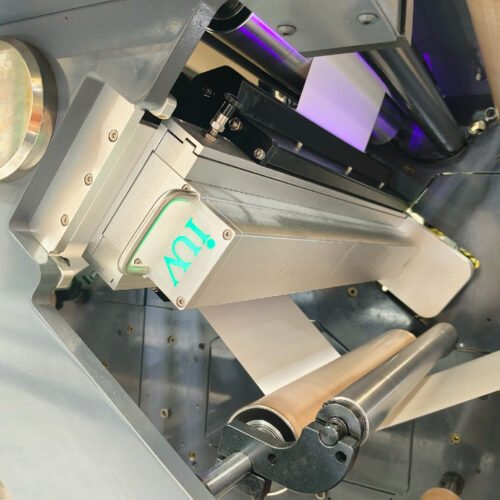
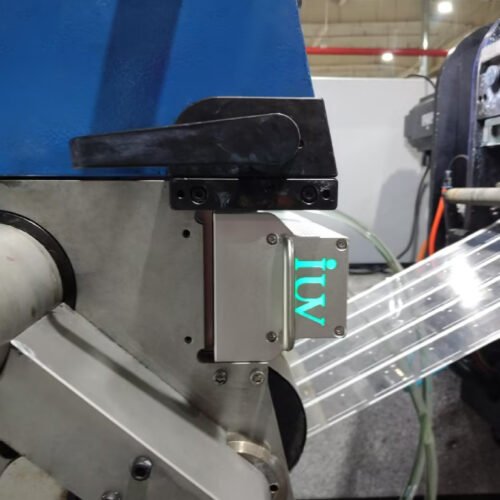
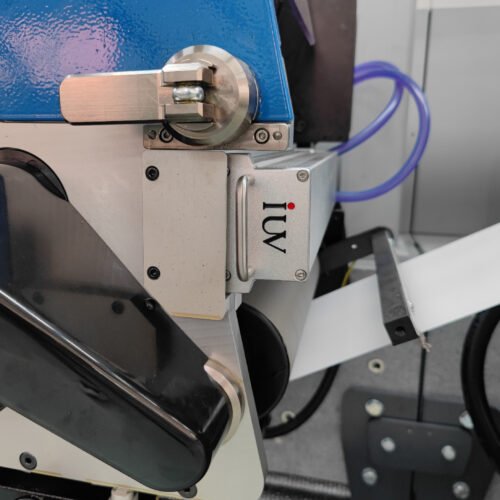
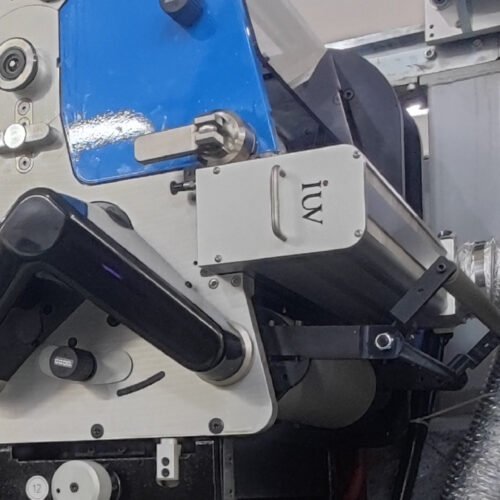
For narrow web label printers, speed and efficiency are paramount. Presses often run at very high speeds, and the ability to cure instantly is crucial for maintaining those speeds without ink smearing or incomplete curing. LED UV systems allow for immediate handling of printed webs, enabling faster rewind and finishing operations. The compact size of LED heads also allows for integration into tight spaces on narrow web presses, often replacing bulkier mercury lamp units.
In flexographic printing, particularly for packaging and labels, the reduced heat output from LED UV systems is a significant advantage. Mercury lamps generate substantial heat, which can affect heat-sensitive substrates like thin films or certain plastics. This heat can also cause web flutter or distortion, leading to print quality issues. LED UV emits very little infrared heat, keeping the substrate cool and stable, which improves print registration and overall quality, while also reducing the risk of substrate damage. This translates directly to fewer waste sheets and less downtime dealing with quality control issues.
LED UV in Offset Printing: A Growing Presence
While traditionally associated with mercury lamps, offset printing is also benefiting from LED UV technology, especially in sheetfed applications where faster turnarounds are sought. The instant start-up means presses can begin printing jobs immediately, and the ability to handle printed sheets without smudging allows for immediate stacking and finishing. This speeds up post-press processes like cutting, folding, and coating, reducing overall job completion times. The reduced energy consumption and absence of ozone production also make LED UV an environmentally friendlier choice in offset environments.
Energy Efficiency and Environmental Benefits
Beyond direct production benefits, LED UV curing offers substantial energy savings. LEDs are significantly more energy-efficient than mercury lamps, consuming up to 70% less power to achieve the same curing output. This reduction in energy consumption translates into lower operating costs and a smaller carbon footprint. Furthermore, LED systems do not produce ozone, a harmful byproduct of mercury lamp operation, eliminating the need for dedicated exhaust systems and contributing to a healthier working environment.
The Cost-Benefit Analysis
While the initial investment in an LED UV curing system might be higher than for traditional mercury lamps, the long-term benefits quickly outweigh the upfront cost. The reduction in downtime alone, through instant start-up, increased reliability, and longer component lifespan, can lead to substantial cost savings. Add to this the energy savings, reduced waste due to better substrate handling, and potentially lower consumables costs (as some UV inks are optimized for LEDs), and the return on investment becomes very compelling.
For printers focused on maximizing press uptime, improving job throughput, and reducing operational expenses, the transition to LED UV curing systems is no longer a question of “if,” but “when.” The technology offers a clear path to a more efficient, reliable, and cost-effective printing operation.