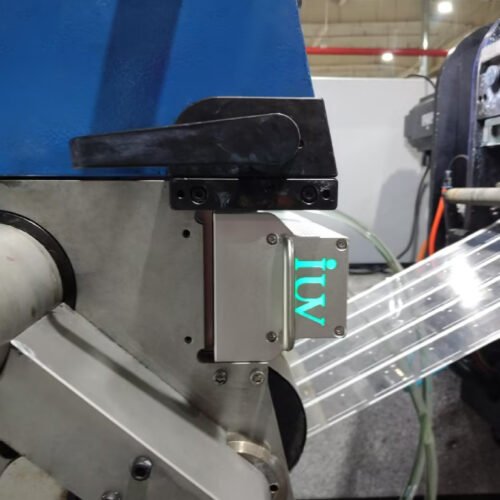
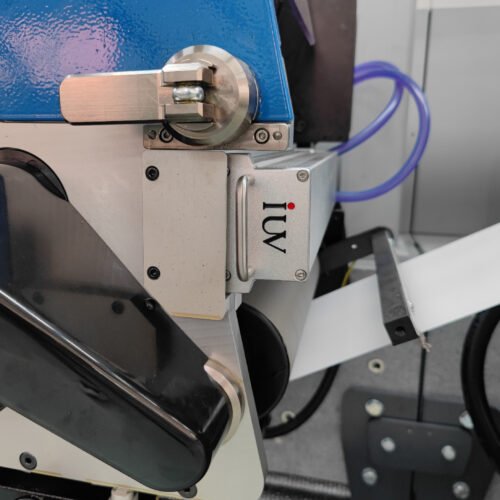
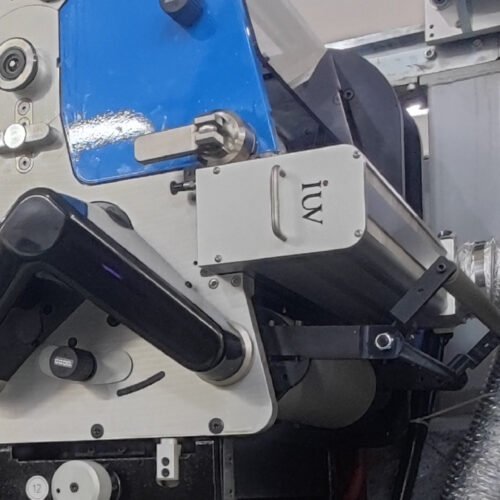
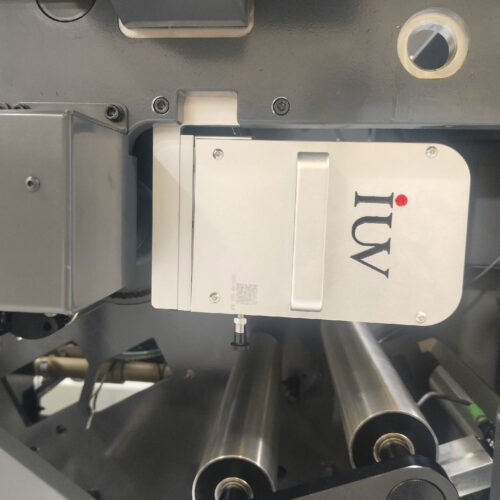
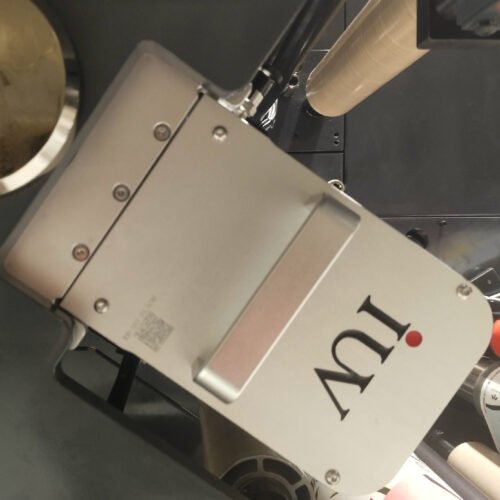
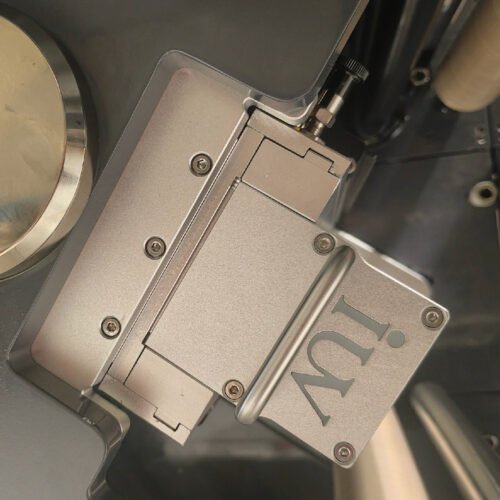
Traditional printing methods often rely on heat for drying inks. This is particularly true for processes where speed and substrate versatility are key. However, heat can be a double-edged sword. It can warp delicate materials, cause shrinkage, and even lead to unwanted color changes. For printers working with heat-sensitive substrates like thin films, certain plastics, or even some specialized papers, this presents a significant hurdle. They need a drying solution that’s efficient but gentle, and that’s precisely where LED UV curing steps in.
What is UV Curing?
Before we zero in on LED UV, let’s quickly touch upon UV curing in general. It’s a photochemical process where high-intensity ultraviolet light is used to instantly cure or dry inks, coatings, and adhesives. When UV light hits the specially formulated inks, it triggers a chain reaction called polymerization. This reaction rapidly transforms the liquid ink into a solid, durable film. The key here is speed and the elimination of solvents, which often contribute to VOC emissions.
The Rise of LED UV Technology
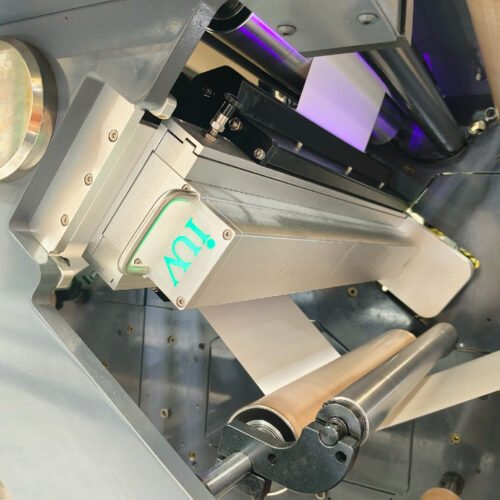
Now, enter LED UV curing. Unlike traditional mercury vapor lamps that were the standard for UV curing for years, Light Emitting Diodes (LEDs) offer a more advanced and efficient approach. These diodes emit UV light at specific wavelengths, and this specificity is a major advantage. More importantly, LEDs generate significantly less heat than their mercury vapor predecessors. This is the critical factor for low-temperature printing applications.
Advantages for Label Printing
In the realm of label printing, efficiency and versatility are paramount. Narrow web printers, in particular, handle a vast array of jobs, often on diverse materials.
- Substrate Compatibility: For label printers working with thin films or heat-sensitive plastics, mercury lamps could cause deformation or even melt the substrate. LED UV systems, with their minimal heat output, allow these sensitive materials to be printed without damage. This expands the range of applications for label printers, enabling them to produce high-quality labels on previously challenging materials.
- Energy Efficiency: LED UV systems are far more energy-efficient than traditional lamps. They consume less power and have a much longer lifespan, leading to significant operational cost savings. This also means a smaller carbon footprint, which is increasingly important for businesses looking to enhance their sustainability credentials.
- Instant On/Off: LEDs can be switched on and off instantaneously. This is a huge advantage in setup and in reducing energy waste during press stops. Traditional lamps require a warm-up period and cool-down time, which translates to lost productivity. With LEDs, you get full curing power the moment you need it.
Flexographic Printing and LED UV
Flexographic printing, often used for packaging and labels, is another area where LED UV curing shines.
- Higher Press Speeds: While heat is a factor in flexo, the need for precise ink drying at high speeds can be met more effectively and safely with LED UV. The instant curing provided by LEDs ensures that inks don’t smudge or transfer, allowing for faster print speeds without compromising quality. This boosts overall productivity on the press.
- Reduced Ink Set-off: In flexo, especially when printing multiple colors, ink set-off (ink transferring from one printed surface to the next) can be a problem. LED UV curing’s rapid polymerization solidifies the ink instantly, preventing this issue and ensuring clean, crisp prints.
- VOC-Free Printing: Many UV inks used with LED systems are solvent-free, contributing to a healthier work environment and reducing the need for expensive ventilation and exhaust systems.
Offset (Sheetfed and Web) Printing and LED UV
Even in the world of offset printing, LED UV is making significant inroads, particularly in narrow web and even some sheetfed applications where heat can be a concern.
- Faster Turnaround Times: The instant curing means printed sheets or webs can be handled, stacked, or moved to the next process immediately. This dramatically reduces drying times, which can be a bottleneck in traditional offset printing, leading to faster job turnaround.
- Improved Print Quality: LED UV curing can enhance the vibrancy and gloss of inks. The rapid polymerization locks the ink onto the substrate, preventing it from soaking in and becoming dull. This is especially noticeable on coated papers.
- Extended Ink and Coating Life: The specialized inks and coatings formulated for LED UV curing often offer superior rub resistance, scratch resistance, and chemical resistance compared to conventional inks. This durability is crucial for many commercial print applications.
The Science Behind Low-Temperature Curing
The “low-temperature” aspect is directly linked to the specific wavelengths emitted by LED UV systems. They are designed to activate photoinitiators within the ink or coating very efficiently. This targeted activation means less wasted energy, and therefore, less incidental heat generation compared to the broad-spectrum output of mercury lamps. This precision is what makes them ideal for applications where the substrate cannot withstand significant heat. Think of printing on shrink sleeves for bottles, or on materials used in food packaging where material integrity is paramount.
Considerations for Implementation
When considering an LED UV curing system, it’s important to note a few things:
- Ink Formulation: You’ll need inks and coatings specifically formulated for LED UV curing. These are readily available from ink manufacturers and are designed to react to the specific wavelengths emitted by the LEDs.
- Wavelength Specificity: Different LED systems operate at different wavelengths (e.g., 365nm, 395nm). It’s important to ensure your ink is compatible with the chosen LED system’s wavelength.
- Integration: Retrofitting an existing press with an LED UV system is a common practice, but it requires careful planning to ensure proper integration with the press’s speed and curing requirements.
In conclusion, LED UV curing systems are not just an upgrade; they represent a fundamental shift in how we approach drying in printing. Their ability to deliver efficient, high-quality curing with minimal heat makes them indispensable for low-temperature printing processes, especially in the demanding worlds of label, narrow web, and flexographic printing.