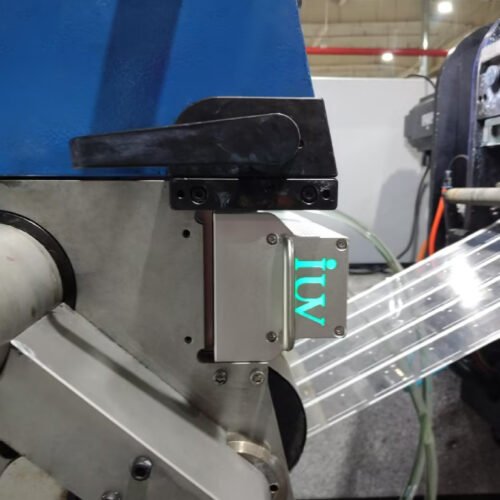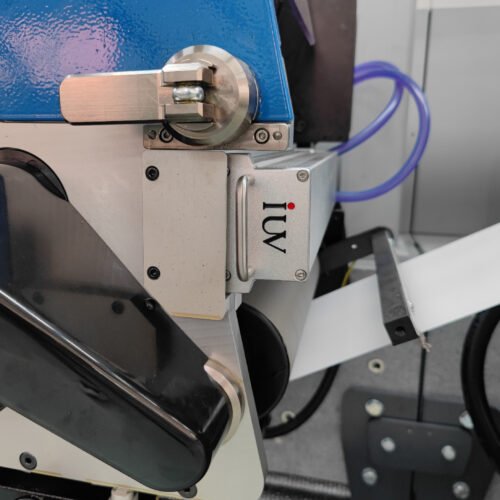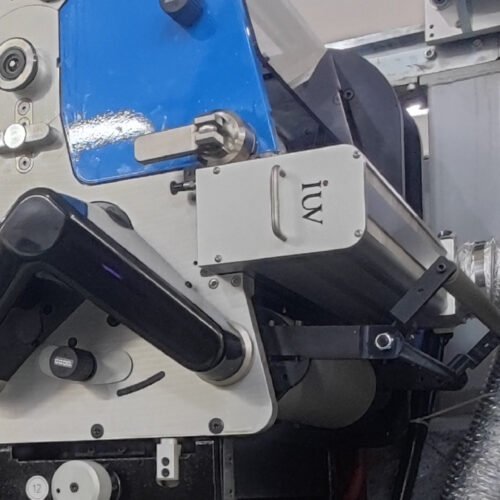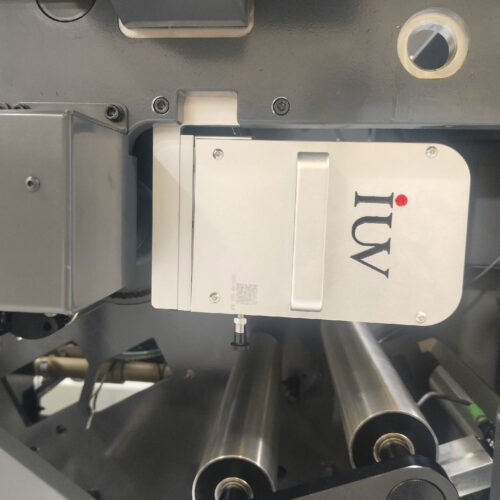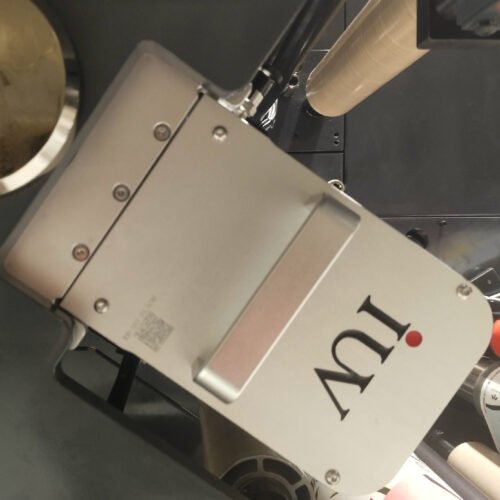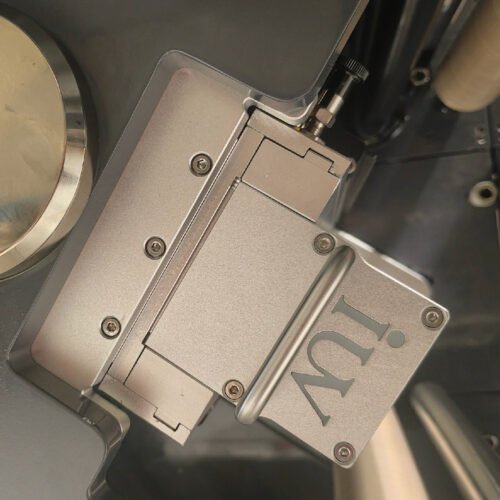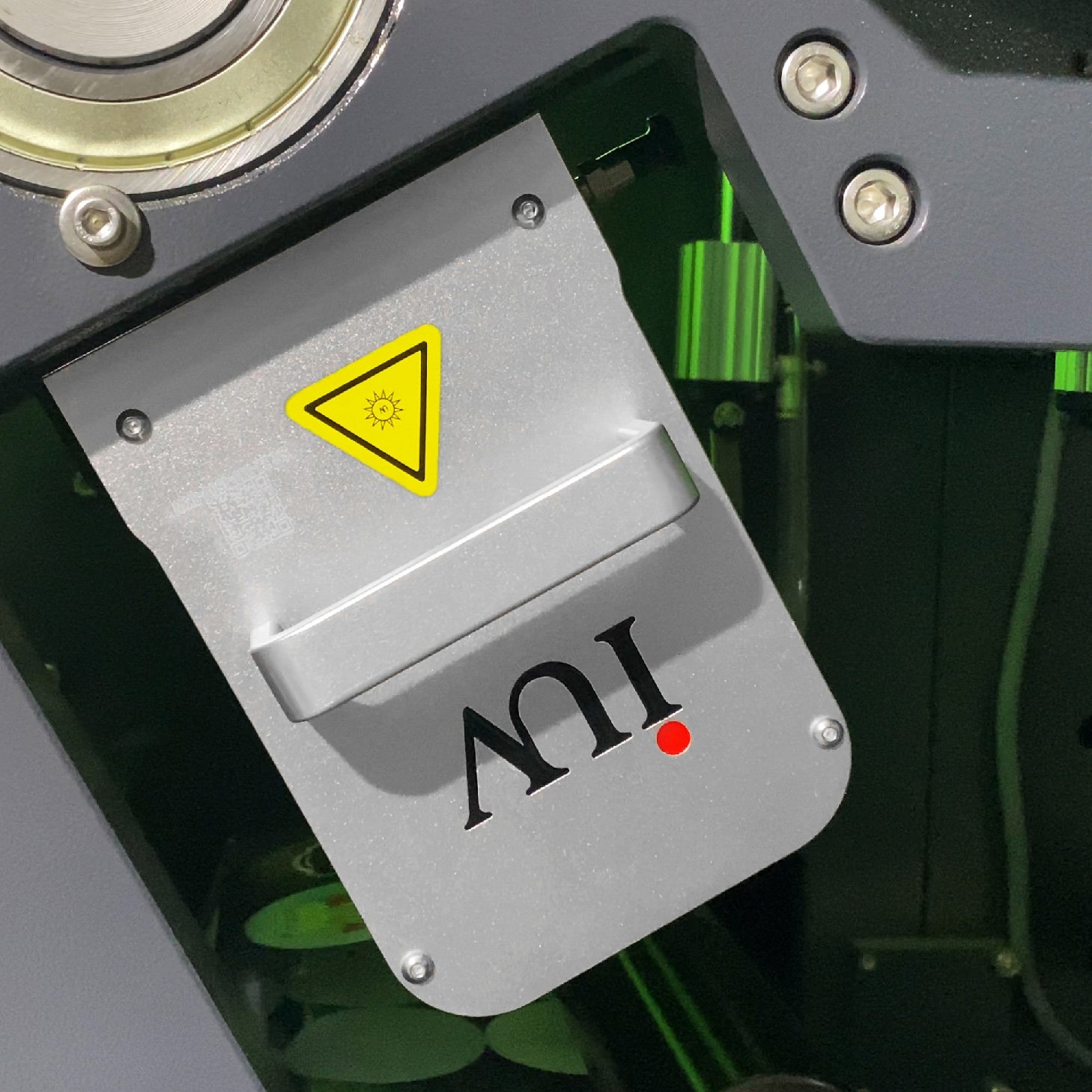
Printing presses are constantly being pushed to do more. Faster speeds, shorter runs, and tighter deadlines are the norm. In this demanding environment, every second counts. This is where innovative technologies come into play, and one of the most impactful advancements in recent years is the integration of instant-on LED UV curing systems. These systems are not just an upgrade; they represent a fundamental shift in how printers can enhance their productivity and efficiency across various applications, especially in label, flexographic, offset, and narrow web printing.
The Evolution of UV Curing
For decades, UV curing has been a staple in the printing industry. Traditional mercury vapor lamps offered a reliable way to cure inks and coatings quickly. However, these lamps came with significant drawbacks. They required a warm-up period, consumed a lot of energy, generated substantial heat, and had a limited lifespan. This meant downtime for warm-up, increased operational costs due to energy consumption and frequent lamp replacements, and potential heat-related issues on sensitive substrates.
Enter Instant-On LED UV Curing
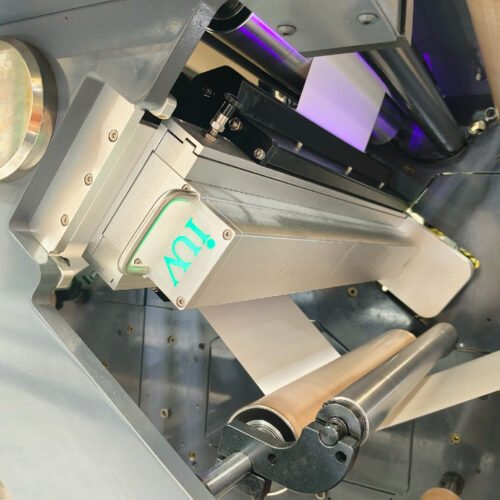
LED UV curing systems have revolutionized this landscape. Unlike their predecessors, Light Emitting Diodes (LEDs) emit UV light instantly when powered on. There’s no need for warm-up, meaning printers can switch on their equipment and immediately start production. This simple yet profound change has a cascading effect on overall productivity.
Immediate Impact on Narrow Web and Label Printing
In the narrow web and label printing sectors, where speed and precision are paramount, instant-on LED UV technology offers significant advantages. Short print runs are common, and the ability to start curing immediately eliminates the costly delays associated with mercury lamps. For printers handling multiple jobs throughout the day, the ability to power down and then instantly power up the UV system between runs saves valuable minutes, which quickly add up to hours saved over a week or month.
This is particularly beneficial in job shops where changeovers are frequent. Instead of waiting for lamps to cool down or warm up, the operator can move directly from one job to the next. This seamless transition reduces bottlenecks and maximizes press uptime. The consistent output of LEDs also ensures reliable curing from the very first label, batch after batch, leading to fewer waste prints and improved job quality.
Enhancing Flexographic and Offset Printing Efficiency
The benefits extend robustly to flexographic and offset printing, even in wider web applications. The instant-on capability is a game-changer for short-run, high-mix production environments. Think about promotional labels or packaging that require frequent design updates. With instant-on LED UV, the time wasted on lamp maintenance and warm-up is drastically reduced.
Flexographic printers, in particular, benefit from the reduced heat output of LED systems. Many label and flexible packaging substrates are heat-sensitive. Traditional UV lamps can transfer significant heat to the substrate, potentially causing distortion or affecting ink adhesion. LED UV systems, with their focused light spectrum and lower heat generation, allow for curing on a wider range of materials without compromising quality or risking substrate damage. This opens up new possibilities for printing on delicate films and foils.
In offset printing, especially for packaging and commercial jobs, the rapid curing afforded by LED UV means faster handling and finishing. Sheets can be stacked or moved to the next process stage much sooner, accelerating the entire production workflow. The consistent, high-intensity output of LED systems ensures complete cure, reducing issues like ink rub-off or delamination, which are critical for the end-use application.
The “Instant-On” Advantage: Beyond Just Speed
While the immediate start-up is a major draw, the “instant-on” nature of LED UV systems contributes to productivity in several other ways:
- Reduced Energy Consumption: LEDs are significantly more energy-efficient than mercury lamps. They only consume power when they are on, and even then, at a much lower rate. This direct energy saving translates to lower operational costs. The instant-on feature means energy is not wasted on idle warm-up cycles.
- Lower Heat Load: As mentioned, LEDs produce less heat. This means less stress on the printing press, less need for extensive cooling systems, and a more comfortable working environment for operators. It also allows for printing on a broader array of substrates without concern for heat damage or distortion.
- Longer Lifespan and Consistency: LED lamps have a much longer operational lifespan compared to mercury lamps, often tens of thousands of hours. This drastically reduces downtime associated with lamp replacements and the associated costs. Moreover, LED output remains consistent throughout their life, ensuring predictable and reliable curing performance job after job.
- Instantaneous Power Control: The ability to turn LEDs on and off instantly allows for precise control over the curing process. This is invaluable for multi-color printing where each unit might require specific curing conditions or for applications where over-curing needs to be avoided. This granular control contributes to higher quality output and reduced waste.
- Environmentally Friendlier: LEDs do not contain mercury, making them a more environmentally responsible choice. Their lower energy consumption also contributes to a smaller carbon footprint.
Implementing Instant-On LED UV in Your Workflow
Adopting instant-on LED UV technology is a strategic move for any printing operation looking to boost productivity. The integration process typically involves specifying the correct wavelength and power density for your inks and coatings. Modern LED UV systems are designed to be retrofitted onto existing narrow web, flexo, and offset presses, making the transition more accessible than investing in entirely new equipment.
Key considerations when evaluating LED UV systems include:
- Wavelength: Ensure the LED output wavelength (e.g., 365 nm, 385 nm, 395 nm, 405 nm) matches your ink and coating requirements.
- Power Density (Irradiance): This determines the speed at which curing occurs. Higher power density allows for faster press speeds.
- Uniformity: Consistent light distribution across the web width is crucial for even curing.
- Integration: Assess how easily the system can be integrated with your existing press controls and material handling.
- Supplier Support: Choose a reputable supplier offering strong technical support and service.
The Future is Instantaneous
In the competitive landscape of modern printing, embracing technologies that offer immediate gains in speed, efficiency, and quality is no longer optional. Instant-on LED UV curing systems provide a tangible solution for printers in the label, flexographic, offset, and narrow web sectors to overcome production bottlenecks, reduce operational costs, and enhance their competitiveness. The move away from the warm-up delays and inefficiencies of older technologies towards the instant readiness of LEDs signifies a clear path towards a more productive and profitable printing future. By leveraging this powerful technology, printers can unlock new levels of performance and meet the ever-increasing demands of their customers.