The Bright Future: LED Curing Systems Powering Sustainable Packaging
The printing industry is undergoing a significant transformation, driven by a global demand for more sustainable practices. Packaging, in particular, is at the forefront of this shift. Consumers and businesses alike are seeking eco-friendly solutions. This has led to a surge in demand for innovative printing technologies that minimize environmental impact. Among these, LED UV curing systems are emerging as a crucial player. They offer a compelling combination of performance, efficiency, and environmental benefits, making them ideal for the future of packaging.
Understanding UV Curing Technology
Traditional printing processes often rely on heat or solvent-based inks. These methods can be energy-intensive and contribute to volatile organic compound (VOC) emissions. UV curing technology, on the other hand, uses ultraviolet (UV) light to instantly dry or “cure” inks and coatings. When exposed to UV light, photoinitiators within the ink formulation trigger a rapid polymerization process. This transforms the liquid ink into a solid, durable layer.
The Evolution to LED UV Curing
For years, mercury-vapor lamps were the standard in UV curing. While effective, these lamps have several drawbacks. They consume a considerable amount of energy, generate significant heat, and contain hazardous mercury. Their lifespan is also limited, requiring frequent replacement.
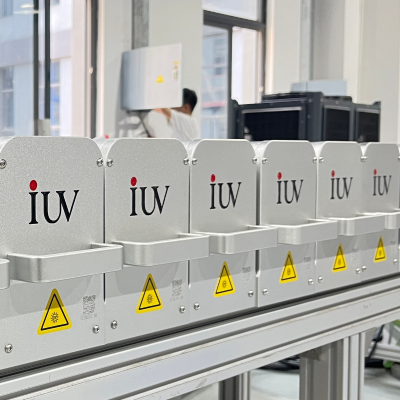
LED UV curing systems represent a significant advancement. They utilize light-emitting diodes (LEDs) to produce UV light. This technology offers a host of advantages over traditional lamps. LEDs are highly energy-efficient, consuming substantially less power. They emit very little heat, which is beneficial for heat-sensitive substrates like certain films and thin papers. Furthermore, LEDs are mercury-free, aligning perfectly with environmental regulations and a desire for greener manufacturing. Their operational lifespan is also dramatically longer, reducing waste and maintenance costs.
LED Curing’s Impact on Narrow Web Printing
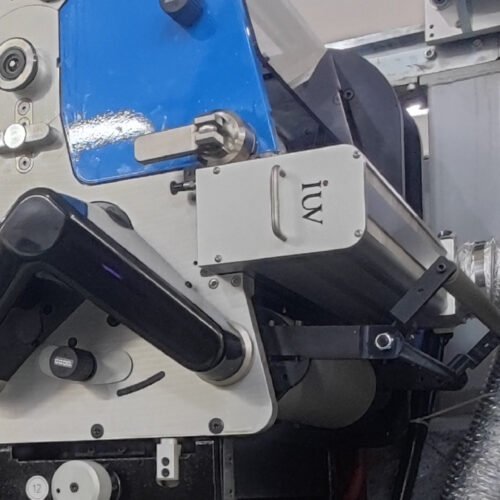
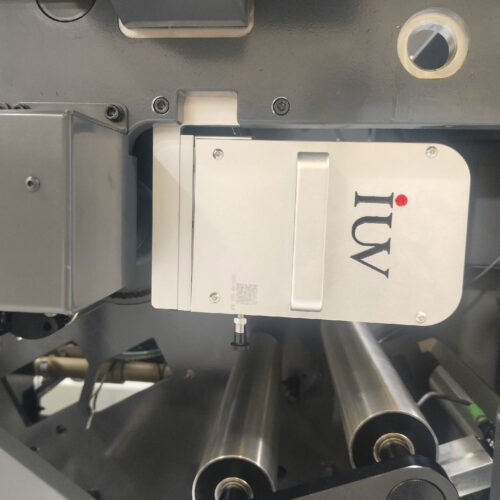
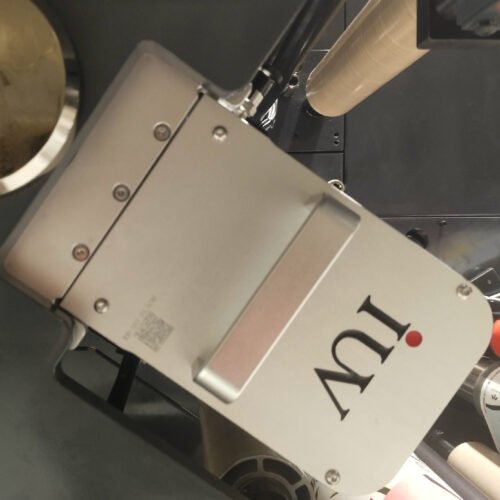
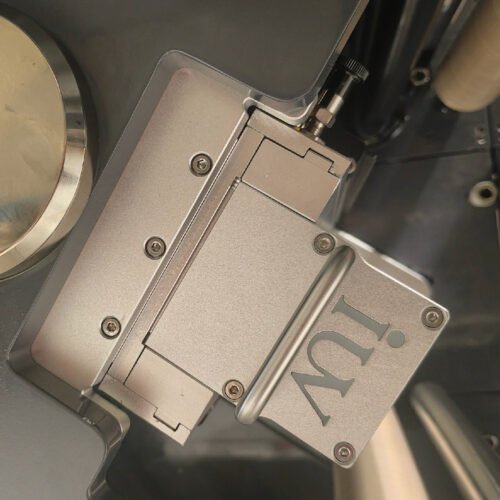
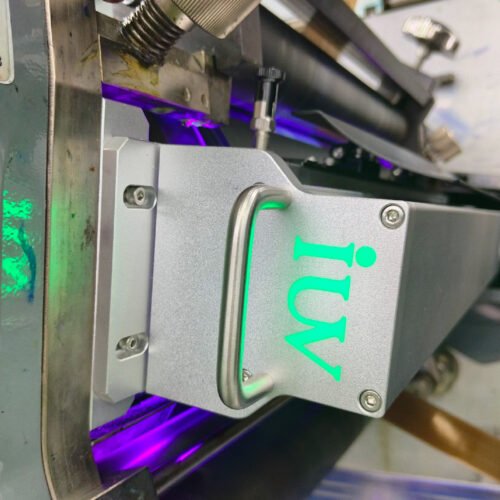
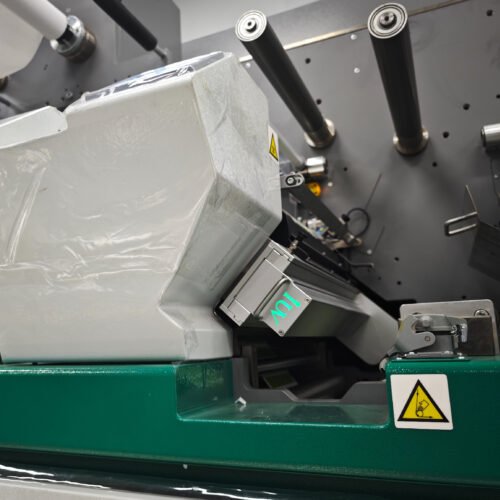
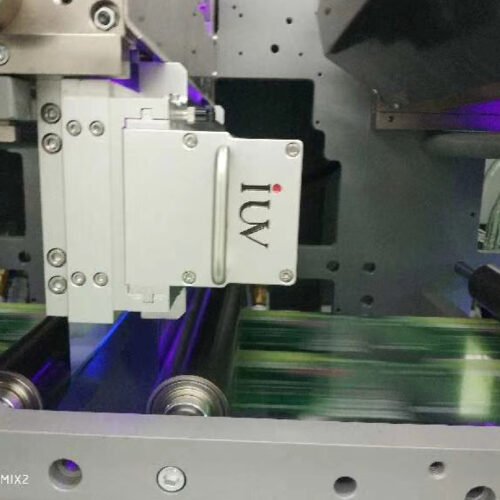
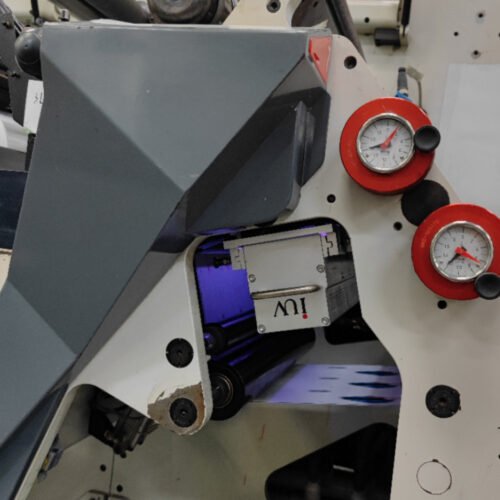
Narrow web printing, often used for labels and flexible packaging, is a key area where LED UV curing shines. The precision and speed required in this sector demand efficient and reliable curing. LED systems integrate seamlessly into narrow web presses. Their instant curing capabilities allow for faster production speeds. This means more labels and packaging can be produced in less time.
The low heat output of LED systems is particularly advantageous for narrow web printing. Many label materials are thin and can be damaged by excessive heat. LED curing ensures the integrity of these delicate substrates. This prevents warping or degradation, leading to higher quality finished products. Additionally, the precise wavelength control offered by some LED systems allows for optimized curing of specific ink formulations, ensuring excellent adhesion and durability.
Enhancing Flexographic Printing with LED UV
Flexographic printing, or flexo, is a widely used method for packaging, labels, and other flexible materials. Traditionally, flexo presses have utilized heat-set or solvent-based inks. The adoption of LED UV curing technology in flexo printing brings substantial environmental and operational improvements.
Flexo printers can now achieve excellent print quality with UV-curable inks. These inks are typically 100% solids, meaning they contain no VOCs. This drastically reduces air pollution associated with printing operations. The quick curing of UV inks on flexo presses enables faster job turnarounds. This is a significant competitive advantage in the fast-paced packaging market. Moreover, the durability and resistance of UV-cured inks make them ideal for demanding packaging applications that require scuff and chemical resistance.
LED UV in Sheet-Fed Offset Printing
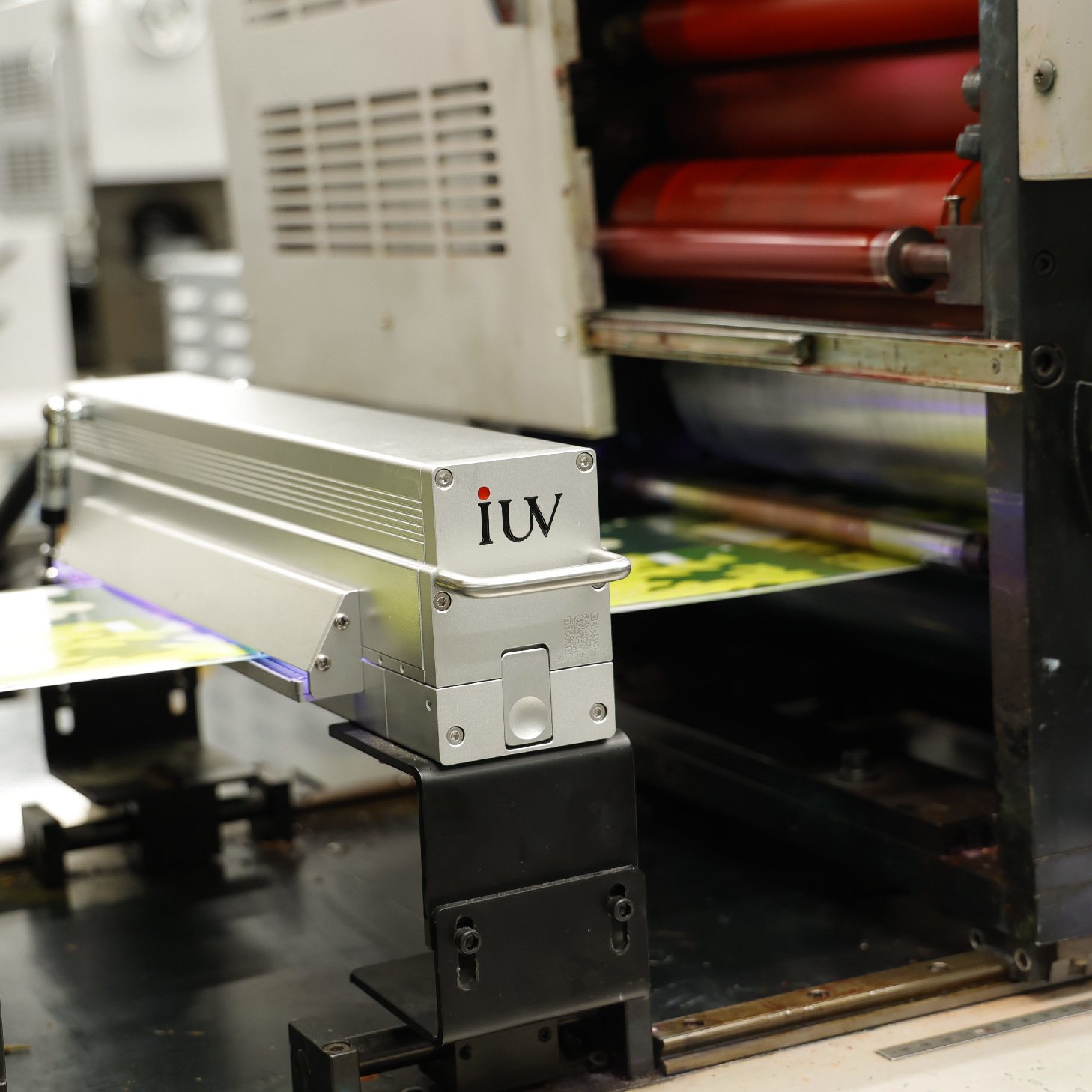
Sheet-fed offset printing is a workhorse for commercial printing and some packaging applications. While historically reliant on heat-set or conventional inks, the integration of LED UV curing is becoming increasingly prevalent. This allows printers to offer high-quality, durable finishes on a wider range of substrates.
With LED UV, offset printers can print on non-absorbent materials like plastics and foils. These materials are unsuitable for conventional inks that require absorption into the paper. The instant curing ensures the ink remains on the surface, providing vibrant colors and sharp details. This opens up new possibilities for product differentiation and unique packaging designs. The elimination of VOCs also contributes to a healthier working environment and a reduced carbon footprint for offset printing operations.
Sustainability Benefits of LED UV Curing
The environmental advantages of LED UV curing systems are manifold. Firstly, their energy efficiency significantly lowers electricity consumption compared to mercury lamps. This translates to lower greenhouse gas emissions from power generation. Secondly, the absence of VOCs in UV-curable inks dramatically improves air quality, both within the printing facility and in the surrounding environment.
Furthermore, LED UV curing systems contribute to waste reduction. Their longer lifespan means fewer lamps need to be manufactured and disposed of. The elimination of mercury from these lamps is also a major environmental win, preventing the release of a toxic heavy metal. The ability to cure on a wider range of substrates with LED UV also supports the use of recycled or alternative materials in packaging, further enhancing sustainability efforts.
The Future is Bright and Green
LED UV curing systems are not just a technological upgrade; they are a strategic investment in a sustainable future for the printing industry. Their efficiency, environmental friendliness, and versatility make them an indispensable tool for printers looking to innovate in the eco-friendly packaging sector. As the demand for greener solutions continues to grow, LED UV curing will undoubtedly play an increasingly pivotal role in shaping how we print and package the products we use every day. This technology offers a clear path towards reduced environmental impact without compromising on print quality or productivity.