Boosting Flexo Speed: How LED Curing Revolutionizes Ink Polymerization
The demand for faster, more efficient label and packaging printing is constant. In the realm of flexographic printing, achieving rapid ink drying is paramount. Traditional UV curing methods have long been the standard. However, the advent of LED UV curing systems has ushered in a new era of speed and performance. These advanced systems offer a distinct advantage in accelerating ink polymerization, leading to significant improvements in flexographic printing processes.
Understanding the Science: Ink Polymerization in UV Curing
At its core, UV curing involves a photochemical process. Ink formulations contain photoinitiators. These are molecules that absorb UV light. When exposed to UV energy, the photoinitiators break down. This breakdown generates reactive species, such as free radicals or cations. These species then initiate a chain reaction. They link together the monomers and oligomers within the ink. This process is called polymerization. It transforms the liquid ink into a solid, durable film. The speed of this polymerization directly impacts print speed and finished product quality.
The Evolution of UV Curing: From Mercury Lamps to LEDs
For decades, mercury vapor lamps dominated UV curing. These lamps emit UV light across a broad spectrum. They are powerful and have served the industry well. However, they come with drawbacks. Mercury lamps generate substantial heat. This can be problematic for heat-sensitive substrates. They also have a limited lifespan and require frequent replacement. Furthermore, their energy consumption is considerable. Their broad spectrum output also means they emit wavelengths that are not efficiently used by all photoinitiators.
LED UV curing systems represent a significant technological leap. Light Emitting Diodes (LEDs) are semiconductor devices. They emit light at very specific wavelengths. This is a crucial difference. In UV curing, the wavelength of light must match the absorption spectrum of the photoinitiators in the ink. LED systems can be precisely tuned. They deliver energy at the exact wavelengths required for optimal ink polymerization. This targeted approach dramatically increases curing efficiency.
The Efficiency Advantage: How LEDs Accelerate Polymerization
The precise wavelength output of LED systems is the key to faster ink polymerization. Photoinitiators are most sensitive to specific UV wavelengths. When an LED system emits light at these peak absorption wavelengths, the photoinitiators are activated much more rapidly and efficiently. This means the initiation of the polymerization chain reaction happens faster. Consequently, the entire ink film solidifies in a fraction of the time compared to broad-spectrum mercury lamps.
Consider this: a mercury lamp expends energy across a wide spectrum. Much of this energy may not be effectively utilized by the photoinitiators. It’s like trying to fit a square peg into a round hole – some energy is wasted. LED systems, however, are like perfectly shaped pegs. They deliver energy precisely where it’s needed, maximizing the activation of photoinitiators. This leads to a more complete and faster cure.
Benefits Beyond Speed: Enhanced Print Quality and Substrate Compatibility
The advantages of LED curing extend far beyond just faster polymerization. The focused energy delivery means less overall heat is transferred to the substrate. This is a game-changer for printing on delicate or heat-sensitive materials. Thin films, certain plastics, and even some paper stocks can now be printed at high speeds without distortion or damage. This opens up new possibilities for label and packaging applications.
Furthermore, the efficient polymerization achieved with LEDs results in superior ink adhesion and durability. The solid ink film is robust, resistant to scratching, and exhibits excellent chemical resistance. This translates to higher quality finished products that can withstand demanding environments. The absence of ozone generation, a byproduct of mercury lamps, also contributes to a safer and cleaner working environment.
Narrow Web Printing and the LED Revolution
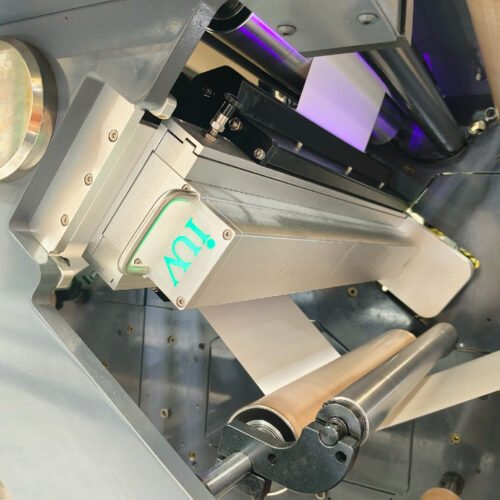
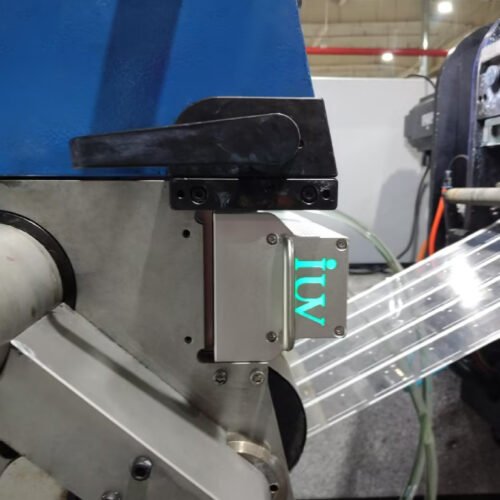
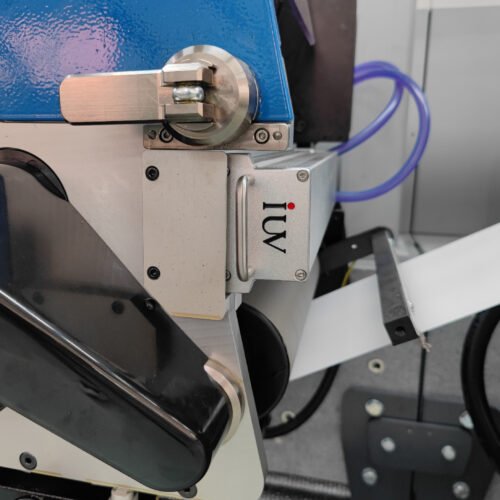
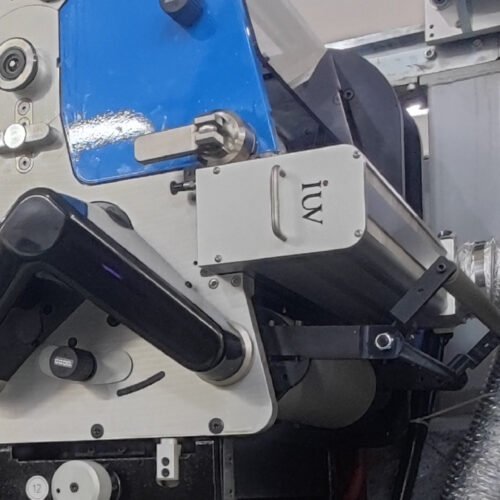
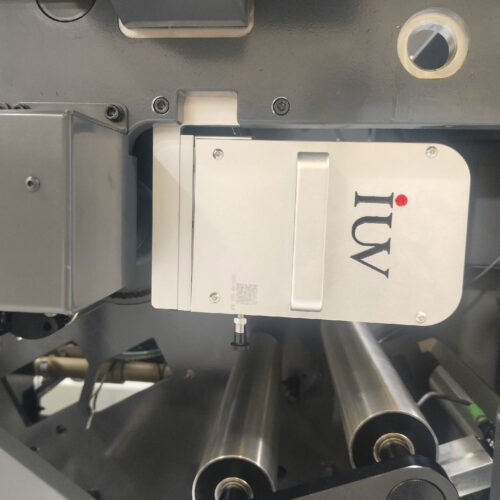
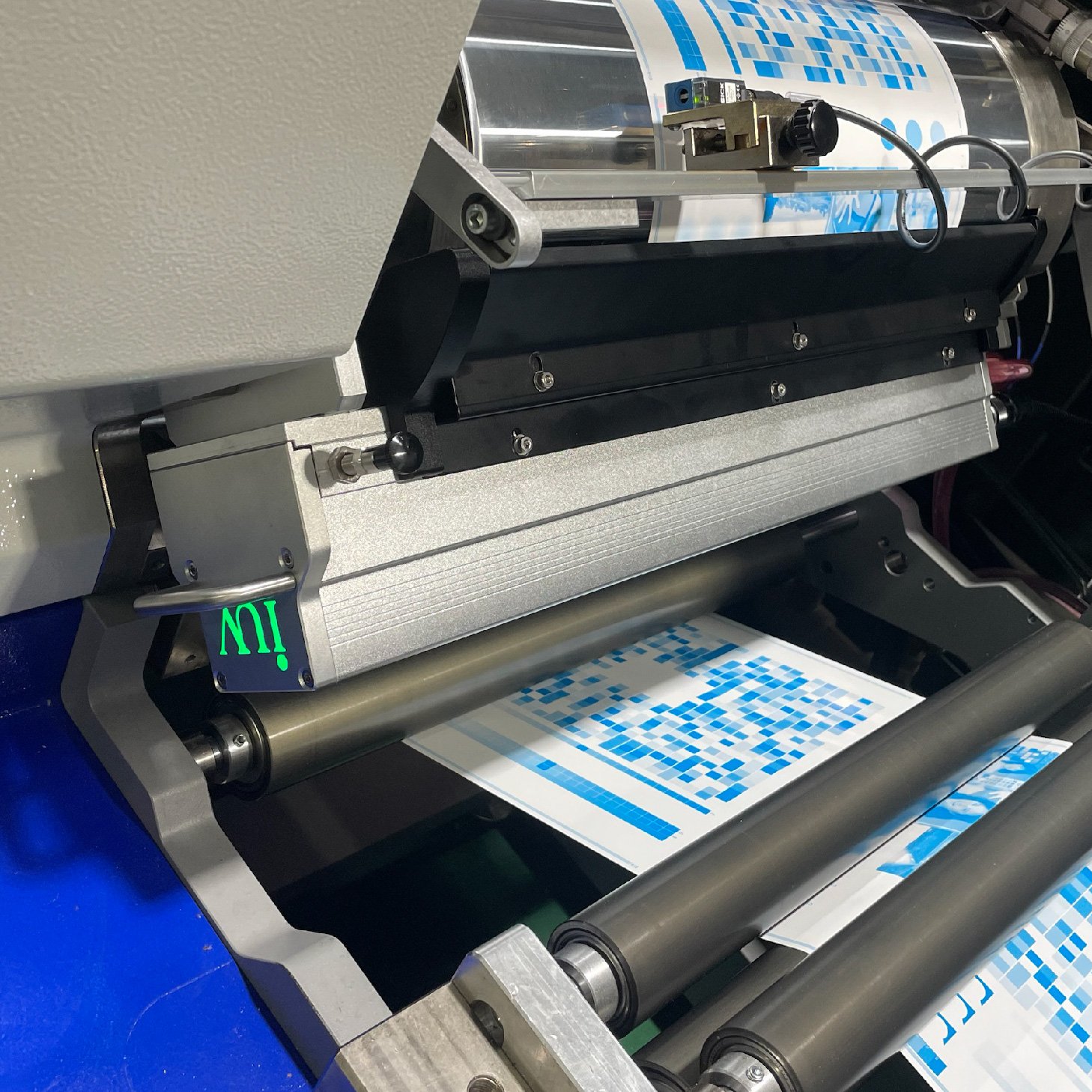
Narrow web flexographic printing, commonly used for labels and small packaging, has particularly benefited from LED UV curing. The space constraints in narrow web presses often make integrating powerful, heat-generating curing systems challenging. LED systems are compact and emit significantly less heat. This makes them an ideal retrofit or upgrade for existing narrow web presses.
The ability to cure inks almost instantaneously allows narrow web printers to run their presses at their maximum mechanical speeds. There’s no need to slow down to allow for adequate ink drying. This directly translates to increased throughput and reduced production costs per label or package. The consistent energy output of LEDs also ensures uniform curing across the entire web width, preventing issues like incomplete cures at the edges.
Comparing LED vs. Mercury: A Practical Look
When evaluating curing systems, several factors come into play. Lifespan is a major consideration. LEDs have an operational lifespan measured in tens of thousands of hours. Mercury lamps typically last a few thousand hours. This significantly reduces downtime for lamp changes and associated maintenance costs.
Energy efficiency is another critical difference. LEDs consume substantially less power than mercury lamps for the same UV output. This leads to significant operational cost savings and a reduced carbon footprint. The instant on/off capability of LEDs also means energy is only consumed when printing is actively occurring, unlike mercury lamps which often require a warm-up period and constant power draw.
Future-Proofing Your Flexographic Operation
For flexographic printers looking to enhance their competitiveness, adopting LED UV curing technology is a strategic move. The ability to print faster, on a wider range of substrates, with improved quality, and at a lower operational cost is compelling. As ink manufacturers continue to innovate with LED-curable formulations, the versatility and performance of these systems will only grow. Investing in LED curing is investing in the future of efficient and high-performance flexographic printing. It’s a clear path towards achieving faster ink polymerization and unlocking the full potential of your press.