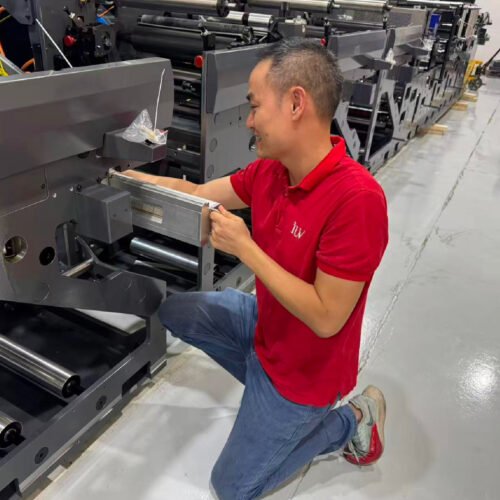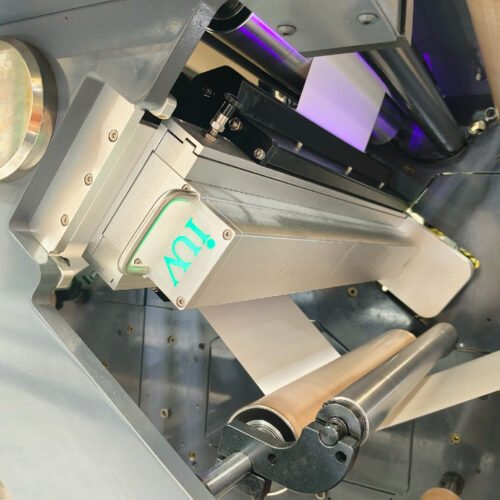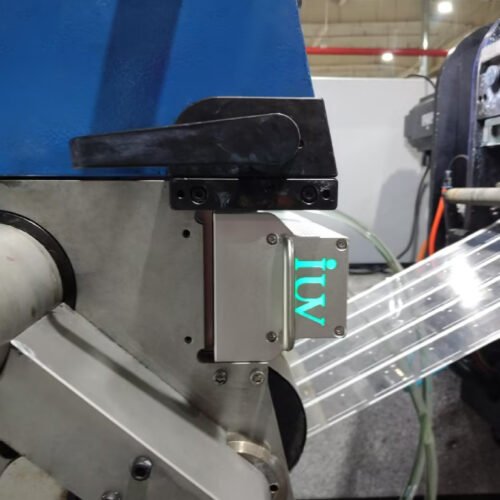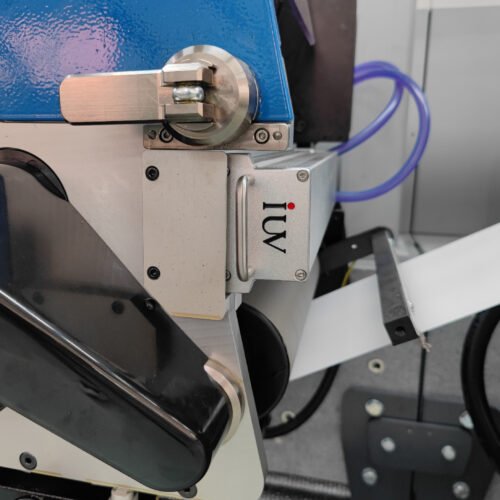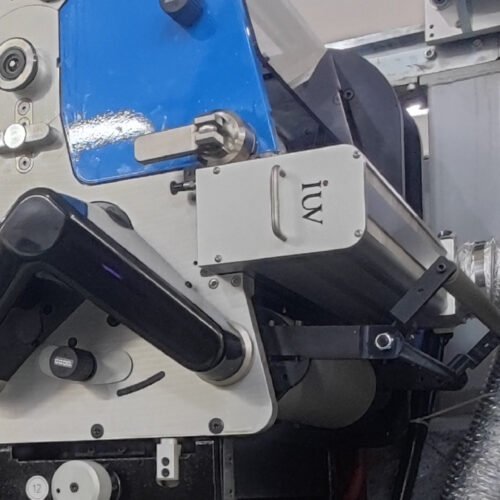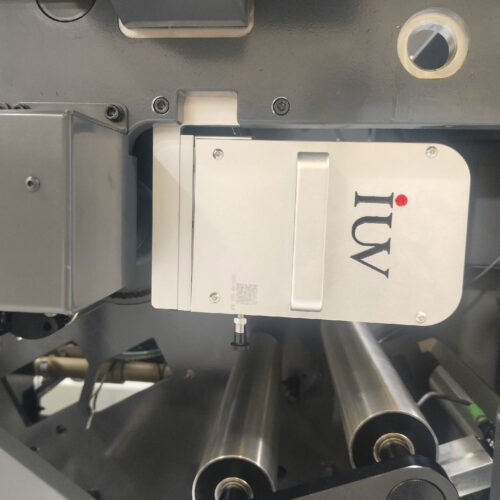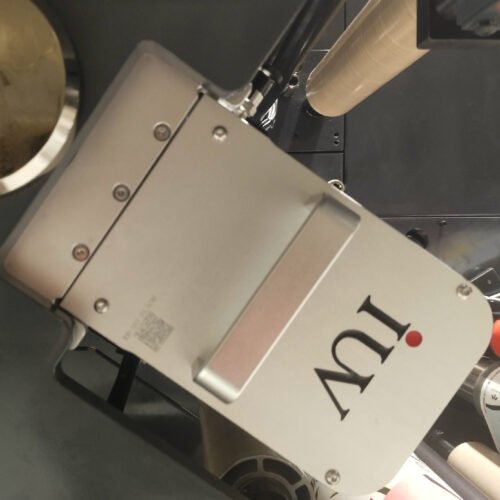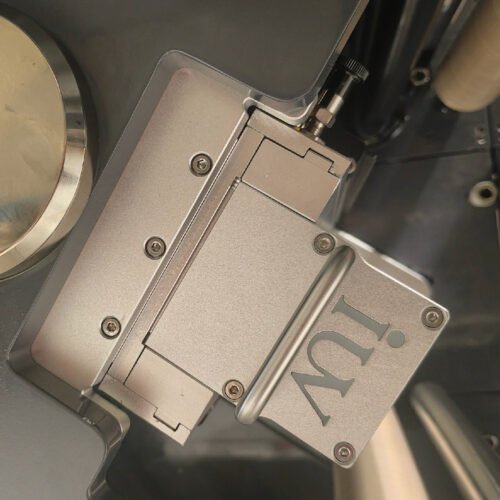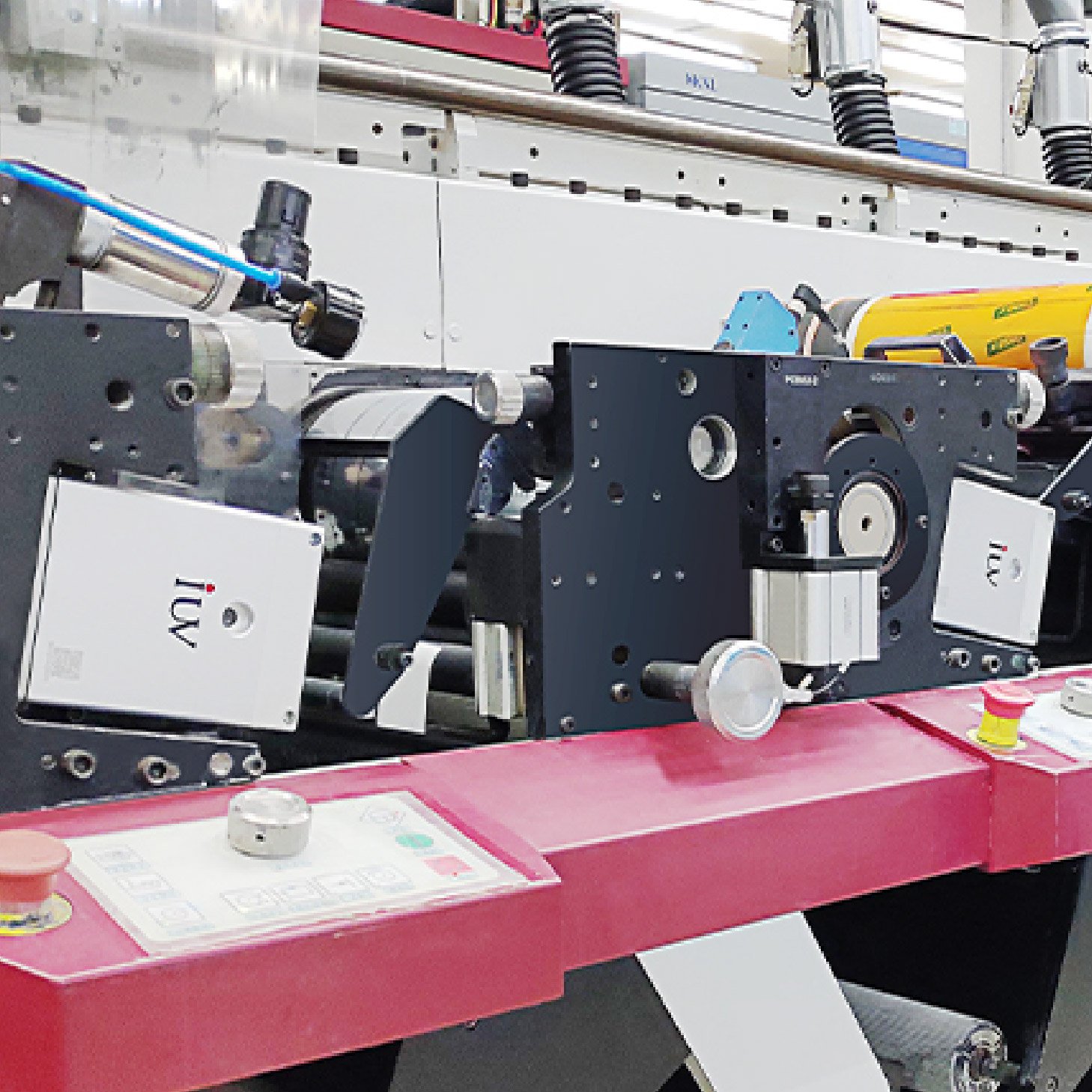
In today’s competitive printing industry, maximizing press efficiency is key to increasing productivity and reducing costs. The integration of synchronized LED curing system controls in printing presses has revolutionized the industry, offering faster curing times, enhanced print quality, and reduced energy consumption. This innovation is particularly beneficial for narrow web printing, flexographic printing, and UV curing in label printing. In this article, we will explore how synchronized LED curing system controls are optimizing press efficiency across various printing applications.
The Rise of LED UV Curing Technology
LED UV curing technology has gained significant traction in the printing world. Unlike traditional mercury-based UV lamps, LED UV lamps offer numerous advantages, including lower energy consumption, longer lifespan, and more precise curing control. This technology also facilitates faster drying times, which can drastically reduce production cycles, making it ideal for high-speed printing presses.
Synchronized LED curing system controls take this technology to the next level by ensuring that the curing process is perfectly aligned with the printing press speed. This synchronization eliminates inconsistencies in the curing process, preventing issues such as ink smudging or incomplete curing. As a result, printers can achieve higher-quality outputs with fewer reprints and reduced material waste.
Benefits of Synchronized LED Curing in Label Printing
Label printing, especially for high-volume production runs, requires precise control over curing to maintain color consistency and durability. Synchronized LED curing systems help meet these requirements by offering accurate, real-time adjustments to the curing process. This ensures that each label is cured evenly and to the exact specifications, whether it’s a delicate product label or a high-strength industrial label.
With synchronized LED curing, printers can control the intensity and duration of the UV light exposure, optimizing the curing process for different substrates and ink types. For example, some substrates like plastic or coated paper may require more intensive curing, while others may need gentler exposure to avoid damaging the material. This level of control is crucial in label printing, where variations in curing can lead to issues such as poor adhesion, smudging, or fading.
Impact on Flexographic Printing
Flexographic printing is one of the most common methods used in label and packaging applications. In this process, flexible plates are used to transfer ink onto various substrates, often at high speeds. The speed of the press and the ink’s ability to cure quickly are both critical factors in achieving high-quality prints.
Synchronized LED curing system controls enhance flexographic printing by ensuring consistent curing speeds in line with the press’s throughput. Flexo presses are often used for printing on a wide range of materials, including films, foils, and corrugated board. Each of these substrates requires a different curing approach, and the ability to synchronize the curing process with press speeds allows for optimal results without compromising on quality or efficiency.
By optimizing the curing process, printers are able to reduce waste, minimize energy usage, and improve the overall print quality. The synchronization of curing and printing speeds also leads to fewer operational delays, reducing the time spent on adjustments and reprints. This efficiency boost translates into a more streamlined workflow and increased profitability for businesses in the flexographic printing sector.
Enhancing Narrow Web Printing Efficiency
Narrow web printing, which is often used for labels, shrink sleeves, and flexible packaging, is a fast-paced segment of the printing industry. In these applications, achieving quick and effective curing is essential to keep up with production demands while maintaining high-quality outputs.
Synchronized LED curing systems allow narrow web printers to synchronize curing with press speeds, ensuring the ink is cured instantly as it passes through the system. This real-time synchronization improves throughput by preventing any bottlenecks that could arise from incomplete curing. As a result, printers can achieve greater efficiency, reduce downtime, and enhance production rates.
Additionally, synchronized LED curing ensures that printers can use more eco-friendly materials, such as water-based or solvent-free inks, without compromising on curing speed or quality. This makes narrow web printing a more sustainable option, appealing to brands that prioritize eco-conscious packaging solutions.
Synchronized Controls for Consistency and Quality
One of the standout features of synchronized LED curing systems is their ability to maintain a consistent curing process across multiple print jobs. Traditional UV curing systems often experience variations in curing intensity, which can lead to uneven ink distribution or poor adhesion. These inconsistencies are particularly problematic in high-quality applications, such as packaging and labels, where precision is paramount.
With synchronized controls, the curing process is adjusted in real-time to match the press speed and ink formulation. This ensures that each print job is cured uniformly, resulting in consistent color reproduction, sharp details, and excellent durability. Whether the press is running at a slower or faster speed, the curing process adapts accordingly, ensuring that the final product meets the desired specifications every time.
The Environmental Benefits of LED UV Curing
As the demand for more sustainable printing solutions continues to grow, the environmental benefits of LED UV curing technology cannot be overlooked. LED lamps consume significantly less energy compared to traditional mercury UV lamps, leading to reduced carbon emissions and lower electricity costs for printing operations. Additionally, LED lamps do not contain hazardous materials like mercury, making them a safer choice for workers and the environment.
By incorporating synchronized LED curing controls into their printing presses, printers can reduce their overall environmental footprint while increasing their operational efficiency. The precise control over curing also leads to fewer waste materials and less ink consumption, further contributing to sustainability efforts.
Conclusion
Synchronized LED curing system controls are transforming the way printing presses operate, offering significant advantages in terms of speed, quality, and energy efficiency. Whether used in narrow web printing, flexographic printing, or label printing, this technology ensures that the curing process is perfectly aligned with the press’s speed, leading to consistent results and reduced operational costs.
By maximizing press efficiency, printers can meet the increasing demand for high-quality, durable printed products while reducing waste and improving environmental sustainability. The integration of synchronized LED curing is not just a trend—it is a key to future-proofing printing operations in an increasingly competitive industry.