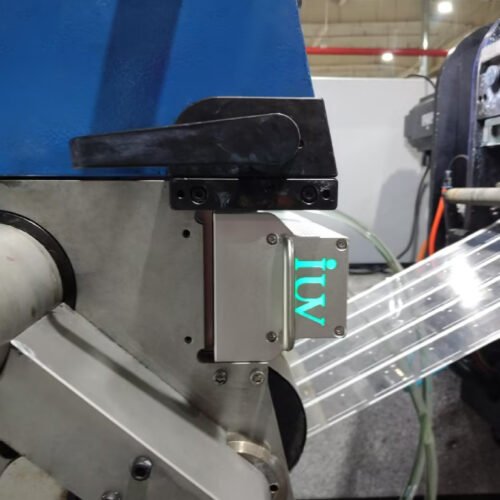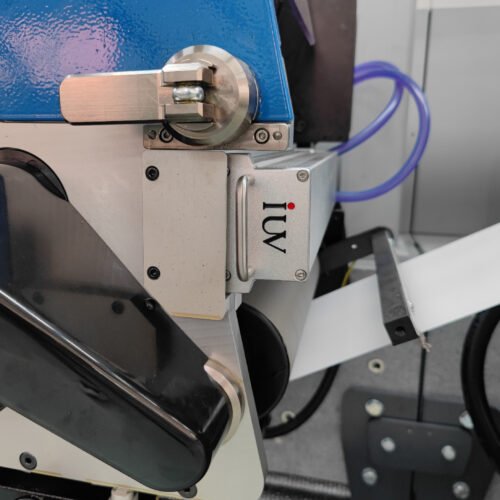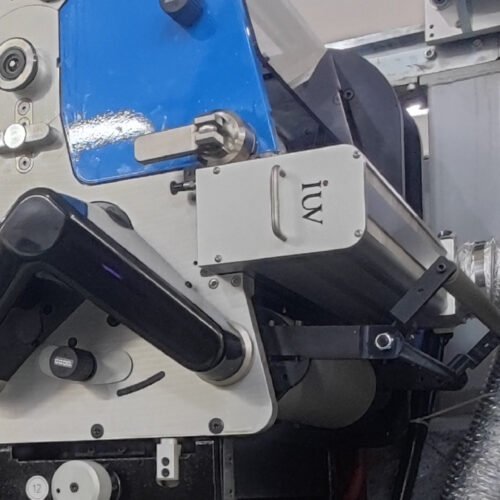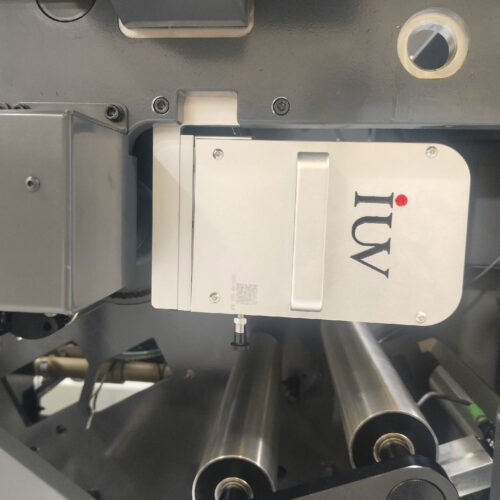
Optimizing printing efficiency and product quality in modern label printing demands the integration of advanced UV curing systems. When installing LED UV curing units on narrow web presses, understanding the unique challenges and opportunities within the specialist fields of label, flexographic (flexo), and offset printing, especially for process-varnished and multi-layer labels, becomes essential. This article explores critical design considerations to ensure seamless integration, optimum curing, and sustained production excellence.
Understanding the Unique Demands of Narrow Web Printing
Narrow web presses, commonly used for label printing, typically operate within widths from 8 to 20 inches. The compact footprint demands efficient use of space and precise alignment of curing units. The variety of print substrates such as paper, film, and foil, combined with the different ink and coating systems, require tailored curing solutions. The objective is to deliver uniform curing across all print and varnish layers, maintaining print sharpness and adhesion.
Key Advantages of LED UV Curing in Narrow Web Applications
LED UV curing offers numerous benefits over traditional mercury vapor lamps:
- Instant on/off capability reduces waste and energy consumption.
- Lower heat emission to prevent substrate distortion or warping.
- Longer service life and reduced maintenance requirements.
- Instant curing enables high-speed production.
- Environmentally friendly, with no mercury or ozone emissions.
These advantages align perfectly with the demands of high-quality label production, but the implementation requires careful consideration to maximize benefits.
Precision in LED System Placement and Integration
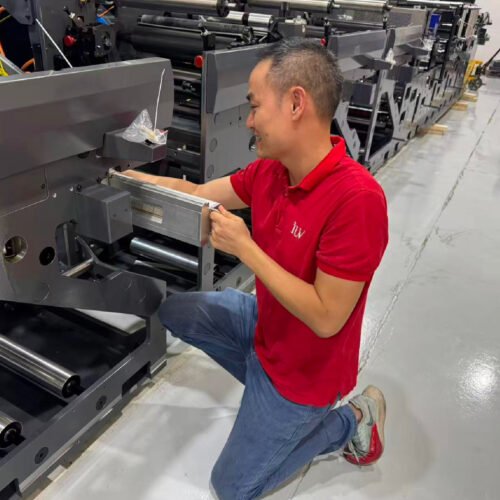
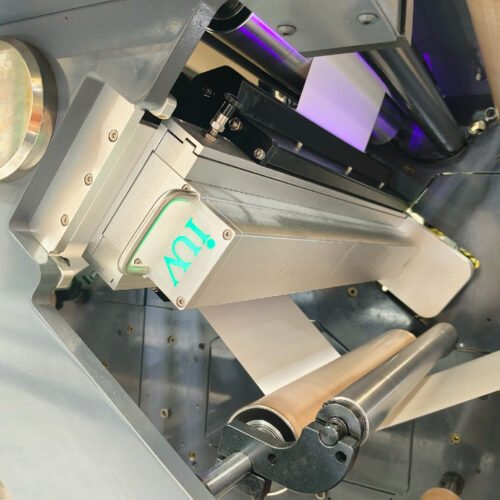
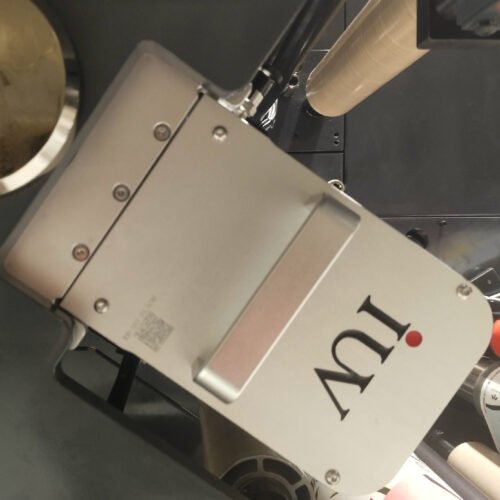
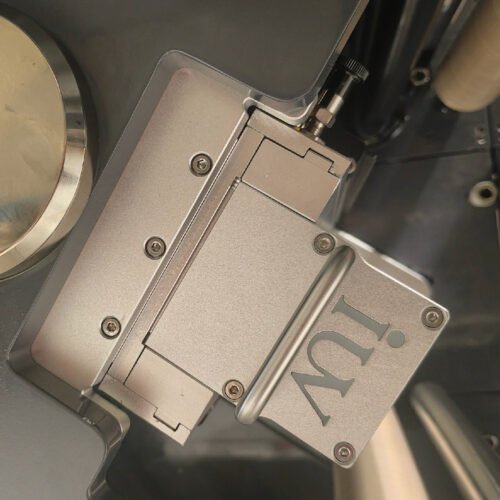
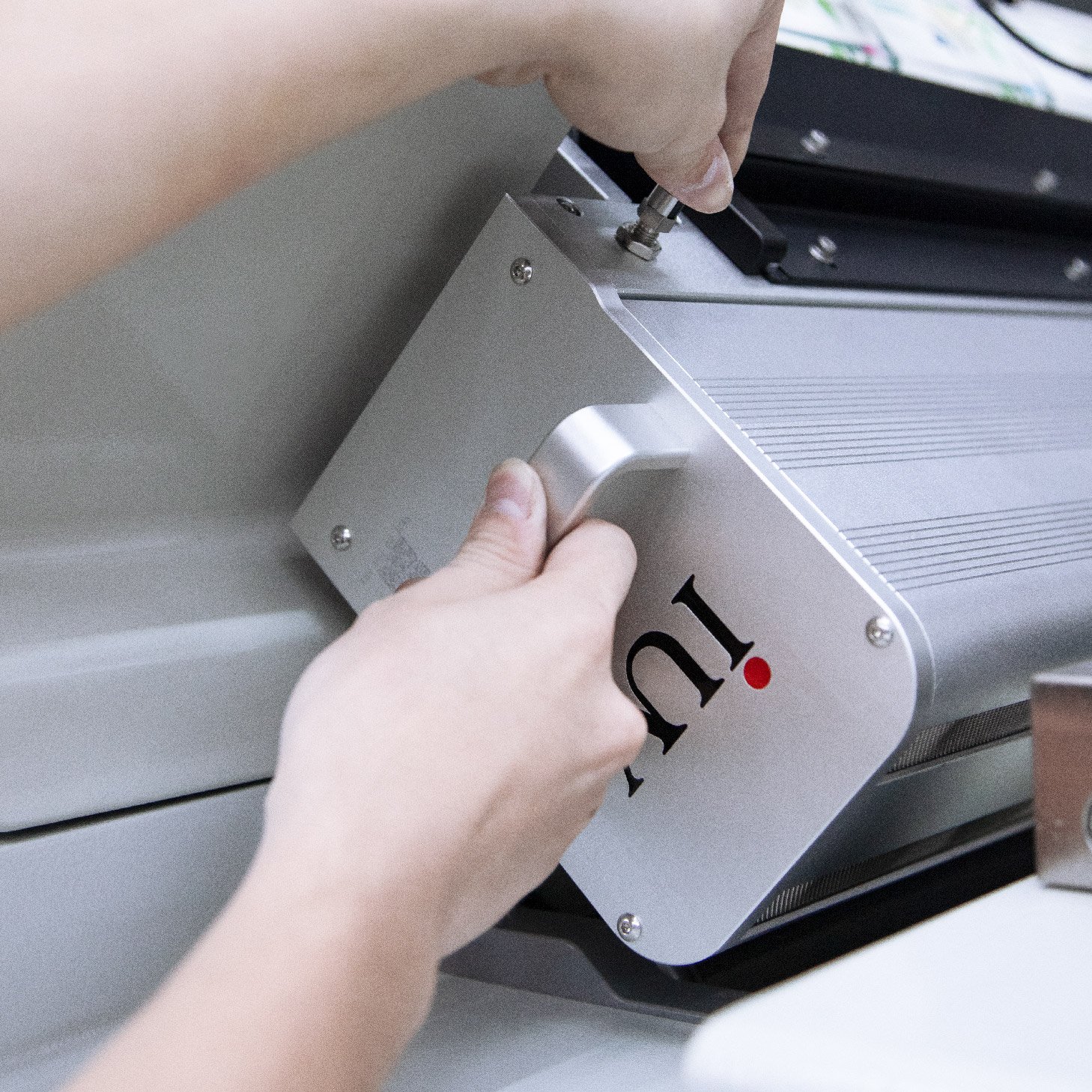
The placement of LED curing modules is critical for effective curing performance. Modules should be positioned as close as possible to the substrate surface to minimize cure spot size and ensure complete coverage, especially when working with thin film substrates or delicate materials. Incorporating adjustable mounting brackets facilitates fine-tuning of the LED position, allowing operators to adapt to different substrates and print job specifications.
Designing for uniform illumination across the web width is essential. Multi-module configurations can help achieve this by overlapping light zones or employing specialized reflector geometries. It’s crucial to design systems that can be easily calibrated and maintained, with minimal downtime during setup changes.
Heat Management and Cooling Strategies
While LEDs produce significantly less heat than traditional UV lamps, some heat generation still occurs. Proper thermal management ensures consistent intensity and prevents overheating of LED arrays or substrate warping. Integrated cooling systems, such as forced air or liquid cooling channels, should be incorporated into the LED module design.
In narrow web presses, space constraints may limit cooling device placement. Smart engineering solutions, like heat sinks with enhanced surface area or thermally conductive materials, can dissipate heat effectively. Careful airflow planning within the press environment also contributes to stable curing conditions.
Substrate Compatibility and Ink Interaction
Different substrates respond uniquely to UV curing. Films such as PET, PVC, or paper-based materials require specific LED UV wavelengths and intensities to achieve optimal curing without substrate damage. For label applications involving variable materials and finishes, the LED system’s emission spectrum should be adjustable or matched to the ink formulation.
Flexo and offset inks, especially those with sensitive varnishes or multilayer structures, benefit from precise control over curing parameters. Proper system calibration prevents issues like ink offset, color shifting, or incomplete curing. It’s important to collaborate with ink suppliers to select compatible formulations optimized for LED UV curing.
Curing Zone Design for Multiple Layers and Varnishes
Labels often incorporate multiple print layers, including opaque white underlayers, process colors, and protective varnishes. The curing system must be capable of selectively activating different zones to ensure each layer is properly cured without excessive energy that could degrade sensitive layers.
Designing modular curing zones enables stage-wise curing, improving adhesion and durability. For example, an initial curing zone can set the ink, followed by a secondary zone for clear varnish or gloss overlays. Advanced LED systems with adjustable wavelengths and intensities can accommodate distinct curing needs across multiple layers.
Process Optimization and Performance Monitoring
Effective LED curing system design involves integrating sensors and feedback loops to monitor curing quality in real time. Inline inspection systems can detect issues like under-cured areas or uneven coverage. Maintaining a consistent curing profile helps preserve print quality, color fidelity, and adhesion.
Furthermore, automation controls should facilitate quick adjustments to curing parameters based on substrate or ink changes. Establishing standard operating procedures for calibration and maintenance prolongs system lifespan and ensures high-quality output.
Environmental and Operational Considerations
LED UV systems should be designed with environmental sustainability in mind. Proper integration minimizes stray UV light and reduces energy consumption. The lighting housings must also be durable, resistant to vibration and contamination typical in print shop environments.
Operator safety features, such as shielding and interlocks, are vital for preventing accidental exposure. Additionally, careful attention to electrical wiring, grounding, and adherence to safety standards safeguards personnel and equipment.
Final Thoughts on Implementation Strategy
Selecting the right LED UV curing system for narrow web presses calls for a comprehensive approach. Consider the specific substrate types, print techniques, layer complexities, and production speeds in your operation. Customizable LED modules, flexible mounting options, and intelligent control systems enable the best results.
Close collaboration with equipment manufacturers, ink suppliers, and process engineers simplifies the integration process. Planning for future expansion or process upgrades can ensure long-term value from your LED curing investment. With meticulous design, precise placement, and ongoing performance evaluation, LED UV systems can significantly elevate narrow web label printing, ensuring high-quality, environmentally responsible products.