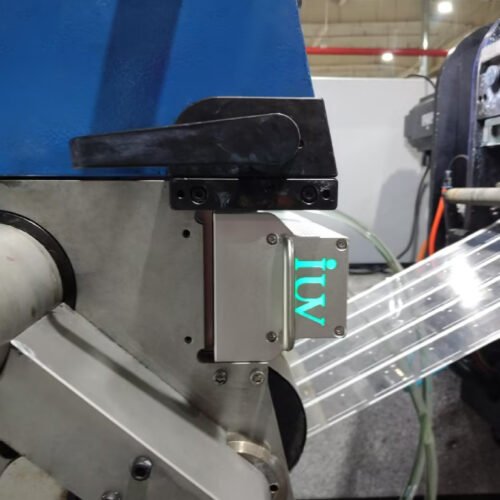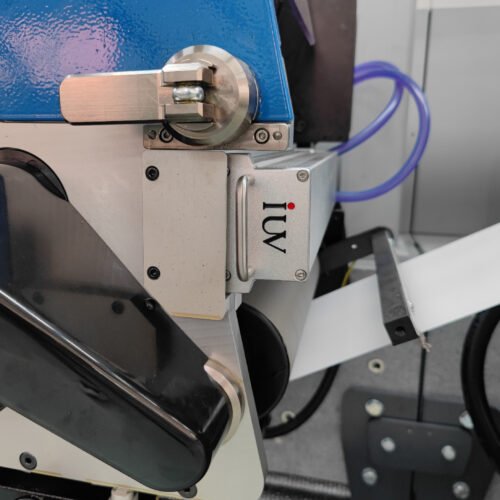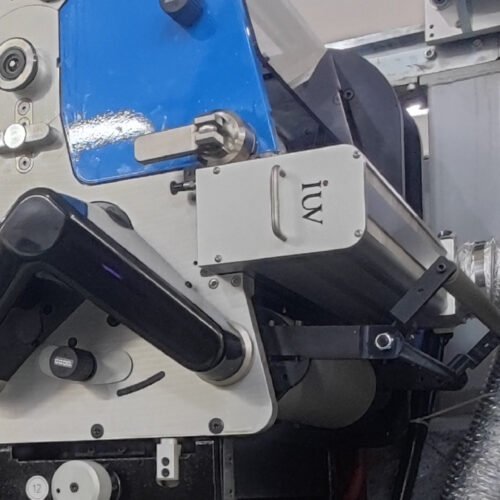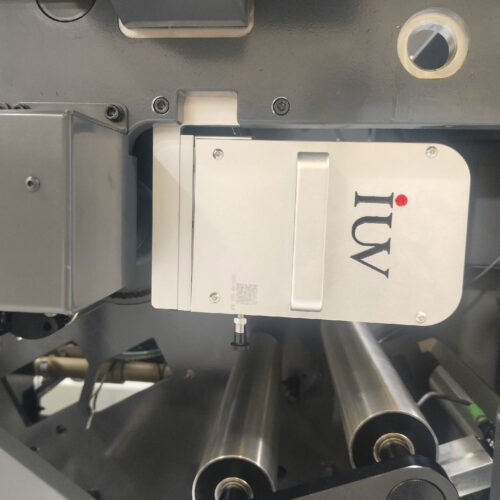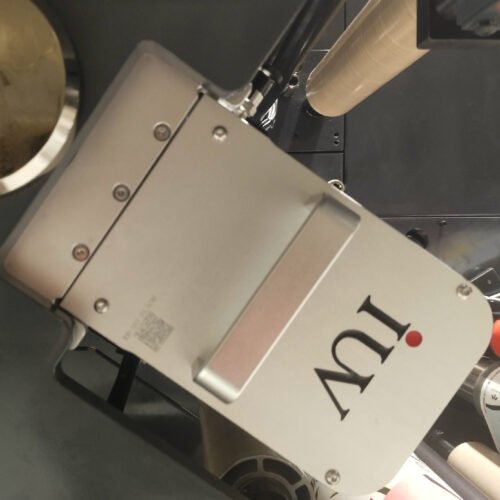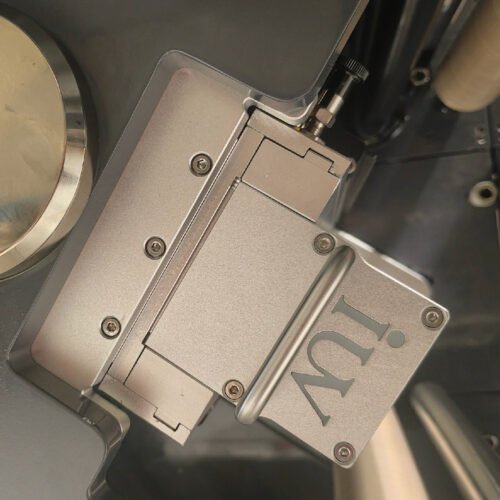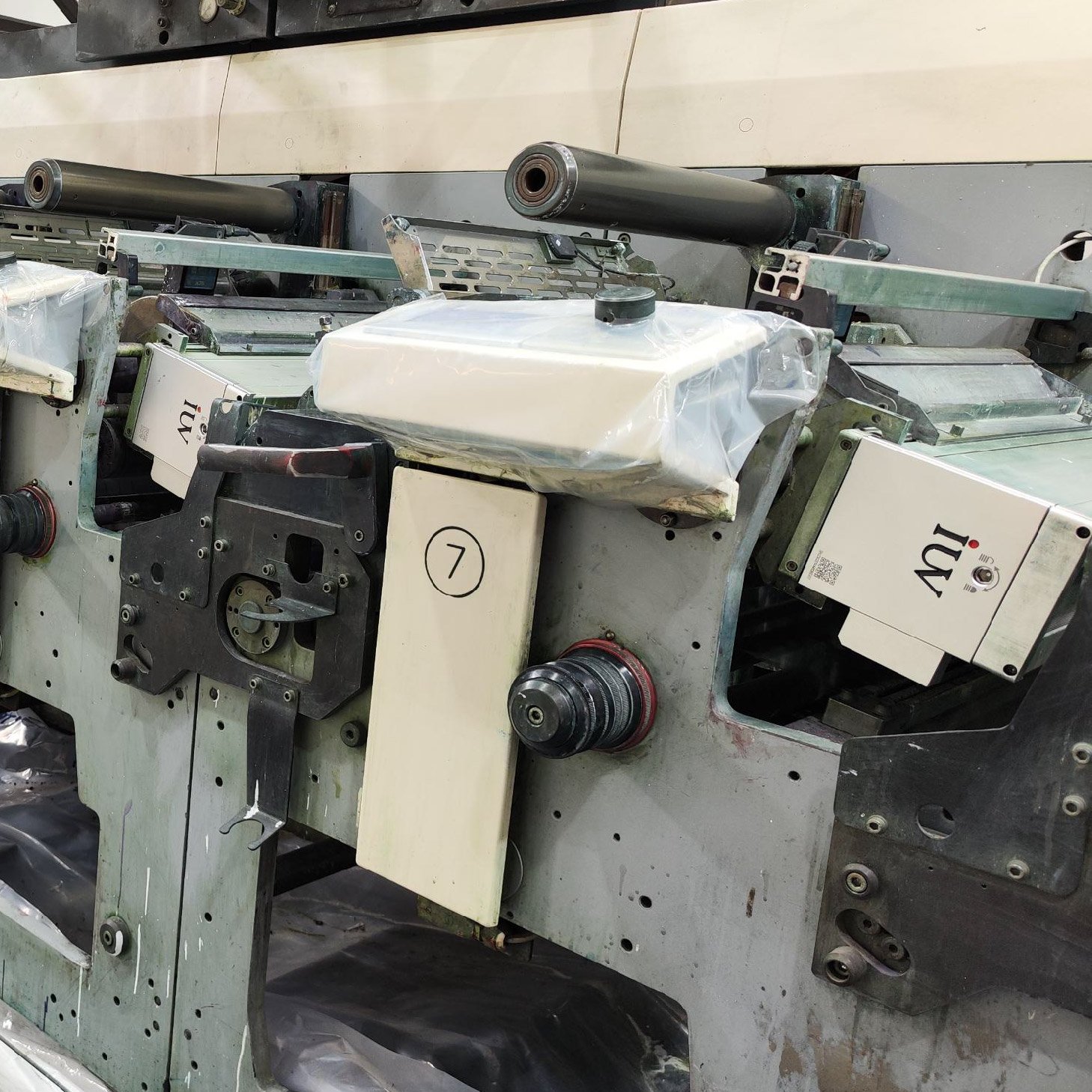
In the world of label printing, speed, precision, and quality are critical factors that influence profitability and brand reputation. As consumer demand continues to shift towards instant accessibility and eco-friendly practices, narrow web label production must evolve to meet these expectations. Among the technological advances shaping this industry, LED curing systems stand out as game-changers, promising faster production cycles, improved print quality, and enhanced sustainability.
The Rise of Narrow Web Label Printing
Narrow web printing refers to the process where labels and stickers are produced on rolls with a narrow width, typically less than 24 inches. This method is favored for its versatility, cost-efficiency, and suitability for short to medium runs. Types of printing used in this segment include flexography (flexo), letterpress, and UV offset. Among these, flexography dominates due to its ability to handle a variety of substrates, from paper to film.
Flexible, Fast, and Consistent: Flexography in Label Production
Flexography, often called flexo, uses flexible plates and fast-drying inks, making it ideal for high-volume label printing. Its capability to print on uneven surfaces and a wide range of materials contributes to the popularity of narrow web flexo presses. However, traditional UV curing methods in flexo have limitations, mostly related to energy consumption and curing speed, which can hamper efficiency in fast-paced production environments.
The Evolution Toward LED UV Curing Technology
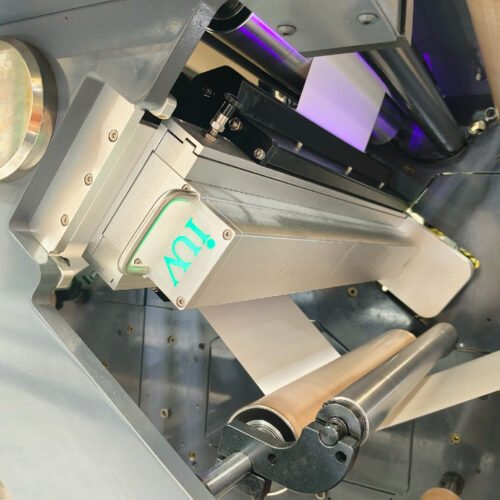
LED UV curing technology has emerged as a revolutionary alternative to traditional mercury vapor lamps. Unlike conventional UV systems that require warm-up time and generate significant heat, LED curing units operate instantly, consume less energy, and produce less heat. These advantages translate into shorter make-ready times, less material waste, and the ability to handle heat-sensitive substrates—crucial for label printing.
Advantages of LED Curing Systems in Narrow Web Flexo and Other Processes
- Rapid Curing and Increased Throughput: LED units deliver instant cure times, allowing presses to run at higher speeds without sacrificing quality. This efficiency is vital for meeting tight delivery schedules in label manufacturing.
- Energy Efficiency and Lower Operating Costs: LEDs consume significantly less power compared to traditional UV lamps, leading to reduced operational costs and a smaller carbon footprint.
- Enhanced Productivity and Less Downtime: The long lifespan of LED lamps reduces maintenance and replacement frequency, maintaining high machine uptime.
- Consistent and Uniform Curing: LEDs provide a stable light source, resulting in uniform ink curing across the substrate surface. This consistency is essential for producing vibrant, durable labels.
- Reduced Heat Generation: Lower heat emission prevents warping or damage to heat-sensitive substrates like certain films and specialty label materials, opening up new design possibilities.
Addressing the Needs of Narrow Web Label Production
Label printers demand equipment that adapts quickly and produces high-quality results. LED curing systems meet these needs by providing precise control over curing parameters, enabling better ink adhesion, sharper images, and richer colors. For flexo and other narrow web presses, integrating LED UV technology ensures that production lines can shift seamlessly between different substrates without extensive downtime or setup.
Enhancing Sustainability in the Label Industry
The global push toward sustainability makes LED UV curing especially appealing. Since LEDs generate less heat and do not contain hazardous mercury, they are more environmentally friendly. Their low energy usage aligns with eco-conscious manufacturing practices, improving a company’s environmental profile and complying with increasingly strict regulations.
Application of LED UV in Various Printing Techniques
- Flexography: LED curing allows for higher press speeds, improved color fidelity, and better ink curing on a variety of substrates. Flexo combines well with LED UV to produce labels that are vibrant, durable, and produced efficiently.
- Letterpress and Offset: These traditional printing techniques benefit from LED curing by reducing drying times and enabling fast throughput, especially on sensitive paper stocks.
- Silkscreen and Custom Applications: LED UV systems provide the necessary intense light for curing thick inks or specialty coatings used in custom label production.
Future Outlook for LED Curing in Narrow Web Label Manufacturing
The integration of LED UV curing systems is rapidly becoming standard in narrow web label production. As LED technology advances, we see the development of even more compact, versatile, and cost-effective solutions. These innovations will further improve processing speeds, reduce energy consumption, and expand the range of substrates that can be effectively cured.
Choosing the Right LED UV Solution
For label printers, selecting the appropriate LED curing system involves considering factors like:
- Compatibility with existing press configurations.
- Power output and curing strength suited for specific inks and substrates.
- Long-term operational costs and maintenance.
- Support for a variety of coatings and finishes.
It’s also important to evaluate the supplier’s experience in the narrow web sector, ensuring the equipment can be tailored to specific production needs.
Conclusion
LED curing systems are revolutionizing narrow web label production by aligning speed, quality, and sustainability goals. Their ability to deliver instant, uniform curing on a variety of substrates makes them indispensable for flexo and other press types in today’s competitive market. Embracing LED UV technology not only boosts productivity and reduces costs but also positions brands at the forefront of innovative, eco-friendly manufacturing practices. As the industry continues to evolve, the adoption of LED curing systems promises to be a defining factor in shaping the future of label printing.