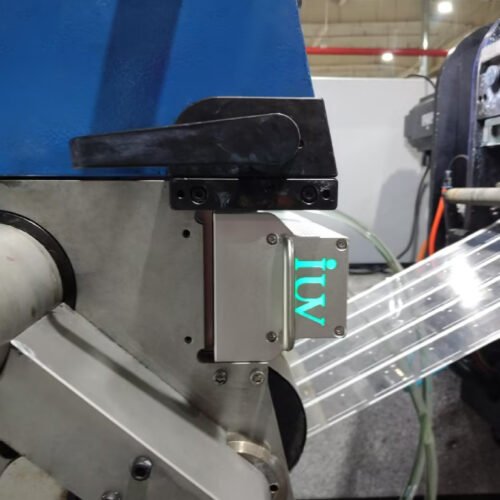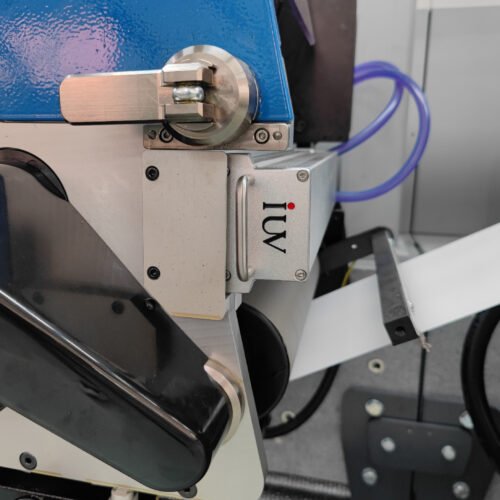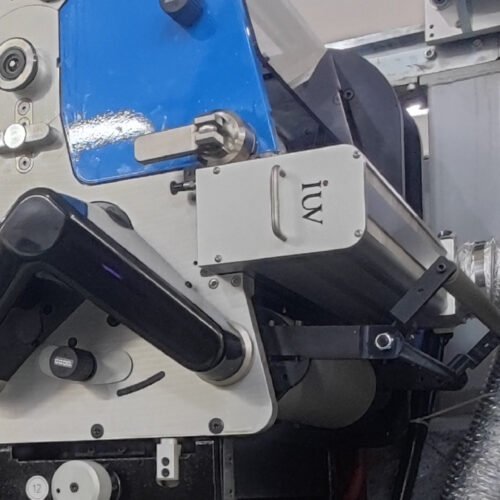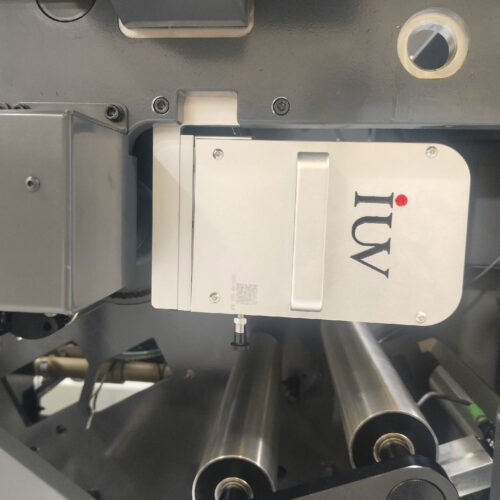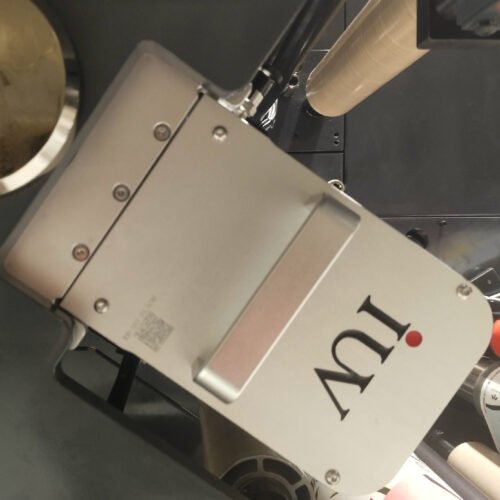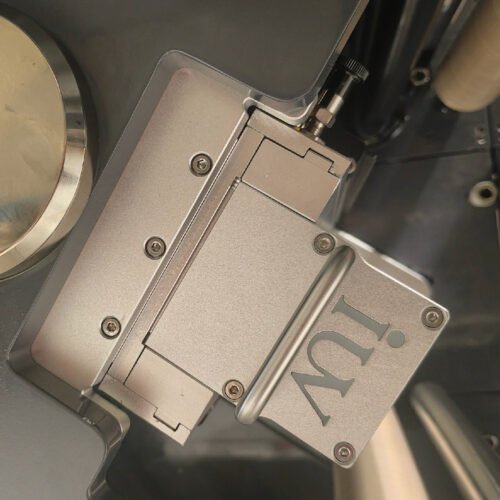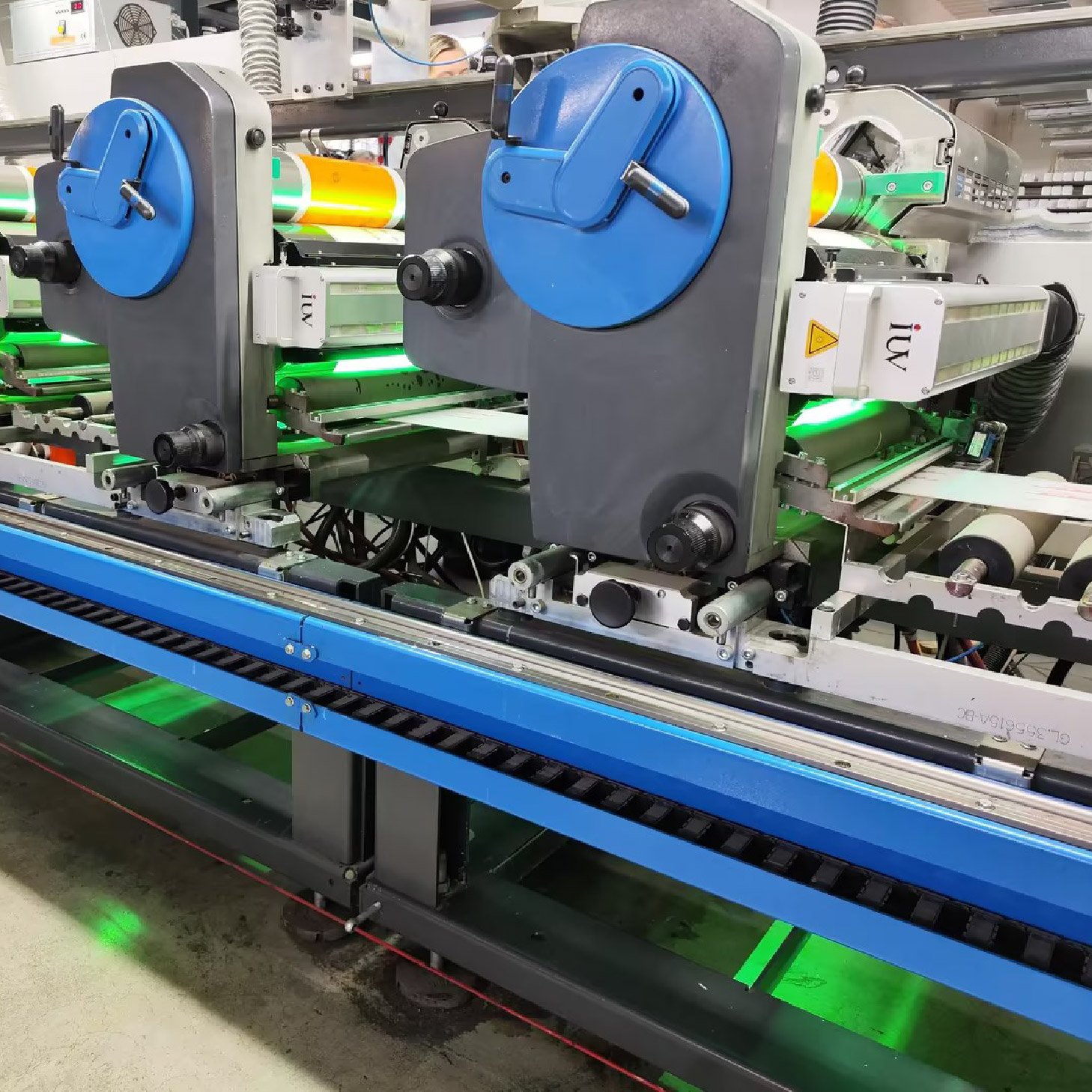
The rapid evolution of printing technology has transformed how labels, flexographic, letterpress, and narrow web printing are approached today. Central to this progression is the adoption of advanced LED curing systems. These systems significantly accelerate ink polymerization, resulting in elevated print quality, durability, and overall production efficiency.
The Role of LED Curing Systems in Modern Printing
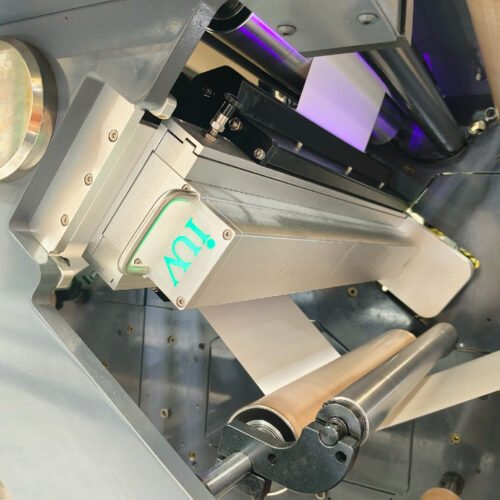
LED curing systems utilize ultraviolet (UV) light-emitting diodes to initiate and speed up the ink curing process. Unlike traditional mercury vapor lamps, LED UV units offer numerous advantages, such as instant startup, low heat emission, energy efficiency, and a compact design. These characteristics make LED UV curing highly suitable for various printing methods, especially those involving sensitive substrates like labels and flexible packaging.
How LED Curing Enhances Ink Polymerization
Polymerization is the chemical process that transforms liquid inks into solid films on the substrate. Faster polymerization ensures sharper images, vibrant colors, and increased print durability. LED UV systems emit specific UV wavelengths that activate photoinitiators in UV inks, dramatically reducing curing times. This rapid initiation accelerates ink film hardening, leading to shorter press cycles and higher throughput.
Benefits for Label Printing
In label printing, precise color registration and adhesion are paramount. LED curing provides rapid ink setting, which minimizes ink spread and maintains crisp edges. The quick curing also helps prevent smudging during handling, ensuring labels meet stringent quality standards. Additionally, the ability to cure inks instantly allows for efficient multi-layer printing and complex finishing effects.
Flexography and LED UV: A Perfect Match
Flexographic printing relies heavily on fast curing to keep up with high-speed production demands. LED UV curing systems enable immediate ink fixation, which significantly reduces drying times and prevents ink transfer to subsequent stations. This results in better registration accuracy, vibrant print images, and increased productivity. Moreover, LED curing’s low heat output ensures that sensitive flexographic substrates, such as thin films and foils, are not deformed or damaged during the process.
Letterpress Printing and the Advantages of LED Technology
Although letterpress is an older printing method, integrating LED UV systems revitalizes its capabilities. The quick curing process enhances ink adhesion and reduces overall production time. The energy-efficient nature of LED UV ensures less heat generation, preserving delicate paper qualities and allowing for more intricate designs with finer details. Substrates like textured papers benefit from precise curing that improves overall print clarity.
Narrow Web Printing with LED UV
Narrow web printing, used extensively for labels, stickers, and special packaging, demands high speed and detail. LED UV curing complements these needs by ensuring rapid ink polymerization without sacrificing quality. Because LED systems require less maintenance and have longer lifespans, they support consistent print results across large production runs. This consistency minimizes material waste and unplanned downtime, elevating overall operational efficiency.
UV Curing and Its Impact on Print Durability
One of the key advantages of UV curing is the exceptional durability of the printed images. LED UV curing results in deeply cross-linked ink films that are resistant to chemicals, scratching, and fading. This is especially vital for labels and packaging that encounter diverse environmental conditions. The fast curing times also translate into immediate handling and shipping, reducing the risk of smudging or damage during transit.
Environmental and Cost Benefits
LED UV systems are more environmentally friendly than traditional UV curing units. They consume less energy, emit no mercury, and generate minimal heat, reducing the need for cooling and ventilation. These benefits lead to lower operational costs and support sustainability initiatives. For printers, this means a cleaner workspace, reduced waste, and a smaller carbon footprint.
Versatility Across Substrates and Inks
The flexibility of LED UV technology extends to its compatibility with a wide range of inks and substrates. Whether printing on flexible films for labels or textured papers for premium packaging, LED curing ensures consistent results. Its ability to cure UV inks quickly and effectively enhances overall print quality and longevity, while also enabling creative effects like spot curing and textured finishes.
Increasing Throughput and Reducing Waste
Faster curing translates into higher production speeds, which is critical in competitive markets. LED UV systems enable rapid start-up and reduced cure times, resulting in shorter press cycles. Additionally, the precise curing ensures minimal ink wastage and fewer reprints, boosting cost efficiency. For label and narrow web printers, these improvements contribute directly to increased profitability.
Innovation and Future Trends
As LED UV technology continues to evolve, new innovations like hybrid curing systems and multi-wavelength LEDs are emerging. These advancements aim to further improve curing speeds, energy efficiency, and substrate compatibility. The integration of LED curing into digital printing workflows promises even more customization and shorter turnaround times, aligning with the demands of modern packaging and labeling industries.
Final Thoughts
The integration of LED curing systems into the printing process is not just a technological upgrade; it redefines efficiency and quality standards across various printing domains. From labels to flexography, letterpress, and narrow web applications, LED UV curing systems offer unparalleled speed, durability, and eco-friendliness. As the industry continues to embrace these innovations, printers will benefit from faster turnaround times, enhanced print integrity, and sustainable operations, shaping the future of high-quality, resilient printing solutions.