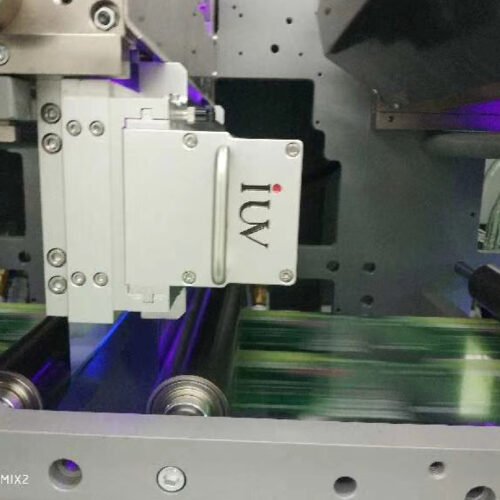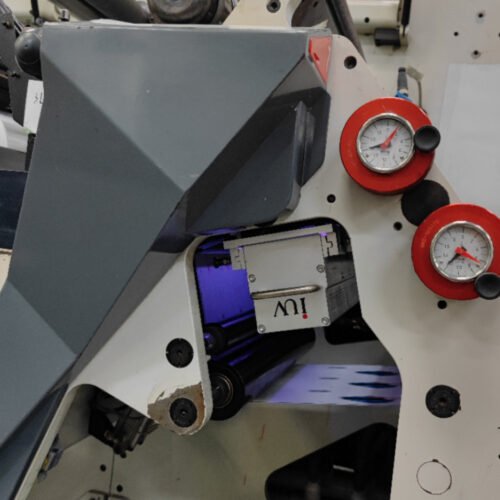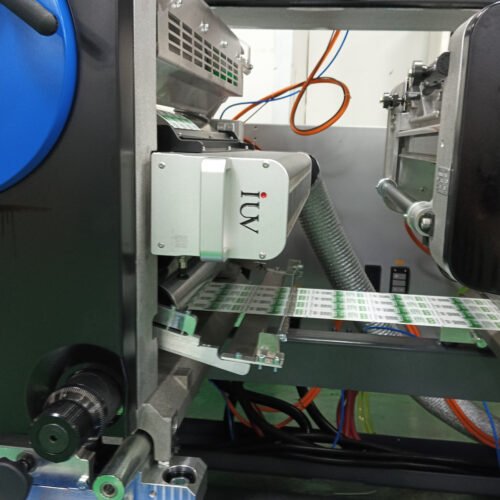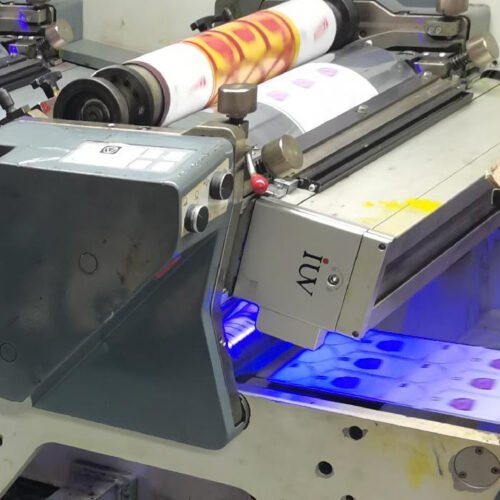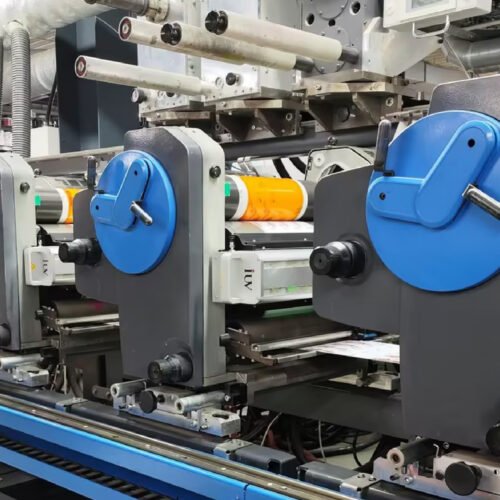
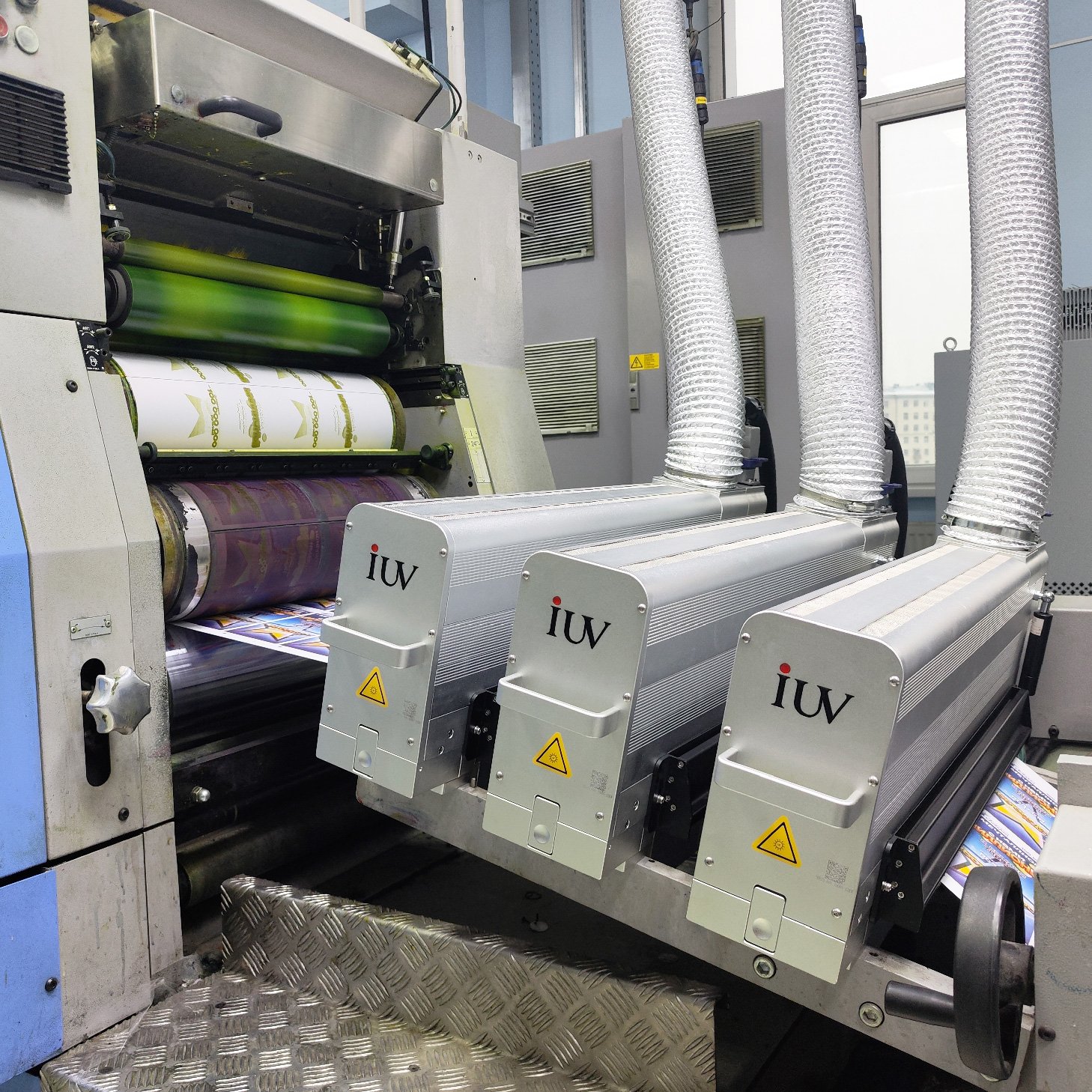
The evolution of energy-efficient solutions in the printing industry is reshaping how businesses approach sustainability and operational costs. Among these innovations, LED curing systems have emerged as a game-changer—especially within flexographic printing and narrow-width press applications. Their integration is transforming energy consumption patterns across various printing processes, including labels, tags, and flexible packaging.
The Rise of LED UV Curing in Flexographic Printing
Flexography, known for its high-speed production and versatility, has long depended on traditional UV curing units. These systems, often bulky and energy-intensive, present limitations in terms of curing efficiency and environmental impact. LED UV curing technology offers a notable alternative, providing precise, instant illumination that drastically reduces energy consumption.
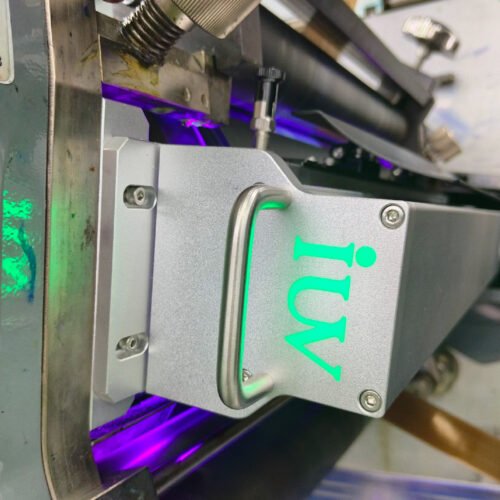
LED curing units utilize a specific wavelength of light tailored to initiate quick polymerization of UV inks and coatings. This targeted approach means less energy is wasted, and the process becomes more controllable. In the context of flexible packaging, label production, and other narrow-width printing applications, LED systems prove highly effective in delivering consistent quality while consuming significantly less power.
Energy Efficiency and Speed Advantages
One of the most compelling factors driving the adoption of LED curing systems is their remarkable energy efficiency. Unlike traditional mercury vapor lamps, which require warm-up periods and consume considerable power consistently, LED units operate instantly at full power when needed. This eliminates standby energy draw, reduces heat generation, and cuts overall electricity costs.
Moreover, LED curing allows for higher production speeds. The quick start-up and instant curing enable rapid printing cycles, reducing downtime and increasing throughput. For narrow web presses where speed and turnaround time are critical, this translates into higher productivity without sacrificing quality.
Environmental Benefits and Reduced Waste
Lower energy consumption aligns well with broader sustainability goals. By cutting electricity usage, LED systems contribute to reduced greenhouse gas emissions. They also generate less heat during operation, which minimizes cooling requirements and decreases overall thermal load in the pressroom.
This reduction in heat has additional benefits—for instance, decreasing the likelihood of ink drying issues or material warping, especially crucial when printing sensitive labels and tags. The stability provided by LED UV curing improves print accuracy and consistency, leading to less waste and rework.
Superior Compatibility with UV Inks and Coatings
LED curing technology enhances the performance of UV inks and coatings used in label and flexible packaging printing. These inks are formulated to cure quickly under UV light, and the precision wavelength of LED units ensures optimal adhesion and durability.
This compatibility broadens the range of substrates usable in narrow-web presses, including films, foils, and specialty papers. Moreover, because LED lamps emit less heat, there’s an advantage in printing on heat-sensitive materials—a vital factor for label printers requiring high-quality, durable graphics.
Benefits for Narrow-Width and Specialty Printing
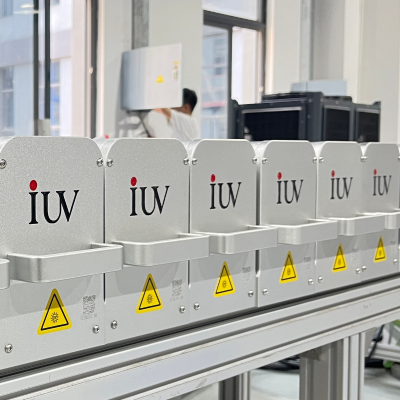
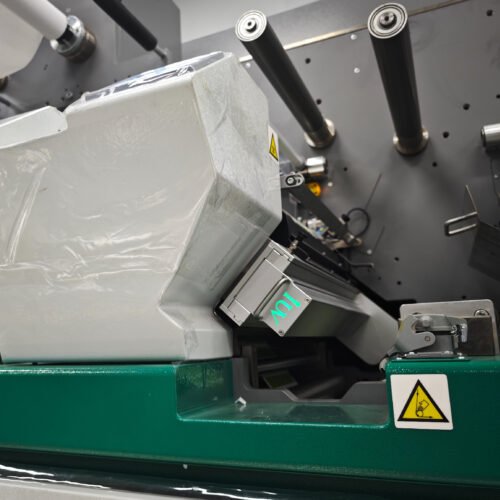
In narrow-width presses, space is often limited, and equipment demands efficiency both in space and energy. LED UV curing units are compact, lightweight, and easy to integrate into existing setups, making them ideal for specialty applications like label printing, tag production, and other short-run jobs.
The instantaneous curing process allows for more intricate and detailed print designs without extended setup times. Additionally, precise energy delivery results in sharper images and vibrant colors, improving the visual appeal of branding elements on labels and flexible packaging.
Enhancing Quality and Productivity with LED Systems
The improved curing uniformity provided by LED systems ensures consistent print quality across the entire web length. This consistency reduces the likelihood of defects such as smudging, web distortion, or incomplete curing. For jobs requiring fine details or vibrant color contrasts—like security labels or high-end product tags—the reliable curing process plays a critical role in achieving premium results.
Furthermore, the reduced heat generation allows for printing on heat-sensitive substrates, enabling new creative possibilities. Shorter curing times shorten overall job cycle times and contribute to just-in-time production models.
Implementation and Cost Considerations
While the initial investment in LED curing systems might be higher than traditional options, the long-term savings justify the upgrade. Lower energy bills, decreased maintenance needs—since LEDs have longer lifespans—and reduced waste translate into substantial savings over time.
The modular design of modern LED units also offers scalability, allowing printers to upgrade or expand their curing capabilities as production demands evolve. For retrofitting existing presses, integration can be simplified with minimal downtime, making transition smooth and cost-effective.
Future Trends in LED Curing for the Printing Industry
As LED UV curing technology advances, expect further improvements in wavelength customization, curing speed, and energy efficiency. Innovations may include smarter control systems that optimize power based on real-time production demands, and broader compatibility with a wider range of inks and substrates.
These developments will continue to shape the landscape of label printing, narrow web manufacturing, and flexible packaging. Embracing LED curing aligns with growing environmental awareness while supporting high-quality, efficient production workflows.
Conclusion
The move toward LED UV curing systems signifies a significant shift in energy consumption patterns in the printing sector. Especially within flexographic, label, packet, and narrow-band printing, these systems deliver the dual benefit of operational efficiency and sustainable practices. By reducing energy demand, improving print quality, and expanding creative options on heat-sensitive substrates, LED curing is setting a new standard for modern printing solutions—turning environmental responsibility into a competitive advantage.