Why LED Curing Systems Are a Game-Changer for Offset Printers
The printing industry is continuously evolving, with innovations that drive efficiency and improve overall production quality. One of the most significant breakthroughs in recent years has been the integration of LED curing systems in offset printing. These systems, which utilize ultraviolet (UV) light to rapidly cure inks, are transforming the way printers approach production processes. Whether you’re involved in label printing, flexographic printing, or narrow-web printing, LED curing technology offers a multitude of benefits that can improve both the quality and efficiency of your work.
The Basics of LED Curing Technology
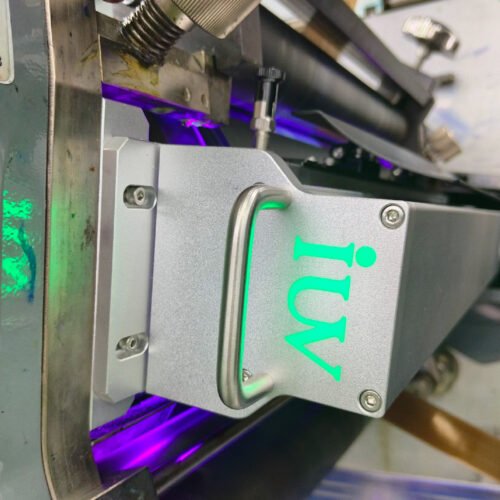
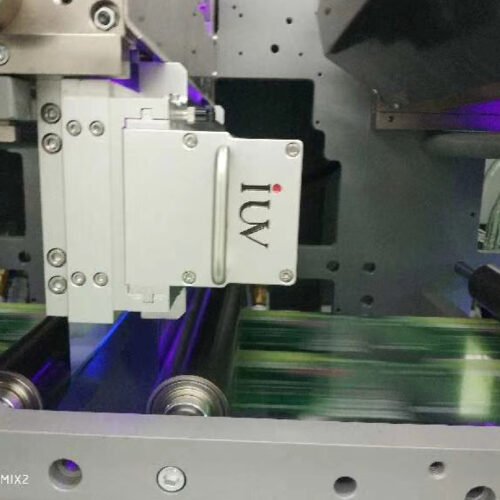
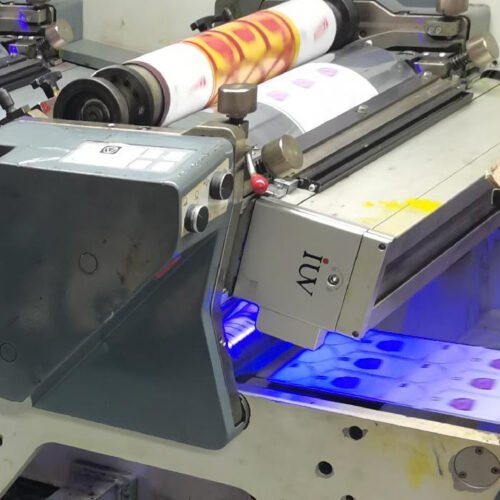
LED curing refers to the process of using ultraviolet light to cure or dry inks on paper or other materials. Unlike traditional curing systems that rely on mercury vapor lamps, LED curing uses light-emitting diodes (LEDs) to produce UV light. The key advantage of LED systems is that they operate at lower temperatures and consume less energy, making them more efficient and environmentally friendly.
In offset printing, where ink is transferred from a plate to paper through rollers, curing is a crucial step in ensuring that the print does not smudge or fade. LED UV curing systems have become particularly appealing for high-quality print jobs that require quick drying times, such as label printing or high-speed commercial printing.
Advantages of LED Curing for Offset Printing
1. Faster Drying Times
One of the most significant advantages of LED curing systems is their ability to dry ink almost instantly. Traditional curing methods can take several minutes to fully dry the ink, which can slow down production and increase the risk of errors. LED curing, on the other hand, works rapidly, allowing for faster turnaround times and a more efficient workflow. This is particularly beneficial for high-volume printing jobs, where speed is crucial to meeting tight deadlines.
2. Enhanced Print Quality
LED curing systems ensure that the ink remains intact, vibrant, and consistent across the printed material. Since the ink dries almost immediately, there is less risk of smudging, color shifting, or inconsistencies, especially on challenging substrates like non-porous materials. Whether you’re printing labels, flexible packaging, or narrow-web designs, LED curing ensures a high-quality finish that meets the demands of modern customers.
3. Reduced Energy Consumption
LED curing systems are more energy-efficient compared to traditional mercury vapor lamps. They use less power and generate less heat, which results in lower electricity costs and a more sustainable operation. Given the rising costs of energy, adopting LED curing can have a significant impact on the overall cost-efficiency of the printing process.
4. Greater Substrate Compatibility
Traditional UV curing systems may not be suitable for all materials, especially thinner or heat-sensitive substrates. LED curing, however, can cure ink effectively on a wider range of materials, including paper, plastic, film, and more. This makes it an ideal choice for printers involved in producing labels or packaging, as these substrates often vary in thickness and composition.
5. Longer Lamp Lifespan
LED lamps have a much longer lifespan than traditional UV lamps. This means less frequent replacements, which ultimately reduces maintenance costs and downtime. Additionally, LED lamps do not require warm-up time, which further contributes to operational efficiency.
LED Curing in Label and Flexographic Printing
Label Printing
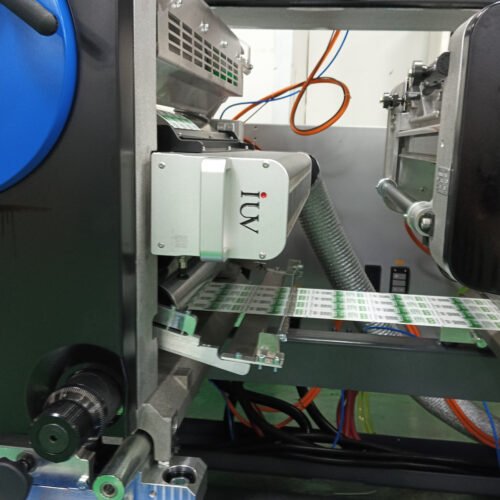
LED curing systems are particularly beneficial for label printing, where fast curing and high-quality finishes are essential. Labels are often printed on non-porous materials such as plastic or foil, which makes quick drying necessary to prevent smearing. The instant curing provided by LED UV light ensures that the labels are ready for finishing processes like die-cutting or laminating without any delays.
Moreover, the ability to print on various substrates without compromising ink adhesion or quality makes LED curing a versatile solution for label printers. Whether you’re printing wine labels, food packaging, or promotional stickers, LED curing systems offer the reliability and efficiency needed to maintain high standards.
Flexographic Printing
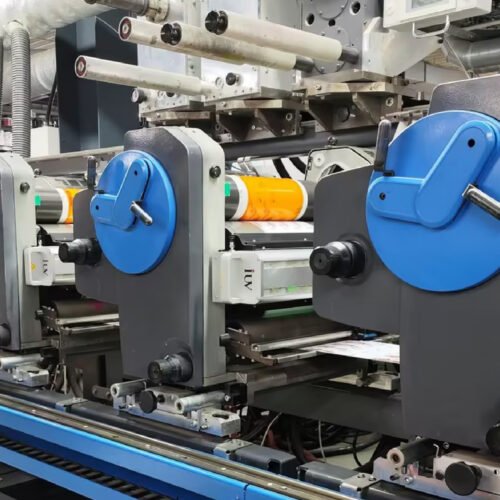
Flexographic printing, often used for packaging materials, also benefits significantly from LED curing. The fast curing time ensures that the inks dry before they come into contact with other parts of the printing press or packaging materials. In flexography, where multiple layers of ink are often applied, LED curing prevents issues like ink bleeding or color distortion.
The environmental benefits of LED curing in flexographic printing cannot be understated. As regulations around solvent-based inks and volatile organic compounds (VOCs) become stricter, LED curing offers a more eco-friendly solution, as it emits little to no VOCs and requires no additional drying time.
Narrow-Web Printing and UV Curing
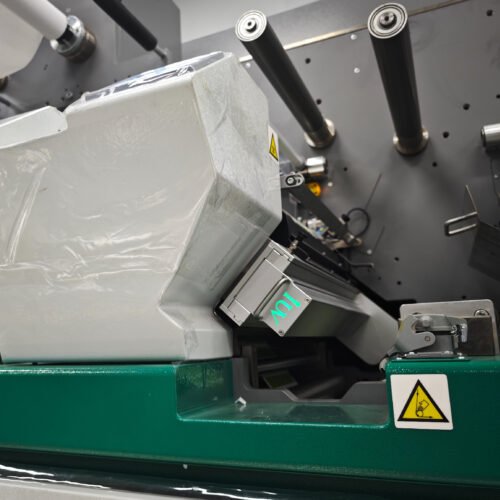
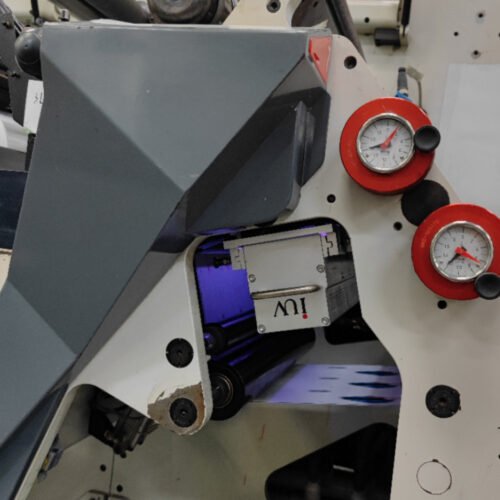
Narrow-web printing is another area where LED UV curing is gaining traction. Narrow-web presses are used for printing labels, tags, and other small-format materials. The integration of LED curing systems into narrow-web presses results in a smoother, faster, and more energy-efficient operation.
Because of the smaller print areas and high precision required in narrow-web printing, the fast-drying characteristics of LED curing allow printers to achieve intricate designs without the risk of smudging or misalignment. This is crucial when working with small typefaces or detailed graphics, where consistency and sharpness are essential.
Environmental Benefits of LED Curing
As industries across the globe strive to reduce their environmental impact, LED curing offers significant environmental advantages over traditional curing systems. One of the primary benefits is the reduction in energy consumption. LED systems consume up to 80% less power than conventional mercury vapor lamps, which is a notable improvement in sustainability.
Additionally, LED curing systems produce no ozone, which means they do not require ventilation systems to remove harmful emissions. This leads to a cleaner working environment, which benefits both operators and the surrounding community.
Conclusion
LED curing systems are undeniably changing the landscape of offset printing. From faster drying times to superior print quality and energy savings, the advantages are clear. For label printers, flexographic printers, and narrow-web printing operations, adopting LED UV curing is a smart move that enhances both productivity and environmental sustainability. As the technology continues to evolve, it will likely become an even more integral part of modern printing processes, driving further innovation and helping the industry meet the demands of the future.
By embracing LED curing, offset printers can stay ahead of the curve, offering higher quality products at faster speeds, all while reducing energy consumption and improving their environmental footprint. Whether you’re looking to increase throughput or simply improve the quality of your print jobs, LED curing systems represent the future of efficient, high-quality printing.