Enhancing Offset Printing Efficiency with LED Curing Technologies
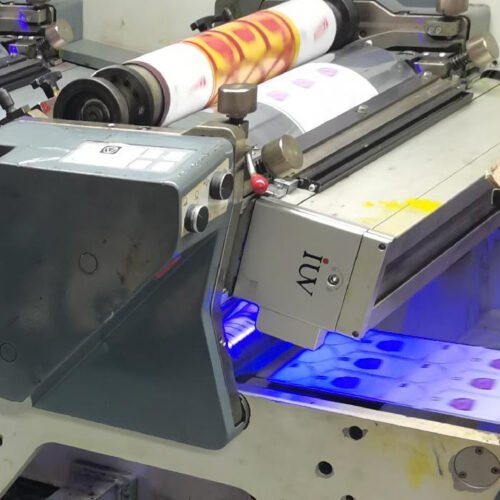
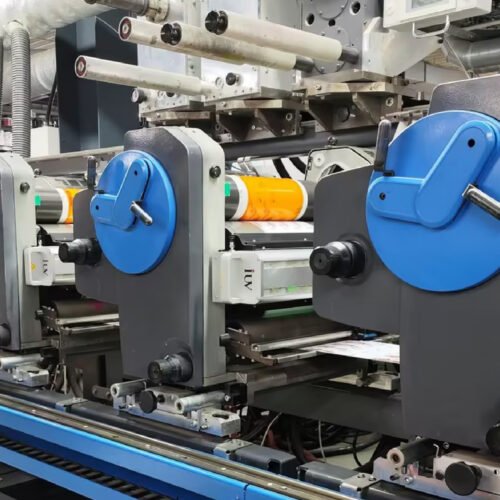
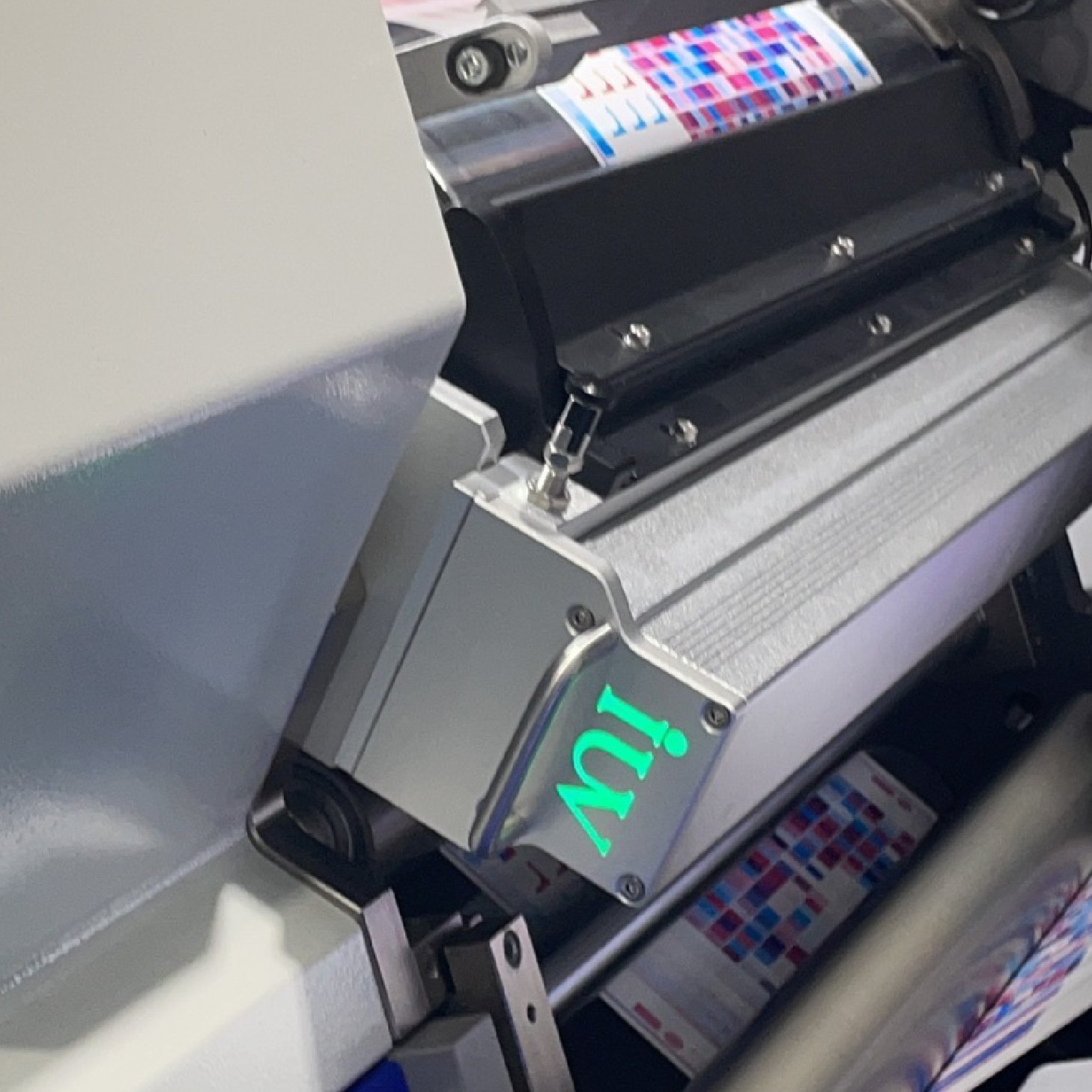
In the competitive world of modern printing, maximizing productivity while maintaining high quality is essential. LED UV curing systems have become a vital component in offset printing, offering faster throughput, improved sustainability, and superior print results. This article explores how integrating LED UV curing can elevate various printing processes, including label printing, flexography, gravure, and narrow-width printing, with a focus on optimizing production output.
The Rise of LED UV Curing in Offset Printing
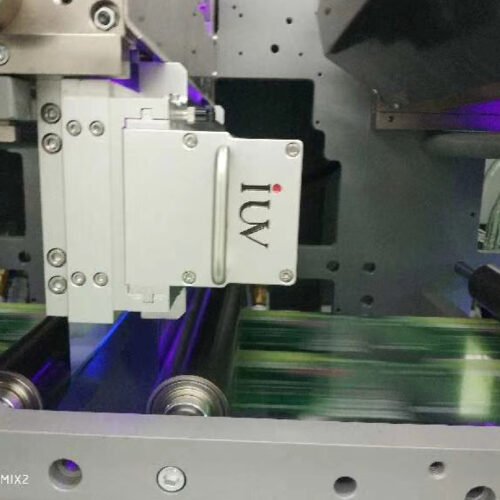
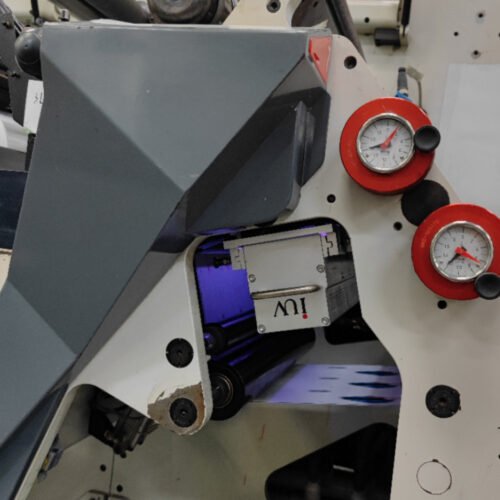
Traditional curing methods, such as mercury vapor or incandescent lamps, often involve longer curing times and generate higher heat. LED UV curing offers a significant advancement by providing instant, energy-efficient curing with minimal heat.
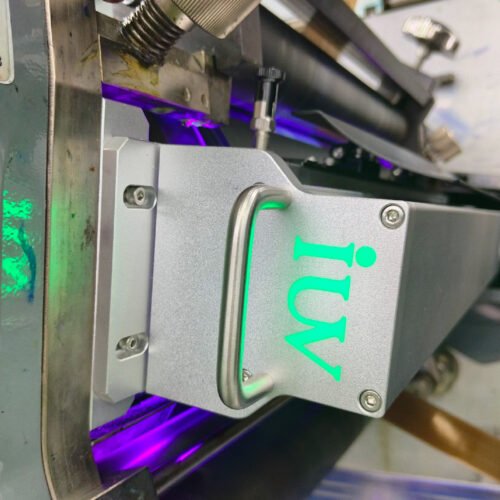
LED systems use specific light wavelengths targeting photo-initiators in UV inks and coatings. This results in rapid polymerization, significantly reducing drying or curing times, which boosts overall production speed and allows printing presses to operate more efficiently.
Advantages of LED UV Curing in Offset Printing
- Increased Throughput and Reduced Downtime: Fast curing times eliminate bottlenecks caused by lengthy drying processes. Printing jobs move from press to finishing without delays, raising daily output.
- Energy Efficiency and Sustainability: LED lamps consume less power and have longer lifespans, reducing energy costs and environmental impact. Their instant on/off capability minimizes wasteful energy use.
- Enhanced Quality and Durability: UV-LED curing enhances adhesion, resulting in brighter colors, sharper images, and high-quality finishes. The rapid cure also offers better scratch and chemical resistance.
- Process Flexibility: LED UV systems are compatible with a broad range of substrates, including heat-sensitive materials used in label and flexible packaging printing.
Optimizing Label Printing with LED Curing
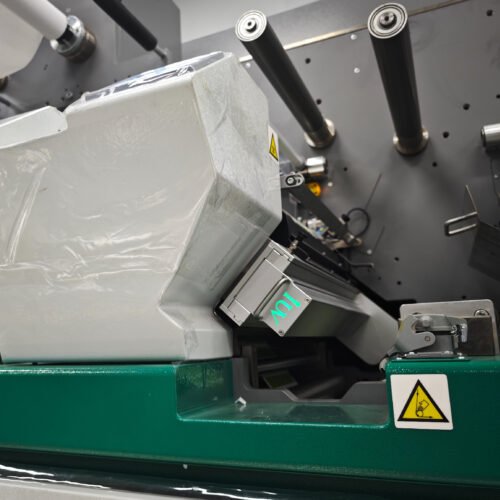
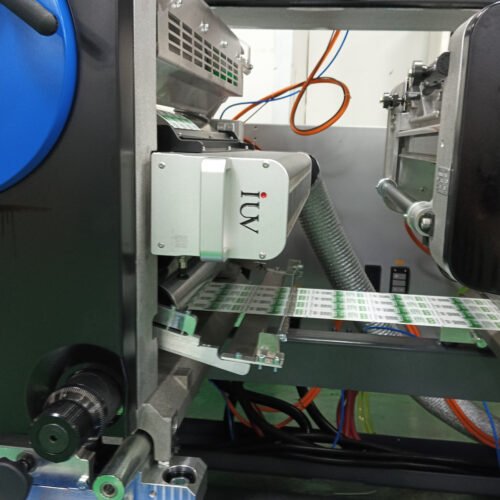
Label printing often involves detailed graphics on diverse substrates like film, foil, or paper. Using LED UV curing systems dramatically improves efficiency here.
The swift curing process enables producers to handle short-run jobs and personalized labels with quick turnaround times. As labels require vibrant colors and durability, LED curing ensures inks and coatings adhere tightly, resisting cracking and fading.
Moreover, the low heat emission protects sensitive label substrates, reducing warping or distortion, and allowing for a wider selection of materials. This flexibility permits printers to expand their product offerings without sacrificing speed or quality.
Flexographic and Gravure Printing Enhancements
Flexography relies on fast-drying, flexible inks and coatings, often on uneven or textured surfaces. LED UV curing ensures instant ink fixation with minimal spreading or wash-off, resulting in crisp images and fine details.
In gravure printing, especially when incorporating UV coatings, LED systems provide rapid curing without the thermal stresses associated with traditional lamps. This reduces press downtime and improves turnaround, particularly during high-volume runs.
Both processes benefit from LED UV’s ability to maintain consistent curing across long press runs, ensuring color uniformity and adhesion without sacrificing speed.
Narrow-Width Printing for High-Precision Outputs
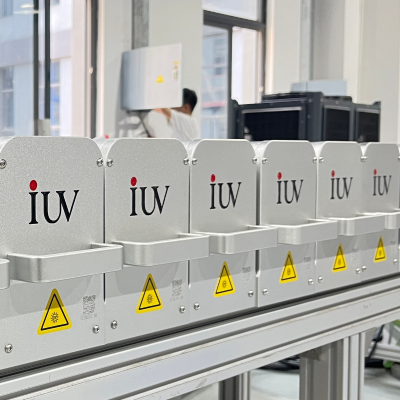
Narrow-width printers, used for specialized applications like security printing or small labels, require precise control over curing and ink adherence. LED UV systems excel here due to their compact size and focused light emission.
The quick curing reduces smudging, enhances fine detail reproduction, and allows for more intricate designs. Additionally, lower heat output minimizes deformation of delicate substrates, facilitating consistent quality in tight spaces.
For high-value, detail-oriented print jobs, LED curing boosts productivity by supporting rapid, accurate finishing, thus shortening the total production time.
Integrating LED UV Curing with Advanced Ink and Coatings
Maximizing the benefits of LED curing also involves selecting compatible UV inks and coatings. These specialized formulations cure faster, adhere more strongly, and offer enhanced resistance against environmental factors.
Manufacturers are developing eco-friendly, low-odor UV inks that work seamlessly with LED systems, aligning with sustainability goals. Combining high-quality inks with LED curing enables top-tier print quality while maintaining efficiency.
Maintaining and Optimizing LED UV Systems for Peak Performance
To fully capitalize on LED curing technology, regular maintenance and calibration are key. Ensuring consistent lamp intensity and proper alignment guarantees uniform curing across all substrates and print areas.
Furthermore, advances in LED driver technology allow for adjustable curing settings tailored to specific inks and materials, optimizing energy consumption and curing depth.
Investing in ongoing staff training ensures operators understand how to optimize system parameters and troubleshoot, further improving overall productivity.
Conclusion
LED UV curing systems are transforming offset printing by dramatically increasing productivity, improving quality, and reducing operational costs. Their application across label printing, flexography, gravure, and narrow-width jobs demonstrates their versatility and efficiency.
Embracing LED curing technology ultimately enables printers to meet tighter deadlines, handle diverse substrates, and produce higher-quality outputs. As the demand for innovative, sustainable printing solutions grows, integrating LED UV systems becomes not just a choice but a strategic necessity for forward-thinking print providers.