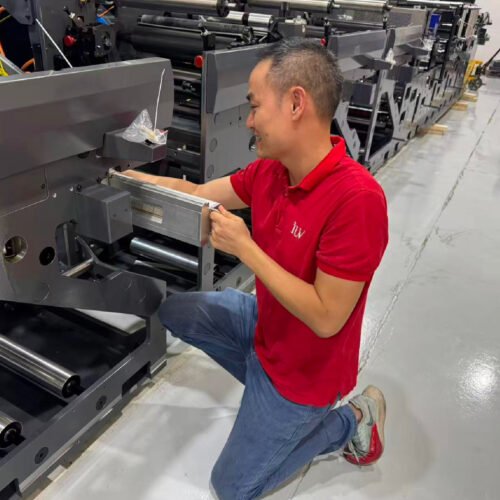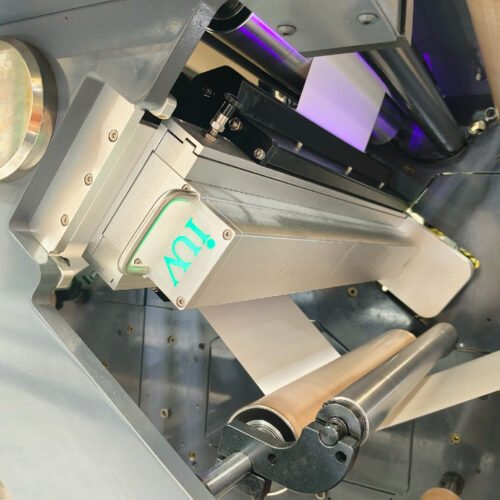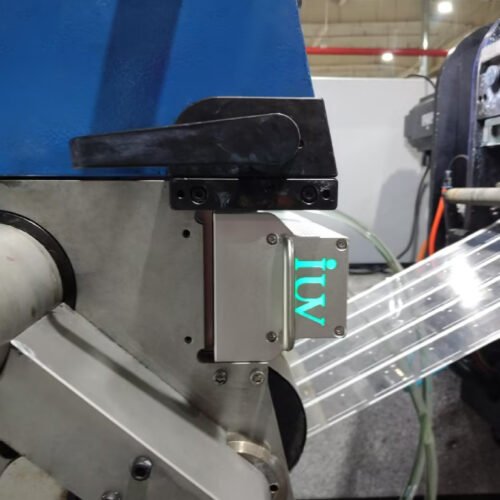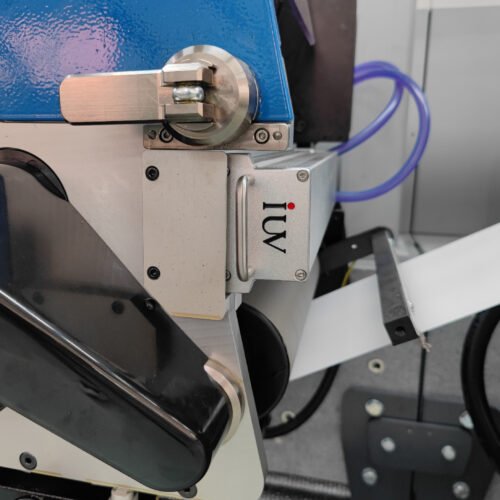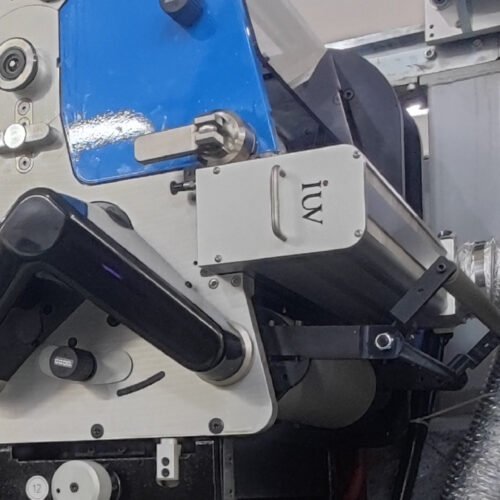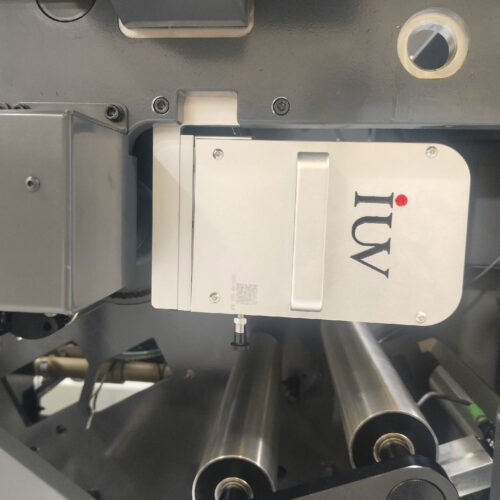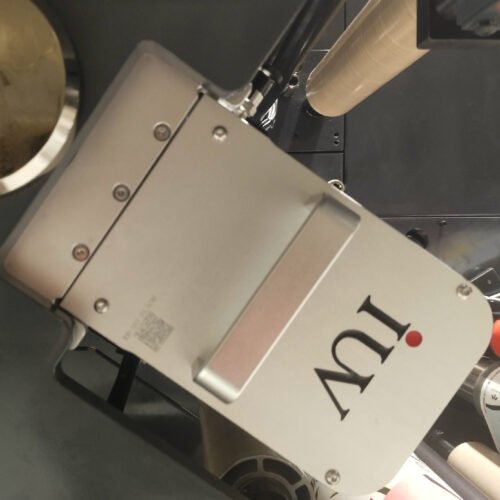

Understanding the intricacies of UV curing systems is vital for achieving high-quality flexo printing results. As UV technology advances, especially with the integration of LED UV curing, troubleshooting common issues becomes essential for maintaining productivity and print integrity. This guide provides insights into typical problems encountered during flexo and narrow-web printing using UV curing, focusing on LED UV systems and their specialized needs.
Common Challenges in UV Curing for Flexo and Narrow-Web Printing
UV curing in flexo, especially on labels and thin substrates, presents unique challenges. Ink adhesion, curing consistency, and substrate compatibility often influence final print quality. Here are some widespread issues:
- Insufficient curing leading to low gloss and poor scratch resistance
- Excessive curing causing ink brittleness or substrate distortion
- Inconsistent results with multiple colors or complex designs
- Surface contamination hindering UV adhesion
- Excessive heat generation affecting delicate substrates
- Uneven curing across the substrate width
Troubleshooting Insufficient UV Curing
One of the most frequent complaints involves incomplete curing, which can lead to tacky finishes, smudging, or poor adhesion. Several factors can cause this:
- Inadequate UV Dose: For LED UV systems, ensure that the intensity settings are appropriate for the ink system and substrate. Sometimes, increasing LED power or curing time can resolve incomplete curing.
- Incorrect Lamp-to-Substrate Distance: Maintaining optimal distance allows for effective energy transfer. Too far, and the UV light weakens; too close, and it may cause overheating.
- Poor Ink Penetration: Proper ink formulation is critical. UV inks should be compatible with LED curing profiles, and it’s beneficial to verify if the ink has a proper photoinitiator package.
- Dirty or Obstructed Optics: Regular cleaning of LED lenses and reflectors maintains maximum output. Dust, grease, or fingerprints can drastically reduce UV intensity.
- Substrate Absorptivity: Thin or glossy substrates can reflect UV light, reducing curing efficiency. Using additives or primers can improve absorption.
Addressing Over-Curing and Substrate Damage
Excessive UV exposure can make inks brittle and cause substrates to warp or crack. To prevent this:
- Adjust UV Intensity and Speed: Slowing down the web or reducing LED power can control curing levels.
- Select Compatible Inks: Use UV inks formulated for LED systems, which cure at lower energy levels and are less prone to over-curing.
- Monitor Substrate Temperature: LED UV systems produce less heat, but continuous high-intensity exposure can still cause temperature rises. Use cooling systems if necessary.
Ensuring Consistent Cure in Multi-Color and Complex Prints
Achieving uniform curing across multiple colors or intricate artwork requires precision:
- Calibrate UV Intensity Regularly: Use radiometers designed for LED UV to measure and verify cure levels across the entire substrate width.
- Synchronize LED Arrays: Uniform LED clusters prevent hot spots and uneven curing.
- Optimize Press Settings: Adjust web tension and registration to minimize movement and ensure stable curing conditions.
Managing Surface Contamination and Adhesion Problems
Surface cleanliness is critical. Common issues include powders, dust, or residual silicone promoting poor adhesion, especially on labels and flexible packaging:
- Implement Proper Cleaning Protocols: Use alcohol or specific cleaning agents compatible with substrate materials.
- Avoid Silicone-based Release Agents: These can migrate to the surface, impeding UV curing and adhesion.
- Use Tackifiers or Surface Primers: Enhancing substrate surface energy helps UV inks adhere properly.
Controlling Heat and UV Exposure on Sensitive Substrates
While LED UV systems produce less heat than traditional mercury lamps, prolonged exposure can still impact delicate materials:
- Install Cooling Solutions: Air or water cooling for LED modules ensures stable temperatures.
- Adjust Curing Parameters: Reduce LED power or curing time for thermo-sensitive substrates.
- Pre-cure or Post-cure Finishing: In some cases, partial curing followed by post-processing can preserve substrate integrity.
Troubleshooting Uneven UV Curing
Uneven curing often results from inconsistent UV exposure or system misalignments:
- Check LED Array Alignment: Proper calibration ensures even distribution of UV radiation.
- Inspect Mechanical Components: Worn rollers or guiding systems can cause web movement, affecting cure uniformity.
- Use Profile Monitoring Tools: Incorporate sensors that provide real-time feedback for adjusting curing parameters dynamically.
Best Practices for Maintaining UV Curing Efficiency
Optimizing uptime and print quality requires ongoing maintenance and process control:
- Schedule Regular System Checks: Clean optics, verify LED output, and ensure cooling systems are operational.
- Train Operators: Proper handling and calibration reduce errors and downtime.
- Stay Updated with Inks and Substrate Compatibility: Collaborate with suppliers to select materials optimized for LED UV curing processes.
- Record and Analyze Data: Monitoring curing performance helps identify trends and prevent future issues.
Innovations in LED UV Curing for Flexo Printing
LED UV technology continues to evolve rapidly. Advances include higher output LED arrays, better spectral matching with inks, and integrated sensors for real-time monitoring. These innovations promise more reliable curing, energy efficiency, and wider substrate compatibility.
Conclusion
Troubleshooting UV curing issues in flexo and narrow-web printing demands a detailed understanding of system components, ink formulations, and substrate behaviors. With proper calibration, maintenance, and process adjustments, print quality can be consistently optimized, unlocking the full potential of LED UV curing systems in label, flexible packaging, and other specialized applications. Staying ahead in this field involves continuous learning and adaptation to technological advancements, ensuring top-tier print results across diverse materials and production demands.