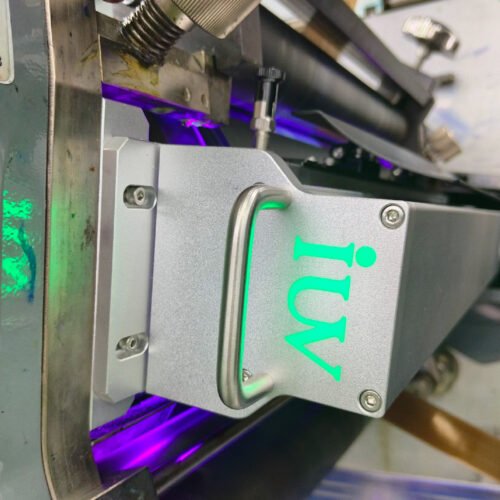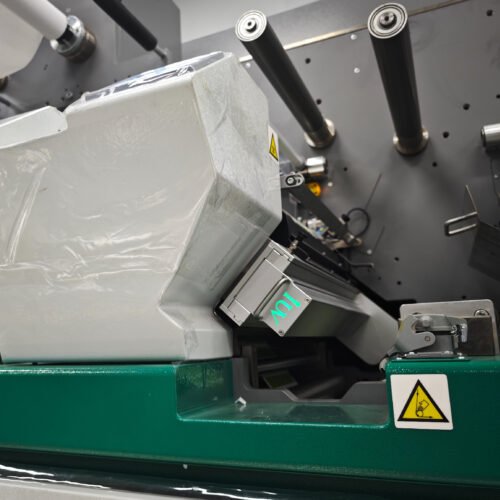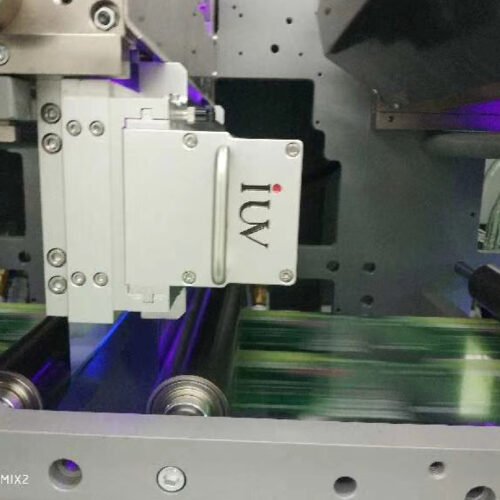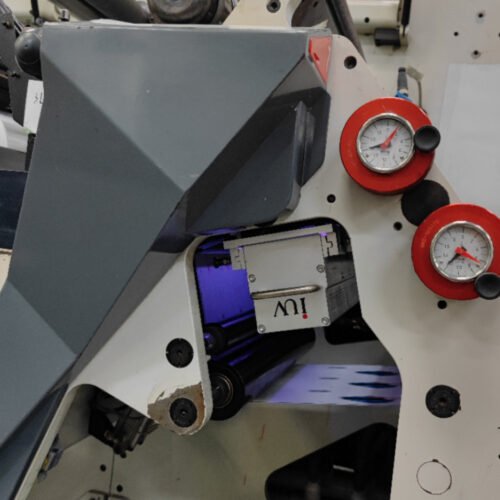
The rapid evolution of the printing industry pushes printers to seek more efficient, sustainable, and versatile solutions. Among these advancements, LED UV curing systems are transforming the way offset and other printing methods operate. As technological innovation drives adoption, many printers are switching to LED UV curing to enhance quality, productivity, and environmental compliance.
Understanding LED UV Curing Technology
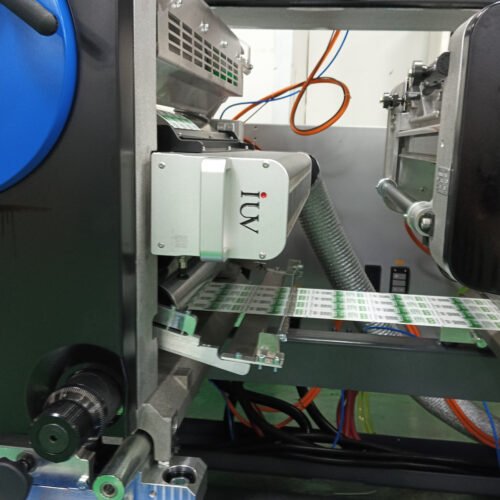
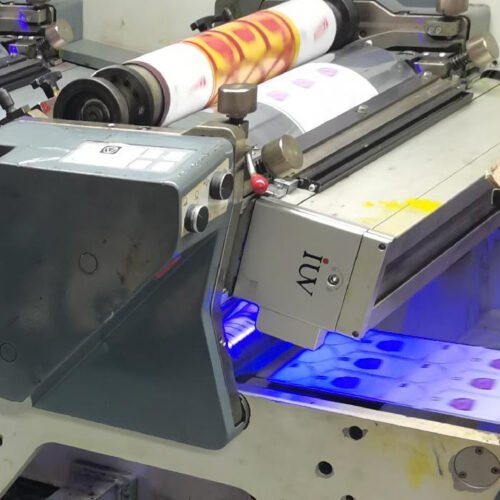
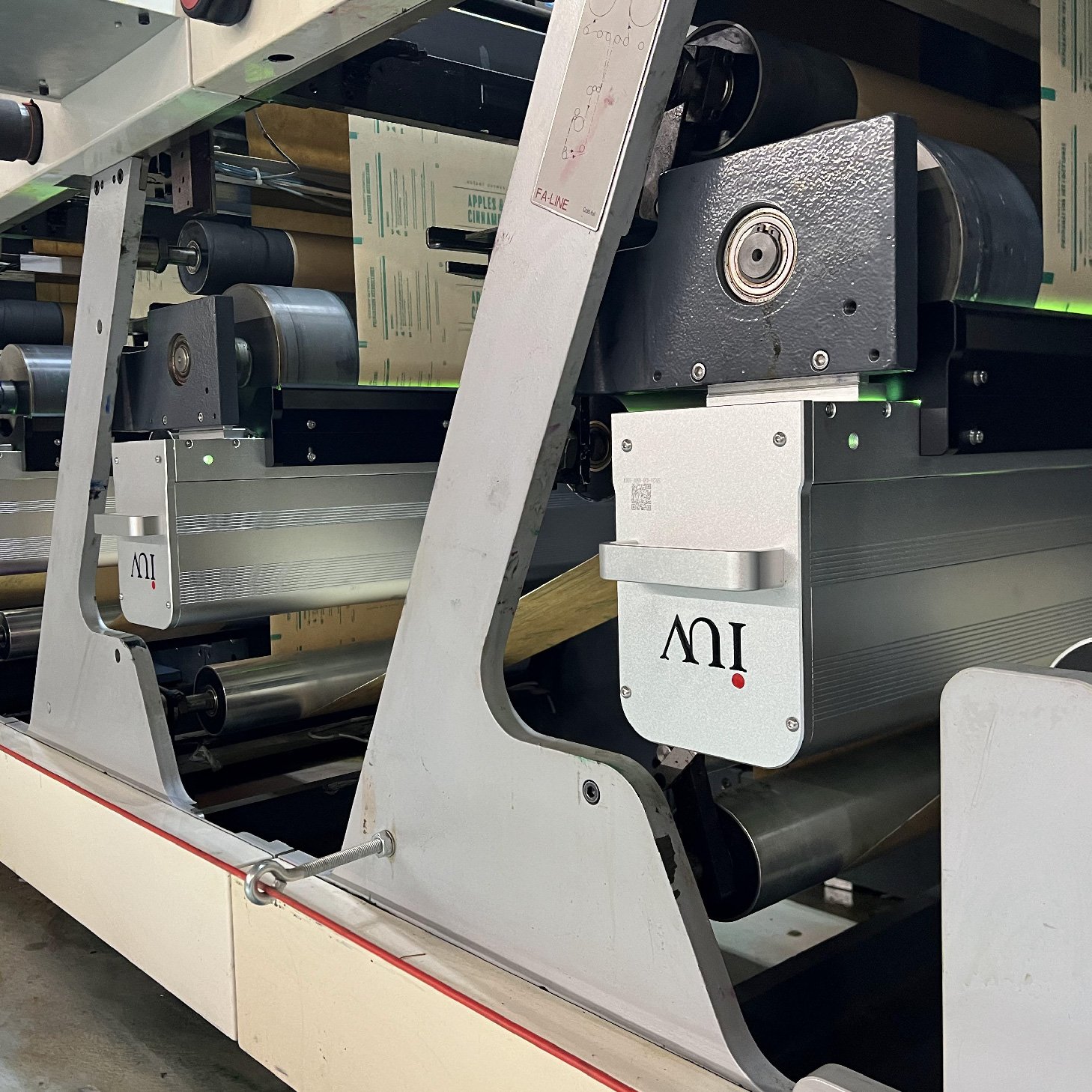
LED UV curing involves the use of light-emitting diodes that emit specific wavelengths of ultraviolet light. This technology rapidly initiates the curing process of UV-sensitive inks, adhesives, and coatings. Unlike traditional UV lamps, LED UV units operate at lower temperatures, consume less power, and have longer lifespans. This combination makes LED UV a highly attractive choice for various printing processes.
Benefits for Offset and Narrow-Bed Printing
Offset printing, renowned for its high quality and scalability, can substantially benefit from LED UV systems. The instant curing reduces turnaround times and allows for immediate finishing processes, such as lamination and cutting. Narrow-format or narrow-breed printers, focusing on smaller production runs with quick turnarounds, find LED UV especially beneficial. It enables fast job changeovers, minimal waste, and superior control over the curing process, preserving fine detail and vibrant colors.
Enhancing Flexography with LED UV
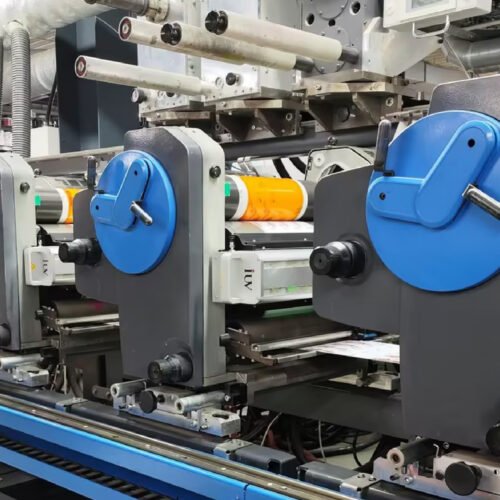
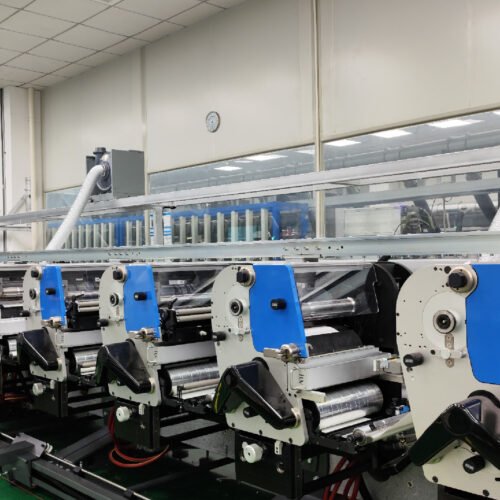
Flexographic or flexo printing, often used for labels, packaging, and flexible materials, benefits from LED UV’s ability to cure on non-porous surfaces efficiently. This results in sharper image reproduction and vibrant, durable colors. The rapid curing minimizes ink smearing and helps maintain consistent quality across varied substrate types, including foils, films, and plastics.
Advances in Plate and Stickers Printing
In plate-based and sticker printing, precision and durability are critical. LED UV systems provide immediate curing, significantly reducing drying times and enabling fast production cycles. The ability to cure thick layers of UV ink improves adhesion and durability, producing stickers and plates with high resistance to moisture and UV exposure.
Flexible and Specialty Substrates: UV’s Edge
One of the major advantages of UV curing, especially with LED technology, is its compatibility with a wide range of substrates. From coated papers to plastics, metal foils, and synthetic materials, LED UV allows for versatile printing options. This flexibility supports the growth of specialty packaging, labels, and decorative printing where substrate variety is essential.
Cost Savings and Efficiency Gains
Switching to LED UV curing systems yields notable cost savings. Lower energy consumption translates into reduced operational expenses. The longer lifespan of LED lamps minimizes maintenance and replacement costs. Additionally, the instant cure reduces machine downtime between jobs, boosting overall productivity and throughput.
Environmental Impact and Sustainability
LED UV systems are inherently more environmentally friendly than traditional UV lamps. They eliminate the need for mercury-based lamps, reducing hazardous waste. Their energy efficiency lowers greenhouse gas emissions. Moreover, LED UV curing produces fewer volatile organic compounds (VOCs), aligning with strict environmental regulations and corporate sustainability goals.
Impact on Quality and Finishing
LED UV curing improves the overall quality of printed products. The instant set of inks and coatings results in sharper images, brighter colors, and minimal dot gain. The quick curing also allows for immediate handling and finishing, reducing the risk of smudging or scratching after printing.
Transitioning: Key Considerations for Printers
For printers contemplating a switch, understanding the integration process is vital. LED UV systems are compatible with many existing press configurations, but some adjustments to ink formulations and curing units may be necessary. Training staff on new workflows and maintenance ensures smooth operation and maximizes investment returns.
Future Trends in UV Curing Technology
As LED UV technology matures, further enhancements are expected. Increased power output, broader wavelength options, and smarter control features will further improve curing capabilities. These advancements will open new possibilities for innovation in packaging, specialty printing, and beyond.
Conclusion
The move toward LED UV curing systems represents a strategic step for offset and narrow-format printers aiming to stay competitive. The technology’s ability to deliver higher quality, faster turnaround, and eco-friendly operation aligns with the evolving demands of modern printing. Embracing LED UV paves the way for versatile, cost-efficient, and sustainable printing solutions in a dynamic industry landscape.